
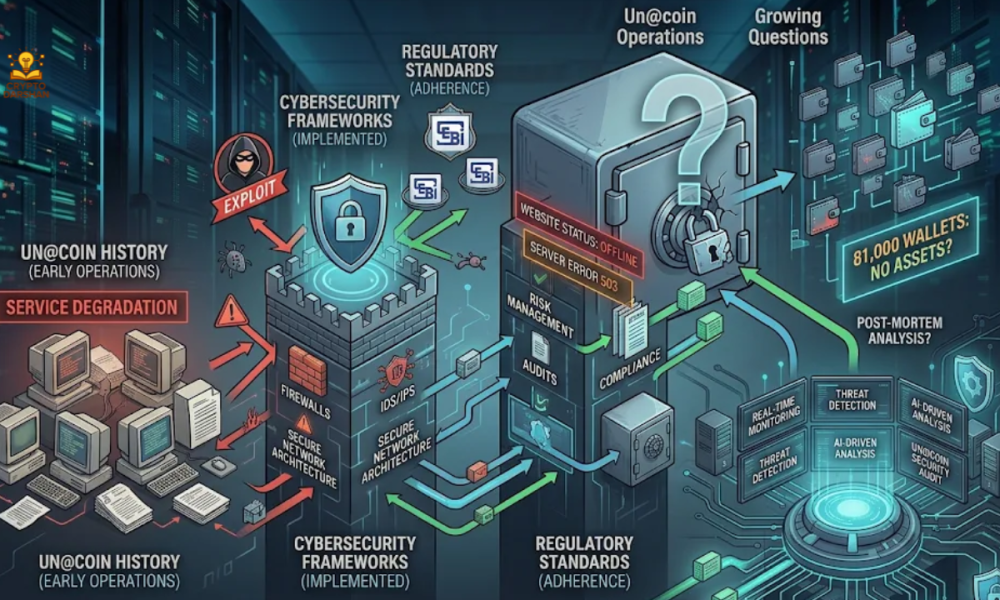
Indian cryptocurrency exchange Unocoin remains offline three days after it disclosed unauthorized access to its servers, while blockchain analytics data has raised fresh questions about the platform’s visible cryptocurrency holdings. The exchange says no customer funds were lost, but it has not yet explained the full scope of the incident or given a timeline for restoring services.
Unocoin temporarily disabled user logins on November 9 after discovering the security issue. As of November 12, its official website was still returning a Cloudflare 504 Gateway Time-out error, indicating that the underlying host server was not responding properly.
What Unocoin has confirmed
In its November 9 statement, Unocoin said its security team detected unauthorized access to company servers and immediately suspended logins while investigating. The exchange said its team was working on remediation and would share findings once more information became available.
The company assured customers that no cryptocurrency funds had been lost. However, it did not say how attackers gained access, which systems were affected, or whether customer data had been exposed.
Unocoin also did not provide a schedule for reopening accounts or resuming trading and withdrawals. As of November 12, the exchange had not issued a new public update about the investigation.
Why 81,000 wallets showing zero matters
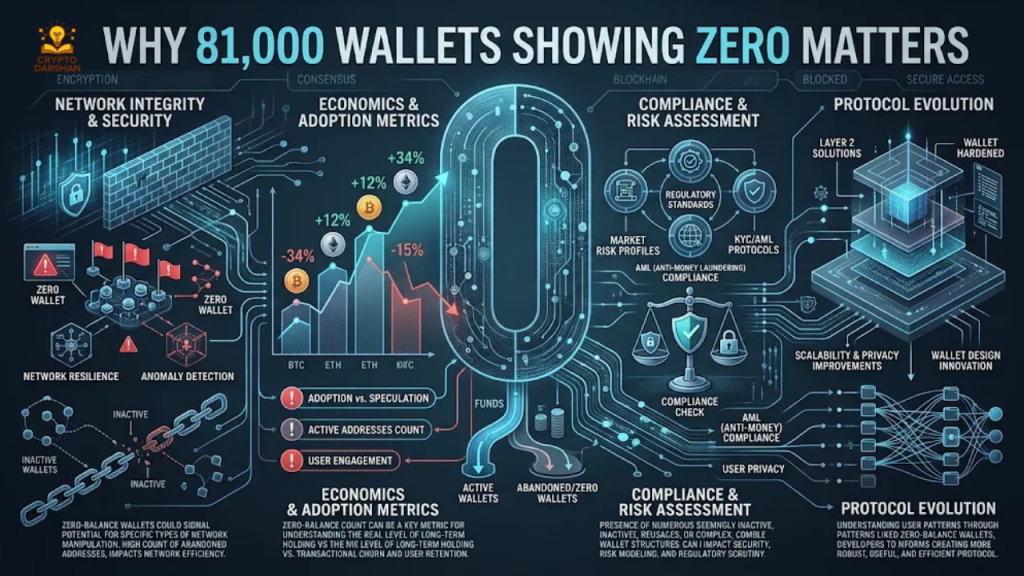
Blockchain analytics account Onchain Lens highlighted Arkham Intelligence data showing approximately 81,000 addresses linked to Unocoin with a combined portfolio value of $0. The account described the situation as a possible sign that India’s oldest centralized crypto exchange had been hacked.
The Arkham page reportedly displayed “No assets found” across Unocoin’s tracked entity portfolio. That has led some users to question whether the exchange still holds customer funds in the wallets associated with its public entity profile.
However, the data alone does not prove that Unocoin has lost funds. Arkham tracks addresses that it associates with an organization, but exchanges may hold assets in wallets that are not publicly labeled, use cold-storage systems, or manage funds through other entities.
Website outage adds to concern
The website outage has intensified concerns because it comes after Unocoin disabled logins. A 504 Gateway Time-out error means the browser and Cloudflare network were working, but Unocoin’s origin server did not respond within the expected time.
A check of unocoin.com at about 06:57 UTC on November 12 confirmed that the exchange’s host server was returning the error. This suggests the issue was with the site’s backend infrastructure rather than a simple browser problem.
The lack of communication has left customers uncertain about whether they can access their accounts, withdraw funds, or expect normal services to return soon.
What Unocoin has not explained
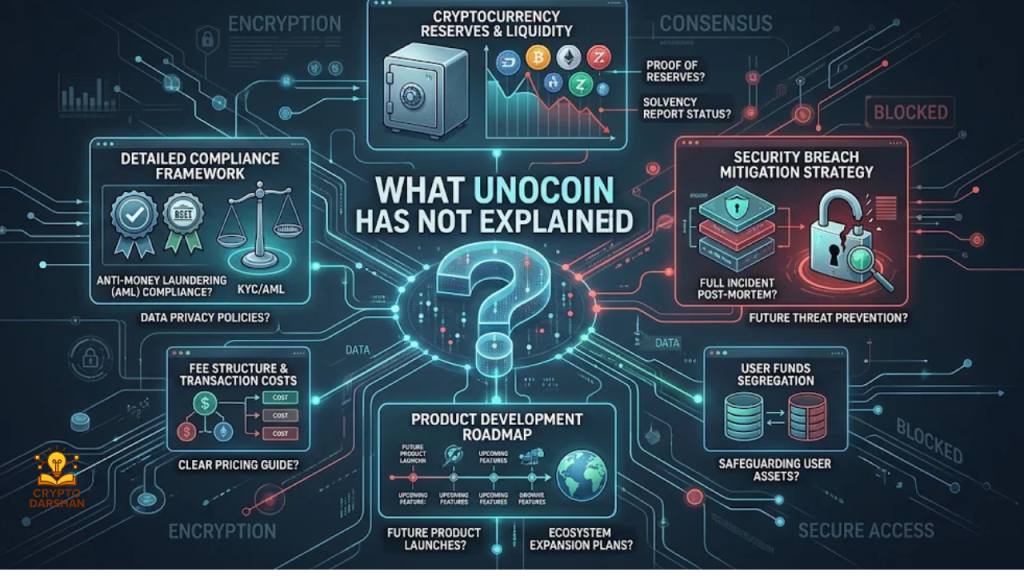
Unocoin has not publicly clarified several important details:
- Whether the unauthorized access involved customer personal information.
- Whether internal systems or crypto transaction systems were affected.
- Whether any wallets were moved or reorganized during the investigation.
- Why the Arkham-linked addresses show no assets.
- When logins, trading, and withdrawals will return.
The company’s silence has created space for speculation. Clear, regular updates would help reassure customers, especially because the exchange has said it will disclose findings only “in due course.”
The Unocoin incident highlights the importance of platform reliability and security when storing digital assets through centralized exchanges. Read our guide on whether crypto is safe to understand the risks associated with cryptocurrency storage and exchange platforms.
Similar concerns hit CoinDCX
Unocoin is not the only Indian exchange facing questions over wallet activity. In October, CoinDCX denied claims of another security breach after blockchain investigator ZachXBT questioned transfers involving nearly $16 million in cryptocurrency.
CoinDCX CEO Sumit Gupta said the addresses in question were infrastructure compromised during an earlier attack, while current operational and customer wallets were unaffected. The exchange later revealed that 15.99 million USDT had been lost after deposits accumulated in wallets retired following its July 2025 breach.
CoinDCX said customers had already been credited for affected deposits and that it absorbed the loss without changing customer balances. The case shows why wallet-labeling data needs careful interpretation, but also why exchanges must communicate quickly during a security event.
India’s exchange security history
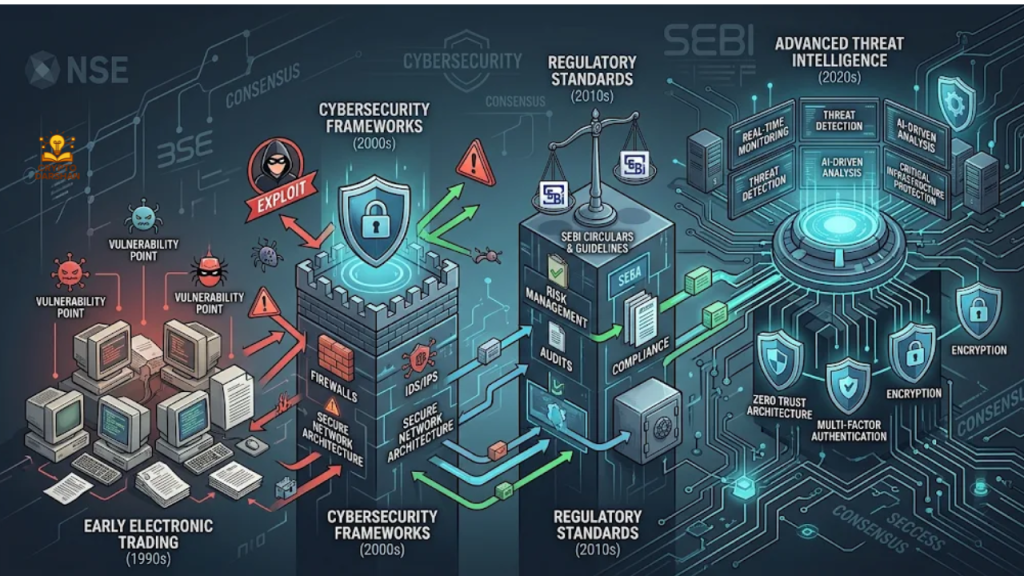
India’s crypto industry has experienced several serious security incidents. In July 2024, WazirX lost more than $230 million after attackers compromised a cryptocurrency wallet used by the exchange.
The WazirX attack involved multiple digital assets and became one of the largest reported crypto thefts affecting an Indian trading platform. That history makes customers especially sensitive to any sign of trouble at an Indian exchange.
Unocoin, founded in 2013, is one of India’s earliest crypto exchanges. It has operated through years of regulatory uncertainty and has historically supported Bitcoin buying and selling for Indian customers.
What customers should do now
Unocoin customers should avoid sharing passwords, one-time codes, or recovery phrases with anyone claiming to represent the exchange. They should also be cautious of fake support accounts, phishing emails, and impersonation sites while the platform remains offline.
Until Unocoin provides more information, users should rely only on official announcements from the company’s verified channels. They should also keep records of balances, transaction history, and any communications with the exchange.
The most important question is not whether the Arkham data looks alarming, but whether Unocoin can prove that customer assets remain secure. A detailed incident report, an updated reserve breakdown, and a clear restoration timeline would go a long way toward restoring trust.