
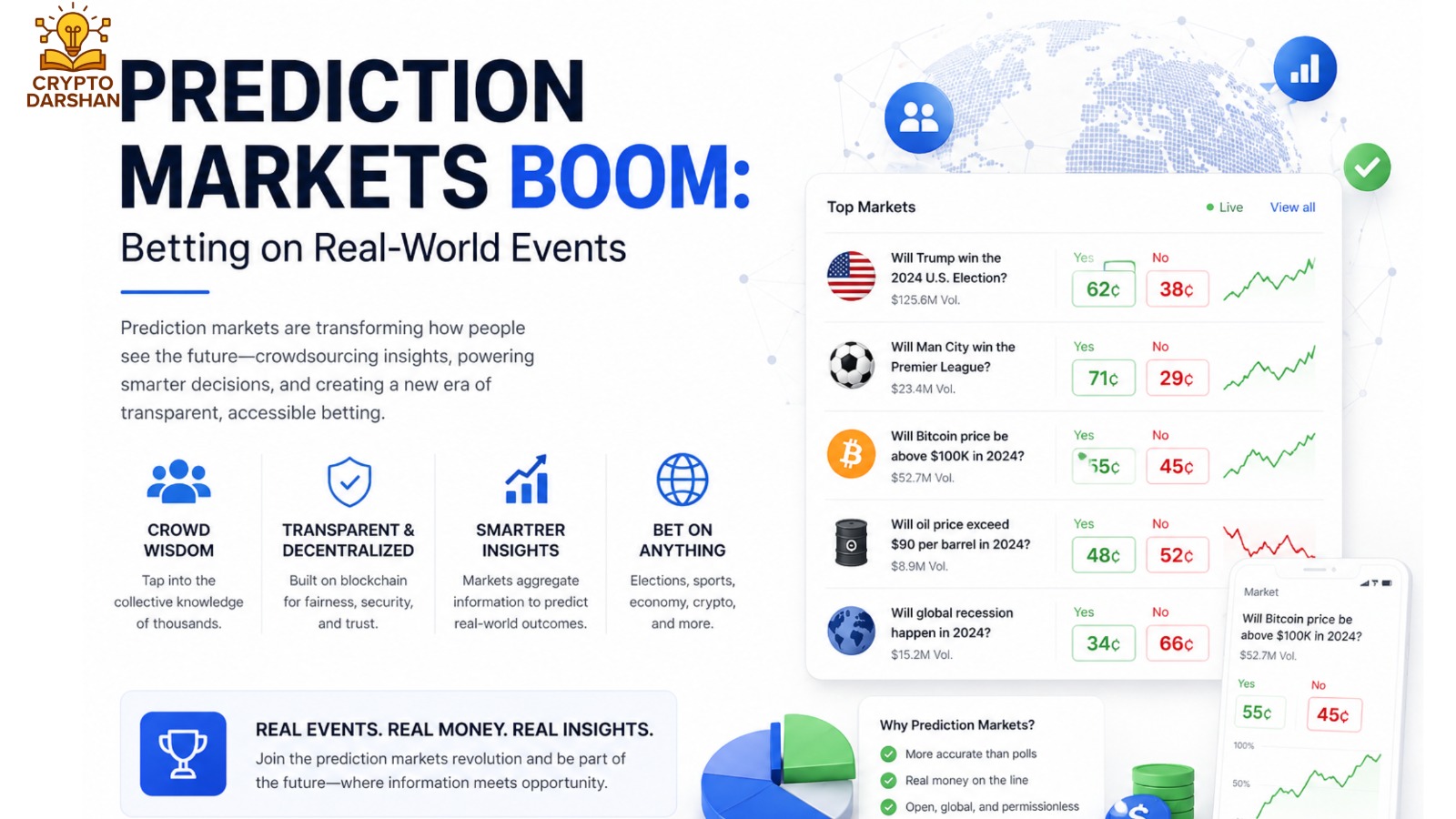
Prediction markets are online platforms where participants trade contracts based on the outcomes of future events. These markets operate similarly to stock exchanges, but instead of buying shares in companies, traders buy and sell shares tied to specific predictions. The price of each share reflects the collective belief about the likelihood of an event occurring. For example, if a contract predicting that a certain candidate will win an election is trading at $0.70, it implies a 70% probability of that outcome.
The concept of prediction markets is not new. They have existed in various forms for decades, but the rise of digital technology and blockchain innovation has made them more accessible and transparent. Today, markets are used to forecast everything from political elections and sports outcomes to economic indicators and technological breakthroughs. As more people recognize their potential, they are experiencing a significant boom, reshaping how society anticipates and interprets real-world events.
The History and Evolution of Prediction Markets

The origins of markets can be traced back to informal betting pools and academic experiments. In the 1980s, economists began exploring how markets could aggregate information more effectively than traditional polling or expert analysis. The Iowa Electronic Markets (IEM), launched in 1988, became one of the first formal prediction. It allowed participants to trade contracts based on political election outcomes, and its forecasts often proved more accurate than opinion polls.
Over time, prediction markets expanded beyond academia. Companies like Google and Hewlett-Packard experimented with internal markets to forecast product launches, sales performance, and project deadlines. These internal markets demonstrated that collective intelligence could outperform individual expert judgment.
The 21st century brought a new wave of innovation. The rise of blockchain technology and decentralized finance (DeFi) enabled the creation of decentralized prediction markets such as Augur, Polymarket, and Gnosis. These platforms removed intermediaries, allowing users to create and trade prediction contracts directly on the blockchain. This decentralization increased transparency, reduced manipulation, and opened participation to a global audience.
How Prediction Markets Work

Prediction market function through a simple yet powerful mechanism. Each market revolves around a specific question, such as “Will candidate X win the 2028 presidential election?” or “Will Bitcoin exceed $100,000 by the end of the year?” Participants can buy or sell shares representing “Yes” or “No” outcomes.
The price of each share fluctuates based on supply and demand. If more traders believe an event will occur, the price of the “Yes” shares rises. Conversely, if confidence declines, the price falls. When the event concludes, the market resolves, and traders holding correct shares receive payouts.
For example, if a “Yes” share is trading at $0.60, it implies a 60% probability that the event will happen. If the event occurs, the share pays out $1; if not, it becomes worthless. This pricing mechanism transforms collective beliefs into quantifiable probabilities, making prediction market a powerful forecasting tool.
The Psychology Behind Prediction Markets

Prediction markets have emerged as one of the most fascinating applications of collective intelligence in the digital age. While traditional polling and expert analysis often fail spectacularly, platforms like Polymarket consistently demonstrate an uncanny ability to forecast outcomes with remarkable precision. But what psychological mechanisms drive this accuracy?
Psychologically, prediction markets appeal to both rational analysis and emotional engagement. Traders are motivated by profit, but they also enjoy the intellectual challenge of forecasting complex events. The competitive nature of trading encourages participants to seek accurate information, reducing the influence of misinformation and speculation.
Moreover, a prediction market provides immediate feedback. Traders can see how their predictions perform in real time, allowing them to adjust strategies and learn from outcomes. This dynamic interaction fosters continuous improvement and enhances the overall accuracy of market predictions.
The Role of Technology in the Prediction Markets Boom

Technology has been the driving force behind the recent boom in prediction markets. The integration of blockchain technology has revolutionized how these markets operate. Decentralized platforms eliminate the need for central authorities, ensuring transparency and security. Smart contracts automatically execute trades and payouts, reducing the risk of fraud or manipulation.
Artificial intelligence (AI) and machine learning also play a crucial role. These technologies analyze vast amounts of data to identify trends, detect anomalies, and predict market movements. AI-driven tools help traders make informed decisions, increasing market efficiency.
Additionally, the rise of mobile applications and user-friendly interfaces has made prediction markets accessible to a broader audience. Anyone with an internet connection can participate, democratizing access to forecasting tools once reserved for experts and institutions.
Types of Prediction Markets

Prediction market can be categorized based on their focus and structure. The main types include:
1. Political Prediction Markets
These markets allow participants to bet on election outcomes, policy decisions, and geopolitical events. Political prediction markets have gained popularity for their accuracy in forecasting election results. Platforms like PredictIt and Polymarket often outperform traditional polls by reflecting real-time sentiment and insider knowledge.
2. Financial Prediction Markets
Financial prediction markets focus on economic indicators, stock prices, and cryptocurrency trends. Traders speculate on interest rate changes, inflation rates, or the performance of specific assets. These markets provide valuable insights for investors and policymakers.
3. Sports Prediction Markets
Sports prediction markets enable users to trade contracts based on the outcomes of sporting events. Unlike traditional sports betting, these markets operate on a trading model, allowing participants to buy and sell positions before the event concludes.
4. Corporate Prediction Markets
Corporations use internal prediction markets to forecast business outcomes such as product launches, sales targets, or project completion dates. These markets harness employee insights, improving decision-making and strategic planning.
5. Scientific and Technological Prediction Markets
These markets focus on predicting scientific discoveries, technological innovations, or research outcomes. They help allocate resources efficiently by identifying promising areas of development.
The Economic Impact of Prediction Markets

Prediction markets contribute to economic efficiency by aggregating dispersed information. They transform individual opinions into collective forecasts, which can guide decision-making in various sectors. Governments, businesses, and investors use markets to anticipate trends and allocate resources effectively.
For example, policymakers can use prediction markets to gauge public sentiment on proposed regulations. Businesses can forecast consumer demand or market reactions to new products. Investors can assess the likelihood of economic events such as recessions or interest rate changes.
Moreover, prediction markets create new economic opportunities. They generate liquidity, attract traders, and foster innovation in financial technology. As the industry grows, it contributes to job creation and technological advancement.
Legal and Regulatory Challenges

Despite their potential, prediction markets face significant legal and regulatory hurdles. In many jurisdictions, they are classified as gambling, subjecting them to strict regulations or outright bans. Governments often struggle to distinguish between legitimate forecasting tools and speculative betting platforms.
In the United States, for example, the Commodity Futures Trading Commission (CFTC) regulates prediction markets under commodity trading laws. Some platforms operate under academic or research exemptions, while others face legal uncertainty. Decentralized platforms further complicate regulation, as they operate across borders and lack centralized control.
To ensure sustainable growth, the markets must navigate these legal complexities. Clear regulatory frameworks are essential to protect participants, prevent abuse, and promote innovation.
The Rise of Decentralized Prediction Markets
Decentralized prediction represents the next evolution in forecasting technology. Built on blockchain networks, these platforms eliminate intermediaries and rely on smart contracts for execution. Users can create markets, trade tokens, and receive payouts without centralized oversight.
Platforms like Augur, Gnosis, and Polymarket have pioneered this space. They offer transparency, security, and censorship resistance. Every transaction is recorded on the blockchain, ensuring accountability and trust.
Decentralized prediction markets also enable global participation. Anyone can join, regardless of location or financial status. This inclusivity enhances market diversity and accuracy. However, challenges remain, including scalability, user experience, and regulatory compliance.
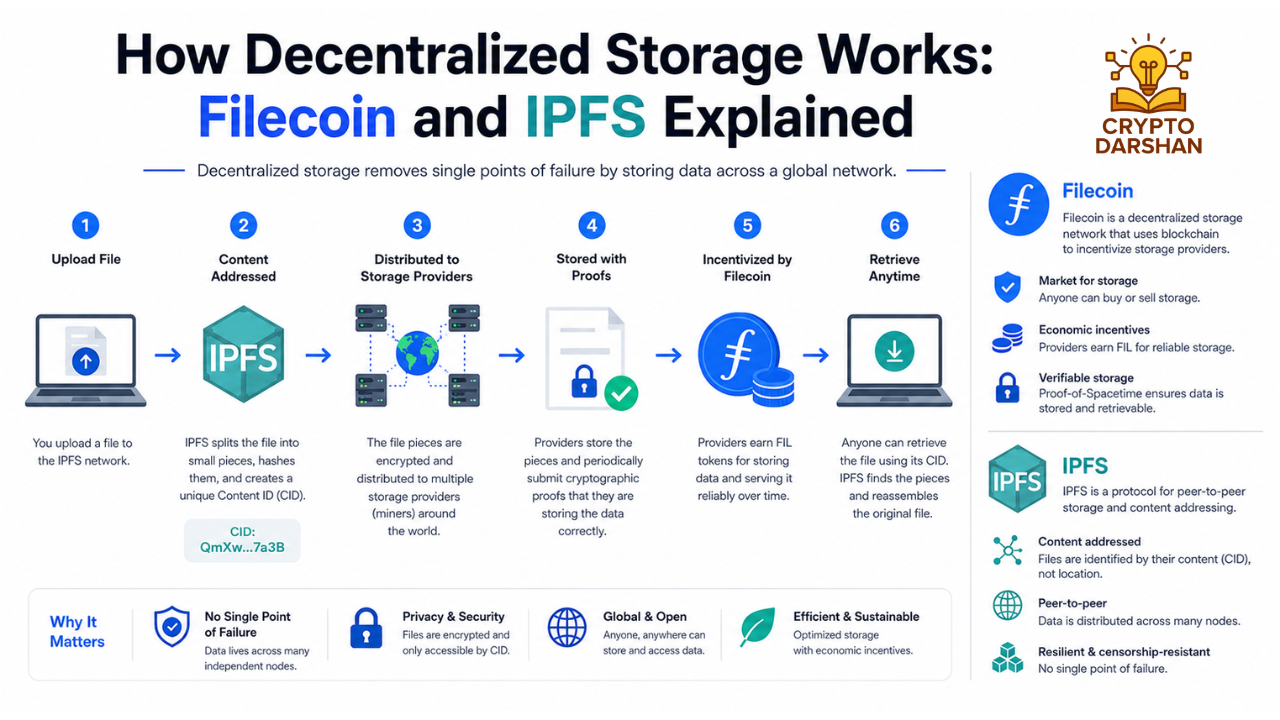
Behind many decentralized prediction platforms lies critical infrastructure, similar to the invisible layers powering crypto networks.
The Role of Blockchain in Prediction Markets

Blockchain technology underpins the modern prediction markets boom. It provides a decentralized ledger that records all transactions transparently and immutably. This ensures that market outcomes cannot be manipulated or altered after the fact.
Smart contracts automate the entire process, from market creation to payout distribution. When an event concludes, the contract verifies the outcome through oracles (trusted data sources) and executes payments automatically. This reduces human error and enhances trust.
Furthermore, blockchain enables tokenization. Participants can trade digital tokens representing shares in prediction market, increasing liquidity and accessibility. Tokenized markets also allow fractional participation, enabling smaller investors to engage in forecasting.
The Accuracy of Prediction Markets

One of the most compelling aspects of prediction markets is their accuracy. Numerous studies have shown that markets often outperform traditional forecasting methods such as polls or expert analysis. This accuracy stems from the market’s ability to aggregate diverse information sources.
Each participant contributes unique insights, whether based on data analysis, insider knowledge, or intuition. The market synthesizes these inputs into a single probability, reflecting the collective wisdom of the crowd. As new information emerges, prices adjust dynamically, ensuring that predictions remain up to date.
For example, during major elections, prediction markets have consistently provided more accurate forecasts than opinion polls. Similarly, in financial markets, prediction-based models often anticipate economic shifts before official reports are released.
The Social and Cultural Impact of Prediction Markets

Prediction markets are reshaping how society perceives and interacts with information. They encourage transparency, accountability, and data-driven decision-making. By quantifying uncertainty, they help individuals and organizations make informed choices.
Culturally, prediction markets have sparked debates about ethics and responsibility. Some critics argue that betting on real-world events, such as natural disasters or political crises, can be morally questionable. Others contend that these markets enhance understanding and preparedness by revealing public expectations.
Prediction markets also promote civic engagement. By allowing individuals to participate in forecasting political or social outcomes, they foster a sense of involvement and awareness. This participatory model aligns with the broader trend toward decentralized governance and collective intelligence.
Ethical Considerations in Prediction Markets

While prediction markets offer numerous benefits, they also raise ethical concerns. Betting on sensitive events, such as pandemics or terrorist attacks, can be controversial. Critics argue that such markets may incentivize harmful behavior or exploit human suffering.
To address these concerns, platforms must establish ethical guidelines and restrictions. Markets involving violence, illegal activities, or personal harm should be prohibited. Transparency and accountability are essential to maintaining public trust.
Additionally, privacy concerns must be addressed. Participants should have control over their data, and platforms must ensure that personal information is protected. Ethical governance will be crucial to the long-term sustainability of prediction markets.
Case Studies: Successful Prediction Markets

1. Iowa Electronic Markets (IEM)
The IEM remains one of the most successful academic prediction markets. It has consistently provided accurate forecasts for U.S. presidential elections, often outperforming traditional polls. Its success demonstrates the power of collective intelligence in political forecasting.
2. PredictIt
PredictIt is a popular political prediction market that allows users to trade on U.S. political events. It has gained recognition for its accuracy and educational value. Despite regulatory challenges, PredictIt continues to attract a large user base.
3. Augur
Augur is a decentralized prediction market built on the Ethereum blockchain. It allows users to create and trade markets on any event. Augur’s open-source model and use of smart contracts have set new standards for transparency and decentralization.
4. Polymarket
Polymarket has emerged as a leading decentralized prediction platform. It focuses on real-world events, from politics to technology. Its user-friendly interface and blockchain integration have made it a key player in the prediction markets boom.
The Role of Prediction Markets in Business Strategy

Businesses are increasingly using prediction markets to enhance strategic decision-making. Internal markets allow employees to forecast project outcomes, sales performance, and market trends. These insights help managers allocate resources more effectively and identify potential risks.
For example, a company launching a new product can use an internal prediction market to estimate demand. Employees with diverse perspectives contribute to a more accurate forecast, reducing uncertainty and improving planning.
They also foster a culture of transparency and collaboration. By involving employees in forecasting, organizations encourage engagement and accountability. This participatory approach aligns with modern management practices that emphasize data-driven decision-making.
Challenges Facing Prediction Markets

Despite their growth, prediction markets face several challenges:
- Regulatory Uncertainty: Legal restrictions vary across jurisdictions, limiting market expansion.
- Liquidity Issues: Smaller markets may struggle to attract enough participants for accurate pricing.
- Information Bias: Markets can be influenced by misinformation or coordinated manipulation.
- Technical Barriers: Complex interfaces and blockchain requirements can deter new users.
- Ethical Concerns: Betting on sensitive topics can raise moral and reputational issues.
Addressing these challenges requires collaboration between regulators, developers, and users. Clear rules, improved technology, and ethical standards will ensure sustainable growth.
The Global Expansion of Prediction Markets

Prediction markets are gaining traction worldwide. In Europe, platforms are emerging to forecast political and economic events. In Asia, growing interest in blockchain technology is fueling the development of decentralized markets. Africa and Latin America are also exploring these markets as tools for economic forecasting and civic engagement.
Global expansion enhances diversity and accuracy. Different cultural perspectives contribute to richer insights and more balanced predictions. As cross-border participation increases, prediction markets will become truly global instruments of collective intelligence.
The Integration of AI and Big Data in Prediction Markets

Artificial intelligence and big data are transforming prediction markets. AI algorithms analyze massive datasets to identify patterns and correlations that humans might overlook. These insights improve market efficiency and accuracy.
Big data provides real-time information from social media, news outlets, and economic indicators. By integrating this data, they can respond instantly to new developments. This synergy between AI and prediction market creates a powerful forecasting ecosystem capable of anticipating complex global trends.
The Relationship Between Prediction Markets and Traditional Finance

Prediction markets share similarities with traditional financial markets, but they serve different purposes. While stock markets focus on company performance, prediction market focus on event outcomes. However, both rely on price signals to convey information.
Financial institutions are beginning to recognize the value of prediction markets. Some hedge funds use them to gauge market sentiment or test investment hypotheses. As the markets mature, they may become integral components of financial analysis and risk management.
Just like managing risk in prediction markets, understanding liquidation risks in DeFi is crucial, explored in our guide on DeFi lending platforms ranked by LTV and liquidation risk.
The Educational Value of Prediction Markets

Prediction market also serve as educational tools. They teach participants about probability, economics, and behavioral finance. Universities use them to study market dynamics and decision-making processes.
By engaging in this kind of markets, students and researchers gain practical experience in data analysis and forecasting. This experiential learning fosters critical thinking and quantitative reasoning, essential skills in the modern economy.
The Future Outlook: A Data-Driven World

As society becomes increasingly data-driven, prediction markets will play a central role in shaping decisions. Their ability to aggregate information, quantify uncertainty, and forecast outcomes makes them indispensable tools for governments, businesses, and individuals.
The prediction markets boom represents more than just a financial trend; it signifies a shift toward collective intelligence and decentralized decision-making. By harnessing the wisdom of the crowd, prediction empowers humanity to navigate an uncertain future with greater clarity and confidence.
FAQ

1. What are prediction markets?
Prediction markets are platforms where users trade contracts based on the outcome of real-world events—such as elections, economic data releases, or sports results. Prices reflect the crowd’s perceived probability of an event happening.
2. How do prediction markets work?
Users buy and sell shares tied to outcomes (e.g., “Candidate A wins”). If the event occurs, the shares pay out (usually $1 or equivalent); if not, they become worthless. Prices fluctuate based on demand and new information.
3. Why are prediction markets becoming popular again?
Several factors are driving growth:
- Increased interest in alternative data sources
- Improved blockchain-based platforms
- Greater distrust in traditional forecasting models
- Real-time, crowd-driven insights
4. Are prediction markets more accurate than polls?
In many cases, yes. Because participants have financial incentives, prediction markets often incorporate information more efficiently than traditional polls. However, they are not always correct and can be influenced by market bias or low liquidity.
5. What types of events can you bet on?
Prediction market cover a wide range of topics:
- Political elections
- Economic indicators (inflation, interest rates)
- Sports outcomes
- Cryptocurrency prices
- Global events and trends
6. Are prediction markets legal?
Legality varies by country. Some regions regulate them as financial instruments or gambling, while others restrict or ban them entirely. Always check local regulations before participating.
7. How do blockchain-based prediction markets differ?
Blockchain platforms offer:
- Decentralization (no central authority)
- Transparency of transactions
- Global accessibility
- Reduced censorship risk
However, they may face usability challenges and regulatory scrutiny.
Conclusion
Prediction markets have evolved from academic experiments into powerful forecating tools influencing politics, finance, and technology. Their recent boom reflects the growing demand for accurate, transparent, and data-driven insights. As blockchain, AI, and big data continue to advance, it become even more integral to global decision-making.
Despite challenges related to regulation, ethics, and accessibility, the potential of prediction markets remains immense. They embody the fusion of technology, economics, and human intelligence, transforming how society predicts and prepares for the future. The markets boom is not just about betting on real-world events; it is about understanding them, anticipating them, and shaping a smarter, more informed world