

Institutional crypto OTC markets have reached a turning point. With institutions now accounting for 72% of spot OTC trading, the crypto market is entering a new phase where professional capital is playing a greater role in shaping liquidity, price stability, and long-term market trends.
What Is OTC Trading?
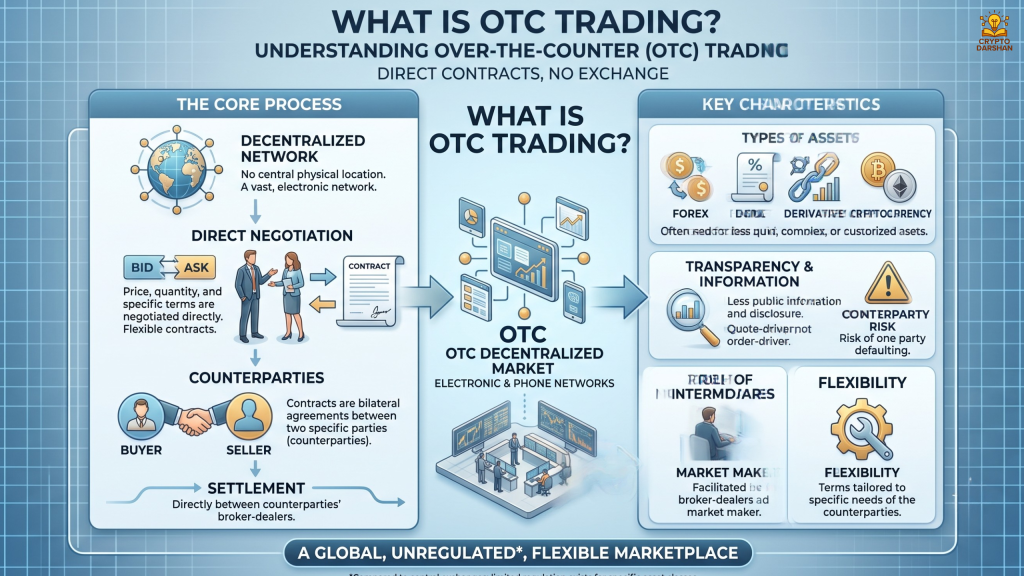
OTC trading happens when two parties trade directly, without using a public exchange. This type of trading is common for large trades that could move the market price if done on an open exchange.
As institutional demand grows, major trading platforms are expanding services to support larger investors. Read our article on Binance.US Comeback to see how exchanges are adding institutional products, derivatives, and deeper liquidity for professional traders.
With institutions now doing 72% of this trading, their choices are shaping how the crypto market behaves. This includes which tokens get attention, how prices move, and how volatile the market is.
A Big Jump in Institutional Interest

According to the firm’s latest market report, institutions accounted for roughly 72% of spot trading volume on its over-the-counter (OTC) desk during the first half of 2026, the highest share on record and a sharp increase from about 61% in the second half of last year.
This means that hedge funds, asset managers, family offices, and digital asset trusts are now the main players in the crypto OTC market.
What This Means for Altcoin Seasons

In the past, “altseasons” were times when many different altcoins saw big price increases at the same time. But Wintermute’s report suggests that future altseasons may be different.
The data shows that institutions are trading a smaller number of tokens compared to retail investors. Between the first half of 2024 and the first half of 2026, the number of unique tokens traded by institutions grew by only 24%. In contrast, retail traders increased the number of tokens they traded by 76%.
This means that while retail investors are spreading their money across many tokens, institutions are focusing on a smaller group of assets they believe are safer or have better fundamentals.
This selective approach is also reflected in regulated investment products. Bitcoin ETF Inflows Rise as Institutions Return explains why institutional investors continue concentrating capital in established digital assets.
How Institutions and Retail Traders Behave Differently
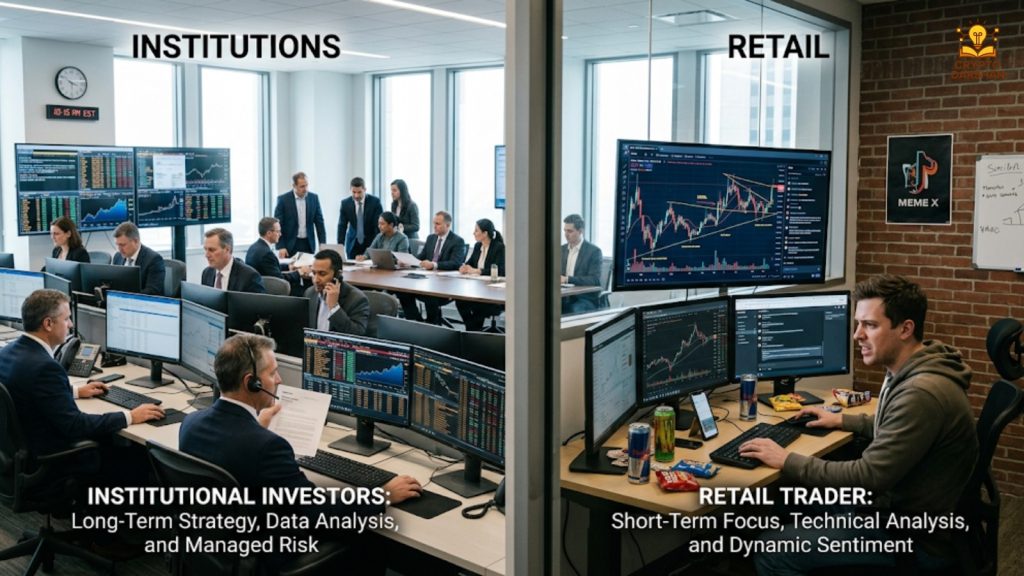
Wintermute also found that institutions and retail traders react differently after a token’s price goes up quickly. Institutional interest tends to drop off after about one day. Retail traders, on the other hand, often stay active for around three days after a price surge.
This shows that institutions are more cautious and strategic, while retail traders are more likely to chase short-term gains.
Tokenized Assets: A Growing Focus for Institutions
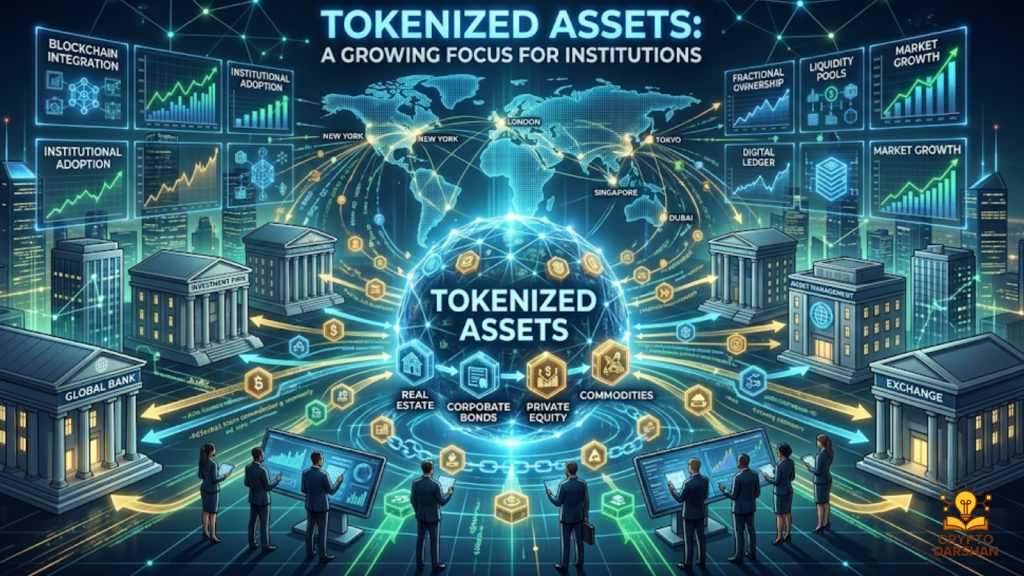
Another area where institutions are making their mark is in tokenized real-world assets. Wintermute reported that the market for tokenized assets grew to $31 billion in the first half of 2026, up about 50% from the previous period.
Institutions are mainly interested in tokenized U.S. Treasuries, money market funds, and private credit. This shows that they are using blockchain technology to improve traditional financial products, rather than just speculating on crypto-native tokens.
What This Means for You

If you’re a retail investor or smaller trader, this shift has some important implications:
- Fewer big winners: With more money going into fewer tokens, the next altseason may not lift as many coins as before.
- Focus on quality: Tokens with strong fundamentals and real-world use cases are more likely to attract institutional money.
- Less volatility: As institutions bring more disciplined trading strategies, the market may become less wild and unpredictable.
The Bigger Picture: Crypto Is Maturing

Wintermute’s findings match other data showing that crypto markets are becoming more concentrated. The 10 largest non-stablecoin altcoins now make up about 80.5% of the non-Bitcoin, non-stablecoin market.
This trend is expected to continue as more traditional financial players enter the crypto space through regulated products like ETFs and tokenized assets.
As digital assets become more integrated into mainstream finance, companies are expanding beyond crypto trading. Coinbase Wants to Build Canada’s All-in-One Financial App shows how the next phase of adoption is centered on complete digital financial ecosystems.
Final Thoughts

The rise of institutional investors in crypto is a major turning point. As more traditional finance players get involved, the market is becoming more stable, more selective, and more focused on quality.
For retail investors, this means adapting to a new kind of market. Instead of looking for the next big hype, success may come from finding tokens with real value and long-term potential.
At the same time, the growing presence of institutions brings more legitimacy and stability to crypto, which could help it become a bigger part of the global financial system. Whether you’re a trader, investor, or just curious about crypto, keeping an eye on institutional trends will help you understand where the market is headed.