The cryptocurrency market is one of the most volatile and unpredictable financial arenas in the world. Prices can swing dramatically within minutes, and traders often find themselves caught in sudden reversals that seem to defy logic. These sharp movements are not always the result of natural market forces. In many cases, they are the product of deliberate actions by large players known as market makers. Understanding how market makers manipulate prices and create fakeouts is essential for anyone who wants to trade crypto successfully.
This guide explores the concept of market maker manipulation, how fakeouts occur, and how traders can identify and avoid them. It also provides practical strategies for reading market behavior, managing risk, and developing a disciplined trading mindset. The goal is to help traders recognize manipulation patterns and make informed decisions in a market often dominated by powerful players.
What Is a Market Maker?

A market maker is an entity or individual that provides liquidity to a market by continuously buying and selling assets. In traditional finance, market makers are essential for maintaining smooth trading operations. They profit from the spread between the bid (buy) and ask (sell) prices. In the crypto world, however, the role of market makers can be more complex and sometimes controversial.
Functions of Market Makers
- Providing Liquidity: Market makers ensure that there are always buyers and sellers available, reducing slippage and improving trade execution.
- Stabilizing Prices: By placing large buy and sell orders, they can help prevent extreme volatility.
- Facilitating Exchange Operations: Many exchanges rely on market makers to maintain active order books and attract traders.
The Dark Side of Market Making
While market makers play a legitimate role, some use their influence to manipulate prices. Because they control large amounts of capital and can see order flow data, they can move the market in ways that trap retail traders. This manipulation often takes the form of fakeouts—false breakouts or breakdowns designed to trigger stop-losses and induce emotional trading.
Understanding Market Maker Manipulation

Market maker manipulation refers to deliberate actions taken to deceive traders about the true direction of the market. These actions exploit human psychology, technical analysis patterns, and liquidity zones to create false signals.
Common Manipulation Tactics
- Stop-Hunting: Market makers push prices toward areas where many traders have placed stop-loss orders. Once these stops are triggered, the market reverses, leaving retail traders with losses.
- Fake Breakouts (Fakeouts): Prices appear to break through key support or resistance levels, convincing traders to enter positions. The move quickly reverses, trapping those who entered late.
- Liquidity Grabs: Market makers move prices to collect liquidity from both sides of the market before driving the price in the intended direction.
- Spoofing: Large fake orders are placed to create the illusion of buying or selling pressure, influencing trader sentiment.
- Wash Trading: Market makers trade with themselves to create artificial volume and attract attention to a particular asset.
What Is a Fakeout?

A fakeout occurs when a trader anticipates a transaction signal or price movement that does not materialize, resulting in a move in the opposite direction. Fakeouts are designed to mislead traders into entering positions based on false signals.
Types of Fakeouts
- Bullish Fakeout: The price breaks above resistance, attracting buyers, then reverses sharply downward.
- Bearish Fakeout: The price breaks below support, triggering sell orders, then rebounds upward.
- Range Fakeout: The price moves outside a consolidation range briefly before returning inside.
- News-Based Fakeout: Sudden price spikes occur after news releases, only to reverse once the initial reaction fades.
Why Fakeouts Happen
Fakeouts occur because of liquidity. Market makers need liquidity to fill large orders. Retail traders provide that liquidity through stop-losses and breakout entries. By triggering these orders, market makers can accumulate or distribute positions at favorable prices.
How Market Makers Create Fakeouts

Market makers use a combination of order book manipulation, psychological tactics, and technical setups to create fakeouts. Understanding these methods helps traders recognize when a move might be deceptive.
Step 1: Identifying Liquidity Zones
Market makers analyze where retail traders are likely to place stop-losses or pending orders. These zones often form around:
- Previous highs and lows
- Support and resistance levels
- Trendlines and channels
- Round numbers (e.g., $20,000 for Bitcoin)
Step 2: Inducing Breakouts
Once liquidity zones are identified, market makers push the price toward these areas. This can be done by placing large market orders or spoofing the order book to create the illusion of momentum.
Step 3: Triggering Stops
As the price reaches the liquidity zone, stop-losses and breakout orders are triggered. This creates a surge in volume, allowing market makers to fill their own positions at optimal prices.
Step 4: Reversal and Profit
After collecting liquidity, market makers reverse the price direction. Retail traders who entered during the fakeout are trapped, while market makers profit from the reversal.
Spotting Fakeouts in Real Time

Spotting fakeouts in real time is one of the most valuable skills a crypto trader can develop. A fakeout happens when the price appears to break a key level—like support, resistance, or a trendline—but quickly reverses direction. Market makers often use fakeouts to trap traders and collect liquidity. Recognizing these traps as they form can help avoid losses and even turn manipulation into opportunity.
1. Watch for Volume Confirmation
A genuine breakout is usually supported by strong trading volume. When the price breaks a key level but the volume remains low, it often signals a lack of conviction among traders. This is a red flag that the move might be a fakeout.
The Wyckoff Method breaks down how large players manipulate price cycles, making it easier to identify fakeouts
Key Points:
- Low volume = weak breakout confirmation.
- High volume = stronger likelihood of a real move.
- Compare current volume with the average of previous candles.
Example:
If Bitcoin breaks above a resistance level but the volume is lower than the previous few candles, it may be a trap set by market makers to lure buyers before reversing.
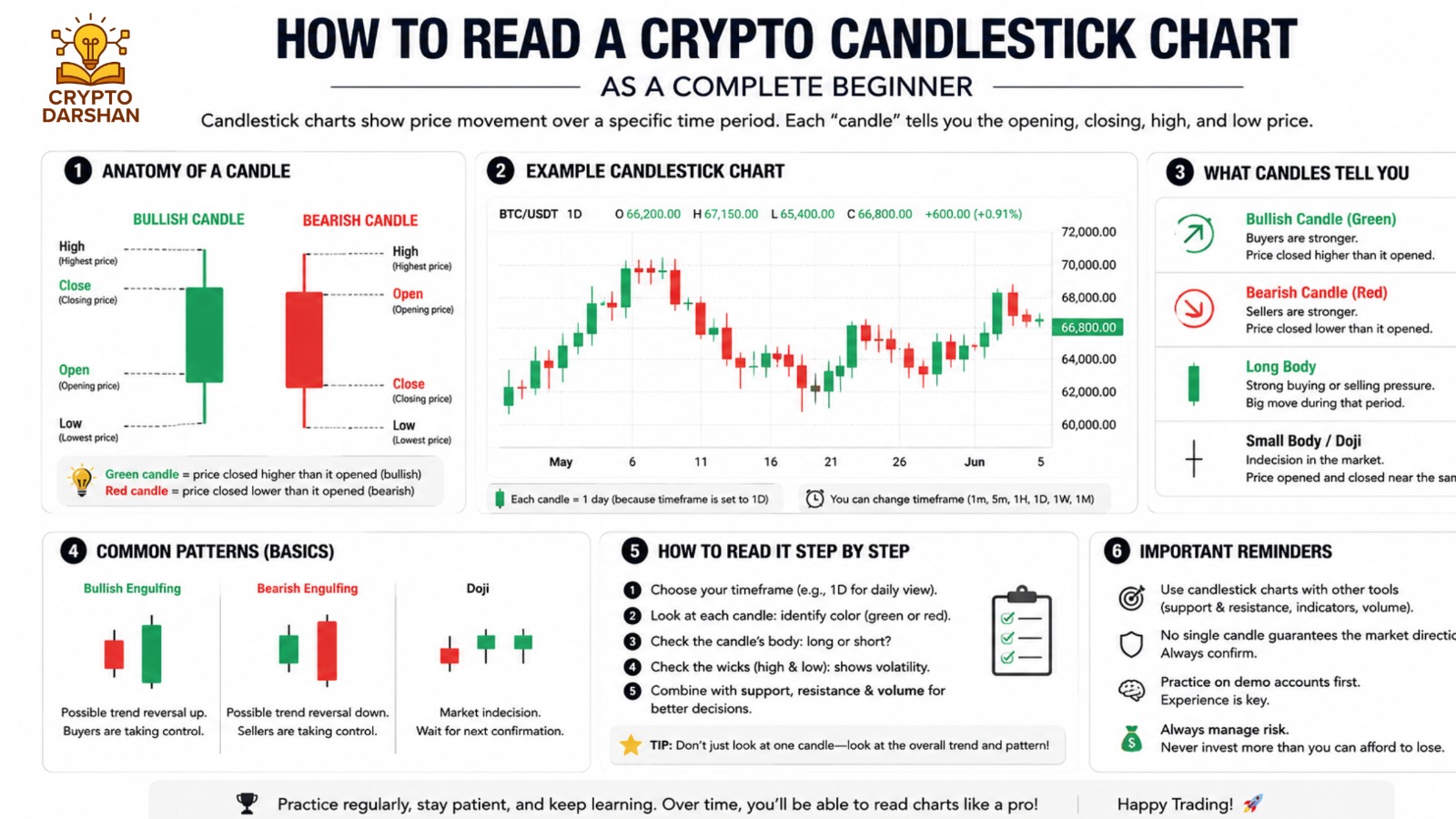
2. Analyze Candle Patterns
Candlestick formations provide visual clues about market sentiment. Certain patterns often appear during fakeouts and can help identify them early.
Key Patterns to Watch:
- Long Wicks: Indicate rejection of higher or lower prices.
- Engulfing Candles: Suggest a reversal after a false breakout.
- Doji Candles: Show indecision, often appearing before a reversal.
Explanation:
If a breakout candle has a long wick and closes back inside the previous range, it signals that buyers or sellers failed to maintain control. This is a strong sign of a fakeout.
3. Observe Market Structure

Market structure refers to how price forms highs, lows, and trends. Fakeouts often occur near key structural points where traders expect breakouts.
Key Points:
- Fakeouts often appear at double tops or bottoms.
- Breakouts that fail to create a new higher high or lower low are suspicious.
- A quick return inside a range after a breakout is a warning sign.
Example:
If Ethereum breaks above a resistance level but fails to hold above it for more than one or two candles, it’s likely a fakeout designed to trap breakout traders.
4. Use Multiple Timeframes
Fakeouts on lower timeframes may not appear on higher ones. Checking multiple timeframes helps confirm whether a breakout is genuine or temporary.
Key Points:
- Confirm breakouts on higher timeframes (1-hour, 4-hour, daily).
- Avoid trading based solely on short-term charts.
- Look for alignment between timeframes before entering a trade.
Explanation:
A breakout on a 5-minute chart might look convincing, but if the 1-hour chart shows strong resistance, the move could be short-lived.
5. Monitor Order Book and Market Depth
The order book shows real-time buy and sell orders. Market makers often use spoofing—placing large fake orders—to create the illusion of buying or selling pressure.
Key Points:
- Watch for large orders that appear and disappear quickly.
- Sudden shifts in liquidity can signal manipulation.
- Consistent order flow in one direction supports genuine moves.
Explanation:
If large buy orders vanish right after a breakout, it may indicate that the move was engineered to trigger retail entries before reversing.
6. Pay Attention to Retests
A true breakout often retests the broken level before continuing in the same direction. Fakeouts, on the other hand, fail to hold above or below the breakout zone.
Key Points:
- Wait for a retest of the breakout level.
- Confirm with bullish or bearish rejection candles.
- Avoid entering immediately after the breakout candle.
Example:
If Bitcoin breaks above resistance and then retests that level with a strong bullish candle, it confirms the breakout. If it fails and drops back below, it’s likely a fakeout.
7. Check for Divergences

Divergences between price and indicators like RSI or MACD can reveal weakening momentum behind a breakout.
Key Points:
- Bearish Divergence: Price makes higher highs, but RSI makes lower highs → possible fake bullish breakout.
- Bullish Divergence: Price makes lower lows, but RSI makes higher lows → possible fake bearish breakout.
Explanation:
When momentum indicators disagree with price action, it suggests that the breakout lacks strength and may reverse soon.
8. Observe Market Sentiment
Extreme optimism or fear often precedes fakeouts. Market makers exploit emotional reactions to trap traders.
Key Points:
- Overly bullish sentiment near resistance can lead to fake breakouts.
- Panic selling near support can trigger fake breakdowns.
- Monitor social media, funding rates, and news headlines for sentiment clues.
Example:
If funding rates are extremely positive and everyone expects a rally, market makers may push prices slightly higher to trigger long entries before reversing.
9. Use Liquidity Zones
Liquidity zones are areas where many stop-loss and pending orders are placed. Market makers target these zones to collect liquidity.
Key Points:
- Identify liquidity above resistance and below support.
- Expect fakeouts near these zones.
- Combine liquidity analysis with volume and structure for confirmation.
Explanation:
If a breakout occurs right into a known liquidity zone and quickly reverses, it’s likely a fakeout designed to trigger stops.
10. Stay Patient and Wait for Confirmation
Patience is the most effective defense against fakeouts. Waiting for confirmation reduces the risk of entering on false signals.
Key Points:
- Avoid impulsive entries during volatile moves.
- Wait for candle closes and retests.
- Confirm with multiple indicators before committing capital.
Explanation:
Market makers rely on impatient traders who jump in too early. Waiting for confirmation allows the market to reveal its true direction.
The Psychology Behind Fakeouts

Market maker manipulation exploits trader psychology. Understanding these emotional triggers can help avoid falling into traps.
Fear of Missing Out (FOMO)
When prices break out, traders rush to enter positions, fearing they will miss the move(fomo). Market makers use this emotion to lure traders into fake breakouts.
Panic Selling
During bearish fakeouts, traders panic and sell when support breaks. Market makers buy from these sellers at discounted prices.
Overconfidence
Traders who rely too heavily on technical indicators may ignore warning signs. Market makers exploit this by creating setups that mimic textbook patterns.
Herd Mentality
When many traders react the same way to a price move, market makers can easily predict behavior and manipulate accordingly.
Tools and Indicators to Detect Fakeouts

While no tool can guarantee accuracy, certain indicators can help identify potential fakeouts.
1. Volume Profile
Volume profile shows where trading activity is concentrated. Fakeouts often occur in low-volume areas, while genuine breakouts sustain high volume.
2. Relative Strength Index (RSI)
RSI divergence can signal a potential fakeout. For example, if the price makes a new high but RSI does not, the breakout may lack strength.
Before trusting any breakout, check for momentum shifts, our guide onRSI Divergence Trading explains how to spot early reversals.
3. Moving Averages
Crossovers can confirm or reject breakout validity. If the price breaks a level but moving averages remain flat, the move may be false.
4. Bollinger Bands
When the price breaks outside the bands but quickly returns inside, it often indicates a fakeout.
5. Wyckoff Method
The Wyckoff method focuses on accumulation and distribution phases. Fakeouts often occur during the “spring” phase, where the price dips below support before reversing upward.
Case Studies: Real Examples of Fakeouts in Crypto

Bitcoin’s 2021 Bull Run
During Bitcoin’s surge to $64,000, several fakeouts occurred around key resistance levels. Market makers pushed prices above previous highs to trigger breakout buys, then reversed the market to collect liquidity.
Ethereum’s 2022 Consolidation
Ethereum experienced multiple fakeouts between $1,000 and $1,400. Each breakout attempt was followed by sharp reversals, trapping traders who entered late.
Altcoin Manipulation
Smaller-cap coins are more vulnerable to manipulation due to lower liquidity. Market makers can easily move prices with relatively small capital, creating frequent fakeouts.
Strategies to Avoid Fakeouts

Avoiding fakeouts requires patience, discipline, and confirmation-based trading.
1. Wait for Confirmation
Do not enter a trade immediately after a breakout. Wait for a retest of the broken level and confirmation through volume or candle patterns.
2. Use Stop-Loss Placement Wisely
Avoid placing stop-losses at obvious levels. Market makers target these zones. Instead, place stops beyond key liquidity areas.
3. Trade with the Trend
Fakeouts are more common against the prevailing trend. Align trades with the dominant direction to reduce risk.
4. Manage Position Size
Use smaller positions when trading near key levels. This limits losses if a fakeout occurs.
5. Combine Technical and Sentiment Analysis
Monitor social media sentiment and funding rates. Extreme optimism or fear often precedes fakeouts.
Advanced Techniques for Spotting Manipulation

1. Liquidity Heatmaps
Heatmaps visualize liquidity zones on exchanges. Sudden shifts in liquidity can signal that market makers are preparing to trap traders.
2. On-Chain Data
Large wallet movements or exchange inflows can indicate that big players are preparing for manipulation.
3. Funding Rate Analysis
In perpetual futures markets, high funding rates suggest that too many traders are on one side. Market makers often trigger fakeouts to liquidate these positions.
4. Delta Volume Analysis
Delta volume measures the difference between buying and selling pressure. Divergences between price and delta volume can reveal hidden manipulation.
Risk Management in a Manipulated Market

Even with the best analysis, fakeouts are inevitable. Effective risk management ensures survival in the long run.
Key Principles
- Never risk more than 1–2% per trade.
- Use trailing stops to lock in profits during volatile moves.
- Diversify across assets to reduce exposure to manipulation in one market.
- Keep emotions in check by following a predefined trading plan.
- Review trades regularly to identify patterns of mistakes.
Building a Mindset to Outsmart Market Makers

Success in crypto trading depends as much on psychology as on strategy. Developing the right mindset helps resist manipulation.
Patience
Wait for clear setups and confirmations. Market makers rely on impulsive traders.
Discipline
Stick to the trading plan. Avoid revenge trading after losses.
Adaptability
Markets evolve. Continuously refine strategies based on new data.
Emotional Control
Recognize emotional triggers like greed and fear. Use journaling to track emotional responses.
The Role of Education and Community

Learning from experienced traders and participating in trading communities can accelerate understanding of market manipulation. Sharing insights and analyzing charts collectively helps identify fakeouts more effectively.
Recommended Learning Areas
- Technical analysis fundamentals
- Market structure and liquidity theory
- Behavioral finance
- Risk management principles
- On-chain analytics
FAQ: Market Maker Manipulation in Crypto

1. What is market maker manipulation in crypto?
Market maker manipulation refers to tactics used by large players (often called “smart money”) to influence price movements. They create fake breakouts, sudden spikes, or dips to trigger retail traders’ emotions and liquidity before moving the market in the real direction.
2. What is a fakeout in crypto trading?
A fakeout happens when price appears to break a key level (support or resistance) but quickly reverses. It traps traders who enter too early, causing losses before the actual move begins.
3. Why do fakeouts happen so often in crypto?
Crypto markets are less regulated and highly liquid. This makes it easier for large players to:
- Trigger stop-loss orders
- Grab liquidity
- Exploit retail trader behavior
4. How do market makers create fakeouts?
They typically:
- Push price above resistance or below support
- Trigger breakout traders
- Reverse price sharply to take liquidity
- Then move price in the intended direction
5. What are common signs of a fake breakout?
Watch for:
- Low volume during breakout
- Long wicks (price rejection)
- Immediate reversal after breakout
- No strong follow-through
6. How can I avoid getting trapped in fakeouts?
You can reduce risk by:
- Waiting for candle close confirmation
- Using multiple indicators (volume, RSI, structure)
- Avoiding emotional trading
- Setting proper stop-loss levels
7. Are fakeouts always manipulation?
Not always. Sometimes they occur naturally due to market volatility, news events, or sudden changes in supply and demand.
8. What role does liquidity play in manipulation?
Liquidity is key. Market makers target areas where many stop-losses or pending orders exist. These zones act like “fuel” for price movement.
Conclusion
Market maker manipulation and fakeouts are integral parts of the crypto trading landscape. While they can be frustrating, they also present opportunities for those who understand how they work. By studying liquidity zones, analyzing volume, and maintaining emotional discipline, traders can avoid common traps and align themselves with the true direction of the market.
Recognizing fakeouts is not about predicting every move but about improving probability and protecting capital. The more a trader understands the motives and tactics of market makers, the better equipped they become to navigate the volatile world of cryptocurrency trading.