
The rise of digital assets has transformed how institutions manage, store, and invest in cryptocurrencies. As the market matures, custodial wallets have become a cornerstone of institutional crypto strategies. These wallets provide secure, compliant, and scalable solutions for managing large volumes of digital assets. Among the major players shaping this landscape, BlackRock stands out with its strategic approach to integrating custodial wallets into its broader crypto playbook.
This comprehensive guide explores how custodial wallets are redefining institutional crypto management, the role of BlackRock in this evolution, and what the future holds for institutional investors entering the digital asset space. The discussion covers security, compliance, technology, and market trends, offering a complete understanding of how custodial wallets empower institutions to participate confidently in the crypto economy.
Understanding Custodial Wallets

What Are Custodial Wallets?
A custodial crypto wallet is one where your assets are held in custody for you. This means a third party will hold and manage your private keys on your behalf. In other words, you won’t have full control over your funds, nor the ability to sign transactions. But using a custodial crypto wallet service isn’t necessarily a bad thing. In contrast to non-custodial wallets, where users maintain full control of their private keys, they delegate this responsibility to a trusted custodian. This model is particularly appealing to institutions that prioritize security, compliance, and operational efficiency.
In essence, custodial wallets function similarly to traditional bank accounts for cryptocurrencies. The custodian ensures that assets are safely stored, transactions are verified, and regulatory requirements are met. Institutions benefit from professional-grade infrastructure, insurance coverage, and advanced security protocols that reduce the risks associated with self-custody.
Why Institutions Prefer Custodial Wallets
Institutions such as hedge funds, asset managers, and corporations require robust systems to manage digital assets. Custodial wallets offer several advantages that align with institutional needs:
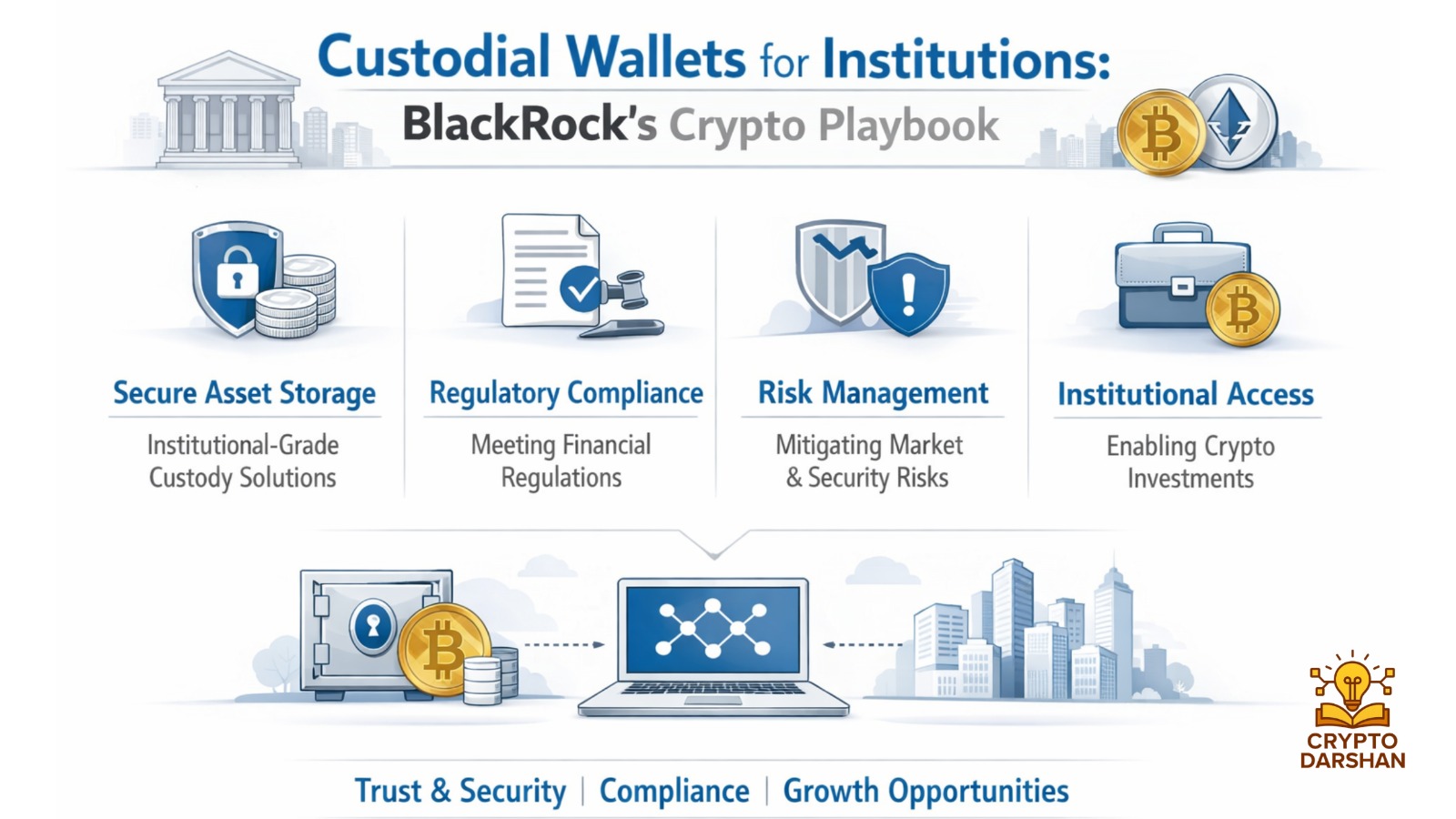
- Security and Risk Management – Custodians employ multi-layered security measures, including cold storage, multi-signature authentication, and encryption.
- Regulatory Compliance – Custodial services adhere to financial regulations, ensuring compliance with anti-money laundering (AML) and know-your-customer (KYC) standards.
- Operational Efficiency – Institutions can delegate wallet management to professionals, allowing them to focus on investment strategies rather than technical maintenance.
- Insurance Coverage – Many custodians provide insurance against theft or loss, offering additional peace of mind.
- Integration with Financial Systems – Custodial wallets can integrate with trading platforms, accounting systems, and reporting tools, streamlining institutional operations.
The Institutional Shift Toward Digital Assets

The Growing Institutional Interest
Over the past few years, institutional interest in cryptocurrencies has surged. Factors such as inflation hedging, portfolio diversification, and technological innovation have driven this trend. Major financial institutions, including BlackRock, Fidelity, and JPMorgan, have entered the crypto space, signaling mainstream acceptance.
Institutions require infrastructure that meets their standards for security, compliance, and scalability. Custodial wallets fulfill these requirements, making them the preferred choice for institutional investors. As digital assets evolve from speculative instruments to legitimate investment vehicles, they play a critical role in bridging traditional finance and blockchain technology.
The Role of Regulation
Regulatory clarity has been a key driver of institutional adoption. Governments and financial authorities worldwide are developing frameworks to govern digital asset custody. These regulations ensure that custodial wallets operate transparently and securely, protecting investors and maintaining market integrity.
For institutions, compliance is non-negotiable that meet regulatory standards provide a safe entry point into the crypto market. They enable institutions to engage in digital asset trading, staking, and lending while adhering to legal requirements.
BlackRock’s Entry into the Crypto Market

BlackRock’s Strategic Vision
BlackRock, the world’s largest asset manager, has taken a measured yet impactful approach to digital assets. Its entry into the crypto market reflects a broader institutional shift toward blockchain-based investments. BlackRock’s strategy emphasizes risk management, regulatory compliance, and technological innovation principles that align perfectly with the use of custodial wallets.
By leveraging wallets, BlackRock ensures that its clients’ digital assets are stored securely and managed efficiently. The company’s partnerships with leading custodians and blockchain infrastructure providers demonstrate its commitment to building a sustainable and compliant crypto ecosystem.
Partnerships and Collaborations
BlackRock has collaborated with several key players in the crypto industry to strengthen its digital asset infrastructure. Partnerships with firms like Coinbase and Circle have enabled BlackRock to integrate wallets into its investment operations. These collaborations allow institutional clients to access crypto markets through trusted custodial solutions.
For example, BlackRock’s partnership with Coinbase provides institutional investors with access to custodial wallets that meet the highest security and compliance standards. This integration allows clients to trade, store, and manage digital assets seamlessly within a regulated framework.
BlackRock’s Bitcoin ETF and Custodial Wallets
One of BlackRock’s most significant moves in the crypto space is the launch of its Bitcoin ETF. This product allows investors to gain exposure to Bitcoin without directly holding the asset. Behind the scenes, custodial wallets play a crucial role in managing the underlying Bitcoin reserves.
The ETF’s success depends on secure and transparent custody solutions. By using custodial wallets, BlackRock ensures that the Bitcoin backing the ETF is safely stored, audited, and accessible for redemption. This approach enhances investor confidence and sets a new standard for institutional crypto products.
The Technology Behind Custodial Wallets

Security Architecture
The security of custodial wallets is built on advanced cryptographic techniques and multi-layered protection systems. Key components include:
- Cold Storage – Most assets are stored offline, minimizing exposure to cyber threats.
- Multi-Signature Authentication – Transactions require multiple approvals, reducing the risk of unauthorized access.
- Hardware Security Modules (HSMs) – These devices securely generate and store private keys.
- Encryption and Access Controls – Data is encrypted, and access is restricted to authorized personnel only.
These measures ensure that custodial wallets maintain the highest level of security, meeting institutional-grade standards.
Scalability and Integration
Institutions often manage large portfolios across multiple asset classes. Custodial wallets are designed to scale with these demands. They support various cryptocurrencies, tokens, and blockchain networks, allowing institutions to diversify their holdings efficiently.
Integration capabilities are another key feature. Custodial wallets can connect with trading platforms, portfolio management systems, and compliance tools. This interoperability streamlines operations and enhances transparency across the investment lifecycle.
Compliance and Auditing
Regulatory compliance is central to institutional crypto management. Custodial wallets incorporate built-in compliance features such as transaction monitoring, AML screening, and audit trails. These tools help institutions meet reporting requirements and maintain transparency with regulators.
Regular third-party audits further validate the integrity of custodial wallets. Independent assessments ensure that custodians adhere to best practices and maintain adequate reserves to back client assets.
Benefits of Custodial Wallets for Institutions

Enhanced Security
Security is the top priority for institutions managing digital assets. Custodial wallets provide enterprise-grade protection through advanced encryption, cold storage, and multi-signature protocols. These features minimize the risk of hacks, theft, and human error.
Regulatory Assurance
Institutions operate in highly regulated environments. Custodial wallets that comply with financial regulations offer a secure and legally sound way to engage with digital assets. This compliance ensures that institutions can participate in the crypto market without regulatory uncertainty.
Operational Efficiency
Managing private keys and blockchain transactions can be complex. Custodial wallets simplify these processes by outsourcing technical management to professional custodians. This allows institutions to focus on investment strategies and portfolio performance.
Insurance and Risk Mitigation
Many custodial providers offer insurance coverage for digital assets. This protection adds an extra layer of security, safeguarding institutions against potential losses due to theft or system failures.
Institutional-Grade Infrastructure
Custodial wallets are built to handle large-scale operations. They support high transaction volumes, multiple asset types, and integration with financial systems. This infrastructure ensures reliability and performance at an institutional level.
BlackRock’s Custodial Wallet Strategy

Building a Secure Foundation
BlackRock’s approach to digital asset custody emphasizes security and compliance. By partnering with regulated custodians, the company ensures that its clients’ assets are protected under strict oversight. Custodial wallets form the backbone of this strategy, providing a secure foundation for all crypto-related activities.
Integrating Custodial Wallets into Investment Products
BlackRock integrates custodial wallets into its investment products, including ETFs, mutual funds, and private portfolios. This integration allows investors to gain exposure to digital assets while benefiting from institutional-grade custody solutions.
Leveraging Blockchain Transparency
Blockchain technology offers unparalleled transparency. Custodial wallets enable BlackRock to track and verify transactions in real time, ensuring accountability and trust. This transparency aligns with BlackRock’s commitment to responsible investing and risk management.
Expanding Institutional Access
Through its custodial partnerships, BlackRock is expanding institutional access to digital assets. Custodial wallets make it possible for pension funds, endowments, and corporations to invest in cryptocurrencies safely and efficiently. This democratization of access is driving broader adoption across the financial sector.
The Future of Custodial Wallets in Institutional Finance

Evolving Regulatory Landscape
As digital assets gain mainstream acceptance, regulators are refining their frameworks for custody and asset management. Future regulations will likely emphasize transparency, capital requirements, and consumer protection that adapt to these changes will remain essential for institutional investors.
Technological Innovation
Emerging technologies such as decentralized finance (DeFi), tokenization, and blockchain interoperability are reshaping the financial landscape. Custodial wallets will evolve to support these innovations, offering new features like smart contract integration and cross-chain asset management.
Institutional Adoption and Market Growth
The institutional adoption of custodial wallets is expected to accelerate as more organizations recognize their benefits. Market analysts predict that the global digital asset custody market will grow exponentially over the next decade, driven by institutional demand and technological advancements.
The Role of Artificial Intelligence and Automation
AI and automation are enhancing the efficiency of custodial wallets. Automated compliance checks, predictive risk analysis, and intelligent transaction monitoring are becoming standard features. These innovations improve security and streamline operations for institutional clients.
Challenges and Considerations

Security Risks
Despite their advanced security measures, custodial wallets are not immune to risks. Cyberattacks, insider threats, and system vulnerabilities remain potential challenges. Continuous monitoring and regular audits are essential to mitigate these risks.
Regulatory Uncertainty
While regulatory clarity is improving, differences between jurisdictions can create complexity for global institutions. Custodial wallets must navigate varying legal requirements to ensure compliance across multiple markets.
Dependence on Third Parties
By design, wallets rely on third-party providers. Institutions must carefully evaluate custodians’ reputations, financial stability, and security practices before entrusting them with assets.
Cost Considerations
Professional custody services come with fees for storage, insurance, and transaction management. Institutions must weigh these costs against the benefits of security and compliance.
Case Study: BlackRock’s Institutional Crypto Framework

Overview
BlackRock’s institutional crypto framework demonstrates how custodial wallets can be integrated into traditional asset management. The company’s approach combines regulatory compliance, technological innovation, and strategic partnerships.
Implementation
- Custodial Partnerships – BlackRock collaborates with regulated custodians to manage digital assets securely.
- Product Integration – Custodial wallets are embedded into ETFs and investment funds.
- Risk Management – Advanced monitoring tools ensure asset safety and regulatory compliance.
- Client Access – Institutional clients gain exposure to digital assets through secure, compliant channels.
Outcomes
BlackRock’s use of custodial wallets has enhanced investor confidence, improved operational efficiency, and positioned the company as a leader in institutional crypto adoption. Its model serves as a blueprint for other financial institutions entering the digital asset space.
Comparing Custodial and Non-Custodial Wallets
| Feature | Custodial Wallets | Non-Custodial Wallets |
| Control of Private Keys | Held by custodian | Held by user |
| Security Management | Managed by professionals | User-managed |
| Regulatory Compliance | High | Varies |
| Ease of Use | User-friendly | Requires technical knowledge |
| Insurance Coverage | Often included | Rare |
| Institutional Suitability | Ideal for institutions | Better for individuals |
This comparison highlights why custodial wallets are the preferred choice for institutions seeking secure and compliant digital asset management.
The Broader Impact on Financial Markets

Bridging Traditional and Digital Finance
Custodial wallets serve as a bridge between traditional finance and the emerging digital economy. They enable institutions to integrate cryptocurrencies into existing financial systems, fostering greater interoperability and innovation.
Enhancing Market Liquidity
Institutional participation, facilitated by custodial wallets, increases market liquidity and stability. As more institutions adopt secure custody solutions, the crypto market becomes more resilient and efficient.
Driving Innovation in Asset Management
The adoption of custodial wallets encourages innovation in asset management. Institutions can explore new investment products, such as tokenized securities and blockchain-based funds, expanding the range of opportunities available to investors.
The Road Ahead for BlackRock and Institutional Custody

Expanding Digital Asset Offerings
BlackRock is expected to expand its digital asset offerings beyond Bitcoin and Ethereum. Custodial wallets will play a central role in supporting these new products, ensuring secure and compliant asset management.
Global Expansion
As regulatory frameworks mature globally, BlackRock may extend its custodial partnerships to new markets. This expansion will enable more institutions to access digital assets through trusted wallets.
Integration with Emerging Technologies
Future developments may include integration with decentralized finance platforms, tokenized real-world assets, and blockchain-based settlement systems. Custodial crypto wallets will evolve to support these innovations, maintaining their relevance in a rapidly changing financial landscape.
Enhanced Regulatory Collaboration
BlackRock will continue working closely with regulators to ensure its custodial wallet solutions meet evolving compliance standards, reinforcing investor trust and institutional credibility.
Institutional Adoption and Infrastructure Development
By investing in advanced custody infrastructure, BlackRock aims to lead the institutional shift toward digital assets, positioning custodial crypto wallets as the foundation of secure, large-scale crypto management.
FAQ

1. What is a custodial crypto wallet?
A custodial crypto wallet is a wallet where a third-party institution holds and manages the private keys on behalf of the user. This setup simplifies asset management, security, and compliance for institutions that prefer not to manage keys themselves.
2. Why do institutions prefer custodial wallets?
Institutions often prefer custodial wallets because they offer professional security, regulatory compliance, insurance coverage, and operational support. These features reduce the risks associated with managing large crypto holdings internally.
3. How is BlackRock involved in crypto custody?
BlackRock has entered the crypto market through institutional investment products and partnerships with regulated custodians. These arrangements help institutions gain exposure to digital assets while maintaining secure custody infrastructure.
4. What role does Coinbase play in institutional custody?
Coinbase provides institutional-grade custody services through Coinbase Custody. Many institutional investors rely on this platform to store digital assets securely while complying with regulatory standards.
Major custodians such as Coinbase have built specialized services to help financial institutions securely store digital assets.
5. Are custodial wallets safer than self-custody?
Custodial wallets can offer strong security because they use cold storage, multi-signature wallets, and strict internal controls. However, users must trust the custodian since the institution controls the private keys.
6. What cryptocurrencies do institutional custodians usually support?
Most institutional custodians support major assets such as Bitcoin and Ethereum, along with selected stablecoins and high-liquidity tokens.
7. How do custodial wallets support institutional crypto ETFs?
Custodians store and manage the underlying assets that back institutional investment products such as the iShares Bitcoin Trust. They ensure secure storage, auditing, and regulatory reporting.
Conclusion
Custodial wallets have become indispensable tools for institutions entering the digital asset market. They provide the security, compliance, and scalability required to manage large portfolios of cryptocurrencies. BlackRock’s strategic use of custodial wallets exemplifies how traditional financial institutions can embrace digital innovation while maintaining trust and regulatory integrity.
As the crypto ecosystem continues to evolve, it will remain at the heart of institutional adoption. They bridge the gap between traditional finance and blockchain technology, enabling a new era of secure, transparent, and efficient asset management. BlackRock’s crypto playbook demonstrates that with the right infrastructure and partnerships, institutions can confidently navigate the digital frontier and unlock the full potential of blockchain-based finance.