The rise of blockchain technology has transformed how societies think about governance, ownership, and collaboration. As decentralized systems evolve, they increasingly resemble Digital Cities, virtual spaces where individuals interact, exchange value, and build communities governed by transparent rules. These Digital Cities are not bound by geography but by shared protocols, digital identities, and collective goals. They represent a new frontier in human organization, where blockchain networks act as the infrastructure for digital citizenship, public goods, and decentralized governance.
This article explores how blockchain networks function as Digital Cities, examining their citizens, rules, and public goods. It also discusses how these systems redefine trust, participation, and innovation in the digital age.
Understanding Digital Cities

What Are Digital Cities?
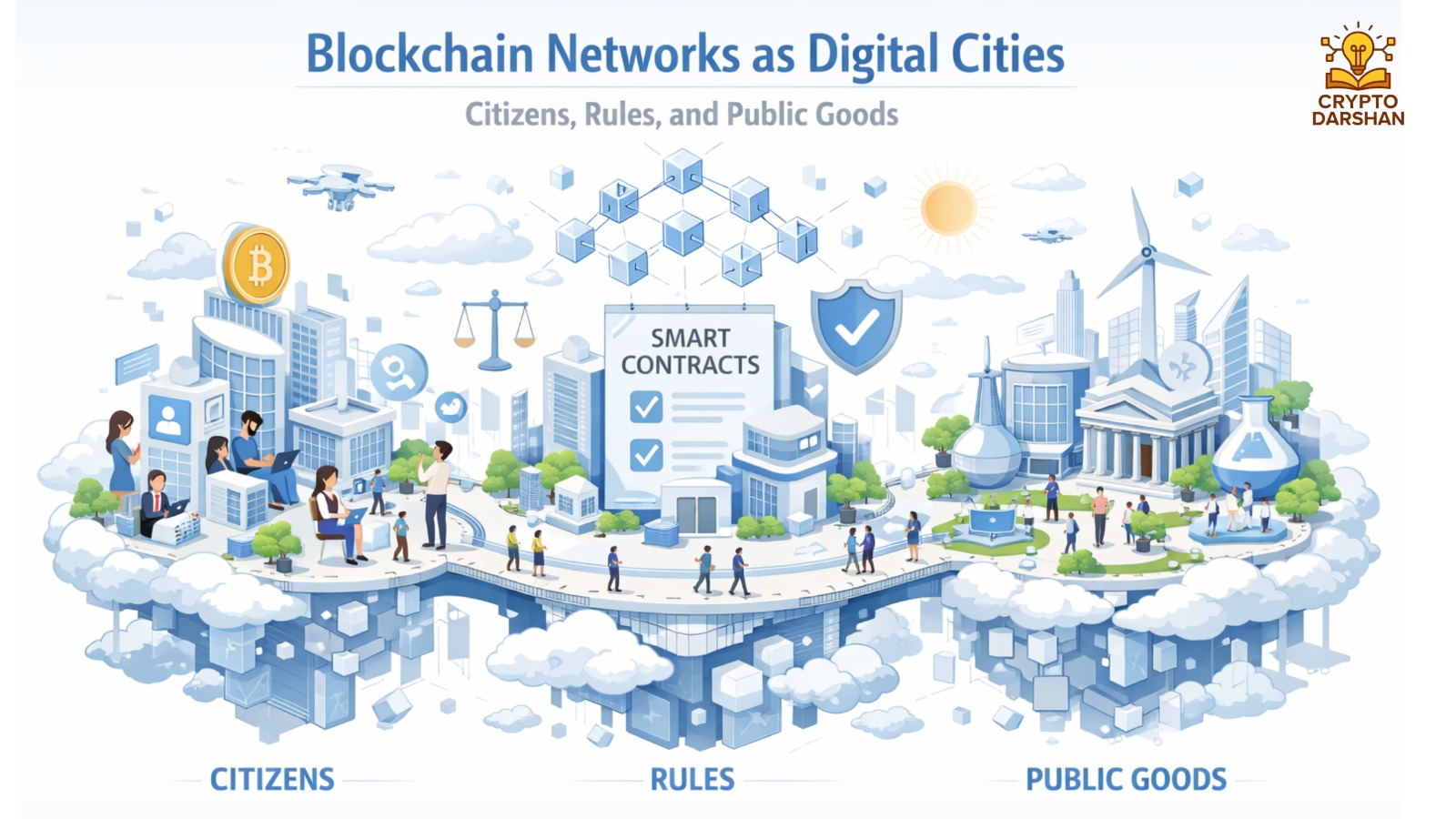
Digital Cities are online ecosystems that mirror the structure and function of physical cities. They have citizens (users), governance systems (protocols and smart contracts), economies (tokens and digital assets), and public goods (open-source tools, infrastructure, and data). Unlike traditional cities, Digital Cities exist entirely on the internet, powered by blockchain technology that ensures transparency, security, and decentralization.
In these Digital Cities, every participant contributes to the ecosystem’s growth. The blockchain acts as the city’s foundation, providing a shared ledger that records every transaction and decision. This transparency builds trust among citizens and allows for collective governance without centralized control.
The Evolution of Digital Cities
The concept of Digital Cities has evolved alongside the internet. Early online communities like forums and social networks laid the groundwork for digital interaction. However, these platforms were controlled by centralized entities that owned user data and dictated the rules. Blockchain technology changed this dynamic by introducing decentralization, enabling communities to self-govern and own their digital assets.
Today, Digital Cities are emerging across various blockchain ecosystems such as Ethereum, Solana, and Polkadot. Each network operates like a city-state with its own culture, economy, and governance model. Citizens of these Digital Cities participate in decision-making, contribute to development, and share in the collective prosperity of the network.
Blockchain as the Infrastructure of Digital Cities

The Blockchain Foundation
At the heart of every Digital City lies a blockchain—a distributed ledger that records transactions and enforces rules through smart contracts. This infrastructure ensures that no single entity controls the system, making it resilient and transparent. Just as physical cities rely on roads, utilities, and communication networks, Digital Cities depend on blockchain protocols to function . Blockchain infrastructure is already being applied beyond finance, with industries like supply chains leveraging it to improve transparency and efficiency.
Each blockchain network provides the essential infrastructure for its Digital City:
- Ethereum serves as a hub for decentralized applications (dApps) and smart contracts.
- Bitcoin acts as a digital reserve currency and a foundation for financial sovereignty.
- Polkadot and Cosmos enable interoperability between multiple Digital Cities, allowing citizens to move and trade across networks.
Governance and Rules
In traditional cities, governance is managed by elected officials and bureaucratic institutions. In Digital Cities, governance is encoded into smart contracts and decentralized autonomous organizations (DAOs). These systems allow citizens to propose, vote on, and implement changes directly, creating a participatory model of governance.
Rules in Digital Cities are transparent and immutable. Once encoded on the blockchain, they cannot be altered without collective agreement. This ensures fairness and accountability, reducing corruption and manipulation. Governance tokens give citizens voting power, aligning incentives between developers, users, and investors.
Digital Citizenship
Digital citizenship is the ability to navigate our digital environments in a way that’s safe and responsible and to actively and respectfully engage in these spaces. Citizenship in Digital Cities is defined by participation rather than location. Anyone with an internet connection can become a citizen by joining a blockchain network. Digital identities, often represented by wallet addresses or decentralized identifiers (DIDs), serve as passports within these ecosystems.
Citizens contribute to their Digital Cities by:
- Staking tokens to secure the network.
- Participating in governance decisions.
- Developing applications or infrastructure.
- Providing liquidity or other services.
This model empowers individuals to take ownership of their digital environments, fostering a sense of belonging and responsibility.
The Economy of Digital Cities

Tokens as Currency
Every Digital City has its own economy powered by tokens. These tokens function as currency, governance tools, and incentives for participation. They enable citizens to exchange value, fund projects, and reward contributions.
For example:
- In Ethereum’s Digital City, Ether (ETH) is used to pay for transactions and smart contract execution.
- In Solana’s ecosystem, SOL tokens power decentralized applications and staking.
- In DAOs, governance tokens allow citizens to vote on proposals and shape the city’s future.
The token economy ensures that value flows directly between participants without intermediaries, creating a more equitable and efficient system.
Public Goods and Shared Resources
Public goods are essential to both physical and Digital Cities. In blockchain ecosystems, public goods include open-source software, decentralized infrastructure, and community-driven initiatives. These resources benefit all citizens and are maintained collectively.
Examples of public goods in Digital Cities:
- Open-source protocols that enable innovation.
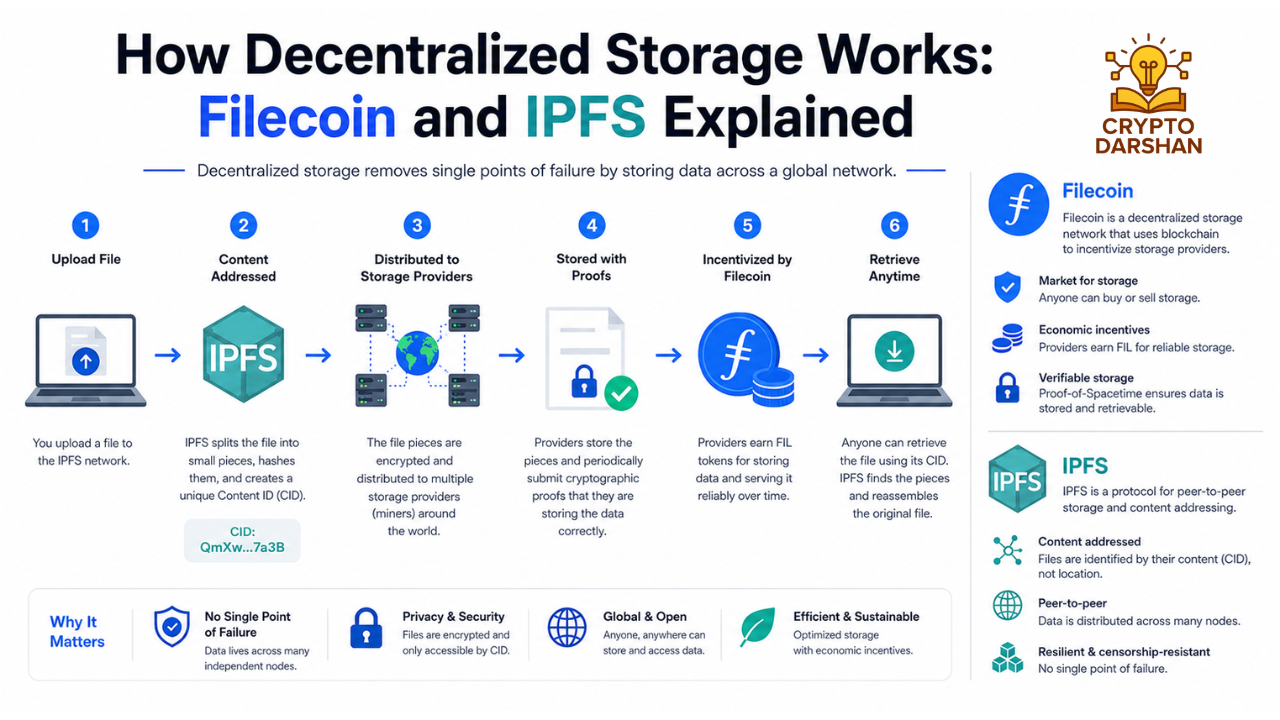
- Decentralized storage systems like IPFS.
- Community grants that fund development and education.
- Security audits that protect the network.
Funding public goods in Digital Cities often relies on mechanisms like quadratic funding, treasury allocations, or community donations. These models ensure that essential resources remain accessible and sustainable.
Decentralized Finance (DeFi) as the Banking System
DeFi represents the financial backbone of Digital Cities. It replaces traditional banks with decentralized platforms that allow lending, borrowing, trading, and saving without intermediaries.
- Function: Citizens can earn interest, take loans, or trade assets directly through smart contracts.
- Benefit: This system promotes financial inclusion, giving everyone equal access to economic opportunities.
Incentive Systems for Participation

The economy of Digital Cities thrives on participation. Citizens are rewarded for contributing to governance, development, or network security.
- Mechanism: Staking, liquidity mining, and governance rewards.
- Outcome: These incentives align individual goals with the collective success of the city, ensuring continuous engagement.
Marketplace and Trade
Every Digital City has marketplaces where citizens exchange goods, services, and digital assets. These markets operate through decentralized exchanges (DEXs) and NFT platforms.
- Function: Facilitates trade without intermediaries.
- Result: A free and open economy that encourages creativity, entrepreneurship, and innovation.
Funding and Treasury Systems
Treasuries act as the financial reserves of Digital Cities, collecting fees or taxes from network activities. These funds are used to support development, security, and public goods.
- Example: DAOs often manage treasuries to fund community projects.
- Purpose: Ensures long-term sustainability and continuous improvement of the city’s infrastructure.
Interconnected Economies
Different Digital Cities can interact and trade with each other through cross-chain bridges and interoperability protocols.
- Effect: Creates a global digital economy where assets and citizens move freely between cities.
- Advantage: Encourages collaboration and diversity across blockchain ecosystems.
Governance Models in Digital Cities

Decentralized Autonomous Organizations (DAOs)
DAOs are the governing bodies of Digital Cities. They operate through smart contracts that automate decision-making and resource allocation. Citizens hold governance tokens that represent voting power, allowing them to influence the city’s direction.
DAOs embody the democratic spirit of Digital Cities, where every voice matters. They eliminate the need for centralized authorities, replacing them with transparent, rule-based systems. Successful DAOs manage everything from protocol upgrades to community grants, ensuring that governance remains decentralized and inclusive.
Consensus Mechanisms
Consensus mechanisms are the rule systems that maintain order in Digital Cities. They determine how transactions are validated and how citizens reach agreement on the state of the network. Common mechanisms include:
- Proof of Work (PoW): Used by Bitcoin, where miners compete to solve cryptographic puzzles.
- Proof of Stake (PoS): Used by Ethereum and others, where validators stake tokens to secure the network.
- Delegated Proof of Stake (DPoS): Used by networks like EOS, where citizens elect delegates to validate transactions.
These mechanisms ensure that Digital Cities remain secure, decentralized, and efficient.
Social Dynamics in Digital Cities

Community and Culture
Every Digital City develops its own culture, shaped by its citizens and governance model. Some prioritize innovation and experimentation, while others focus on stability and security. The culture of a Digital City influences how citizens interact, collaborate, and build trust.
Online communities, forums, and social platforms serve as gathering spaces for citizens to discuss ideas, propose changes, and celebrate achievements. This sense of community strengthens the social fabric of Digital Cities, turning them into vibrant digital societies.
Identity and Reputation
In Digital Cities, identity is decentralized. Citizens use cryptographic wallets or decentralized identifiers to represent themselves. Reputation systems track contributions, trustworthiness, and participation, creating a merit-based society.
Reputation in Digital Cities can influence access to opportunities, governance power, and collaboration. Transparent reputation systems encourage positive behavior and accountability, ensuring that citizens act in the best interest of the community.
Public Goods and Collective Prosperity

The Role of Public Goods
Public goods are the backbone of DigitalCities. They provide the infrastructure, tools, and knowledge that enable citizens to thrive. Unlike private goods, public goods are non-excludable and non-rivalrous—everyone benefits from them without diminishing their value.
Examples include:
- Open-source codebases that power decentralized applications.
- Educational resources that teach blockchain literacy.
- Security frameworks that protect the network.
- Data oracles that connect blockchains to real-world information.
Funding Public Goods
Sustaining public goods in DigitalCities requires innovative funding models. Traditional taxation doesn’t apply, so communities use decentralized mechanisms such as:
- Quadratic funding: Matching community donations based on popularity.
- Treasury systems: Allocating a portion of network fees to public goods.
- Token incentives: Rewarding contributors with governance tokens.
These models ensure that public goods remain well-funded and that citizens have a direct say in how resources are allocated. Public goods in blockchain ecosystems often take the form of decentralized applications and shared infrastructure that anyone can access and build upon.
Open-Source Development as a Public Good
Open-source projects are the lifeblood of Digital Cities. Developers build tools, protocols, and applications that anyone can use or improve.
- Benefit: Encourages innovation and collaboration across the community.
- Impact: When citizens contribute to open-source projects, they strengthen the entire ecosystem, creating a cycle of shared growth and progress.
Collective Ownership and Participation
In Digital Cities, citizens collectively own and manage public goods. Governance tokens allow them to vote on how resources are allocated and which projects receive funding.
- Effect: Promotes transparency, fairness, and accountability.
- Outcome: Citizens feel empowered and responsible for the city’s prosperity, fostering a strong sense of community and shared purpose.
Public Goods as the Path to Collective Prosperity
When public goods are well-funded and accessible, the entire Digital City thrives. They enable innovation, attract new citizens, and create opportunities for everyone.
- Result: A prosperous digital society where growth benefits all participants, not just a few.
- Vision: By investing in public goods, Digital Cities build sustainable ecosystems that balance individual success with collective well-being.
Challenges Facing Digital Cities

Scalability
As Digital Cities grow, scalability becomes a major challenge. High transaction volumes can lead to congestion and increased fees. Layer-2 solutions, sharding, and cross-chain interoperability are being developed to address these issues, ensuring that Digital Cities can accommodate millions of citizens.
Governance Complexity
Decentralized governance can be slow and complex. Reaching consensus among thousands of citizens requires efficient communication and decision-making tools. Some Digital Cities experiment with delegated voting or reputation-weighted systems to streamline governance while maintaining fairness.
Security and Trust
Security is critical in DigitalCities. Smart contract vulnerabilities, hacks, and scams can undermine trust. Continuous audits, bug bounties, and community vigilance are essential to maintaining safety and confidence in the system.
Inclusivity and Accessibility
While Digital Cities promise global participation, barriers such as technical knowledge, internet access, and language differences can limit inclusivity. Efforts to improve education, user experience, and accessibility are vital to ensuring that everyone can become a citizen of these digital societies.
The Future of Digital Cities

Interconnected Digital Nations
The future of Digital Cities lies in interoperability. Just as physical cities trade and collaborate, blockchain networks are beginning to connect through cross-chain bridges and shared protocols. This creates a network of Digital Cities—a digital nation where citizens can move freely, exchange assets, and participate in multiple communities.
AI and Automation in Governance
Artificial intelligence will play a growing role in managing DigitalCities. Automated systems can analyze data, detect fraud, and optimize resource allocation. AI-driven governance could enhance efficiency while maintaining transparency and fairness.
Sustainability and Green Blockchains
As environmental concerns grow, Digital Cities are adopting sustainable practices. Energy-efficient consensus mechanisms like Proof of Stake reduce carbon footprints, while carbon offset initiatives ensure that digital progress aligns with ecological responsibility.
Education and Digital Literacy
For Digital Cities to thrive, citizens must understand how to navigate decentralized systems. Education initiatives, online courses, and community mentorship programs are essential to building informed and empowered digital citizens.
Case Studies of Digital Cities

Ethereum: The Metropolis of Decentralization
Ethereum is often considered the first true Digital City. It hosts thousands of decentralized applications, DAOs, and communities. Its citizens use Ether to transact, vote, and build. Ethereum’s open-source nature and vibrant ecosystem make it a model for other Digital Cities.
Solana: The Fast-Paced Digital City
Solana represents a high-speed Digital City focused on scalability and performance. Its low transaction fees and fast processing attract developers and users seeking efficiency. Solana’s ecosystem includes decentralized finance (DeFi), NFTs, and gaming, creating a dynamic digital economy.
Polkadot: The Interconnected Digital City
Polkadot envisions a network of Digital Cities connected through parachains. Each city maintains its independence while sharing security and interoperability. This model promotes collaboration and diversity across the digital landscape.
Ethical and Philosophical Dimensions

Digital Citizenship and Rights
As Digital Cities grow, questions about digital rights and responsibilities emerge. Citizens must have the right to privacy, ownership, and participation. Ethical frameworks are needed to ensure that Digital Cities remain inclusive, fair, and transparent.
Decentralization and Power
Decentralization redistributes power from institutions to individuals. However, the concentration of wealth or influence among a few token holders can recreate inequality. Digital Cities must design governance systems that prevent centralization and promote equitable participation.
The Meaning of Community
Digital Cities redefine what it means to belong. Citizenship is no longer tied to geography but to shared values and digital collaboration. These communities demonstrate that human connection can thrive in virtual spaces, driven by purpose and innovation.
FAQ: Blockchain Networks as Digital Cities

1. What does it mean to compare blockchain networks to digital cities?
Comparing blockchain networks to digital cities helps simplify complex systems. Just like cities have citizens, governance, infrastructure, and public services, blockchain networks have users, validators, protocols, and shared resources that keep the system functioning.
2. Who are the “citizens” in a blockchain network?
Citizens are the participants of the network—users, developers, validators, and token holders. They interact with the system, contribute to its growth, and follow its rules, similar to how residents engage in a city.
3. What represents “rules” in a blockchain ecosystem?
Rules are the protocols, consensus mechanisms, and smart contracts that govern how the blockchain operates. These rules ensure fairness, security, and transparency—just like laws and regulations in a city.
4. What are “public goods” in blockchain networks?
Public goods include shared resources such as open-source code, infrastructure, liquidity pools, and decentralized applications (dApps). These are accessible to everyone and benefit the entire ecosystem without being owned by a single entity.
5. How is governance handled in blockchain “cities”?
Governance is often decentralized, with decisions made through voting mechanisms involving token holders or community members. This resembles democratic systems where citizens participate in shaping policies.
6. What role do validators or miners play in this analogy?
Validators and miners act like city workers or infrastructure providers. They maintain the network, validate transactions, and ensure everything runs smoothly, similar to how public service workers keep a city functioning.
7. How do blockchain networks fund their public goods?
Funding can come from transaction fees, token issuance, treasury systems, or grants. Some networks allocate a portion of fees to support development and ecosystem growth, much like taxes fund public services in cities.
Conclusion
Blockchain networks are more than technological innovations—they are the foundations of Digital Cities that redefine governance, economy, and community. In these cities, citizens are empowered, rules are transparent, and public goods are collectively maintained. As Digital Cities continue to evolve, they will shape the future of human organization, creating a world where digital citizenship is as meaningful as physical belonging.
The vision of Digital Cities is one of inclusivity, collaboration, and shared prosperity. By embracing blockchain technology, humanity is building a new kind of civilization—one that transcends borders, empowers individuals, and reimagines what it means to live, work, and thrive together in the digital age.