The world of decentralized applications (dApps) continues to evolve rapidly, reshaping industries from finance to gaming. As blockchain technology matures, more businesses and developers are exploring how to build dApps that deliver transparency, security, and user empowerment. However, one of the most pressing questions remains: what is the real cost breakdown of building a dApp in 2026?
Understanding the cost breakdown of dApp development is essential for startups, enterprises, and investors. The total cost depends on multiple factors, including blockchain selection, smart contract complexity, design, development, testing, and ongoing maintenance. This comprehensive guide explores every aspect of the cost breakdown for building a dApp in 2026, providing insights into budgeting, technology choices, and cost-saving strategies.
What Is a dApp?

A decentralized application (dApp) is a software application that runs on a blockchain network, allowing it to function without a single controlling authority. Built often on Ethereum, these applications serve various purposes like finance, gaming, and social media while safeguarding privacy and resisting censorship. self-executing code that automates transactions and processes without intermediaries. This decentralized structure ensures transparency, security, and immutability.
Key Features of dApps
- Decentralization: Data and operations are distributed across blockchain nodes.
- Transparency: All transactions are recorded on a public ledger.
- Security: Cryptographic protocols protect user data and assets.
- Automation: Smart contracts handle logic and execution.
- User Control: Users retain ownership of their data and digital assets.
Understanding these features helps clarify why the cost breakdown of building a dApp differs significantly from traditional app development. Building a dApp is not just about development costs, it’s also about managing financial risk. In our detailed breakdown of crypto risk management strategies, we highlight how improper budgeting and a lack of contingency planning can lead to major losses. Applying those same principles to dApp development helps you allocate funds wisely and avoid overspending.
Factors Influencing the Cost Breakdown of a dApp

The cost breakdown of building a dApp in 2026 depends on several technical and business factors. Each component contributes to the total budget, and understanding these elements helps in accurate cost estimation.
1. Blockchain Platform Selection
Choosing the right blockchain platform is one of the most critical decisions in the cost breakdown. Popular options include Ethereum, Binance Smart Chain, Solana, Polygon, and Avalanche. Each platform has unique features, transaction fees, and development ecosystems.
| Blockchain Platform | Pros | Cons | Average Development Cost Impact |
| Ethereum | Mature ecosystem, strong developer support | High gas fees | High |
| Binance Smart Chain | Low fees, fast transactions | Centralization concerns | Medium |
| Solana | High throughput, low cost | Network stability issues | Medium |
| Polygon | Ethereum-compatible, scalable | Layer-2 dependency | Medium |
| Avalanche | Fast and scalable | Smaller community | Medium |
The choice of blockchain can influence the cost breakdown by 20–40%, depending on transaction fees, smart contract complexity, and scalability requirements.
2. Smart Contract Development
Smart contracts are the backbone of any dApp. They define how the application operates, manages assets, and interacts with users. The complexity of smart contracts directly affects the cost breakdown.
- Simple Smart Contracts: Basic token transfers or voting mechanisms.
Estimated Cost: $5,000–$10,000 - Moderate Smart Contracts: Multi-signature wallets, staking, or NFT minting.
Estimated Cost: $10,000–$25,000 - Complex Smart Contracts: DeFi protocols, DAO governance, or cross-chain interactions.
Estimated Cost: $25,000–$100,000+
The more complex the logic, the higher the development and auditing costs. Security audits are mandatory to prevent vulnerabilities, adding another layer to the cost breakdown.
3. Front-End Development
The front-end is the user interface that interacts with the blockchain through APIs or libraries like Web3.js or Ethers.js. The design and functionality of the front-end significantly influence the cost breakdown.
- Basic UI/UX: Simple dashboards or wallet interfaces.
Estimated Cost: $5,000–$15,000 - Advanced UI/UX: Interactive dashboards, animations, and responsive design.
Estimated Cost: $15,000–$40,000
Front-end development costs depend on the number of screens, design complexity, and integration with blockchain APIs.
4. Back-End Development
While dApps are decentralized, many still require a back-end for off-chain data storage, analytics, or user management. The cost breakdown for back-end development depends on the architecture and technology stack.
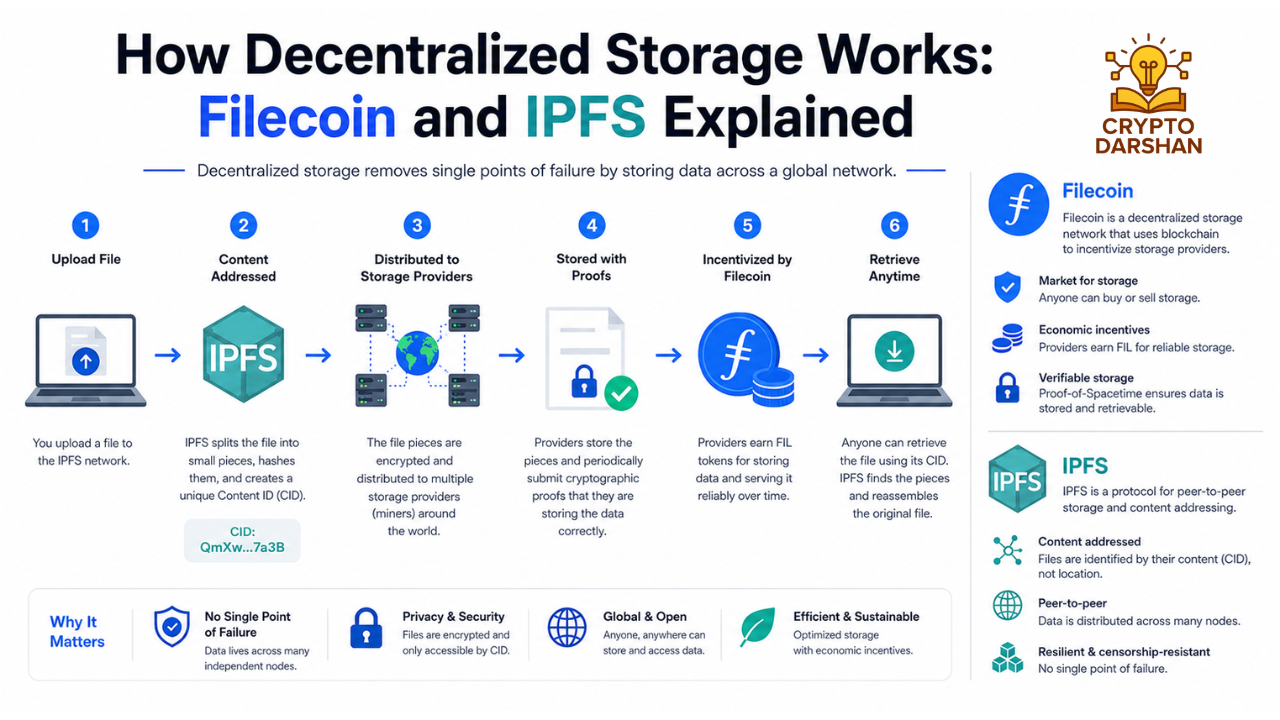
- Serverless Architecture: Uses decentralized storage like IPFS or Filecoin.
Estimated Cost: $5,000–$10,000 - Hybrid Architecture: Combines blockchain with traditional servers.
Estimated Cost: $10,000–$30,000
The back-end ensures scalability and performance, especially for dApps handling large user bases.
5. Blockchain Integration
Integrating the front-end and back-end with blockchain networks requires specialized expertise. This step includes wallet integration, transaction handling, and smart contract interaction. The cost breakdown for integration typically ranges from $10,000 to $30,000, depending on the number of features and supported blockchains.
6. Security and Auditing
Security is a non-negotiable aspect of dApp development. A single vulnerability can lead to massive financial losses. Therefore, auditing is a crucial part of the cost breakdown.
- Basic Audit: Automated tools and manual review.
Estimated Cost: $5,000–$15,000 - Comprehensive Audit: Multi-layer testing, penetration testing, and third-party verification.
Estimated Cost: $20,000–$100,000+
Security audits ensure the reliability and trustworthiness of the dApp before deployment.
7. Testing and Quality Assurance
Testing ensures that the dApp functions correctly across devices and networks. The cost breakdown for testing includes unit testing, integration testing, and user acceptance testing.
- Manual Testing: $5,000–$10,000
- Automated Testing: $10,000–$20,000
Testing costs vary based on the number of features and the complexity of smart contracts.
8. Deployment and Maintenance
Once the dApp is developed and tested, it must be deployed to the blockchain. Deployment costs include gas fees, hosting, and ongoing maintenance. The cost breakdown for deployment and maintenance typically ranges from $5,000 to $20,000 annually.
Maintenance includes:
- Updating smart contracts
- Fixing bugs
- Upgrading features
- Managing user feedback
Average Cost Breakdown of Building a dApp in 2026
| Component | Estimated Cost Range (USD) |
| Blockchain Selection & Setup | $5,000–$15,000 |
| Smart Contract Development | $10,000–$100,000+ |
| Front-End Development | $5,000–$40,000 |
| Back-End Development | $5,000–$30,000 |
| Blockchain Integration | $10,000–$30,000 |
| Security & Auditing | $5,000–$100,000+ |
| Testing & QA | $5,000–$20,000 |
| Deployment & Maintenance | $5,000–$20,000 annually |
| Total Estimated Cost | $50,000–$350,000+ |
This cost breakdown provides a realistic estimate for 2026, though actual costs may vary based on project scope, team location, and technology stack.
Cost Breakdown by dApp Type

Understanding the Cost Breakdown by dApp type helps estimate expenses based on functionality, complexity, and blockchain requirements. Each category of dApp has unique development needs that influence the total cost.
1. DeFi dApps
Decentralized Finance (DeFi) dApps manage financial operations like lending, staking, and trading without intermediaries. Their Cost Breakdown is higher due to complex smart contracts, liquidity pools, and security audits. On average, building a DeFi dApp costs between $100,000 and $500,000, depending on the number of integrated protocols and compliance requirements.
If your dApp includes DeFi features like lending or flash loans, development complexity rises sharply. In our flash loans tutorial, we explain how these systems require highly secure and optimized smart contracts.
2. NFT Marketplaces
NFT platforms allow users to mint, buy, and sell digital assets. The Cost Breakdown includes smart contract development for token standards (ERC-721 or ERC-1155), metadata storage, and user-friendly interfaces. Costs typically range from $80,000 to $250,000, influenced by design quality and blockchain integration.
3. Gaming dApps
Blockchain-based games combine NFTs, tokens, and in-game economies. Their Cost Breakdown is higher because of advanced graphics, gameplay logic, and blockchain synchronization. Development costs usually fall between $150,000 and $500,000, depending on the game’s scale and interactive features.
4. DAO Platforms
Decentralized Autonomous Organizations (DAOs) rely on smart contracts for governance, voting, and decision-making. The Cost Breakdown includes building secure voting systems, dashboards, and treasury management tools. DAO development costs range from $70,000 to $200,000, depending on governance complexity and user base size.
5. Supply Chain dApps
Supply chain dApps enhance transparency by tracking goods and verifying authenticity on the blockchain. Their Cost Breakdown involves IoT integration, data management, and blockchain scalability. The average cost ranges from $60,000 to $180,000, depending on the number of participants and data sources integrated.
Regional Cost Breakdown
The cost breakdown also varies by region due to differences in labor costs and expertise.
| Region | Average Hourly Rate (USD) | Impact on Total Cost |
| North America | $100–$200 | High |
| Western Europe | $80–$150 | High |
| Eastern Europe | $40–$80 | Medium |
| Asia (India, Philippines) | $25–$60 | Low |
| Latin America | $30–$70 | Medium |
Outsourcing to regions with lower development costs can reduce the total cost breakdown by up to 40%, but quality and communication must be managed carefully.
Hidden Costs in dApp Development

While planning a dApp project, many teams focus on visible expenses like coding and design but overlook several hidden costs that can significantly impact the Cost Breakdown. Understanding these hidden factors helps in creating a more accurate and realistic budget.
1. Gas Fees and Network Costs
Gas fees are the transaction costs required to execute operations on a blockchain. These fees fluctuate based on network congestion and blockchain type. This hidden cost can quickly add up, especially during deployment or when users perform frequent transactions, affecting the overall Cost Breakdown.
2. Third-Party Integrations
Many dApps rely on external APIs, oracles, and payment gateways for real-time data or additional functionality. These third-party services often come with subscription or usage fees. Ignoring these expenses can distort the Cost Breakdown, leading to unexpected financial strain later.
3. Legal and Compliance Expenses
Regulatory compliance is a crucial but often underestimated cost. Depending on the region, dApps may need to follow KYC, AML, or data protection laws. Legal consultations, licensing, and documentation can significantly influence the Cost Breakdown, especially for financial or token-based projects.
4. Marketing and Community Building
Launching a dApp successfully requires strong marketing and community engagement. Costs for social media campaigns, influencer partnerships, and community management are often overlooked. These efforts are essential for adoption but can add thousands of dollars to the Cost Breakdown.
5. Upgrades and Maintenance
After launch, continuous updates, bug fixes, and feature enhancements are necessary to keep the dApp secure and competitive. These ongoing maintenance costs are a hidden part of the Cost Breakdown, as they require dedicated developer time and resources long after deployment.
Cost Optimization Strategies

Effective Cost Optimization Strategies help reduce expenses during dApp development without compromising quality or performance. By applying smart planning and resource management, businesses can achieve better results within budget.
1. Use Layer-2 Solutions
Layer-2 networks like Polygon, Arbitrum, or Optimism lower transaction fees and improve scalability. This Cost Optimization Strategy reduces gas costs on main blockchains such as Ethereum, allowing developers to deploy smart contracts and process transactions more efficiently.
2. Adopt Open-Source Frameworks
Using open-source tools and libraries minimizes development time and costs. Frameworks like Truffle, Hardhat, or OpenZeppelin provide pre-built components for smart contracts, making this Cost Optimization Strategy ideal for startups aiming to save on coding and testing expenses.
3. Outsource Development Wisely
Hiring skilled blockchain developers from cost-effective regions can significantly reduce overall expenses. This Cost Optimization Strategy ensures access to global talent while maintaining quality, especially when managed through clear communication and project tracking tools.
4. Build a Minimum Viable Product (MVP)
Developing an MVP first helps test the concept before full-scale investment. This Cost Optimization Strategy allows teams to gather user feedback, identify improvements, and avoid unnecessary spending on features that may not add value.
5. Automate Testing and Deployment
Automation tools streamline testing, deployment, and updates, reducing manual labor and long-term maintenance costs. This Cost Optimization Strategy enhances efficiency, ensures consistent performance, and minimizes human error during the development lifecycle.
Future Trends Affecting dApp Cost Breakdown in 2026

The Cost Breakdown of dApp development in 2026 is influenced by emerging technologies and evolving market demands. These trends are shaping how developers plan, budget, and execute blockchain projects.
1. AI Integration in dApps
Artificial Intelligence is becoming a major factor in the Cost Breakdown of dApps. Integrating AI for predictive analytics, fraud detection, and automated decision-making increases development complexity and cost. However, it also enhances user experience and operational efficiency, making it a valuable long-term investment.
2. Cross-Chain Compatibility
As interoperability becomes essential, dApps are being built to operate across multiple blockchains. This trend affects the Cost Breakdown by adding extra layers of development, testing, and integration. Cross-chain bridges and communication protocols require advanced coding and security measures, raising overall expenses.
3. Zero-Knowledge Proofs (ZKPs)
Privacy-focused technologies like Zero-Knowledge Proofs are gaining traction. Implementing ZKPs impacts the Cost Breakdown because they demand specialized cryptographic expertise and additional computational resources. Despite higher costs, they provide stronger privacy and compliance benefits.
4. Regulatory Compliance and Legal Frameworks
Global regulations around digital assets and decentralized systems are tightening. Meeting compliance standards adds legal and administrative costs to the Cost Breakdown. Developers must allocate budgets for audits, KYC/AML processes, and legal consultations to ensure regulatory alignment.
5. Decentralized Storage and Infrastructure
The shift toward decentralized storage solutions like IPFS and Filecoin is changing the Cost Breakdown structure. While these systems improve data security and transparency, they also introduce new infrastructure expenses for integration, maintenance, and scalability.
Example Cost Breakdown for a Mid-Level dApp
| Component | Description | Estimated Cost (USD) |
| Blockchain Setup | Ethereum + Polygon integration | $10,000 |
| Smart Contracts | Token + staking + governance | $40,000 |
| Front-End | React-based dashboard | $20,000 |
| Back-End | Node.js + IPFS integration | $15,000 |
| Security Audit | Third-party audit | $25,000 |
| Testing | Automated + manual | $10,000 |
| Deployment | Hosting + gas fees | $5,000 |
| Maintenance (1 year) | Updates + support | $10,000 |
| Total | $135,000 |
This example illustrates a realistic cost breakdown for a mid-level dApp in 2026.
FAQ: Cost Breakdown of Building a dApp in 2026.

1. How much does it cost to build a dApp in 2026?
The cost of building a decentralized application (dApp) in 2026 typically ranges from $10,000 to $300,000+, depending on complexity, blockchain choice, and features. A simple dApp may cost under $20,000, while enterprise-grade platforms with advanced smart contracts and UI/UX can exceed $200,000.
2. What are the main cost components of a dApp?
The total cost is usually divided into:
- Smart contract development
- Frontend & backend development
- UI/UX design
- Blockchain transaction (gas) fees
- Security audits
- Maintenance and upgrades
Each of these components contributes significantly to the final budget.
3. How much do smart contract development costs add?
Smart contract development can cost between $5,000 and $100,000+, depending on complexity. More advanced logic (like DeFi protocols or NFT marketplaces) requires experienced developers and rigorous testing, increasing costs.
4. Does the choice of blockchain affect the cost?
Yes, blockchain selection has a major impact. For example:
- Ethereum-based dApps tend to be more expensive due to higher gas fees.
- Alternatives like Polygon, Solana, or BNB Chain offer lower fees and faster transactions, reducing operational costs.
5. How much does UI/UX design cost for a dApp?
UI/UX design typically ranges from $2,000 to $20,000+. A clean and intuitive interface is crucial for user adoption, especially since many users are still unfamiliar with Web3 interfaces.
6. Are security audits necessary, and how much do they cost?
Yes, security audits are essential to prevent hacks and vulnerabilities. A professional audit can cost between $5,000 and $50,000+, depending on the complexity of the smart contracts.
7. What are gas fees, and how do they impact overall costs?
Gas fees are transaction costs paid to execute operations on a blockchain. These can vary widely based on network congestion and the blockchain used, significantly affecting long-term operational expenses.
8. How much does it cost to maintain a dApp after launch?
Maintenance costs typically range from $1,000 to $10,000 per month, covering:
- Bug fixes
- Updates
- Server hosting (if hybrid)
- Community and support
Conclusion
The cost breakdown of building a dApp in 2026 depends on multiple factors—blockchain selection, smart contract complexity, design, security, and maintenance. On average, developing a fully functional dApp can cost between $50,000 and $350,000, with high-end projects exceeding $500,000.
Understanding the cost breakdown helps businesses plan budgets, allocate resources, and make informed decisions. As blockchain technology continues to evolve, efficient planning and strategic execution will be key to building successful, scalable, and secure decentralized applications in 2026 and beyond.