
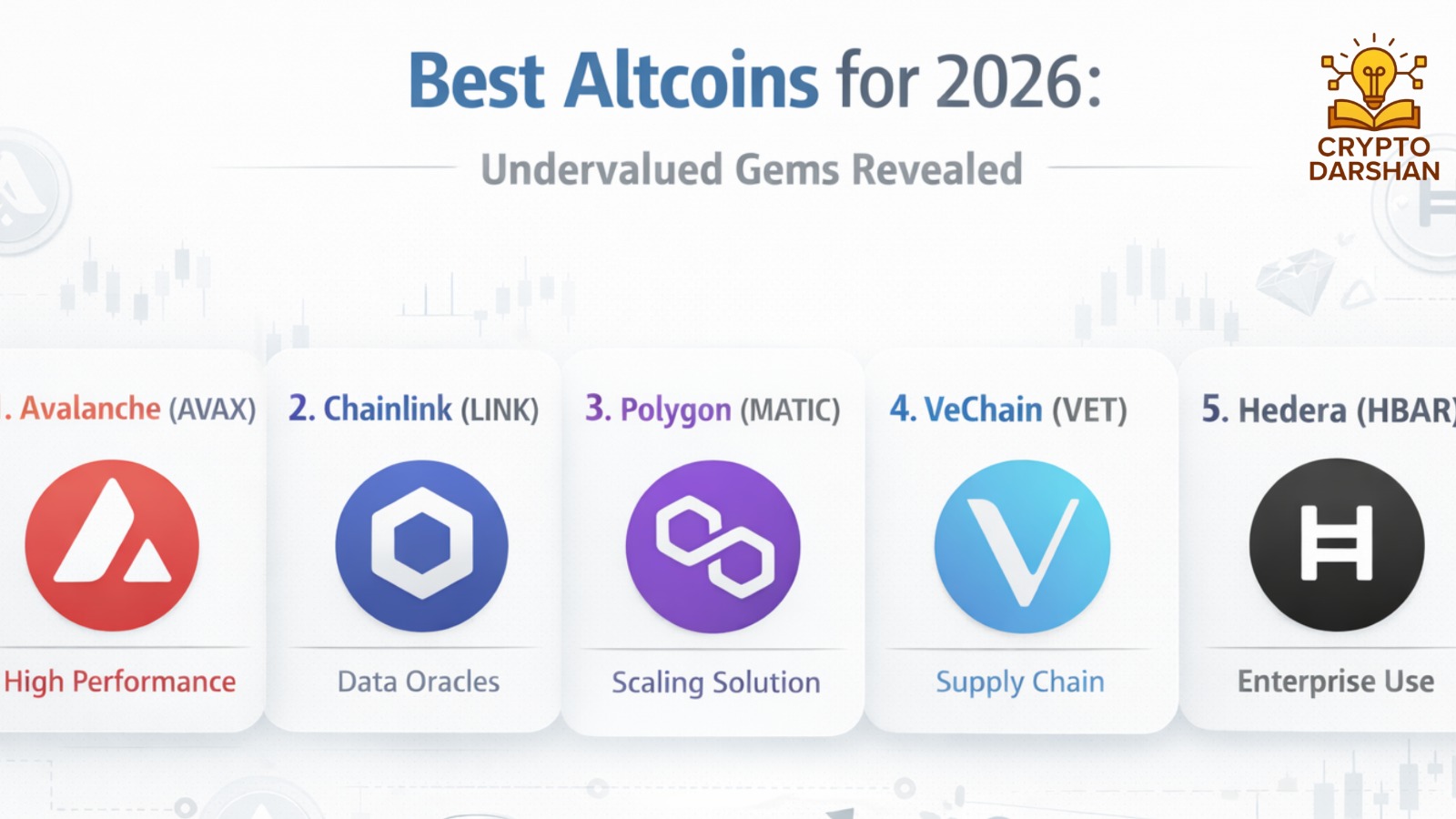
The cryptocurrency market continues to evolve at a rapid pace, with new projects emerging and established ones refining their technology. As Bitcoin and Ethereum dominate headlines, a new wave of altcoins is quietly building strong fundamentals, innovative use cases, and growing communities. These undervalued gems could become the next big winners in 2026. This comprehensive guide explores the best altcoins for 2026, focusing on their technology, market potential, and long-term value.
Understanding Altcoins and Their Role in the Crypto Ecosystem
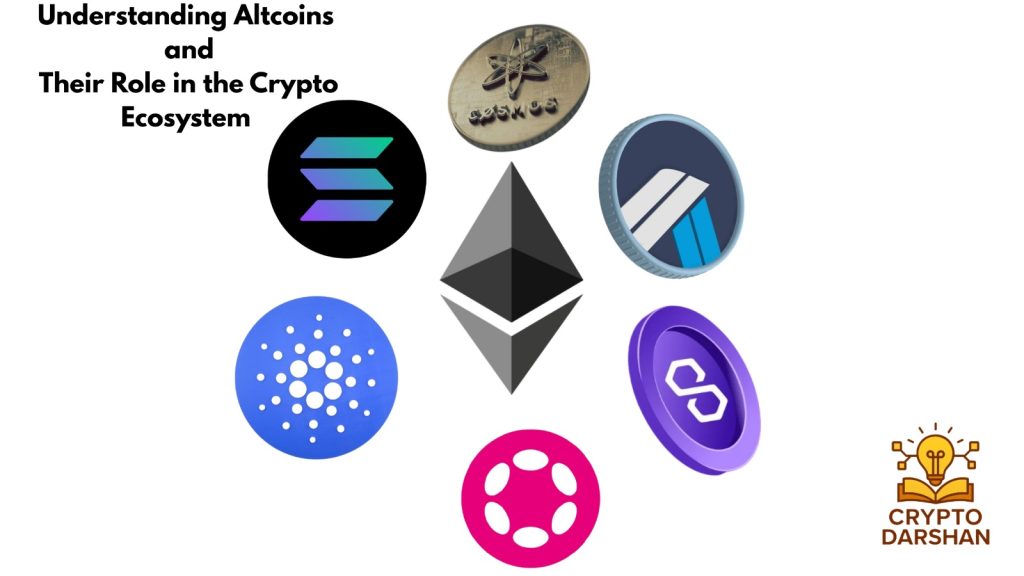
Altcoins, or “alternative coins,” refer to all cryptocurrencies other than Bitcoin. They serve various purposes, from powering decentralized finance (DeFi) platforms to enabling smart contracts, gaming ecosystems, and cross-chain interoperability. While Bitcoin remains the benchmark for digital assets, altcoins often deliver higher returns due to their smaller market caps and innovative features.
In 2026, the altcoin market is expected to mature further, with projects focusing on scalability, sustainability, and real-world adoption. Investors are increasingly looking beyond hype, seeking coins with strong fundamentals, active development teams, and clear utility.
Key Factors to Identify Undervalued Altcoins
Before diving into specific coins, it’s essential to understand what makes an altcoin undervalued. The following factors help identify potential winners:
- Strong Development Team – A dedicated and transparent team with a clear roadmap is a positive indicator.
- Real-World Utility – Projects solving real problems or offering unique use cases tend to sustain long-term growth.
- Active Community – A vibrant community drives adoption and supports the ecosystem.
- Partnerships and Integrations – Collaborations with established companies or blockchain networks enhance credibility.
- Tokenomics – A well-designed token model ensures scarcity, fair distribution, and long-term value.
- Market Position – Coins with low market caps but strong fundamentals often have higher growth potential.
Top Undervalued Altcoins for 2026
1. Chainlink (LINK)
Category: Oracle Network
Market Cap (2026 Projection): $15–20 billion
Use Case: Connecting smart contracts with real-world data
Chainlink remains one of the most critical infrastructures in the blockchain ecosystem. It provides decentralized oracles that feed external data into smart contracts, enabling DeFi, insurance, and gaming applications to function securely. With the rise of hybrid smart contracts and cross-chain interoperability, Chainlink’s importance continues to grow.
Why It’s Undervalued:
Despite its essential role, LINK’s price has lagged behind other major altcoins. However, the increasing adoption of Chainlink’s Cross-Chain Interoperability Protocol (CCIP) and partnerships with major enterprises could drive significant growth in 2026.
Key Strengths:
- Industry-standard oracle solution
- Expanding enterprise adoption
- Strong developer ecosystem
2. Polygon (MATIC)
Category: Layer-2 Scaling Solution
Market Cap (2026 Projection): $20–25 billion
Use Case: Scaling Ethereum and enabling faster, cheaper transactions
Polygon, known for years by its token MATIC. Polygon has established itself as a leading Layer-2 solution for Ethereum, offering scalability and low transaction fees. Its ecosystem supports thousands of decentralized applications (dApps), from DeFi to NFTs and gaming.
Why It’s Undervalued:
Polygon’s transition to Polygon 2.0 introduces a multi-chain ecosystem powered by zero-knowledge (ZK) technology. This upgrade enhances scalability and security, positioning Polygon as a key player in Ethereum’s future.
Key Strengths:
- Strong developer adoption
- ZK-rollup technology
- Partnerships with major brands like Starbucks and Nike
3. Avalanche (AVAX)
Category: Layer-1 Blockchain
Market Cap (2026 Projection): $18–22 billion
Use Case: High-speed smart contracts and DeFi applications
Avalanche offers one of the fastest consensus mechanisms in the blockchain industry, capable of processing thousands of transactions per second. Its subnets allow developers to create custom blockchains tailored to specific use cases.
Why It’s Undervalued:
Avalanche’s focus on institutional adoption and real-world asset tokenization sets it apart. With partnerships in finance and gaming, AVAX could see renewed interest as blockchain adoption expands.
Many undervalued altcoins are affected by broader market factors such as demand, adoption, and investor sentiment, which are explained in detail in this guide on what drives cryptocurrency prices.
Key Strengths:
- High throughput and low latency
- Customizable subnets
- Growing institutional partnerships
4. Arbitrum (ARB)
Category: Layer-2 Scaling Solution
Market Cap (2026 Projection): $10–15 billion
Use Case: Scaling Ethereum through optimistic rollups
Arbitrum has become one of the most popular Layer-2 solutions for Ethereum, offering faster and cheaper transactions while maintaining security. Its ecosystem hosts numerous DeFi protocols and NFT projects.
Why It’s Undervalued:
Despite strong fundamentals, ARB’s token remains undervalued due to market volatility. As Ethereum’s scalability challenges persist, Arbitrum’s role will become increasingly vital in 2026.
Key Strengths:
- Large developer community
- High transaction efficiency
- Strong ecosystem growth
5. Render Token (RNDR)
Category: Decentralized GPU Rendering
Market Cap (2026 Projection): $8–12 billion
Use Case: Distributed GPU rendering for AI, metaverse, and 3D graphics
Render Network connects artists and developers with decentralized GPU power, enabling efficient rendering for visual effects, AI, and metaverse applications. As demand for AI and 3D content grows, RNDR’s utility expands.
Why It’s Undervalued:
The increasing need for decentralized computing power positions Render as a key player in the AI and metaverse sectors. Its partnerships with major creative platforms enhance its long-term potential.
Key Strengths:
- Real-world utility in AI and graphics
- Strong partnerships
- Growing adoption in creative industries
6. Injective (INJ)
Category: DeFi and Derivatives
Market Cap (2026 Projection): $7–10 billion
Use Case: Decentralized trading and derivatives platform
Injective offers a fully decentralized exchange protocol optimized for derivatives, futures, and spot trading. Built on the Cosmos network, it provides fast, low-cost transactions and cross-chain compatibility.
Why It’s Undervalued
Injective’s focus on decentralized finance and interoperability gives it a competitive edge. As DeFi adoption grows, INJ could become a leading platform for decentralized trading.
Key Strengths:
- Cross-chain compatibility
- Advanced trading features
- Strong community and developer support
7. Celestia (TIA)
Category: Modular Blockchain Infrastructure
Market Cap (2026 Projection): $6–9 billion
Use Case: Data availability and modular blockchain architecture
Celestia introduces a modular approach to blockchain design, separating consensus and data availability layers. This allows developers to build scalable and customizable blockchains without starting from scratch.
Why It’s Undervalued:
As modular blockchains gain traction, Celestia’s technology could become foundational for future decentralized applications. Its innovative architecture positions it as a long-term growth project.
Key Strengths:
- Modular blockchain design
- Scalability and flexibility
- Strong developer interest
8. Optimism (OP)
Category: Layer-2 Scaling Solution
Market Cap (2026 Projection): $8–12 billion
Use Case: Scaling Ethereum through optimistic rollups
Optimism enhances Ethereum’s scalability by processing transactions off-chain and verifying them on-chain. It supports numerous DeFi and NFT projects, contributing to Ethereum’s broader ecosystem.
Why It’s Undervalued:
Optimism’s collaboration with Coinbase’s Base network and its role in Ethereum’s scaling roadmap make it a strong contender for 2026. Its governance model and developer incentives further strengthen its ecosystem.
Key Strengths:
- Strong partnerships
- Active developer community
- Integral to Ethereum’s scaling future
9. Near Protocol (NEAR)
Category: Layer-1 Blockchain
Market Cap (2026 Projection): $10–14 billion
Use Case: Scalable and user-friendly blockchain for dApps
Near Protocol focuses on usability and scalability, offering a developer-friendly environment and fast transaction speeds. Its sharding technology ensures efficient network performance.
Why It’s Undervalued:
Near’s emphasis on user experience and interoperability positions it well for mainstream adoption. Its growing ecosystem of dApps and partnerships enhances its long-term potential.
Key Strengths:
- Sharding technology for scalability
- Developer-friendly tools
- Expanding ecosystem
10. Aptos (APT)
Category: Layer-1 Blockchain
Market Cap (2026 Projection): $9–13 billion
Use Case: High-performance blockchain for Web3 applications
Aptos, developed by former Meta engineers, aims to deliver a secure and scalable blockchain infrastructure. Its Move programming language enhances security and efficiency.
Why It’s Undervalued:
Aptos’s focus on performance and developer experience makes it a strong competitor in the Layer-1 space. As Web3 adoption grows, APT could see significant appreciation.
Key Strengths:
- Advanced technology
- Strong developer team
- Focus on scalability and security
Emerging Altcoin Trends for 2026
1. AI and Blockchain Integration
The convergence of artificial intelligence and blockchain is creating new opportunities. Projects like Render (RNDR) and Fetch.ai (FET) are leading this trend, enabling decentralized AI networks and data marketplaces.
2. Real-World Asset Tokenization
Tokenizing real-world assets such as real estate, stocks, and commodities is gaining momentum. Platforms like Avalanche and Polygon are enabling this transformation, bridging traditional finance with blockchain.
3. Modular and Interoperable Blockchains
Modular blockchains like Celestia and Cosmos are redefining scalability and customization. Interoperability will be a key theme in 2026, allowing seamless communication between different networks.
4. Sustainability and Green Crypto
Eco-friendly blockchains are becoming more popular as environmental concerns rise. Projects using proof-of-stake (PoS) or energy-efficient consensus mechanisms will attract more investors.
5. DeFi 2.0 and Institutional Adoption
The next generation of DeFi platforms will focus on security, compliance, and institutional integration. Altcoins supporting these innovations will likely outperform.
How to Evaluate and Invest in Altcoins

Investing in altcoins can be highly rewarding, but it also comes with significant risks. The crypto market is volatile, and not every project will succeed. To make informed decisions, investors must evaluate altcoins carefully before committing funds. This section provides a detailed, step-by-step explanation of how to evaluate and invest in altcoins effectively.
1. Understand the Project’s Purpose and Vision
Before investing in any altcoin, start by understanding what the project aims to achieve. Every successful cryptocurrency solves a real-world problem or introduces a unique innovation.
Key questions to ask:
- What problem does the project solve?
- Is there a genuine need for its token?
- How does it differ from competitors?
Example:
Chainlink provides decentralized oracles that connect smart contracts to real-world data — a critical function in DeFi. This clear purpose gives LINK long-term value.
2. Analyze the Whitepaper and Roadmap
A project’s whitepaper is its blueprint. It outlines the technology, goals, tokenomics, and future plans. Reading it carefully helps you understand whether the project is realistic and well-structured.
What to look for:
- Clarity: The whitepaper should be easy to understand and transparent.
- Technology: Does it introduce something new or improve existing systems?
- Roadmap: Are there clear milestones and timelines for development?
Red flags:
- Vague or overly technical language without substance.
- Unrealistic promises like “guaranteed profits.”
- No clear timeline or development updates.
3. Evaluate the Team and Advisors
The strength of a crypto project often depends on the people behind it. A skilled, transparent, and experienced team increases the chances of success.
How to evaluate:
- Check the team’s background on LinkedIn or official websites.
- Look for previous experience in blockchain, finance, or technology.
- Verify if the advisors are credible and actively involved.
Warning signs:
- Anonymous or unverifiable team members.
- Lack of communication or transparency.
- Frequent leadership changes.
Example:
Projects like Polygon and Avalanche have well-known founders and active development teams, which builds investor confidence.
4. Study the Tokenomics

Tokenomics refers to the economic model of a cryptocurrency , how tokens are created, distributed, and used within the ecosystem. Strong tokenomics ensure long-term sustainability.
Key factors to analyze:
- Total Supply: How many tokens exist in total?
- Circulating Supply: How many are currently in circulation?
- Inflation Rate: Are new tokens constantly being minted?
- Utility: What is the token used for (governance, staking, payments, etc.)?
- Burn Mechanisms: Does the project reduce supply over time to increase scarcity?
Example:
BNB (Binance Coin) uses a token burn mechanism that reduces supply periodically, helping maintain value.
5. Assess Market Metrics and Performance
Market data provides insight into an altcoin’s current position and potential growth.
Important metrics:
- Market Capitalization: Indicates the project’s size and maturity.
- Trading Volume: Reflects liquidity and investor interest.
- Price History: Shows volatility and long-term trends.
- Exchange Listings: Availability on major exchanges increases credibility.
Tip:
Smaller market cap coins can offer higher returns but come with higher risk. Balance your portfolio between established and emerging projects.
6. Check Community and Social Engagement
A strong, active community is a sign of a healthy project. It shows that people believe in the project’s vision and are willing to support it.
Where to look:
- Twitter, Reddit, Telegram, and Discord channels.
- Developer activity on GitHub.
- Engagement levels on social media posts.
Positive signs:
- Transparent communication from the team.
- Regular updates and community events.
- Constructive discussions rather than hype-driven chatter.
Example:
Projects like Cardano and Solana have large, engaged communities that contribute to their growth and adoption.
7. Evaluate Partnerships and Ecosystem Growth
Partnerships with reputable companies or blockchain networks can significantly boost a project’s credibility and adoption.
What to check:
- Are there collaborations with known brands or institutions?
- Is the project integrated with other blockchain ecosystems?
- Are developers actively building on the platform?
Example:
Polygon’s partnerships with major brands like Starbucks and Nike have strengthened its position in the Web3 space.
8. Understand the Competitive Landscape
Every altcoin operates in a specific niche: DeFi, gaming, AI, or infrastructure. Understanding the competition helps you gauge whether the project can stand out.
Steps to analyze:
- Identify direct competitors.
- Compare technology, adoption, and token performance.
- Evaluate the project’s unique selling proposition (USP).
Example:
Arbitrum and Optimism both compete in Ethereum scaling, but each uses different rollup technologies and governance models.
9. Review Security and Audits
Security is crucial in crypto. Hacks and exploits can destroy investor confidence and value overnight.
What to verify:
- Has the project undergone third-party security audits?
- Are smart contracts open-source and verifiable?
- Does the team respond quickly to vulnerabilities?
Example:
Projects audited by firms like CertiK or Quantstamp are generally more trustworthy.
10. Monitor Regulatory Compliance
Regulations are shaping the future of crypto. Projects that comply with legal standards are more likely to survive long-term.
Considerations:
- Does the project operate within legal frameworks?
- Are there clear KYC/AML policies for users?
- Is the token classified as a utility or security?
Tip:
Avoid projects that make unrealistic claims about being “regulation-proof.”
11. Diversify Your Portfolio
Never put all your money into one altcoin. Diversification reduces risk and increases the chances of capturing growth from multiple sectors.
Suggested diversification strategy:
- 40% in established altcoins (e.g., Ethereum, Polygon, Chainlink)
- 30% in mid-cap projects (e.g., Avalanche, Near, Arbitrum)
- 20% in emerging altcoins with high potential
- 10% in stablecoins for liquidity and risk management
12. Choose Reliable Exchanges and Wallets
Security starts with where you buy and store your crypto.
Best practices:
- Use reputable exchanges with strong security measures.
- Enable two-factor authentication (2FA).
- Store long-term holdings in hardware wallets rather than online wallets.
Example:
Hardware wallets like Ledger or Trezor provide offline storage, protecting your assets from hacks.
13. Stay Updated with Market Trends

The crypto market changes rapidly. Staying informed helps you make timely decisions.
How to stay updated:
- Follow official project channels and crypto news outlets.
- Track on-chain data using tools like CoinMarketCap or Messari.
- Join online communities to discuss trends and updates.
14. Adopt a Long-Term Mindset
Altcoin investing is not about quick profits. Many projects take years to reach their full potential.
Key principles:
- Be patient and avoid panic selling during market dips.
- Reassess your portfolio periodically.
- Focus on fundamentals rather than short-term hype.
Example:
Early investors in Ethereum or Polygon who held through volatility saw massive long-term gains.
Risks and Considerations

While altcoins offer high growth potential, they also carry risks.
Market volatility, regulatory uncertainty, and technological challenges can impact performance. Investors should adopt a long-term perspective and avoid emotional trading decisions.
Steps to manage risk:
- Only invest what you can afford to lose.
- Set stop-loss levels to limit downside.
- Take profits gradually as prices rise.
- Rebalance your portfolio regularly.
Exit strategy example:
Sell 25% of your holdings when the coin doubles, another 25% when it triples, and hold the rest for long-term growth.
Conclusion
The altcoin market in 2026 presents immense opportunities for investors who can identify undervalued gems early. Projects like Chainlink, Polygon, Avalanche, and Render are building real-world solutions that extend beyond speculation. As blockchain technology matures, these altcoins could redefine industries and deliver substantial returns.
Altcoins represent the innovation side of blockchain from DeFi and AI to gaming and real-world asset tokenization. With careful evaluation and a strategic approach, investors can uncover hidden gems that may define the next wave of crypto growth in 2026 and beyond.
Diversification, research, and patience remain the keys to success in the evolving crypto landscape. The next wave of innovation is already underway, and the altcoins highlighted here are well-positioned to lead the charge into 2026 and beyond.