
The live entertainment industry has long struggled with one major problem: ticket scalping. Fans often find themselves paying inflated prices for concert tickets, while artists and event organizers lose control over their own events. Traditional ticketing systems, dominated by centralized platforms, have failed to protect consumers from fraud and unfair resale practices. However, a new technology is changing the game, NFT Ticketing.
NFT Ticketing uses blockchain technology to create secure, verifiable, and transferable digital tickets. These tickets exist as non-fungible tokens (NFTs), meaning each one is unique and traceable. This innovation is revolutionizing how tickets are sold, distributed, and resold, effectively eliminating scalpers and restoring fairness to the live event experience.
This article explores how NFT Ticketing is transforming the concert industry, protecting fans, empowering artists, and reshaping the future of live entertainment.
The Problem with Traditional Ticketing
For decades, the ticketing industry has been plagued by inefficiencies and exploitation. Fans often face long queues, website crashes, and inflated resale prices. Scalpers and bots buy large quantities of tickets within seconds of release, reselling them at exorbitant prices on secondary markets.
Scalping and Bots
Scalping occurs when individuals or automated bots purchase tickets in bulk and resell them for profit. These bots can bypass security systems, leaving genuine fans with no chance to buy tickets at face value. The result is frustration, financial loss, and a negative experience for concertgoers.
Lack of Transparency
Traditional ticketing systems are centralized, meaning one company controls the entire process. This lack of transparency allows hidden fees, fake tickets, and unfair resale practices to thrive. Fans often have no way to verify whether a ticket is genuine or if it has been resold multiple times.
Limited Control for Artists and Organizers
Artists and event organizers have little control over how their tickets are distributed or resold. Once tickets are sold, they lose visibility into who owns them or how much they are being resold for. This disconnect damages the relationship between artists and their fans.
The need for a fair, transparent, and secure ticketing system has never been greater. This is where NFT Ticketing comes in.
What Is NFT Ticketing?
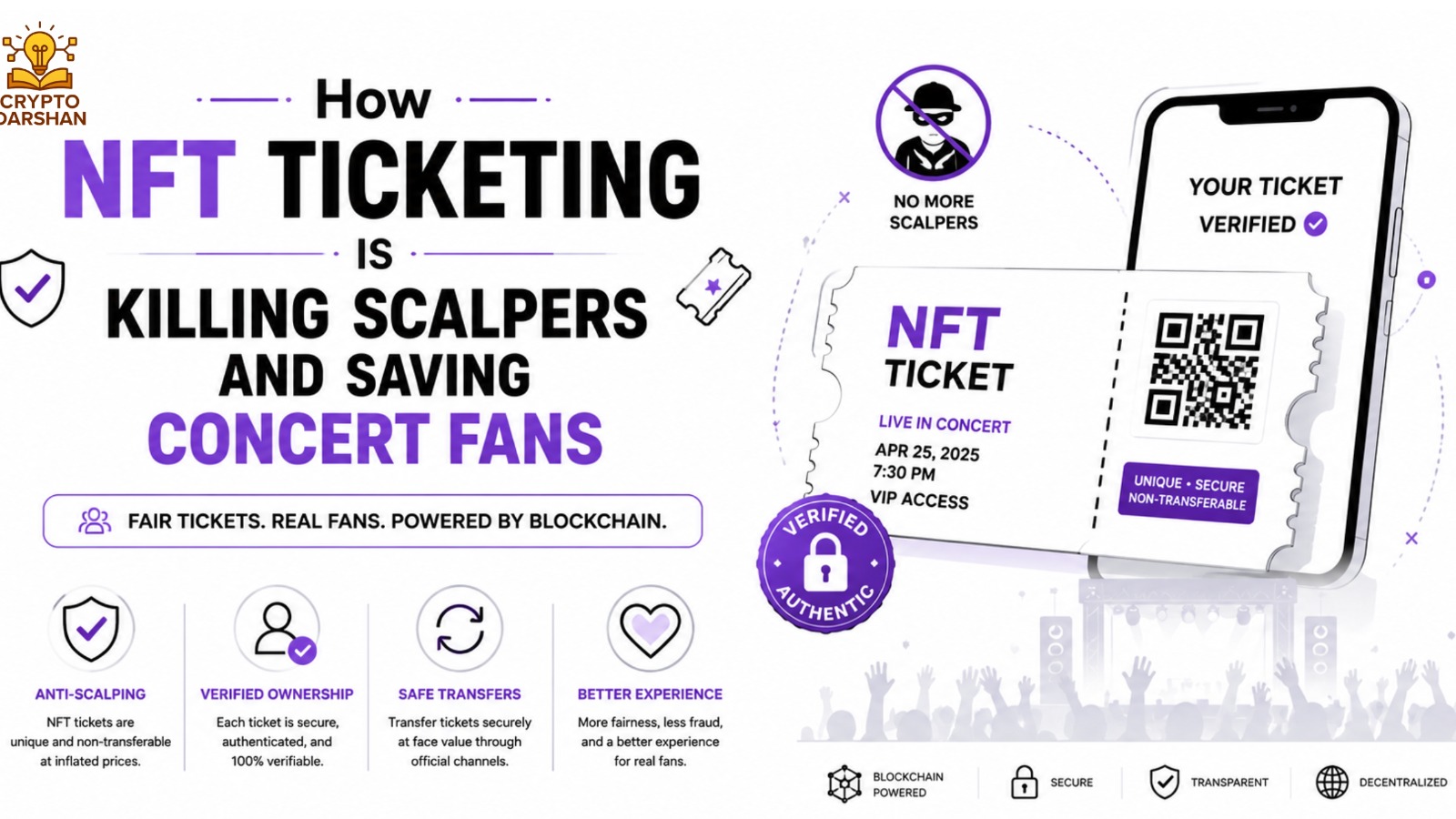
NFT Ticketing is a modern solution that uses blockchain technology to issue and manage event tickets as non-fungible tokens (NFTs).NFT tickets are digital tickets stored and managed on a blockchain.
This system allows for verification of ticket ownership and provenance, to help solve problems like fake tickets and double-booking, which often affect traditional ticketing systems. Each NFT represents a unique digital asset stored on a blockchain, making it impossible to duplicate or forge.
How NFT Ticketing Works
- Ticket Creation – Event organizers mint digital tickets as NFTs on a blockchain. Each ticket contains metadata such as event details, seat number, and ownership information.
- Secure Distribution – Fans purchase tickets directly from the organizer or an authorized platform. The transaction is recorded on the blockchain, ensuring transparency.
- Ownership Verification – Each ticket is tied to a unique blockchain address, allowing instant verification of authenticity.
- Controlled Resale – Organizers can set rules for resale, such as price caps or royalties, preventing scalping and ensuring fair pricing.
- Event Access – At the venue, fans scan their NFT tickets using a digital wallet or app, granting them entry.
This system eliminates fake tickets, reduces fraud, and gives both fans and artists more control over the ticketing process.
The Technology Behind NFT Ticketing
To understand why NFT Ticketing is so powerful, it’s important to explore the technology that makes it possible.
Blockchain
Blockchain is a decentralized digital ledger that records transactions across multiple computers. It ensures that data cannot be altered or deleted, providing transparency and security. In NFT Ticketing, blockchain records every ticket’s creation, sale, and transfer, making it easy to verify authenticity.
Smart Contracts
Smart contracts are self-executing programs that run on the blockchain. They automatically enforce rules set by event organizers, such as resale limits or royalty payments. For example, a smart contract can prevent a ticket from being resold above a certain price, effectively stopping scalpers.
Non-Fungible Tokens (NFTs)
NFTs are unique digital assets that represent ownership of a specific item. Unlike cryptocurrencies such as Bitcoin, which are interchangeable, NFTs are one-of-a-kind. In NFT Ticketing, each NFT represents a specific seat or entry pass, ensuring that no two tickets are identical.
Digital Wallets
Fans store their NFT tickets in digital wallets, which can be accessed via mobile apps. These wallets allow users to buy, sell, or transfer tickets securely without relying on third-party intermediaries.
Together, these technologies create a transparent, secure, and efficient ticketing ecosystem.
How NFT Ticketing Is Killing Scalpers
Scalpers thrive on anonymity, limited transparency, and centralized control. NFT Ticketing disrupts all three of these advantages.
Transparent Ownership
Every NFT ticket is recorded on a public blockchain, making ownership history visible to everyone. This transparency prevents scalpers from hiding behind fake accounts or reselling tickets multiple times.
Smart Contract Controls
Event organizers can use smart contracts to set strict resale conditions. For example, they can limit resale prices to a small percentage above the original cost or restrict resale to approved marketplaces. This ensures that fans pay fair prices and scalpers cannot exploit demand.
Elimination of Bots
Because NFT Ticketing systems often require blockchain verification and wallet authentication, automated bots cannot easily purchase large quantities of tickets. This levels the playing field for genuine fans.
Traceable Transactions
Every transaction involving an NFT ticket is permanently recorded on the blockchain. This traceability makes it impossible for scalpers to sell fake or duplicate tickets.
By combining transparency, automation, and traceability, NFT Ticketing effectively eliminates the conditions that allow scalping to exist.
How NFT Ticketing Is Saving Concert Fans
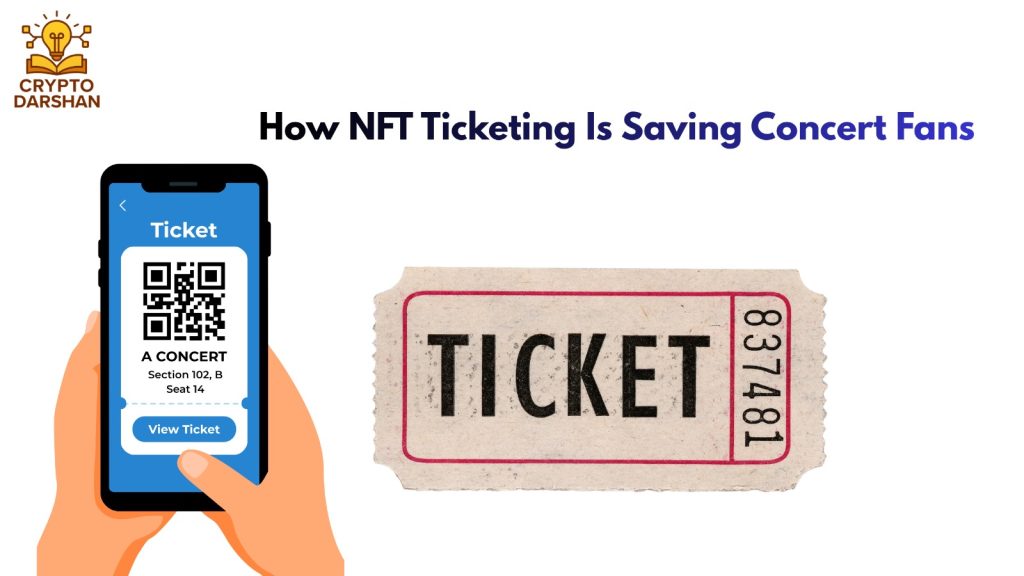
While NFT Ticketing protects artists and organizers, its biggest beneficiaries are the fans. It restores fairness, security, and value to the concert experience.
Fair Pricing
Fans can purchase tickets at fair prices without competing against bots or scalpers. Resale prices are controlled by smart contracts, ensuring affordability and accessibility.
Authenticity and Security
Each NFT ticket is verifiable on the blockchain, eliminating the risk of counterfeit tickets. Fans can check the authenticity of their tickets instantly before attending an event.
Easy Transfers
Fans can easily transfer or resell their tickets through secure blockchain platforms. This flexibility allows legitimate resales without the risk of fraud.
Exclusive Perks and Rewards
NFT Ticketing can include additional benefits such as digital collectibles, backstage passes, or exclusive content. These perks enhance the fan experience and create lasting memories.
Direct Connection with Artists
Because NFT tickets are tied to blockchain identities, artists can interact directly with their fans. They can send personalized messages, offer discounts, or reward loyal supporters with special NFTs.
NFT Ticketing transforms ticket ownership into a richer, more interactive experience.
Benefits for Artists and Event Organizers

The advantages of NFT Ticketing extend beyond fans. Artists, promoters, and event organizers gain unprecedented control and insight into their events.
Revenue Protection
By eliminating scalpers, artists retain more revenue from ticket sales. Smart contracts can also include royalties, ensuring that artists earn a percentage from every resale.
Data and Analytics
Blockchain data provides valuable insights into fan behavior, ticket transfers, and resale trends. Organizers can use this information to improve marketing and event planning.
Brand Loyalty
Offering NFT tickets with exclusive perks strengthens the bond between artists and fans. Collectible NFTs can serve as digital souvenirs, increasing engagement and loyalty.
Reduced Fraud and Chargebacks
Because blockchain transactions are transparent and irreversible, NFT Ticketing reduces the risk of fraud and chargebacks, saving organizers time and money.
Sustainability
NFT tickets eliminate the need for paper tickets, reducing waste and supporting environmentally friendly practices.
For artists and organizers, NFT Ticketing represents a smarter, more sustainable way to manage events.
Real-World Examples of NFT Ticketing
Several companies and artists have already adopted NFT Ticketing, proving its effectiveness in real-world scenarios.
Coachella
The Coachella music festival introduced NFT-based lifetime passes that grant holders access to future events and exclusive experiences. This innovative approach combines ticketing with digital collectibles.
Kings of Leon
The band Kings of Leon released their album as an NFT, which included concert tickets and exclusive perks. This experiment demonstrated how NFT Ticketing can merge music, art, and fan engagement.
GUTS Tickets
GUTS Tickets, a blockchain-based ticketing platform, uses smart contracts to prevent scalping and ensure fair resale prices. The company has successfully hosted events across Europe using NFT Ticketing technology.
YellowHeart
YellowHeart is another platform pioneering NFT Ticketing. It has partnered with major artists and venues to issue blockchain-based tickets that include built-in resale controls and fan rewards.
These examples show that NFT Ticketing is not just a concept—it’s a growing reality that is reshaping the entertainment industry.
Challenges and Limitations of NFT Ticketing

While NFT Ticketing offers many benefits, it also faces challenges that must be addressed for widespread adoption.
Technical Barriers
Not all fans are familiar with blockchain technology or digital wallets. Simplifying the user experience is essential for mainstream acceptance.
Environmental Concerns
Some blockchains consume significant energy, raising environmental concerns. However, newer blockchains using proof-of-stake mechanisms are much more energy-efficient.
Regulatory Uncertainty
The legal status of NFTs and blockchain transactions varies by country. Clear regulations are needed to ensure compliance and consumer protection.
Market Volatility
Because NFTs are often associated with speculative markets, some consumers may be hesitant to adopt NFT Ticketing. Education and transparency can help overcome this perception.
Despite these challenges, the advantages of NFT Ticketing far outweigh the drawbacks, and ongoing innovation continues to address these issues.
The Future of NFT Ticketing

The future of NFT Ticketing looks promising. As blockchain technology becomes more accessible and user-friendly, adoption is expected to grow rapidly across the entertainment industry.
Integration with the Metaverse
In the future, NFT Ticketing could extend beyond physical events into virtual worlds. Fans might attend concerts in the metaverse using NFT tickets that grant access to both real and digital experiences.
Dynamic Ticketing
NFT tickets could evolve into dynamic assets that change over time. For example, a ticket might unlock exclusive content after the event or transform into a collectible NFT.
Cross-Platform Compatibility
As more ticketing platforms adopt blockchain standards, NFT tickets will become interoperable across different systems, allowing seamless transfers and resales.
Enhanced Fan Engagement
Artists will continue to use NFT Ticketing to build deeper relationships with fans through personalized rewards, loyalty programs, and interactive experiences.
Global Adoption
From sports to theater to festivals, NFT Ticketing is poised to become the global standard for event management, offering transparency, security, and fairness to all participants.
How Fans Can Get Started with NFT Ticketing

For fans interested in experiencing NFT Ticketing, getting started is simple.
- Create a Digital Wallet – Choose a secure wallet compatible with NFT platforms, such as MetaMask or Trust Wallet.
- Buy Tickets from Verified Platforms – Purchase NFT tickets directly from official event websites or authorized marketplaces.
- Verify Ownership – Check the blockchain record to confirm authenticity.
- Store Tickets Securely – Keep NFT tickets in a digital wallet until the event.
- Enjoy the Event – Scan the NFT ticket at the venue for entry and enjoy any additional digital perks.
By following these steps, fans can enjoy a safer, more transparent ticketing experience.
The Economic Impact of NFT Ticketing

The rise of NFT Ticketing is not just a technological shift—it’s an economic revolution.
New Revenue Streams
Artists and organizers can earn royalties from secondary sales, creating ongoing income long after the initial ticket sale.
Reduced Middlemen
By removing intermediaries, NFT Ticketing reduces fees and increases profits for both artists and fans.
Growth of the NFT Ecosystem
As more industries adopt NFTs, the demand for blockchain infrastructure, developers, and marketplaces will continue to grow, boosting the digital economy.
Empowerment of Independent Artists
Independent musicians and creators can use NFT Ticketing to host their own events, sell tickets directly to fans, and retain full control over pricing and distribution.
The economic ripple effects of NFT Ticketing extend far beyond concerts, influencing the broader creative and technological landscape.
Why NFT Ticketing Is the Future of Live Entertainment

The live entertainment industry is evolving, and NFT Ticketing is at the forefront of this transformation. It addresses long-standing problems while unlocking new opportunities for innovation.
Transparency and Trust
Blockchain technology ensures that every transaction is visible and verifiable, building trust between fans, artists, and organizers.
Fairness and Accessibility
By eliminating scalpers and bots, NFT Ticketing ensures that tickets are distributed fairly and affordably.
Enhanced Fan Experience
NFT tickets can include multimedia content, collectibles, and interactive features, turning a simple ticket into a memorable digital asset.
Sustainability and Efficiency
Digital tickets reduce waste and streamline event management, making the entire process more sustainable and efficient.
Global Reach
Because blockchain operates across borders, NFT Ticketing enables global access to events, connecting fans and artists worldwide.
The combination of fairness, innovation, and sustainability makes NFT Ticketing the future of live entertainment.
FAQ: How NFT Ticketing Is Killing Scalpers and Saving Concert Fans

1. What is NFT ticketing?
NFT ticketing uses blockchain-based digital tickets stored as NFTs (non-fungible tokens). These tickets can verify authenticity, prevent counterfeiting, and give event organizers more control over resale markets.
2. How does NFT ticketing stop scalpers?
NFT ticketing can limit ticket resales, cap resale prices, and track ownership history on-chain. This makes it harder for scalpers and bots to buy large quantities of tickets and resell them at extreme markups.
3. Why are concert fans interested in NFT tickets?
Fans benefit from safer ticket purchases, fewer fake tickets, easier transfers, exclusive rewards, and potentially lower resale prices.
4. Are NFT tickets stored on a blockchain?
Yes. Most NFT tickets are issued and verified on blockchain networks such as Ethereum, Polygon, or Solana.
5. Can NFT tickets eliminate fake tickets?
NFT tickets greatly reduce fraud because every ticket can be verified on-chain. Fake or duplicated tickets become much easier to detect.
6. Do fans need crypto wallets for NFT ticketing?
Some platforms require crypto wallets, while others hide the blockchain layer entirely and let users access tickets with normal email logins or apps.
7. How do smart contracts help NFT ticketing?
Smart contracts automate ticket rules such as resale limits, royalty payments, ownership transfers, and event access verification.
8. What happens if someone resells an NFT ticket?
The resale transaction is recorded on the blockchain, allowing organizers to track transfers and potentially receive royalties from secondary sales.
9. Which companies are exploring NFT ticketing?
Several entertainment and ticketing platforms, including Ticketmaster, have experimented with blockchain-powered ticketing systems.
10. Can NFT tickets include extra perks?
Yes. NFT tickets can unlock VIP access, backstage content, merchandise discounts, loyalty rewards, and future event benefits.
Conclusion
NFT Ticketing is more than a technological innovation—it’s a movement toward fairness, transparency, and empowerment in the live entertainment industry. By leveraging blockchain technology, it eliminates scalpers, prevents fraud, and restores control to artists and fans alike.
From secure ownership verification to smart contract-based resale rules, NFT Ticketing offers a comprehensive solution to the problems that have plagued traditional ticketing for decades. It transforms tickets into dynamic digital assets that enhance the fan experience and create new opportunities for artists.
As more events, festivals, and venues adopt this technology, NFT Ticketing will continue to redefine how people experience live entertainment. The era of overpriced, fraudulent tickets is ending, and a new age of secure, fair, and fan-friendly ticketing has begun.