

The DeFi Insurance Boom is transforming how investors protect their digital assets in the decentralized finance ecosystem. As blockchain technology continues to evolve, the risks associated with smart contracts, liquidity pools, and decentralized exchanges have become more apparent. Hacks, exploits, and protocol failures have cost investors billions of dollars. In response, decentralized insurance platforms like Nexus Mutual have emerged as powerful tools to safeguard portfolios and restore confidence in DeFi.
This article explores the rise of the DeFi Insurance Boom, the role of Nexus Mutual in protecting investors, and how decentralized insurance is reshaping the future of financial security. It also examines the mechanics of DeFi insurance, its benefits, challenges, and the broader implications for the blockchain economy.
The Rise of the DeFi Insurance Boom
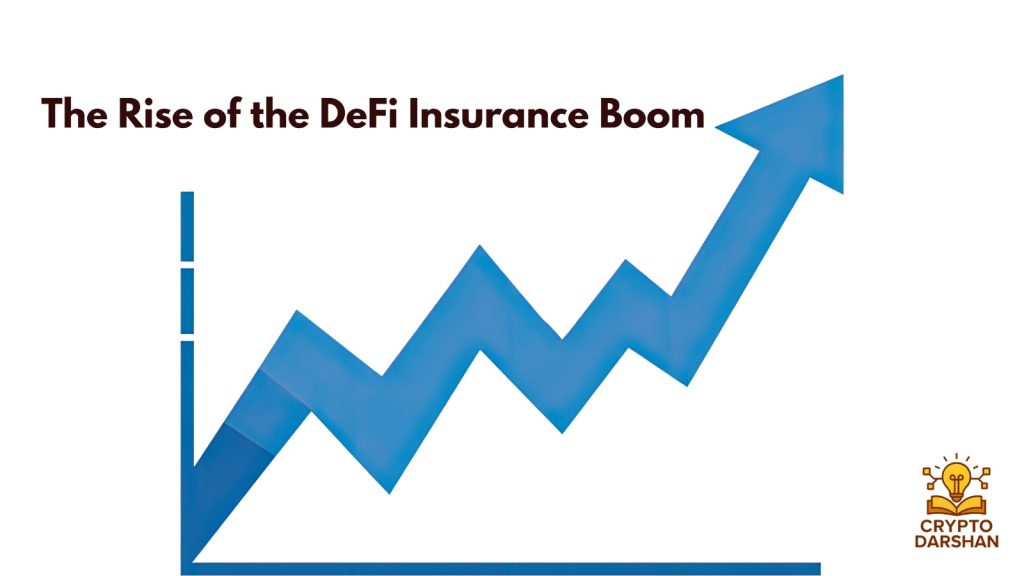
The DeFi Insurance Boom began as decentralized finance gained mainstream attention. DeFi protocols allow users to lend, borrow, trade, and earn interest without intermediaries. However, the absence of centralized oversight also means that users bear full responsibility for their funds. When a smart contract is exploited or a protocol fails, there is often no recourse.
This vulnerability created a demand for decentralized insurance solutions. The DeFi Insurance Boom represents a new wave of innovation where blockchain-based insurance protocols provide coverage against losses from hacks, bugs, and other unforeseen events. These platforms use smart contracts to automate claims, reduce fraud, and ensure transparency.
Nexus Mutual, one of the pioneers in this space, has become a cornerstone of the DeFi Insurance Boom. By leveraging blockchain technology and community governance, it offers a decentralized alternative to traditional insurance models.
Understanding DeFi Insurance
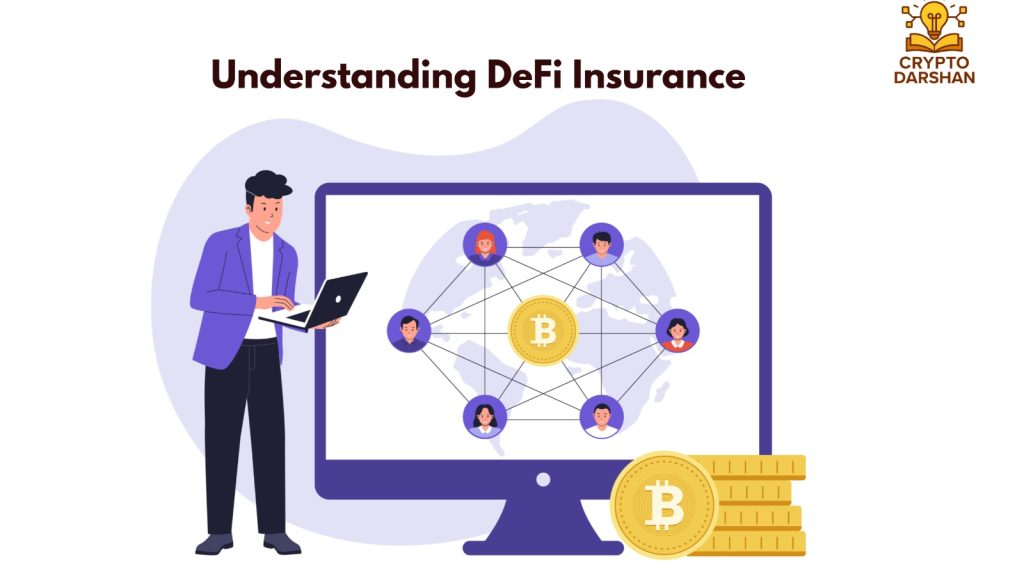
DeFi insurance, or decentralized insurance, is a natural application of decentralized finance. There are two main branches to consider in the fast-growing field of DeFi insurance. The first is blockchain-based insurance used to replace traditional insurance policies. The second is blockchain-based insurance that mitigates the risks associated with DeFi activity. DeFi insurance operates on the same principles as traditional insurance but with a decentralized twist. Instead of relying on centralized companies, DeFi insurance protocols use smart contracts and community-driven pools to manage risk and payouts.
Key Features of DeFi Insurance
- Smart Contract Coverage
Protects users from losses due to vulnerabilities or exploits in smart contracts. - Custody Coverage
Protects against losses from centralized exchange hacks or wallet breaches. - Yield Protocol Coverage
Covers losses from DeFi yield farming or staking protocols that fail or are exploited. - Decentralized Governance
Policyholders and token holders participate in governance decisions, including claim approvals and protocol upgrades. - Transparency and Automation
All transactions and claims are recorded on the blockchain, ensuring transparency and reducing the risk of manipulation.
The DeFi Insurance Boom has made these features more accessible, allowing investors to protect their assets without relying on traditional insurers.
The Role of Nexus Mutual in the DeFi Insurance Boom

Nexus Mutual is a decentralized insurance platform built on the Ethereum blockchain. It allows users to share risk through a mutual model, where members pool funds to cover potential losses. This community-driven approach has positioned Nexus Mutual as a leader in the DeFi Insurance Boom.
How Nexus Mutual Works
- Membership Model
Users become members by purchasing NXM tokens, which represent their stake in the mutual. - Risk Assessment
Members assess the risk of different protocols and determine coverage pricing based on community consensus. - Claims Process
When a loss occurs, members submit claims that are evaluated and voted on by other members. Approved claims are paid out automatically through smart contracts. - Capital Pool
All funds are held in a shared capital pool, which grows as more members join and purchase coverage. - Governance
Members participate in governance decisions, ensuring that the platform evolves in line with community interests.
Through this model, Nexus Mutual has become a cornerstone of the DeFi Insurance Boom, offering a transparent, fair, and decentralized way to manage risk.
Why the DeFi Insurance Boom Matters

The DeFi Insurance Boom is not just a trend—it represents a fundamental shift in how financial protection is delivered in the digital age. Traditional insurance companies often struggle to adapt to the fast-paced world of blockchain. DeFi insurance protocols, on the other hand, are built for this environment.
Key Benefits of the DeFi Insurance Boom
- Decentralization
Removes intermediaries, reducing costs and increasing efficiency. - Transparency
All transactions and claims are verifiable on the blockchain. - Accessibility
Anyone with an internet connection can purchase coverage, regardless of location. - Community Governance
Policyholders have a direct say in how the platform operates. - Innovation
The DeFi Insurance Boom encourages experimentation and the creation of new coverage types tailored to emerging risks. - Trust Restoration
By providing safety nets, DeFi insurance helps rebuild trust in decentralized finance after high-profile hacks and exploits.
The Growing Need for DeFi Insurance
The DeFi Insurance Boom is driven by the increasing frequency and scale of DeFi-related hacks. In recent years, billions of dollars have been lost due to vulnerabilities in smart contracts, flash loan attacks, and protocol mismanagement. As the DeFi ecosystem expands, so does the attack surface.
Common Risks in DeFi
- Smart Contract Bugs
Coding errors can lead to exploits that drain funds from protocols. - Oracle Manipulation
Attackers can manipulate price feeds to trigger liquidations or profit from arbitrage. - Rug Pulls
Developers abandon projects after collecting investor funds. - Liquidity Risks
Sudden withdrawals can destabilize liquidity pools. - Governance Attacks
Malicious actors exploit governance mechanisms to take control of protocols. Understanding smart contract vulnerabilities is crucial, explore how exploits happen in our guide on Hidden Risks in DeFi Platforms Most Investors Ignore
The DeFi Insurance Boom addresses these risks by offering coverage that mitigates potential losses, giving investors confidence to participate in DeFi markets.
Nexus Mutual’s Impact on Investor Confidence
Nexus Mutual has played a pivotal role in the DeFi Insurance Boom by providing reliable coverage options for major DeFi protocols. Its smart contract cover has protected users of platforms like Aave, Compound, and Uniswap. By offering protection against contract failures, Nexus Mutual has helped investors feel more secure in deploying capital across DeFi ecosystems.
Case Studies
- Smart Contract Exploit Coverage
When a major DeFi protocol suffered a hack, Nexus Mutual processed claims efficiently, demonstrating the power of decentralized insurance. - Exchange Hack Protection
Nexus Mutual’s custody coverage has provided peace of mind for users storing assets on centralized exchanges. - Yield Farming Protection
As yield farming gained popularity, Nexus Mutual expanded its offerings to cover risks associated with staking and liquidity provision.
These examples highlight how the DeFi Insurance Boom is not just theoretical—it has real-world applications that protect investors and strengthen the DeFi ecosystem.
How to Get Coverage with Nexus Mutual

Participating in the DeFi Insurance Boom through Nexus Mutual is straightforward. The process is designed to be transparent and user-friendly.
Steps to Purchase Coverage
- Join Nexus Mutual
Sign up and become a member by purchasing NXM tokens. - Select Coverage Type
Choose from smart contract cover, custody cover, or yield protocol cover. - Specify Coverage Amount and Duration
Determine how much protection is needed and for how long. - Pay Premium
Premiums are paid in NXM tokens, which are used to fund the capital pool. - Monitor Coverage
Track coverage status and claims through the Nexus Mutual dashboard.
By following these steps, investors can actively participate in the DeFi Insurance Boom and protect their portfolios from potential losses.
The Economics Behind the DeFi Insurance Boom

The DeFi Insurance Boom is underpinned by innovative economic models that align incentives between policyholders, stakers, and governance participants.
Tokenomics of Nexus Mutual
- NXM Token: Represents membership and voting rights within the mutual.
- Staking Mechanism: Members stake NXM tokens to assess risk and earn rewards.
- Capital Efficiency: The capital pool grows as more members join, increasing the platform’s ability to pay claims.
- Dynamic Pricing: Premiums adjust based on demand, risk levels, and pool size.
This economic structure ensures sustainability and scalability, fueling the ongoing DeFi Insurance Boom.
Challenges Facing the DeFi Insurance Boom

While the DeFi Insurance Boom offers immense potential, it also faces several challenges that must be addressed for long-term success.
Key Challenges
- Regulatory Uncertainty
The legal status of decentralized insurance remains unclear in many jurisdictions. - Capital Efficiency
Maintaining sufficient liquidity to cover large-scale claims can be difficult. - Risk Assessment
Evaluating the security of complex smart contracts requires specialized expertise. - Adoption Barriers
Many investors are still unaware of DeFi insurance or hesitant to trust decentralized systems. - Scalability
As demand grows, platforms must ensure that governance and claims processes remain efficient.
Despite these challenges, the DeFi Insurance Boom continues to gain momentum as developers and communities innovate to overcome obstacles. Many major losses come from bridge exploits, learn more in Cross-Chain Bridges Fixed? Multichain Wallets That Won’t Get Hacked.
The Future of the DeFi Insurance Boom

The DeFi Insurance Boom is still in its early stages, but its trajectory points toward a future where decentralized insurance becomes a standard component of the blockchain economy.
Emerging Trends
- Cross-Chain Coverage
As multi-chain ecosystems expand, insurance protocols will offer coverage across different blockchains. - Parametric Insurance
Automated payouts triggered by predefined conditions will streamline claims processing. - Integration with DeFi Platforms
Insurance options will be embedded directly into DeFi applications, making coverage seamless. - AI and Risk Modeling
Artificial intelligence will enhance risk assessment and pricing accuracy. - Institutional Adoption
As the DeFi Insurance Boom matures, institutional investors will increasingly rely on decentralized insurance to manage risk.
These trends indicate that the DeFi Insurance Boom is not a passing phase but a foundational shift in how financial protection is delivered.
Comparing DeFi Insurance to Traditional Insurance

The DeFi Insurance Boom highlights the stark differences between decentralized and traditional insurance models.
| Aspect | Traditional Insurance | DeFi Insurance (Nexus Mutual) |
| Centralization | Managed by corporations | Community-governed |
| Transparency | Opaque processes | Blockchain-based transparency |
| Claims Processing | Manual and slow | Automated via smart contracts |
| Accessibility | Limited by geography | Global participation |
| Cost Structure | High overhead | Lower due to decentralization |
| Trust Model | Relies on institutions | Relies on code and community |
This comparison underscores why the DeFi Insurance Boom is gaining traction among investors seeking autonomy and transparency.
How the DeFi Insurance Boom Strengthens the DeFi Ecosystem
The DeFi Insurance Boom plays a crucial role in stabilizing and legitimizing decentralized finance. By providing safety nets, it encourages more users to participate in DeFi protocols, increasing liquidity and innovation.
Key Contributions
- Risk Mitigation
Reduces the impact of hacks and exploits on users and protocols. - Investor Confidence
Encourages new participants to enter the DeFi space. - Ecosystem Growth
Supports sustainable expansion by addressing one of DeFi’s biggest pain points—security. - Market Maturity
The presence of insurance options signals that DeFi is evolving into a more mature financial ecosystem.
The DeFi Insurance Boom thus acts as both a catalyst and a stabilizer for the broader blockchain economy.
Community and Governance in Nexus Mutual

Community and governance are the foundation of Nexus Mutual, and they play a vital role in the success of the DeFi Insurance Boom. Unlike traditional insurance companies that are controlled by executives and shareholders, Nexus Mutual is owned and governed by its members. Every participant has a voice in how the platform operates, ensuring fairness, transparency, and decentralization.
1. The Mutual Model
Nexus Mutual operates as a mutual, meaning it is collectively owned by its members rather than external investors. When someone joins Nexus Mutual, they purchase NXM tokens, which represent both membership and voting rights. These tokens give members a direct stake in the platform’s success and a say in its governance.
2. Governance Through NXM Tokens
The NXM token is central to Nexus Mutual’s governance system. It serves multiple purposes:
- Voting Power: Members use NXM tokens to vote on proposals, claims, and protocol upgrades.
- Risk Assessment: Members stake NXM tokens on specific smart contracts or protocols to signal their confidence in their security.
- Incentives: Members who make accurate risk assessments or participate in governance earn rewards in NXM tokens.
3. Claims Assessment and Voting
One of the most important aspects of governance in Nexus Mutual is the claims assessment process. When a member experiences a loss such as a hack or smart contract failure, they can submit a claim. Other members then review the claim and vote on whether it should be approved or denied.
This process is designed to be fair and transparent:
- Evidence Submission: The claimant provides proof of loss.
- Community Review: Members analyze the claim and discuss it openly.
- Voting: Members vote using their NXM tokens.
- Payout: If the claim is approved, the payout is automatically executed through smart contracts.
4. Proposal and Decision-Making Process
Nexus Mutual’s governance extends beyond claims. Members can also propose and vote on changes to the platform, such as:
- Adjusting coverage types or pricing models
- Updating governance rules
- Allocating funds for development or marketing
- Integrating new DeFi protocols for coverage
5. Staking and Risk Assessment
Staking is another critical part of Nexus Mutual’s governance. Members can stake their NXM tokens on specific smart contracts or protocols to indicate their confidence in their security. The more tokens staked, the lower the perceived risk, which can reduce the cost of coverage for that protocol.
Security and Transparency in Nexus Mutual
Security is paramount in the DeFi Insurance Boom, and Nexus Mutual prioritizes it through rigorous audits, transparent operations, and community oversight.
Security Measures
- Smart Contract Audits
Regular audits ensure that the platform’s code is secure and reliable. - On-Chain Transparency
All transactions, claims, and governance decisions are publicly verifiable. - Community Oversight
Members collectively monitor and evaluate the platform’s performance.
These measures reinforce trust and make Nexus Mutual a cornerstone of the DeFi Insurance Boom.
The Broader Impact of the DeFi Insurance Boom
Beyond individual investors, the DeFi Insurance Boom has far-reaching implications for the global financial system. It demonstrates how decentralized models can deliver complex financial services efficiently and transparently.
Economic and Social Impact
- Financial Inclusion: Opens access to insurance for underserved populations.
- Innovation Acceleration: Encourages experimentation in DeFi by reducing risk.
- Resilience: Strengthens the overall stability of the blockchain ecosystem.
- Trust Building: Restores confidence in decentralized systems after high-profile failures.
The DeFi Insurance Boom is thus a key driver of blockchain adoption and financial democratization.
Frequently Asked Questions (FAQ)

1. What is DeFi insurance?
DeFi insurance is a blockchain-based protection system that compensates users if their funds are lost due to smart contract bugs, exchange hacks, or protocol failures. Unlike traditional insurance, it operates without centralized intermediaries.
2. What is Nexus Mutual and how does it work?
Nexus Mutual is a decentralized insurance platform where members pool funds to provide coverage against risks like smart contract exploits. Users purchase coverage, and claims are assessed through a community-driven voting process.
3. What types of risks does Nexus Mutual cover?
Nexus Mutual mainly covers:
- Smart contract failures
- DeFi protocol hacks
- Custodial risks (like exchange breaches)
- Oracle failures (in some cases)
4. How do I buy coverage on Nexus Mutual?
To get coverage, you need to:
- Connect a crypto wallet (like MetaMask)
- Choose a protocol you want to insure
- Select coverage amount and duration
- Pay the premium in crypto
5. Is DeFi insurance safe and reliable?
While platforms like Nexus Mutual are designed to reduce risk, they are still part of the DeFi ecosystem and carry some uncertainty. Claim approvals depend on community voting, so payouts are not always guaranteed.
Conclusion
The DeFi Insurance Boom marks a pivotal moment in the evolution of decentralized finance. As investors seek protection from hacks, exploits, and protocol failures, platforms like Nexus Mutual are leading the charge in redefining financial security. By combining transparency, community governance, and blockchain technology, Nexus Mutual exemplifies how decentralized insurance can protect portfolios and empower users.
The DeFi Insurance Boom is more than a trend; it is a movement toward a safer, more resilient, and inclusive financial future. As the ecosystem continues to grow, decentralized insurance will remain a cornerstone of trust and innovation in the digital economy.