The world of blockchain technology is evolving faster than ever. As new networks emerge, the need for seamless communication between them has become critical. This is where Cross Bridges come into play. These bridges allow digital assets and data to move freely between different blockchains, creating a more connected and efficient ecosystem. However, Cross-Chain Bridges have also been a major target for hackers, leading to billions of dollars in losses across the crypto industry.
The question now is: have Cross-Chain Bridges finally been fixed? Can multichain wallets truly offer security strong enough to prevent hacks? This article explores the evolution of Cross-Chain Bridges, the vulnerabilities that plagued them, the latest security innovations, and how multichain wallets are becoming safer than ever. It also examines the future of blockchain interoperability and what it means for investors, developers, and institutions.
Understanding Cross-Chain Bridges

What Are Cross-Chain Bridges?
Cross-chain bridges are the connective tissue that allow different blockchains to securely share data and assets. At their core, these bridges employ a messaging system that permits blockchains to pass information to each other in a verifiable way. Instead of relying on a centralized intermediary, trustless bridges use automated software on each blockchain to exchange and verify messages independently.
Without Cross-Chain , each blockchain would remain a closed ecosystem, limiting the potential of decentralized finance (DeFi), gaming, and Web3 applications. By linking different chains, Cross-Chain Bridges make it possible for users to access liquidity, applications, and services across multiple networks.
Why Cross-Chain Bridges Matter
The blockchain industry is fragmented, with thousands of networks operating independently. Cross-Chain Bridges solve this fragmentation by enabling communication and asset transfer between chains. This interoperability is essential for:
- DeFi Integration – Users can move assets between DeFi platforms on different blockchains.
- Liquidity Expansion – Cross-Chain Bridges increase liquidity by connecting isolated pools.
- Scalability – Bridges help distribute workloads across multiple chains, improving performance.
- User Flexibility – Users can choose the best blockchain for their needs without being locked into one ecosystem.
- Innovation – Developers can build cross-chain applications that leverage the strengths of multiple blockchains.
The Problem: Why Cross-Chain Bridges Got Hacked

The Scale of the Problem
Over the past few years, Cross-Chain Bridges have been among the most targeted components in the crypto ecosystem. High-profile hacks such as the Ronin Bridge, Wormhole, and Poly Network incidents resulted in losses exceeding $2 billion. These attacks exposed critical vulnerabilities in bridge design and implementation.
Common Vulnerabilities in Cross-Chain Bridges
- Smart Contract Bugs – Many Cross-Chain Bridges rely on complex smart contracts that can contain coding errors. Hackers exploit these bugs to drain funds.
- Centralized Validators – Some bridges depend on a small group of validators to confirm transactions. If these validators are compromised, the entire bridge can be attacked.
- Fake Deposits – Attackers can trick bridges into believing that assets have been deposited on one chain, allowing them to mint tokens on another without backing.
- Private Key Theft – In some cases, hackers gain access to private keys controlling bridge wallets, enabling them to steal funds directly.
- Lack of Auditing – Many Cross-Chain Bridges were launched without thorough security audits, leaving them vulnerable to exploitation.
The Impact of Bridge Hacks
When Cross-Chain Bridges are hacked, the consequences ripple across the entire crypto ecosystem. Users lose funds, trust in DeFi declines, and token prices drop. Moreover, bridge hacks often affect multiple blockchains simultaneously, amplifying the damage. These incidents have forced developers to rethink how Cross-Chain Bridges are built and secured.
The Evolution of Cross-Chain Bridges

From Centralized to Decentralized Bridges
Early Cross-Chain Bridges were often centralized, relying on a single entity or a small group of validators to manage transactions. While this model was simple, it created single points of failure. Modern Cross-Chain Bridges are moving toward decentralized architectures, distributing control among multiple nodes to enhance security and transparency.
The Rise of Trustless Bridges
Trustless Cross-Chain Bridges use cryptographic proofs and smart contracts to verify transactions without relying on intermediaries. Technologies like zero-knowledge proofs (ZKPs) and multi-party computation (MPC) are making it possible to build bridges that operate securely without centralized control.
Layer-2 and Rollup Integration
Layer-2 solutions and rollups are improving the scalability and efficiency of Cross-Chain Bridges. By processing transactions off-chain and settling them on the main chain, these technologies reduce congestion and lower fees while maintaining security.
Interoperability Protocols
Projects like Cosmos (IBC), Polkadot, and Avalanche are developing native interoperability protocols that eliminate the need for external Cross-Chain Bridges. These ecosystems are designed to connect multiple blockchains seamlessly, reducing the risk of hacks and improving performance.
How Cross-Chain Bridges Are Being Fixed

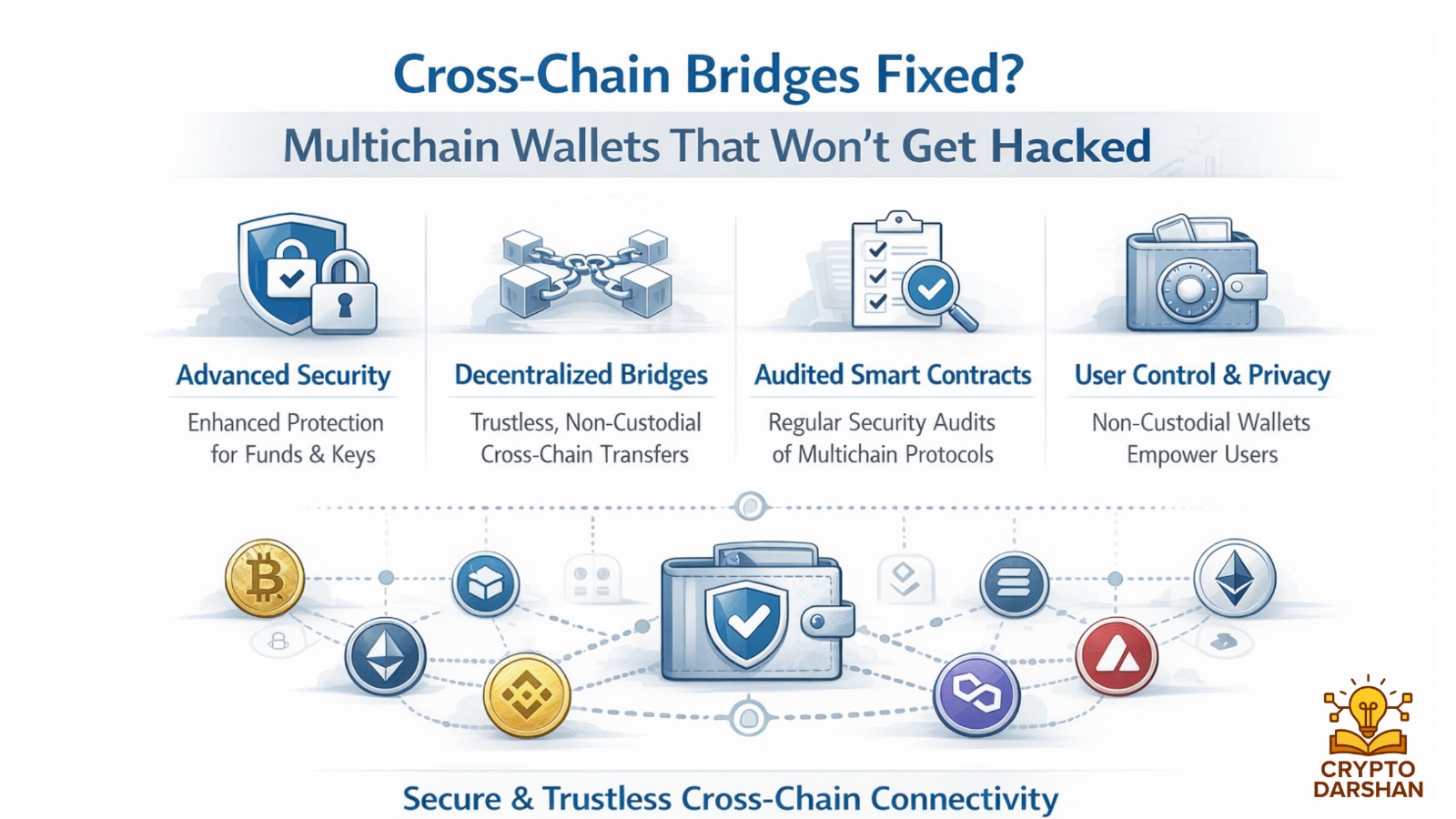
Enhanced Security Architecture
Modern Cross-Chain Bridges are being rebuilt with security as the top priority. Developers are implementing multi-layered protection systems that include:
- Multi-Signature Authentication – Transactions require approval from multiple validators.
- Hardware Security Modules (HSMs) – Private keys are stored in secure hardware devices.
- Threshold Cryptography – Keys are split among multiple parties, preventing single-point compromise.
- Continuous Auditing – Regular third-party audits ensure that vulnerabilities are identified and patched.
Decentralized Validator Networks
Instead of relying on a few validators, new Cross-Chain Bridges use decentralized validator networks. These networks distribute verification responsibilities across hundreds of nodes, making it nearly impossible for attackers to compromise the system.
Real-Time Monitoring and Alerts
Advanced monitoring tools now track bridge activity in real time. Suspicious transactions trigger automatic alerts or freezes, preventing large-scale thefts before they occur. This proactive approach significantly reduces the risk of successful attacks.
Insurance and Recovery Mechanisms
Some Cross-Chain Bridges now include insurance funds or recovery protocols to compensate users in case of a breach. This innovation restores confidence and encourages broader adoption of cross-chain technology.
Formal Verification
Formal verification uses mathematical proofs to confirm that smart contracts behave as intended. By applying this method, developers can ensure that Cross-Chain Bridges are free from critical bugs before deployment.
Multichain Wallets: The Next Step in Secure Interoperability

What Are Multichain Wallets?
Multichain wallets are digital wallets that support multiple blockchains simultaneously. They allow users to store, send, and receive assets across different networks without switching between separate wallets. When integrated with Cross-Chain Bridges, these wallets enable seamless asset transfers between chains.
Safer bridges and multichain wallets are becoming essential as decentralized finance expands, similar to the innovations highlighted in Top Emerging DeFi Projects: T3Tris Finance, Tenbin Labs, and Yield Strategies.
How Multichain Wallets Use Cross-Chain Bridges
Multichain wallets rely on Cross-Chain Bridges to move assets between blockchains. For example, a user can send Ethereum-based tokens to a Binance Smart Chain address using a bridge integrated into the wallet. The wallet handles the technical process behind the scenes, making cross-chain transactions simple and user-friendly.
Security Features of Modern Multichain Wallets
- Non-Custodial Control – Users retain control of their private keys, reducing the risk of centralized hacks.
- Multi-Layer Encryption – Wallets use advanced encryption to protect user data and keys.
- Integrated Bridge Security – Built-in Cross-Chain Bridges are audited and monitored for vulnerabilities.
- Biometric Authentication – Fingerprint and facial recognition add an extra layer of protection.
- Hardware Wallet Integration – Users can connect hardware wallets for enhanced security.
Examples of Secure Multichain Wallets
- MetaMask – Supports multiple networks and integrates with various Cross-Chain Bridges.
- Trust Wallet – Offers cross-chain swaps and supports hundreds of blockchains.
- Rabby Wallet – Designed for DeFi users with built-in bridge compatibility.
- Ledger Live – Combines hardware-level security with multichain functionality.
The Role of Cross-Chain Bridges in DeFi and Web3

DeFi Expansion
Cross-Chain Bridges are essential for the growth of decentralized finance. They allow users to move liquidity between platforms, access yield opportunities, and participate in cross-chain lending and borrowing. Without bridges, DeFi would remain fragmented and inefficient.
NFT and Gaming Integration
In the NFT and gaming sectors, Cross-Chain Bridges enable the transfer of digital assets between different ecosystems. Players can move in-game items or NFTs from one blockchain to another, enhancing interoperability and user experience.
Web3 Connectivity
Web3 applications rely on Cross-Chain Bridges to connect decentralized services across multiple blockchains. This connectivity allows users to interact with dApps, smart contracts, and digital identities seamlessly, regardless of the underlying network.
The Future of Cross-Chain Bridges

Zero-Knowledge Proofs and Privacy
Zero-knowledge proofs (ZKPs) are revolutionizing Cross-Chain Bridges by enabling secure and private transactions. With ZKPs, users can verify transactions without revealing sensitive information, enhancing both security and privacy.
AI-Powered Security
Artificial intelligence is being integrated into Cross-Chain Bridges to detect anomalies and potential threats in real time. Machine learning algorithms can identify suspicious patterns and prevent attacks before they occur.
Quantum-Resistant Cryptography
As quantum computing advances, Cross-Chain Bridges are adopting quantum-resistant cryptographic algorithms to future-proof their security. This ensures that bridges remain secure even against next-generation computational threats.
Interoperability Standards
Industry-wide standards for Cross-Chain Bridges are emerging, promoting consistency and security across different implementations. These standards will make it easier for developers to build reliable and compatible bridges.
Institutional Adoption
As Cross-Chain Bridges become more secure, institutional investors are beginning to explore cross-chain opportunities. Banks, asset managers, and corporations are integrating bridge technology into their blockchain strategies, driving mainstream adoption.
Challenges That Remain

Complexity of Bridge Design
Building secure Cross-Chain Bridges is technically complex. Developers must balance speed, cost, and security while ensuring compatibility with multiple blockchains.
Regulatory Uncertainty
Regulatory frameworks for Cross-Chain Bridges are still evolving. Governments are working to define how cross-chain transactions should be monitored and taxed, creating uncertainty for developers and users.
User Education
Many users still lack an understanding of how Cross-Chain Bridges work. Educating users about bridge security, risks, and best practices is essential to prevent mistakes and scams.
Scalability Issues
As blockchain usage grows, Cross-Chain Bridges must handle increasing transaction volumes without compromising performance. Scalability remains a key challenge for widespread adoption.
Case Studies: Successful Cross-Chain Bridge Implementations

Polygon Bridge
The Polygon Bridge connects Ethereum with the Polygon network, allowing users to transfer assets quickly and cheaply. It uses a combination of smart contracts and validators to ensure secure cross-chain transactions.
Avalanche Bridge
Avalanche’s Cross-Chain Bridge enables seamless transfers between Ethereum and Avalanche. It employs advanced cryptographic techniques and has undergone multiple security audits to prevent hacks.
Cosmos IBC (Inter-Blockchain Communication)
Cosmos IBC is a native interoperability protocol that eliminates the need for external Cross-Chain Bridges. It allows blockchains within the Cosmos ecosystem to communicate directly, reducing security risks.
Wormhole Bridge
Wormhole connects multiple blockchains, including Solana, Ethereum, and Binance Smart Chain. After suffering a major hack, it was rebuilt with enhanced security measures, demonstrating how Cross-Chain Bridges can evolve and improve.
How to Stay Safe When Using Cross-Chain Bridges

Using Cross Bridges can be convenient and powerful, but it also comes with risks. Because these bridges connect different blockchains, they are complex systems that can be exploited if not properly secured. To protect your assets and ensure safe transactions, it’s important to follow best practices and understand how to use Cross-Chain responsibly.
1. Use Verified and Audited Cross-Chain Bridges
Always choose Cross-Chain Bridges that have undergone independent security audits by reputable firms. Audits help identify vulnerabilities in smart contracts and bridge protocols before they can be exploited. Verified bridges often publish their audit reports publicly, allowing users to review the findings. Avoid using new or unverified bridges that lack transparency or documentation.
2. Check for Decentralization and Validator Security
The level of decentralization in Cross-Chain directly affects their safety. Bridges that rely on a small number of validators or a single operator are more vulnerable to attacks or insider manipulation. Decentralized bridges distribute control among many validators, making it harder for any single entity to compromise the system.
Before using a bridge, research how its validator network works:
- How many validators are there?
- Are they independent and geographically distributed?
- What consensus mechanism do they use?
3. Verify Bridge URLs and Avoid Phishing Scams
Phishing attacks are common in the crypto world. Hackers often create fake websites that look identical to legitimate Cross-Chain to trick users into connecting their wallets. Once connected, these fake sites can steal private keys or drain funds.
To stay safe:
- Always double-check the URL before connecting your wallet.
- Bookmark the official bridge website.
- Never click on bridge links shared through social media, emails, or unknown sources.
- Use browser extensions that warn you about suspicious or fake crypto sites.
4. Start with Small Test Transactions
When using a Cross-Chain Bridge for the first time, always start with a small test transaction. This helps confirm that the bridge is functioning correctly and that your assets will arrive safely on the destination chain. Once you verify the process, you can proceed with larger transfers.
This simple step can prevent major losses if something goes wrong, such as a network delay, incorrect address, or bridge malfunction.
5. Use Hardware Wallets for Extra Security
Hardware wallets, such as Ledger or Trezor, store your private keys offline, making them immune to most online attacks. When interacting with Cross Bridges, using a hardware wallet ensures that even if the bridge or your computer is compromised, your private keys remain safe.
6. Monitor Transactions and Confirm Details Carefully
Before confirming any transaction on a Cross-Chain Bridge, double-check all details:
- The sending and receiving addresses
- The amount being transferred
- The destination blockchain
- The estimated gas fees
7. Stay Updated on Bridge Security Announcements
Cross-Chain Bridges are constantly evolving, and developers frequently release updates, patches, or maintenance notices. Staying informed about these updates helps you avoid using bridges during high-risk periods, such as when maintenance or upgrades are in progress.
Follow the official communication channels of the bridge project, such as their website, verified Twitter account, or Discord server, to receive accurate information. Avoid relying on unofficial sources or random social media posts.
8. Avoid Using Bridges During Network Congestion
When blockchain networks are congested, transactions can take longer to process or fail. Using Cross-Chain Bridges during these times increases the risk of delays, stuck transactions, or higher fees. If possible, wait until network activity stabilizes before transferring large amounts.
The Connection Between Cross-Chain Bridges and Multichain Wallets

Cross-Chain Bridges and multichain wallets are two sides of the same coin. Bridges provide the infrastructure for interoperability, while wallets offer the user interface for managing assets across chains. Together, they form the foundation of a connected blockchain ecosystem.
As Cross-Chain Bridges become more secure, multichain wallets will continue to evolve, offering users seamless access to multiple blockchains without compromising safety. This synergy will drive the next wave of blockchain adoption, making decentralized finance and Web3 more accessible to everyone.
FAQ

1. What are cross-chain bridges in crypto?
Cross-chain bridges are tools that allow users to transfer digital assets between different blockchain networks. For example, a bridge can move tokens from Ethereum to Solana without selling the asset.
2. Why have cross-chain bridges been frequent targets for hackers?
Cross-chain bridges often hold large pools of locked tokens. If attackers exploit smart contract vulnerabilities or validator weaknesses, they can steal funds. Several major bridge hacks in recent years exposed security flaws in the system.
3. What is a multichain wallet?
A multichain wallet is a crypto wallet that allows users to manage assets across multiple blockchains in one interface. These wallets simplify transactions between networks like Ethereum, Bitcoin, and Solana.
4. How do multichain wallets improve security?
Many modern multichain wallets use advanced security features such as multi-signature approvals, hardware wallet support, and smart contract audits. These layers reduce the risk of hacks compared with older bridge systems.
5. Are cross-chain bridges becoming safer?
Yes, developers are introducing new security models like zero-knowledge proofs, decentralized validators, and trust-minimized bridges to reduce vulnerabilities and make cross-chain transfers safer.
Conclusion
Cross-Chain Bridges have come a long way from their early, vulnerable designs. Through advanced cryptography, decentralized validation, and continuous auditing, developers are fixing the flaws that once made bridges prime targets for hackers. The integration with secure multichain wallets marks a new era of blockchain interoperability one where users can move assets freely and safely across networks.
While challenges remain, the progress made in securing Cross-Chain Bridges is undeniable. As technology continues to advance, the dream of a fully interconnected blockchain ecosystem is becoming a reality. With robust Cross-Chain Bridges and hack-resistant multichain wallets, the future of decentralized finance and Web3 looks more secure, efficient, and inclusive than ever before.