Blockchain technology is often associated with cryptocurrencies like Bitcoin and Ethereum. However, its potential extends far beyond digital currencies. The decentralized, transparent, and secure nature of blockchain has made it a revolutionary force across multiple industries. From supply chain management to healthcare, real estate, and even entertainment, blockchain is reshaping how data is stored, shared, and verified.
This article explores the industries being transformed by blockchain technology, the challenges they face, and the future outlook of this innovation.
Understanding Blockchain Technology.
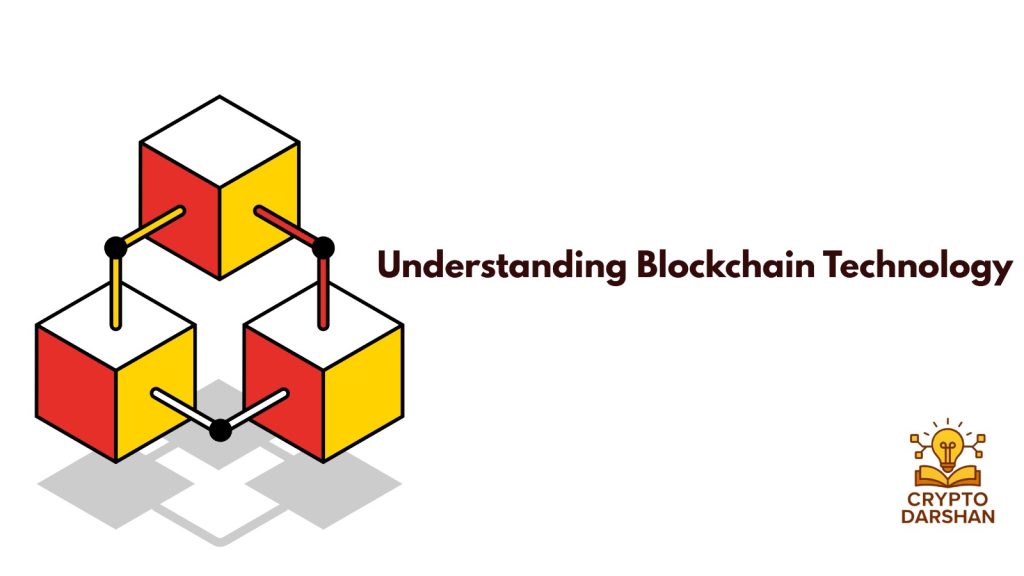
Blockchain is a distributed ledger system that records transactions across multiple computers in a network. Each transaction is stored in a block, and these blocks are linked together in chronological order, forming a chain. Once recorded, the data in a block cannot be altered without altering all subsequent blocks, making blockchain highly secure and tamper-resistant.
Key features of blockchain include:
- Decentralization: No single entity controls the network.
- Transparency: All participants can view transactions.
- Immutability: Data cannot be changed once recorded.
- Security: Cryptographic algorithms protect data integrity.
These features make blockchain ideal for industries that rely on trust, transparency, and data accuracy.
The foundational principles of blockchain technology, such as decentralization, transparency, and trust, originate from Bitcoin’s original design. Our Bitcoin Whitepaper Summary for Beginners explains how these core ideas laid the groundwork for modern blockchain applications beyond cryptocurrency.
1.Supply Chain and Logistics.
Supply chain management represents one of the most promising applications of blockchain technology. Global supply chains have grown increasingly complex, involving numerous stakeholders and crossing multiple international borders. Traditionally, supply chains involve multiple parties: manufacturers, suppliers, transporters, distributors, and retailers, each maintaining their own records. This often leads to inefficiencies, a lack of transparency, and difficulties in tracking goods. Blockchain technology solves these problems by creating a shared, tamper-proof ledger that records every transaction and movement of goods in real time.
1. Transparency and Traceability.
Blockchain provides end-to-end visibility across the entire supply chain. Every product’s journey from raw material sourcing to final delivery is recorded on the blockchain. Each participant can view the same data, ensuring transparency and accountability.
For example, in the food industry, blockchain technology can trace a product’s origin, helping identify contamination sources quickly. If a batch of lettuce is found unsafe, retailers can pinpoint the exact farm it came from and remove only the affected products instead of recalling everything.
2. Reducing Fraud and Counterfeiting.
Counterfeit goods are a major issue in industries like pharmaceuticals, electronics, and luxury products. Blockchain combats this by recording every step of a product’s lifecycle. Each product can be assigned a unique digital identity or QR code linked to blockchain data. Consumers and businesses can scan this code to verify authenticity and ensure the product hasn’t been tampered with.
For instance, pharmaceutical companies use blockchain to track drugs from production to pharmacy shelves, ensuring that counterfeit medicines don’t enter the supply chain.
3. Streamlining Operations with Smart Contracts.
Smart contracts are self-executing agreements coded on the blockchain. They automatically trigger actions when certain conditions are met such as releasing payment once goods are delivered. This automation reduces paperwork, eliminates intermediaries, and speeds up transactions.
For logistics companies, smart contracts can handle customs clearance, insurance claims, and freight payments automatically, saving time and reducing human error.
4. Real-Time Tracking and Efficiency.
Blockchain can integrate with IoT (Internet of Things) devices like GPS trackers and sensors to provide real-time updates on shipment location, temperature, and condition. This is especially useful for perishable goods or sensitive materials that require specific handling conditions.
If a shipment’s temperature exceeds a safe limit, the blockchain record can trigger alerts or insurance claims automatically, ensuring accountability and quick response.
5. Cost Reduction and Sustainability.
By eliminating intermediaries and reducing paperwork, blockchain technology lowers administrative costs. It also helps companies identify inefficiencies in their supply chains, such as delays or waste, leading to more sustainable operations.
For example, companies can track carbon emissions and resource usage across their supply chains, promoting eco-friendly practices and compliance with sustainability goals.
6. Real-World Example.
IBM Food Trust, a blockchain platform developed by IBM, is used by major retailers like Walmart and Nestlé. It allows them to trace food products from farms to store shelves in seconds. This system improves food safety, reduces waste, and builds consumer trust through transparency.
2. Healthcare.

Securing Patient Data.
Healthcare systems handle vast amounts of sensitive patient data. Traditional databases are vulnerable to breaches and unauthorized access. Blockchain provides a secure and decentralized way to store medical records, ensuring that only authorized parties can access them.
Patients can control who views their data, improving privacy and compliance with regulations like HIPAA.
Improving Data Interoperability.
Medical data is often fragmented across different systems, making it difficult for healthcare providers to access complete patient histories. Blockchain enables interoperability by creating a unified, tamper-proof record accessible to authorized users across institutions.
Enhancing Drug Traceability.
Blockchain technology can track pharmaceuticals from production to distribution, preventing counterfeit drugs from entering the market. This ensures patient safety and regulatory compliance.
Example: MediLedger, a blockchain-based project, helps pharmaceutical companies verify the authenticity of drugs and comply with the U.S. Drug Supply Chain Security Act.
3.Real Estate.

The real estate industry has long been known for its complexity, paperwork, and reliance on intermediaries such as brokers, banks, and legal agents. Blockchain technology is transforming this sector by introducing transparency, efficiency, and security into property transactions. It simplifies processes like buying, selling, leasing, and managing properties while reducing fraud and costs.
1. Simplifying Property Transactions.
Traditional real estate transactions involve multiple steps, including title verification, escrow services, and legal documentation, all of which can take weeks or even months. Blockchain streamlines this process by recording property ownership and transaction details on a decentralized ledger.
Each property can be represented as a digital asset on the blockchain, with ownership records stored securely and transparently. When a property is sold, the blockchain automatically updates the ownership record, eliminating the need for manual verification or third-party intermediaries.
This reduces delays, minimizes human error, and cuts down on administrative costs. Buyers and sellers can complete transactions faster and with greater confidence.
2. Tokenization of Real Estate Assets.
One of the most revolutionary applications of blockchain in real estate is tokenization. Tokenization means converting the value of a property into digital tokens that represent fractional ownership.
For example, a $1 million property can be divided into 1,000 tokens worth $1,000 each. Investors can buy and trade these tokens, allowing them to invest in real estate without purchasing an entire property.
This approach democratizes real estate investment, making it accessible to smaller investors and increasing liquidity in a traditionally illiquid market. It also enables global participation, as investors from different countries can invest in tokenized properties without complex cross-border procedures.
3. Transparent and Secure Land Registries.
In many countries, land ownership records are stored in centralized databases or even on paper, making them vulnerable to corruption, loss, or tampering. Blockchain-based land registries solve this problem by creating a permanent, tamper-proof record of property ownership.
Every transaction such as sales, transfers, or mortgages is recorded on the blockchain, ensuring that ownership history is transparent and verifiable. This reduces disputes, prevents fraud, and builds trust between buyers, sellers, and government authorities
Example:
The Republic of Georgia and Sweden have implemented blockchain-based land registry systems. These systems allow citizens to verify property ownership instantly and reduce the risk of fraudulent claims.
4. Smart Contracts in Real Estate.

Smart contracts automate real estate agreements by executing terms automatically when predefined conditions are met. For instance, once a buyer transfers payment, the smart contract can automatically transfer ownership rights to the buyer and update the blockchain record.
This eliminates the need for intermediaries like escrow agents or notaries, saving time and reducing transaction costs. Smart contracts also ensure that all parties adhere to the agreed terms, minimizing disputes.
5. Property Management and Leasing.
Blockchain technology can also simplify property management and rental processes. Rental agreements can be stored as smart contracts, automatically handling rent payments, maintenance requests, and lease renewals.
Tenants and landlords can interact directly through blockchain-based platforms, ensuring transparency and reducing administrative overhead. Payments can be made in digital currencies or stablecoins, enabling faster and more secure transactions.
6. Reducing Fraud and Enhancing Trust.
Real estate fraud, such as fake property listings, forged documents, or double-selling, is a major issue in many markets. Blockchain’s immutable ledger ensures that all property data is verified and cannot be altered once recorded.
Buyers can verify ownership history, property details, and transaction records instantly, reducing the risk of scams. This transparency builds trust among all participants in the real estate ecosystem.
7. Real-World Examples.
- Propy: A blockchain-based real estate platform that allows users to buy and sell properties using smart contracts. It has facilitated blockchain-recorded property sales in the U.S. and Europe.
- Ubitquity: Provides blockchain solutions for title management and property recordkeeping, helping governments and real estate firms maintain secure and transparent databases.
- ATLANT: A platform that enables tokenized real estate trading and peer-to-peer rentals using blockchain technology.
4. Finance and Banking (Beyond Cryptocurrencies).
Institutional interest has played a major role in legitimizing blockchain technology. In What Is a Bitcoin ETF and Should Beginners Buy?, we discuss how regulated financial products are accelerating mainstream adoption of blockchain-based systems.
Cross-Border Payments.
Traditional cross-border payments are slow and expensive due to intermediaries and currency conversions. Blockchain enables near-instant, low-cost international transactions by eliminating middlemen.
Trade Finance.
Blockchain simplifies trade finance by digitizing letters of credit and automating verification processes. This reduces delays and fraud in global trade.
Identity Verification.
Banks can use blockchain for secure and efficient Know Your Customer (KYC) processes. Once a customer’s identity is verified on the blockchain, it can be securely shared with other institutions, reducing duplication and associated costs.
Example: Ripple’s blockchain network facilitates fast and low-cost cross-border payments for financial institutions worldwide.
5. Energy Sector.
Peer-to-Peer Energy Trading.
Blockchain technology enables decentralized energy trading, allowing consumers to buy and sell excess renewable energy directly. Smart contracts automate transactions based on supply and demand.
Grid Management.
Blockchain can optimize energy distribution by recording real-time data on energy production and consumption. This improves grid efficiency and reduces waste.
Renewable Energy Certificates.
Blockchain ensures transparency in the issuance and trading of renewable energy certificates, preventing double-counting and fraud.
Example: Power Ledger, an Australian company, utilizes blockchain to facilitate peer-to-peer energy trading and monitor renewable energy usage.
6. Education.

Verifying Academic Credentials.
Fake degrees and certificates are a growing problem. Blockchain allows educational institutions to issue tamper-proof digital diplomas that can be easily verified by employers.
Streamlining Student Records.
Blockchain can store academic records, transcripts, and achievements in a secure and accessible format. Students can share their verified credentials with universities or employers instantly.
Decentralized Learning Platforms.
Blockchain technology supports decentralized education platforms where learners can earn tokens for completing courses or contributing content, creating a transparent and rewarding learning ecosystem.
Example: The Massachusetts Institute of Technology (MIT) issues blockchain-based digital diplomas to graduates, ensuring authenticity and easy verification.
7. Government and Public Sector.

Transparent Voting Systems.
Blockchain-based voting systems can eliminate electoral fraud by providing a secure and transparent record of votes. Each vote is recorded as a transaction, ensuring accuracy and preventing tampering.
Public Records Management.
Governments can use blockchain to manage public records such as birth certificates, marriage licenses, and identity documents. This reduces bureaucracy and enhances data security.
Tax Collection and Welfare Distribution.
Blockchain technology can streamline tax collection and welfare payments by automating transactions and reducing corruption.
Example: Estonia uses blockchain technology to secure government data and provide digital identity services to its citizens.
8. Entertainment and Media.

Protecting Intellectual Property.
Artists, musicians, and content creators often struggle with copyright infringement and unfair revenue distribution. Blockchain enables creators to register their work and track its usage, ensuring fair compensation.
Transparent Royalty Payments.
Smart contracts can automate royalty payments to artists whenever their work is used or streamed, eliminating intermediaries and delays.
Digital Collectibles and NFTs.
Non-fungible tokens (NFTs) have revolutionized digital ownership by allowing creators to sell unique digital assets. Beyond art, NFTs are being used in gaming, sports, and virtual real estate.
Example: Platforms like Audius use blockchain to give musicians control over their music distribution and earnings.
9. Agriculture.

Farm-to-Table Transparency.
Blockchain provides traceability in the agricultural supply chain, allowing consumers to verify the origin and quality of food products.
Fair Trade and Payments.
Farmers can receive direct payments through blockchain-based systems, reducing dependency on intermediaries and ensuring fair compensation.
Agricultural Insurance.
Smart contracts can automate insurance claims based on real-time data such as weather conditions or crop yields, improving efficiency and trust.
Example: AgriDigital uses blockchain to manage grain supply chains, ensuring transparency and timely payments to farmers.
10. Legal Industry.

Smart Contracts.
Smart contracts automate legal agreements, executing terms automatically when conditions are met. This reduces the need for intermediaries and speeds up contract enforcement.
Secure Document Management.
Blockchain ensures the authenticity and integrity of legal documents, preventing tampering or unauthorized access.
Intellectual Property Rights.
Law firms can use blockchain to register and track intellectual property, ensuring transparent ownership and reducing disputes.
Example: OpenLaw uses blockchain to create and manage legally binding smart contracts.
11. Transportation and Mobility.
Vehicle Tracking and Maintenance.
Blockchain can record vehicle history, including maintenance, ownership, and accident records. This increases transparency in the used car market.
Ride-Sharing Platforms.
Decentralized ride-sharing platforms built on blockchain eliminate intermediaries, allowing drivers and passengers to connect directly and share profits more fairly.
Autonomous Vehicles.
Blockchain can facilitate secure communication between autonomous vehicles, ensuring data integrity and safety.
Example: MOBI (Mobility Open Blockchain Initiative) is a consortium of automakers exploring blockchain applications in mobility and transportation.
12. Insurance.
Fraud Prevention.
Insurance fraud costs billions annually. Blockchain technology provides a transparent record of claims and transactions, reducing fraudulent activities.
Automated Claims Processing.
Smart contracts can automatically verify and process claims based on predefined conditions, improving efficiency and customer satisfaction.
Risk Assessment.
Blockchain enables insurers to access accurate and verified data for better risk assessment and pricing.
Example: B3i (Blockchain Insurance Industry Initiative) is a consortium of insurers using blockchain to streamline reinsurance transactions.
13. Retail and E-Commerce.
Product Authenticity.
Blockchain helps verify the authenticity of products, especially in luxury goods and electronics, by tracking their journey from manufacturer to consumer.
Supply Chain Transparency.
Retailers can use blockchain to ensure ethical sourcing and sustainability, providing consumers with detailed product information.
Loyalty Programs.
Blockchain-based loyalty programs allow customers to earn and redeem tokens across multiple brands, increasing engagement and flexibility.
Example: Alibaba uses blockchain to track product authenticity and combat counterfeit goods in its e-commerce ecosystem.
14. Environmental Sustainability.
Carbon Credit Trading.
Blockchain ensures transparency in carbon credit trading, preventing double-counting and fraud. Companies can track and verify their carbon offset activities.
Waste Management.
Blockchain technology can track waste collection and recycling processes, ensuring accountability and promoting sustainable practices.
Conservation Efforts.
Blockchain technology enables transparent funding and tracking of conservation projects, ensuring that donations are used effectively.
Example: Verra uses blockchain to verify and track carbon credits, promoting environmental accountability.
15. Humanitarian Aid and Nonprofits.

Transparent Donations.
Blockchain ensures that donations reach their intended recipients by providing a transparent record of transactions. Donors can track how their funds are used.
Identity Verification for Refugees.
Blockchain-based digital identities help refugees access essential services like healthcare and education without traditional documentation.
Disaster Relief.
During disasters, blockchain can expedite the allocation of resources and relief, cutting down on corruption and delays.
Example: The World Food Programme’s “Building Blocks” project uses blockchain to distribute food aid to refugees efficiently and transparently.
Challenges in Blockchain Technology Adoption.
Despite its potential, blockchain faces several challenges:
- Scalability: Current blockchain networks struggle with high transaction volumes.
- Regulation: Lack of clear regulations creates uncertainty for businesses.
- Energy Consumption: Some blockchain systems, especially proof-of-work models, consume significant energy.
- Integration: Integrating blockchain with existing systems can be complex and costly.
- Public Perception: Many still associate blockchain solely with cryptocurrencies, limiting broader adoption.
The Future of Blockchain Technology.
Blockchain technology is still evolving, and its full potential is yet to be realized. Emerging trends include:
- Interoperability: Connecting different blockchain networks for seamless data exchange.
- Green Blockchain: Developing energy-efficient consensus mechanisms.
- Decentralized Identity (DID): Empowering individuals to control their digital identities.
- Integration with AI and IoT: Combining blockchain with artificial intelligence and the Internet of Things for smarter, more secure systems.
Blockchain is also reshaping how individuals earn and receive income globally. In How Cryptocurrency Is Changing Freelancing and Online Payments, we explore how decentralized payment systems empower freelancers with faster payouts and fewer platform restrictions.
Frequently Asked Questions (FAQ)
1. What is blockchain technology beyond cryptocurrency?
Blockchain is a decentralized digital ledger that records data securely and transparently. Beyond crypto, it is used for data management, automation, identity verification, and trust-building across multiple industries.
2. Which industries benefit the most from blockchain technology?
Industries such as supply chain, healthcare, banking, real estate, education, insurance, and government benefit the most due to blockchain’s transparency, security, and efficiency.
3. How does blockchain improve supply chain management?
Blockchain enables real-time tracking of goods, verifies product authenticity, and reduces fraud by creating an immutable record of every transaction across the supply chain.
4. How is blockchain used in healthcare?
In healthcare, blockchain secures patient records, improves data sharing between institutions, and reduces data tampering while maintaining patient privacy.
5. Can blockchain be used by governments?
Yes. Governments use blockchain for digital identity systems, secure voting, public records management, and transparent distribution of public funds.
6. How does blockchain help in real estate?
Blockchain simplifies property transactions by automating contracts, reducing paperwork, preventing fraud, and enabling faster ownership transfers through smart contracts.
7. Is blockchain adoption expensive for businesses?
Initial implementation can be costly, but long-term benefits such as reduced operational costs, improved efficiency, and fewer intermediaries often outweigh the expenses.
8. Does blockchain replace traditional systems?
Blockchain does not completely replace traditional systems but enhances them by improving transparency, security, and automation in existing processes.
9. What is the future of blockchain beyond crypto?
Blockchain is expected to become a core technology for digital infrastructure, powering automation, data security, and trust across industries worldwide.
Conclusion.
Blockchain technology is far more than the foundation of cryptocurrencies. Its ability to provide transparency, security, and decentralization is transforming industries across the globe. From healthcare and real estate to energy, education, and beyond, blockchain is redefining how data is managed and trust is established. While challenges remain, the ongoing innovation and adoption of blockchain signal a future where transparency and efficiency become the norm across all sectors.
As blockchain technology adoption expands across industries, its role in global commerce continues to grow. Our article Is Crypto Becoming a Global Payment Standard? examines whether blockchain-powered systems could eventually become the backbone of international payments and digital economies.