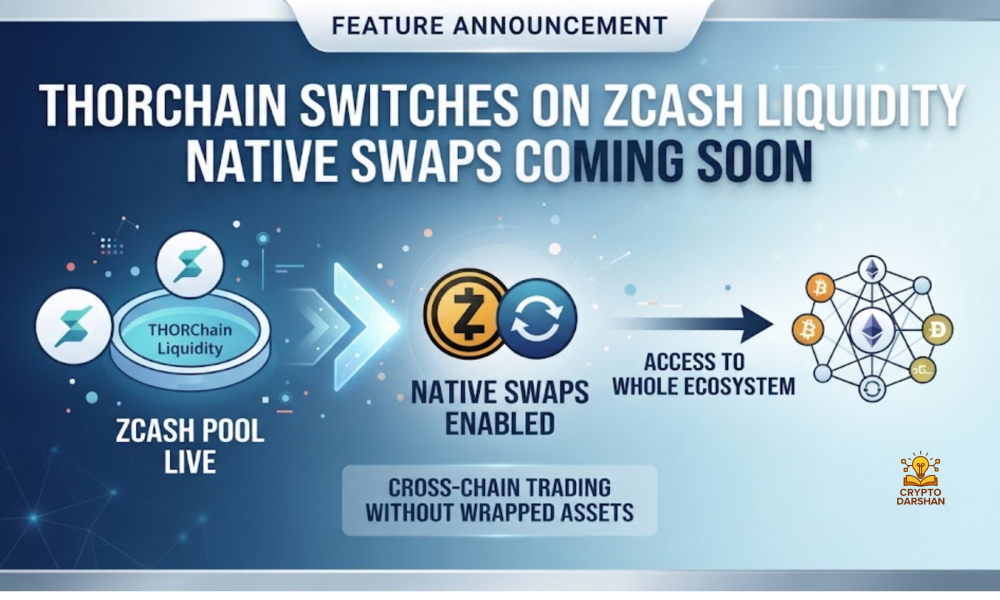
THORChain has activated its Zcash (ZEC) liquidity pool, marking a key milestone in bringing the privacy-focused coin into its cross-chain decentralized exchange. The network completed a node churn on October 2, 2026, with all nodes now monitoring the Zcash blockchain. Native ZEC trading is set to follow as the next phase, though the protocol warns that early liquidity will be shallow and traders should proceed with caution.
ZEC pool live, trading still pending
The new ZEC pool gives THORChain a live venue for Zcash liquidity before user swaps are fully enabled. In its October 2 announcement, THORChain stated: “Trading is the next step,” clearly separating pool activation from the start of active trading.
Liquidity depth remains limited at launch. THORChain cautioned that “liquidity is shallow for now and will grow over time, so trade with caution in the early days.” The post did not disclose exact pool size or a firm timeline for enabling swaps, signaling a gradual rollout rather than a hard switch-on date.
On THORChain’s network explorer, active nodes now list ZEC with an “OK” status alongside Bitcoin, Ethereum, and other supported chains, confirming that node operators are successfully monitoring Zcash.
Months of engineering to support a UTXO privacy coin
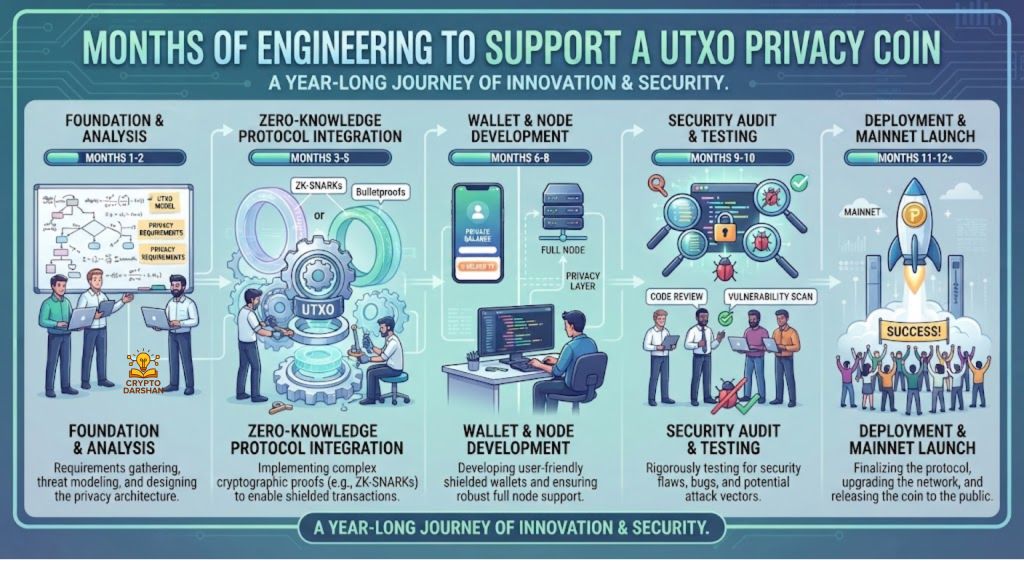
Zcash integration required extensive protocol work throughout 2026. THORChain’s March 4 upgrade added chain-specific UTXO handling and RPC logic tailored to Zcash’s design, along with ZEC oracle support for native price tracking inside the protocol.
Subsequent updates refined fee reporting and solvency calculations. A March GitLab change corrected how ZEC network fees were treated, fixing an issue where the full ZIP-317 fee was incorrectly handled like a per-byte rate in one calculation.
Development continued into September with fixes for signing inconsistencies. A THORNode merge request addressed cases where transaction expiry was calculated from different local chain tips, causing nodes to produce different signing digests. The fix tied expiry to an agreed Zcash height at a fixed THORChain height and preserved that value during retries and restarts, while introducing periodic updates via network-fee reports.
On September 17, THORChain’s blog confirmed Zcash as the next mainnet chain after a stability-focused period, keeping timing conditional until nodes were ready to monitor and the liquidity pool could go live.
Why Zcash is different for a cross-chain DEX
Zcash is a UTXO-based privacy coin, unlike account-based chains such as Ethereum. This required THORChain to implement several ZEC-specific settings:
- Address validation and gas-unit definitions for Zcash transactions.
- Dust thresholds, block timing, and coinbase parameters aligned with ZEC’s consensus rules.
- Inbound transaction requirements and oracle feeds for reliable price data.
THORChain’s model relies on continuous liquidity pools with RUNE as the settlement asset. Users swap native assets—no wrapped tokens or centralized custodians are needed. For ZEC, this means native Zcash can move directly into swaps against BTC, ETH, and stablecoins once trading is fully enabled.
The phased approach reflects the reality of integrating a privacy coin: thin initial liquidity, higher potential slippage on larger trades, and the need for robust node-level monitoring before full swap activation.
Shallow liquidity and early-trading risks
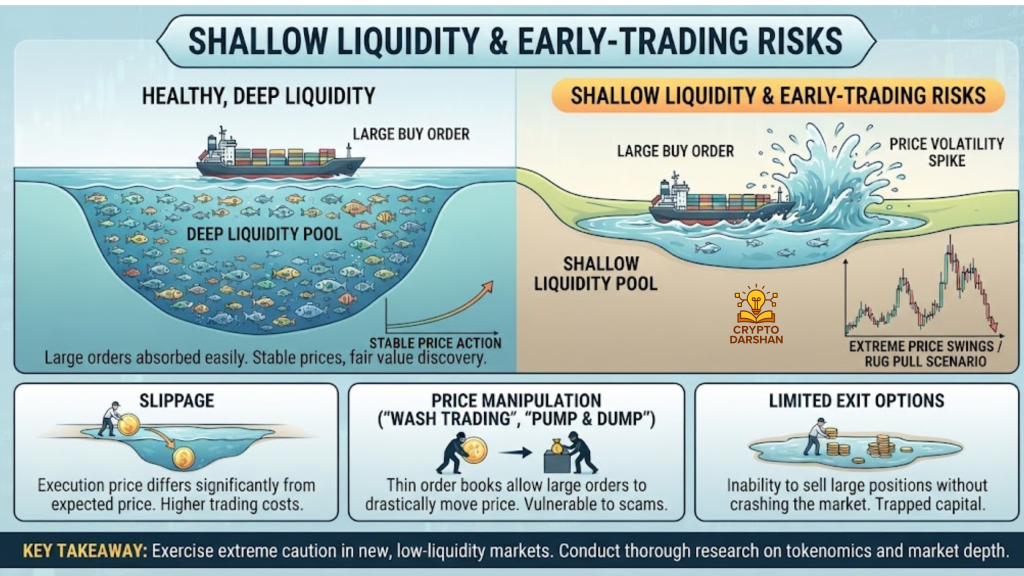
THORChain’s October 2 warning focuses squarely on liquidity conditions. With the ZEC pool just opened, available depth is limited, which can lead to:
- Higher slippage on medium to large swaps.
- Wider effective spreads between quoted and executed prices.
- Greater sensitivity to single large trades moving the pool balance.
The protocol’s documentation describes its exchange as a set of permissionless, continuous liquidity pools. As more liquidity providers deposit ZEC and RUNE into the pool, depth should improve and trading conditions stabilize. Until then, small to medium-sized swaps are likely to experience better execution than large orders.
Recent scrutiny over cross-chain swaps and stolen funds
The ZEC launch comes amid heightened attention on THORChain’s role in cross-chain movement of compromised funds. In late September 2026, Bitget reported unauthorized transfers totaling around $387.5 million, including activity across XRP, ETH, USDT, ZEC, USDC, and other assets. Investigators traced some of these funds through THORChain swaps.
On-chain data showed wallets linked to the Bitget attacker executing multiple THORChain swaps, converting roughly 2,390 ETH into about 75.2 BTC, worth around $6.3 million at the time. Bitget asked THORChain to block transactions from identified attacker addresses, but the protocol declined, stating its emergency mechanisms can pause chains or the entire network for solvency reasons but cannot selectively freeze individual addresses or swaps.
THORChain’s October 1 blog post reiterated that major protocol decisions require node-operator consensus, typically at a two-thirds threshold, and that its design does not support granular transaction-level censorship. This stance follows similar debates after the February 2025 Bybit hack, where a significant share of converted assets reportedly passed through THORChain.
Bitget’s recovery page now lists attacker addresses across EVM chains, XRP Ledger, Zcash, and Tron, offering a 5% bounty for assistance in freezing or recovering funds,
What’s next for ZEC on THORChain
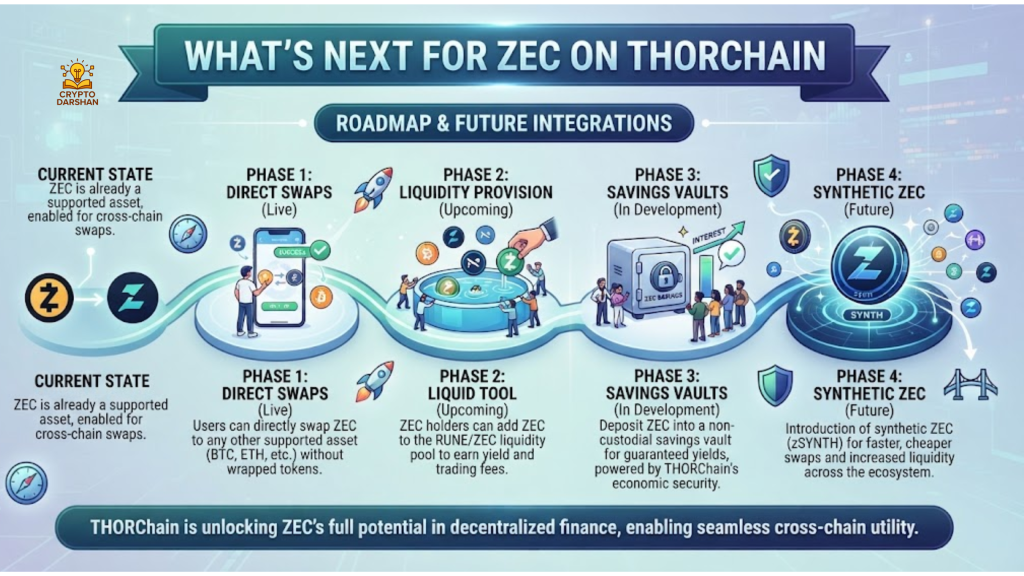
With the ZEC pool live and nodes actively monitoring Zcash, the next step is enabling native ZEC trading. THORChain has not announced a precise date, but the infrastructure—UTXO handling, RPC logic, oracle feeds, and signing fixes—is in place.
As liquidity grows and early trading data comes in, THORChain is likely to refine parameters such as swap size limits, fee tiers, and slippage tolerances specific to ZEC. For privacy-coin holders, the integration promises a non-custodial path to move Zcash into Bitcoin, Ethereum, and stablecoins without relying on centralized exchanges or wrapped tokens.
Bottom line
THORChain’s Zcash pool is now live, with all nodes monitoring the ZEC chain and native trading slated to follow. Early participants should expect shallow liquidity and higher slippage, but the integration marks a significant step toward self-custodial, cross-chain swaps for one of crypto’s most prominent privacy assets.