


Vietnam has not yet issued its first full crypto exchange license, but five companies have cleared the initial assessment stage under the country’s tightly controlled five-year digital asset market pilot. Passing this review is a major milestone, yet it does not grant permission to operate. The firms must still meet strict capital, security, and governance requirements before the Ministry of Finance can issue operating Crypto Licenses
What “Clearing the First Review” Actually Means
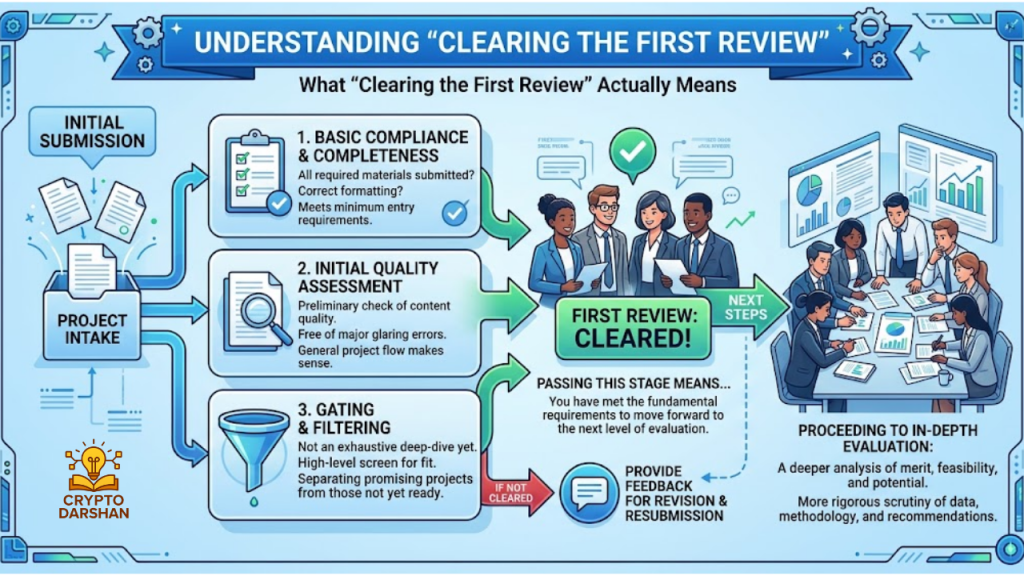
The five applicants have had their dossiers assessed as complete and valid, meaning they meet the baseline eligibility criteria set out in Vietnam’s Resolution No. 05/2025/NQ-CP. However, this is only the first phase of a multi-step licensing process.
Authorities have not publicly named all five firms in official statements, though industry reports and expert commentary identify them as
- VIX Digital Asset Exchange (VIXEX), linked to the VIX ecosystem
- Loc Phat Vietnam Crypto Asset Exchange (LPEX), associated with LPBank
- Vietnam Prosperity Crypto Asset Exchange (CAEX), backed by VPBank/VPBankS and LynkiD
- Techcom Digital Asset Exchange (TCEX), connected to Techcombank/TCBS
- Vietnam Digital Assets JSC, backed by Sun Group
Importantly, these are best described as “pre-qualified applicants,” not yet Crypto Licensed exchanges. No final licensing decisions or operating dates have been announced.
High Entry Barriers: Capital, Security, and Ownership Rules
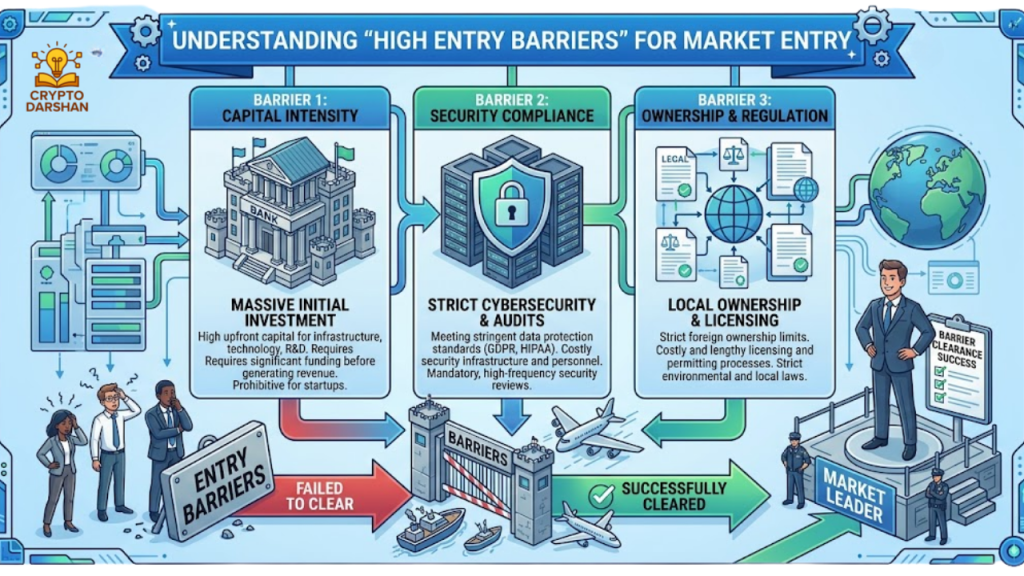
Vietnam’s pilot framework is designed to limit participation to well-capitalized, institutionally backed players. Key requirements include:
- Minimum charter capital: 10 trillion Vietnamese dong (about $383 million), fully contributed in VND.
- Institutional ownership: At least 65% of capital must come from institutional shareholders, with more than 35% contributed by two or more qualifying organizations such as commercial banks, securities firms, fund managers, insurers, or technology companies.
- Cybersecurity certification: Applicants must obtain Level 4 information-system security certification from the Ministry of Public Security before commencing operations.
- Governance and compliance: Robust systems for custody, transaction monitoring, AML/KYC, investor protection, and complaint handling are mandatory.
The 10 trillion dong figure is charter capital, not a fee paid to the government. It remains unclear whether all five preliminary applicants have already secured the full amount.
New Penalties Take Effect September 1 — But Trader Fines Are Delayed
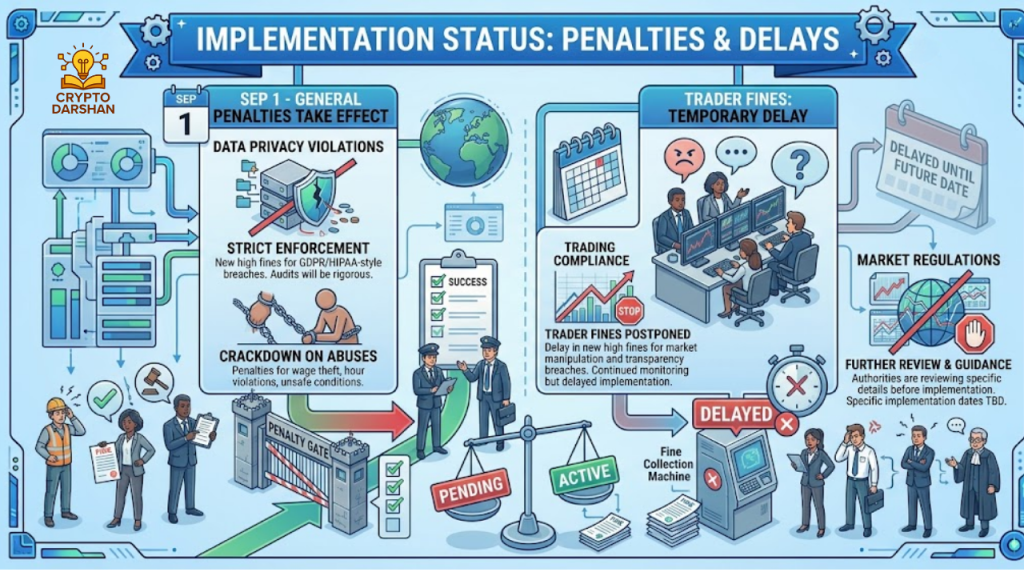
Decree No. 284/2026/ND-CP, which sets administrative penalties for crypto-market violations, takes effect on September 1, 2026. The decree targets unlicensed platforms and service providers, with fines of:
- 180–200 million dong for organizations offering crypto services or advertising exchanges without a crypto license.
- 50–70 million dong for Crypto License providers failing to verify customers or protect account data.
- Up to 200 million dong for organizations and 100 million dong for individuals in severe cases.
Crucially, domestic investors will not face immediate fines for trading on offshore or unlicensed platforms. Under Article 7 of Resolution 05, the six-month transition period for investors begins only after the Ministry of Finance issues its first license to a crypto asset service provider. Since no license has been issued yet, the clock has not started.
What Comes Next: The Road to a Live Market
The next major milestone is the Ministry of Finance issuing its first operating crypto license. That decision will:
- Trigger the six-month countdown for domestic investors to migrate to crypto licensed platforms.
- Signal the official launch of Vietnam’s regulated crypto trading pilot.
- Allow locally issued, real-world asset-backed tokens to be offered to foreign investors through licensed venues.
Vietnam’s framework initially permits only domestically issued crypto assets backed by real-world assets (RWAs), excluding securities and fiat representations. Stablecoins like USDT remain prohibited for trading and settlement.
Why This Matters for Investors and the Regional Crypto Landscape
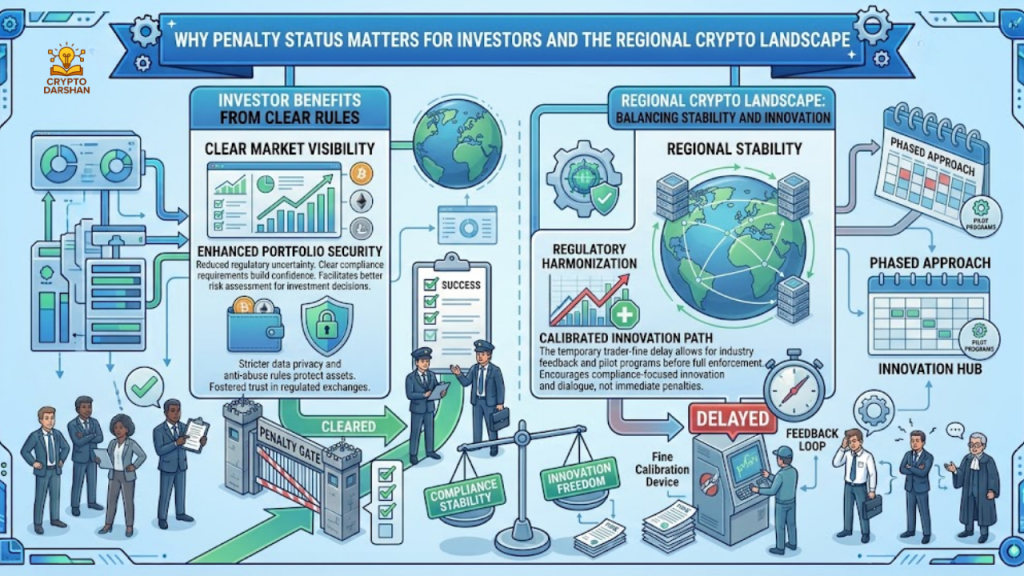
Vietnam’s approach reflects a broader regional trend toward tightly supervised, institution-led crypto markets. By capping the number of crypto licensed operators at five and imposing high capital and security thresholds, Hanoi aims to:
- Minimize systemic risk and protect retail investors.
- Encourage traditional financial institutions to lead infrastructure development.
- Create a controlled on-ramp for foreign capital into tokenized Vietnamese assets.
For now, investors should treat the “five firms clear first review” headline as progress, not permission. Operating crypto licenses, trading launch dates, and enforcement timelines will depend on official notices from the Ministry of Finance and the State Securities Commission.