The financial world is undergoing a massive transformation. Decentralized finance (DeFi) has disrupted traditional banking by offering open, permissionless, and transparent financial services powered by blockchain technology. At the heart of this revolution are Decentralized Exchanges (DEXs) platforms that allow users to trade digital assets directly without intermediaries.
As DeFi continues to grow, a pressing question emerges: Will traditional banks launch their own DEXs?
This question is not just theoretical. In 2026, several major financial institutions have already begun exploring blockchain-based trading systems, tokenized assets, and decentralized settlement layers. The idea of banks operating their own DEXs is no longer far-fetched it’s becoming a strategic consideration for survival in a rapidly evolving financial landscape.
This article explores the potential for traditional banks to launch decentralized exchanges, the challenges they face, the regulatory implications, and how such a move could reshape global finance.
Understanding DEXs: The Foundation of Decentralized Trading

What Is a DEX?
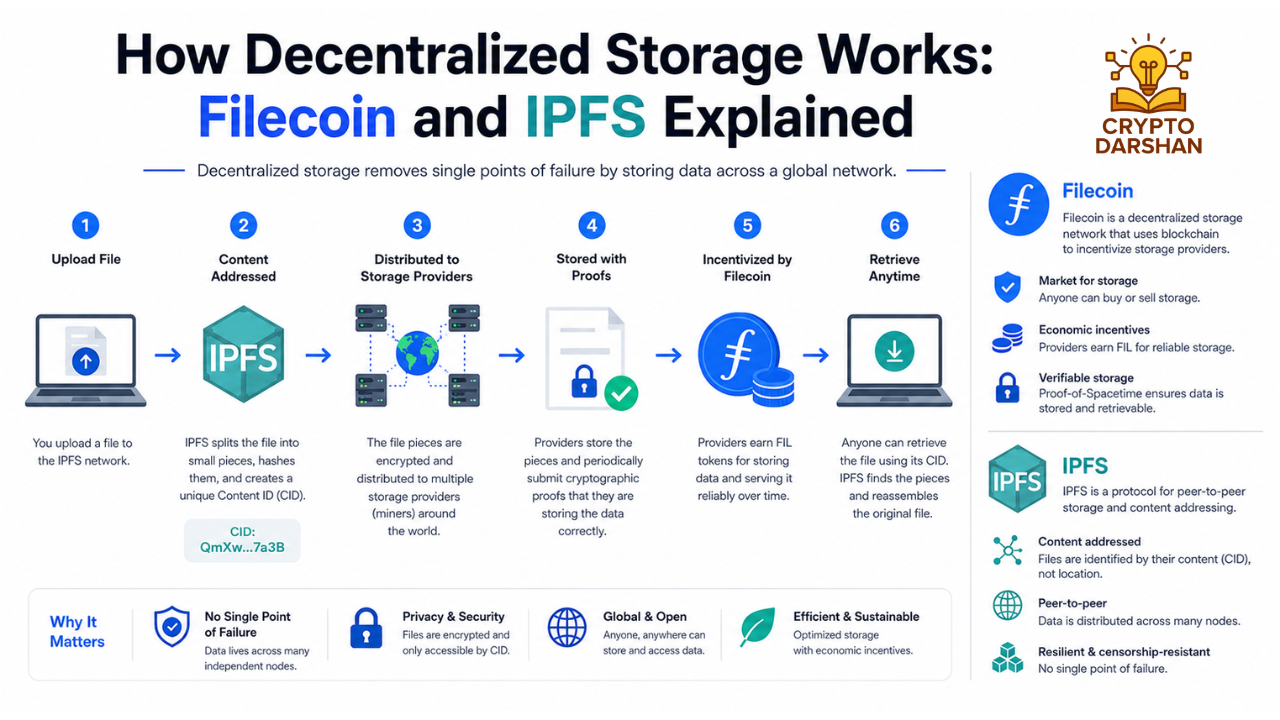
A decentralized exchange (better known as a DEX) is a peer-to-peer marketplace where transactions occur directly between crypto traders. Unlike centralized exchanges (CEXs) such as Binance or Coinbase, DEXs operate through smart contracts self-executing programs that automatically match and settle trades on the blockchain.
How DEXs Work
DEXs use liquidity pools instead of traditional order books. Users deposit tokens into these pools, and trades occur directly between participants. Smart contracts handle pricing, execution, and settlement, ensuring transparency and eliminating the need for custodians.
Key Features of DEXs
- Non-Custodial Trading: Users always retain control of their funds.
- Transparency: All transactions are recorded on the blockchain.
- Global Accessibility: Anyone with an internet connection can participate.
- Reduced Counterparty Risk: No central entity can freeze or misuse funds.
- Programmable Finance: Smart contracts enable automated trading strategies and yield generation.
DEXs represent the purest form of decentralized finance open, borderless, and community-driven. However, they also face challenges such as liquidity fragmentation, scalability, and regulatory uncertainty.
Why Traditional Banks Are Paying Attention to DEXs

1. The Rise of Tokenized Assets
The tokenization of real-world assets (RWAs) such as bonds, equities, and real estate has become one of the fastest-growing trends in finance. Banks are exploring blockchain to issue, trade, and settle these assets more efficiently. A DEX could serve as the infrastructure for trading tokenized securities, offering instant settlement and reduced operational costs.
2. Growing Demand for Transparency
After years of financial scandals and opaque operations, consumers and regulators are demanding more transparency. Blockchain-based exchanges provide immutable records of all transactions, reducing fraud and improving auditability an attractive feature for banks seeking to rebuild trust.
3. Competitive Pressure from DeFi
DeFi platforms have proven that financial services can operate without intermediaries. Lending, borrowing, and trading can all occur through smart contracts. To remain competitive, banks must adapt or risk losing relevance. Launching their own DEXs could allow them to participate in the DeFi ecosystem while maintaining regulatory compliance.
4. Efficiency and Cost Reduction
Traditional financial systems rely on multiple intermediaries clearinghouses, custodians, and settlement agents. DEXs eliminate these layers, enabling near-instant settlement and lower transaction costs. For banks, this means faster operations and improved profitability.
5. Regulatory Evolution
Regulators are beginning to recognize the potential of blockchain technology. Frameworks for digital assets are emerging in major financial centers like Singapore, the EU, and the UAE. As legal clarity improves, banks are more confident in exploring decentralized solutions.
The Case for Traditional Banks Launching Their Own DEXs

1. Control Over Compliance
A major concern for regulators is that most DEXs operate anonymously, making it difficult to enforce Know Your Customer (KYC) and Anti-Money Laundering (AML) rules. Banks could solve this by launching regulated DEXs that integrate identity verification and compliance tools while maintaining decentralization at the transaction level.
2. Integration with Central Bank Digital Currencies (CBDCs)
As central banks roll out CBDCs, traditional banks could use DEXs to facilitate cross-border payments and digital asset trading. A bank-operated DEX could serve as a bridge between CBDCs, stablecoins, and tokenized assets, creating a unified digital financial ecosystem.
3. Institutional-Grade Liquidity
Banks already manage vast liquidity pools across global markets. By tokenizing these assets and offering them on a DEX, they could provide deep liquidity and attract institutional investors seeking regulated exposure to digital assets.
Unlike traditional banking systems, DEXs rely on self-custody models, a concept we explored in Wallets Are the New Banks: The Future of Self-Custody.
4. Enhanced Security and Custody Solutions
Banks have decades of experience in asset custody and risk management. Combining this expertise with blockchain’s transparency could create secure, hybrid DEX models that appeal to both retail and institutional clients.
5. Strategic Positioning for the Future
Launching a DEX would position banks as leaders in the digital finance revolution. It would allow them to compete with DeFi platforms, attract tech-savvy customers, and future-proof their business models.
What a Bank-Operated DEX Might Look Like
1. Hybrid Architecture
A bank-operated DEX would likely adopt a hybrid model, combining decentralized trading with centralized compliance. Smart contracts would handle trade execution, while the bank would oversee KYC, AML, and reporting functions.
2. Permissioned Blockchain Networks
Instead of using public blockchains like Ethereum, banks might deploy permissioned blockchains such as Hyperledger Fabric or Corda. These networks allow controlled access, ensuring compliance with financial regulations while maintaining transparency among participants.
3. Tokenized Financial Instruments
Banks could tokenize traditional assets, stocks, and bonds list them on their DEXs. This would enable 24/7 trading, fractional ownership, and instant settlement, revolutionizing capital markets.
4. Integration with Traditional Systems
A DEX operated by a bank would likely integrate with existing financial infrastructure, including payment rails, custody services, and regulatory reporting systems. This would ensure seamless interoperability between traditional and decentralized finance.
5. User Experience and Accessibility
To attract mainstream users, banks would focus on intuitive interfaces, fiat on-ramps, and customer support—areas where traditional DEXs often fall short.
Potential Benefits of Bank-Operated DEXs

1. Trust and Credibility
Banks have established reputations and regulatory oversight, which could make their DEXs more trustworthy to conservative investors wary of DeFi’s risks.
2. Regulatory Compliance
By embedding compliance mechanisms into the DEX architecture, banks can satisfy regulators while offering decentralized trading capabilities.
3. Broader Market Participation
A regulated DEX could attract institutional investors, pension funds, and corporations that currently avoid DeFi due to compliance concerns.
4. Innovation and Efficiency
Blockchain-based trading could streamline settlement, reduce reconciliation errors, and lower operational costs, improving overall market efficiency.
5. Financial Inclusion
By leveraging blockchain, banks could offer global access to financial services, reaching unbanked populations and enabling cross-border transactions with minimal friction.
Challenges Banks Will Face in Launching DEXs

1. Regulatory Complexity
While blockchain regulations are evolving, they remain fragmented across jurisdictions. Banks must navigate complex legal frameworks to ensure compliance with securities laws, data privacy, and anti-money laundering standards.
2. Technological Integration
Integrating blockchain with legacy banking systems is a major challenge. Most banks operate on decades-old infrastructure that is not designed for decentralized networks. Upgrading these systems requires significant investment and technical expertise.
3. Cultural Resistance
Traditional banks are conservative institutions. Shifting from centralized control to decentralized models requires a cultural transformation. Executives and regulators must embrace transparency and open-source collaboration concepts that challenge traditional banking norms.
4. Security and Smart Contract Risks
While blockchain is secure by design, smart contracts can contain vulnerabilities. Banks must implement rigorous auditing and testing to prevent exploits that could lead to financial losses or reputational damage.
5. Market Adoption
Even if banks launch DEXs, attracting users may be difficult. DeFi enthusiasts may distrust centralized institutions, while traditional customers may find blockchain technology intimidating. Education and user-friendly design will be key to adoption.
Regulatory Implications of Bank-Operated DEXs

1. Compliance by Design
Banks will likely build compliance directly into their DEXs. This includes automated KYC/AML checks, transaction monitoring, and reporting tools that satisfy regulators without compromising decentralization.
2. Token Classification
Regulators will need to define how tokenized assets are classified whether as securities, commodities, or currencies. Clear definitions will determine how bank-operated DEXs are governed.
3. Cross-Border Regulation
Since DEXs operate globally, banks must coordinate with multiple regulators to manage cross-border transactions. International cooperation will be essential to prevent regulatory arbitrage.
4. Data Privacy and Security
Banks must balance transparency with privacy. While blockchain records are public, sensitive customer data must remain protected under laws like GDPR and other data protection frameworks.
5. Central Bank Oversight
Central banks may play a supervisory role in ensuring that bank operated DEXs align with monetary policy objectives and financial stability goals.
Examples of Early Bank Blockchain Initiatives

1. JPMorgan’s Onyx and Liink Network
JPMorgan has developed Onyx, a blockchain platform for interbank payments and settlements. Its Liink network connects over 400 financial institutions, demonstrating how banks can use blockchain for secure, efficient transactions.
2. UBS and Tokenized Bonds
UBS issued the world’s first digital bond on a regulated blockchain platform in 2022. This move signaled growing institutional interest in tokenized securities and decentralized settlement systems.
3. HSBC’s Digital Asset Platform
HSBC launched a blockchain-based custody platform for digital assets, allowing institutional clients to store and manage tokenized securities securely.
4. European Investment Bank (EIB)
The EIB issued a €100 million digital bond on Ethereum, showcasing how traditional financial institutions are experimenting with decentralized infrastructure.
5. Singapore’s Project Guardian
Led by the Monetary Authority of Singapore (MAS), Project Guardian explores tokenized assets and DeFi applications within a regulated framework, involving major banks like DBS and Standard Chartered.
These initiatives indicate that banks are already laying the groundwork for decentralized trading systems, even if they haven’t yet launched full-fledged DEXs.
The Future of Banking and Decentralization

1. The Rise of Regulated DeFi
The next phase of DeFi will likely involve Regulated DeFi (RegFi) a hybrid model combining decentralization with compliance. Bank-operated DEXs could become the cornerstone of this new paradigm, offering the best of both worlds.
2. Interoperability Between Banks and DeFi
Future financial systems will be interconnected. Bank DEXs could interact with public DeFi protocols, enabling seamless asset transfers between regulated and open ecosystems.
3. Tokenization of Everything
From real estate to carbon credits, nearly every asset class could be tokenized and traded on blockchain networks. Banks that operate DEXs will be at the center of this transformation, facilitating liquidity and price discovery.
4. AI and Smart Contract Automation
Artificial intelligence will enhance DEX operations by optimizing liquidity management, detecting fraud, and automating compliance. This will make decentralized trading more efficient and secure.
5. Global Financial Inclusion
By leveraging blockchain, banks can extend financial services to billions of unbanked individuals worldwide. DEXs could enable peer-to-peer lending, remittances, and micro-investments without traditional barriers.
Will Banks Actually Launch DEXs?
The idea of traditional banks launching their own decentralized exchanges (DEXs) is no longer a distant concept it’s becoming a strategic possibility. However, banks will not adopt the same open, permissionless model used by platforms like Uniswap or PancakeSwap. Instead, they are likely to develop regulated, permissioned DEXs that combine blockchain efficiency with institutional oversight.
To understand whether banks could build their own decentralized platforms, it’s important to first understand how decentralized exchanges function, as explained in How DEX Liquidity Works.
Below are the key points explaining how and why banks might launch their own DEXs:
1. Hybrid Model: Decentralization with Control
Banks are unlikely to embrace full decentralization. Instead, they will build hybrid DEXs that merge decentralized trading mechanisms with centralized compliance systems.
- Smart contracts will handle trade execution and settlement.
- Banks will oversee KYC (Know Your Customer), AML (Anti-Money Laundering), and reporting functions.
This model allows banks to maintain regulatory control while benefiting from blockchain’s transparency and efficiency.
2. Regulated and Permissioned Networks
Unlike public blockchains, bank operated DEXs will likely run on permissioned blockchains such as Hyperledger Fabric or Corda.
- Only verified participants (banks, institutions, or licensed traders) will be allowed to trade.
- This ensures compliance with financial regulations and prevents illicit activities.
Such networks will balance decentralization with accountability, making them acceptable to regulators and institutional investors.
3. Integration with Tokenized Assets and CBDCs
Banks are already exploring tokenization of real-world assets (RWAs) like bonds, equities, and real estate. A DEX would provide the infrastructure for trading these tokenized instruments.
- Central Bank Digital Currencies (CBDCs) could also be integrated for instant settlement.
- This would enable seamless cross-border payments and 24/7 trading of digital assets.
By combining tokenized assets and CBDCs, banks can create a new digital financial ecosystem.
4. Compliance-First Approach
Regulatory compliance will be the foundation of any bank-operated DEX.
- Automated KYC/AML verification will be built into the platform.
- Transaction monitoring and reporting tools will ensure transparency.
- Smart contracts will include compliance logic to prevent unauthorized trades.
This approach will make DEXs acceptable to regulators while maintaining the benefits of decentralization.
5. Institutional Liquidity and Market Depth
Banks already manage massive liquidity pools across global markets. By tokenizing these assets and offering them on a DEX, they can provide deep liquidity and attract institutional investors.
- Institutional-grade liquidity will make bank DEXs more stable than most DeFi platforms.
- This could also reduce volatility and improve price discovery for digital assets.
6. Enhanced Security and Custody Solutions
Security is a major concern in DeFi. Banks have decades of experience in asset custody, risk management, and compliance.
- They can combine blockchain’s transparency with institutional-grade security.
- Multi-signature wallets, insured custody, and audited smart contracts will protect users.
This will make bank-operated DEXs more appealing to risk-averse investors.
7. Bridging Traditional Finance (TradFi) and DeFi
A bank-operated DEX would act as a bridge between traditional and decentralized finance.
- It would allow users to move assets between fiat and crypto seamlessly.
- Institutional investors could access DeFi yields within a regulated environment.
This hybrid model would accelerate the convergence of TradFi and DeFi ecosystems.
8. Strategic Necessity for Survival
As DeFi continues to grow, banks face increasing competition from decentralized platforms offering faster, cheaper, and more transparent services.
- Launching DEXs allows banks to stay relevant in the digital economy.
- It positions them as innovators rather than laggards in financial technology.
In essence, adopting blockchain-based trading is not just an opportunity it’s a necessity for long-term survival.
9. Gradual Implementation and Partnerships
Banks are unlikely to build DEXs from scratch. Instead, they will partner with blockchain firms and fintech startups to develop compliant platforms.
Pilot programs and sandbox testing will help refine the model before full-scale deployment.
This phased approach reduces risk and ensures regulatory alignment.
Collaborations with established DeFi protocols could accelerate adoption.
FAQ – Will Traditional Banks Launch Their Own DEXs?
1. What is a DEX and how is it different from a traditional exchange?

A Decentralized Exchange (DEX) allows users to trade assets directly from their wallets using smart contracts, without relying on a central intermediary. Unlike traditional bank-operated exchanges, DEXs are non-custodial and operate on blockchain networks.
2. Why would traditional banks consider launching their own DEXs?
Banks may explore DEX-like platforms to:
- Reduce settlement costs
- Enable faster cross-border transactions
- Tokenize real-world assets (RWAs)
- Compete with growing DeFi platforms
- Offer on-chain liquidity solutions
Blockchain infrastructure can significantly streamline back-end financial operations
3. Would a bank-run DEX truly be decentralized?
Not entirely. If a traditional bank launches a DEX, it would likely be a permissioned or hybrid model, combining blockchain infrastructure with regulatory controls such as KYC and AML compliance.
4. How would regulation affect bank-operated DEXs?
Regulation would be central to any bank-driven decentralized exchange. Banks must comply with:
- Know Your Customer (KYC) laws
- Anti-Money Laundering (AML) policies
- Securities regulations
- Capital requirements
This means bank DEXs would likely differ significantly from permissionless DeFi platforms.
5. Are banks already experimenting with DeFi infrastructure?
Yes. Many major financial institutions are:
- Testing tokenized deposits
- Exploring blockchain settlement layers
- Launching digital asset custody services
- Piloting on-chain bond issuance
Some are even using private blockchain networks to replicate DEX-style trading environments internally.
6. What advantages would banks have over existing DEX platforms?
Traditional banks offer:
- Established trust and brand recognition
- Regulatory clarity
- Institutional liquidity
- Large customer bases
These advantages could help them onboard mainstream users into blockchain-based trading systems.
7. What risks would banks face if they launch DEXs?
Key risks include:
- Smart contract vulnerabilities
- Reputational damage from hacks
- Regulatory backlash
- Liquidity fragmentation
- Conflict with existing centralized revenue models
Transitioning from traditional systems to on-chain infrastructure is complex.
8. Would bank DEXs compete with platforms like Uniswap?
Possibly, but they would target different audiences.
Permissionless DEXs attract crypto-native users, while bank-backed DEXs may focus on:
- Institutional investors
- Tokenized securities
- Stablecoin settlements
- Regulated digital asset markets
Conclusion
The question of whether traditional banks will launch their own DEXs is no longer hypothetical it’s a matter of when and how. As blockchain technology matures and regulatory clarity improves, banks are recognizing the potential of decentralized trading to revolutionize finance.
A bank-operated DEX would merge the trust and stability of traditional finance with the innovation and efficiency of DeFi. It could redefine how assets are traded, settled, and owned in the digital age.
The future of finance is not purely centralized or decentralized—it’s hybrid. Banks that embrace this evolution will lead the next generation of financial innovation, while those that resist may find themselves left behind in a world where code, not institutions, governs trust.