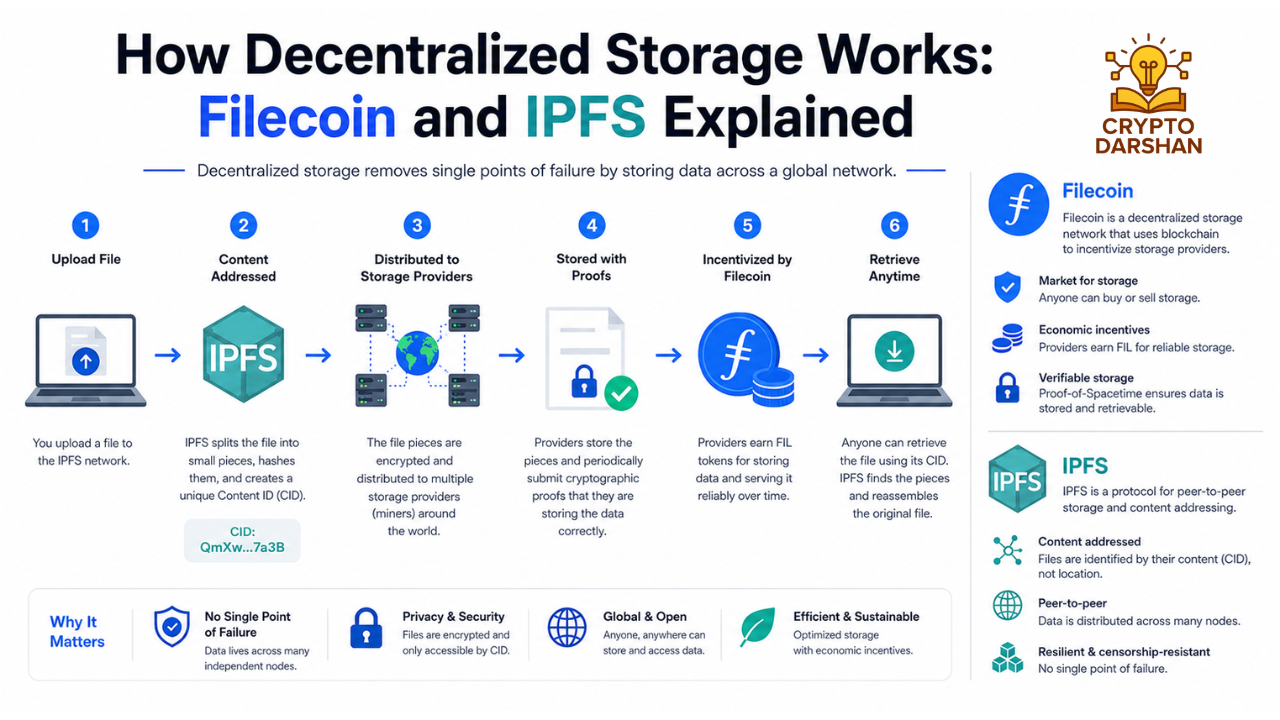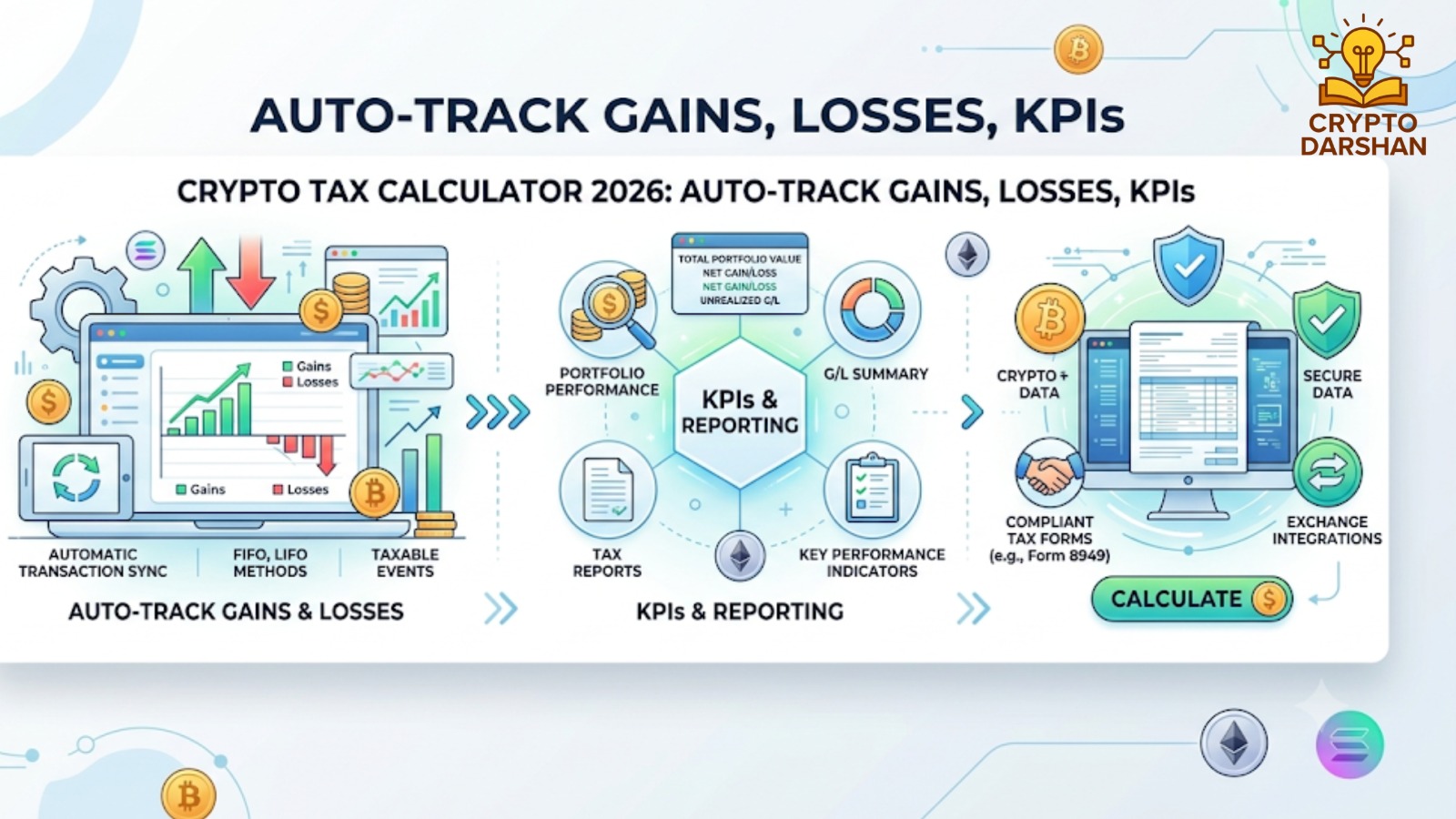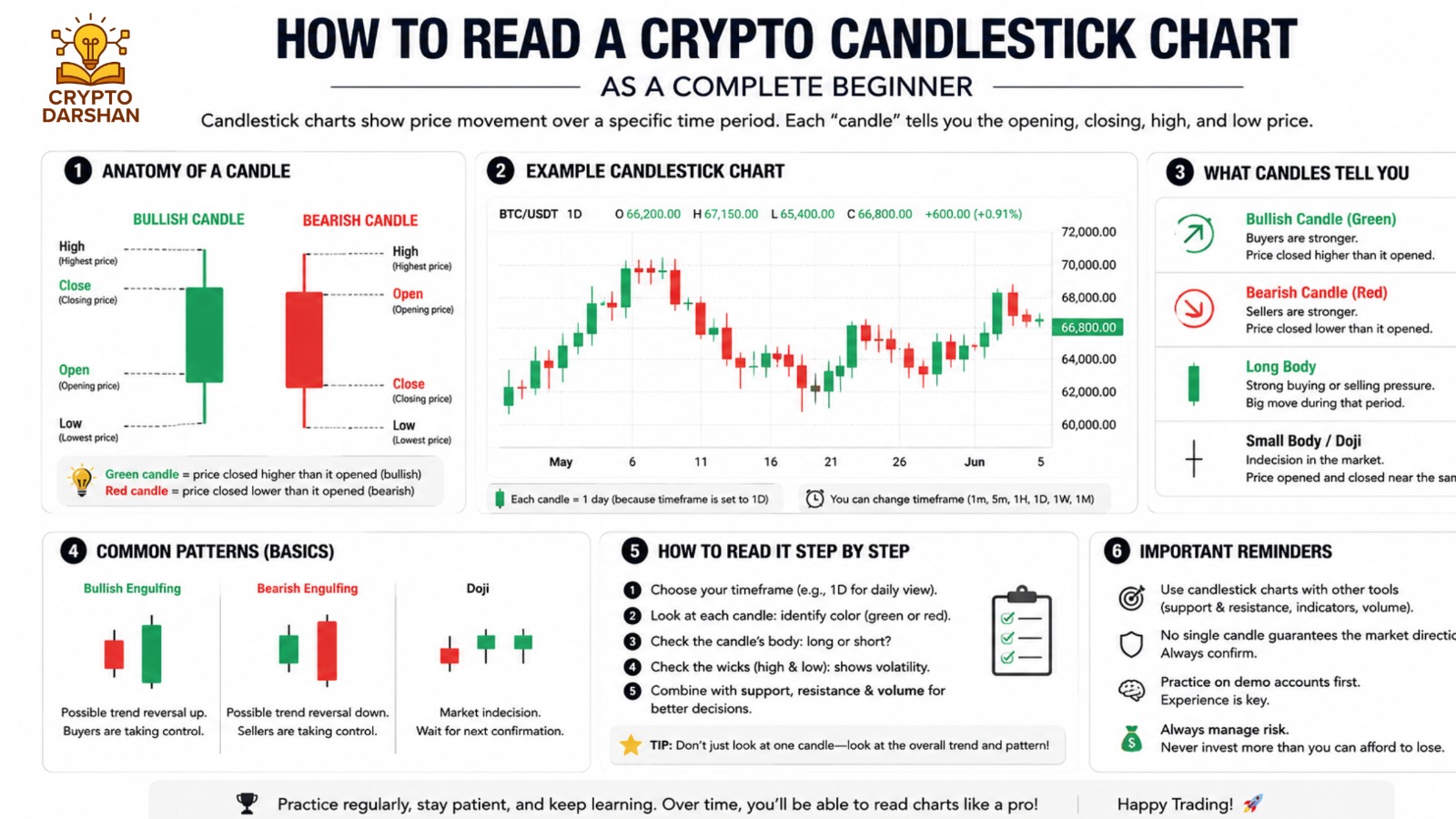


The financial world is undergoing a massive transformation. Traditional banks, once the gatekeepers of money and trust, are being challenged by a new paradigm of self-custody. In the age of blockchain and decentralized finance (DeFi), digital wallets are emerging as the new banks. They empower individuals to hold, manage, and transfer assets without intermediaries. This shift represents more than just a technological upgrade; it’s a philosophical revolution in how people perceive ownership, privacy, and financial freedom.
Self-custody gives users full control over their assets, eliminating the need for third-party institutions. However, with great power comes great responsibility. Managing one’s own funds requires understanding security, recovery, and risk management. As wallets evolve, they are becoming more user-friendly, secure, and integrated with the broader financial ecosystem. This article explores how wallets are replacing banks, the challenges of self-custody, and what the future holds for decentralized finance.
The Evolution of Money and Custody
From Gold to Banks
For centuries, people stored wealth in physical forms, such as gold, silver, and other tangible assets. As trade expanded, carrying physical money became impractical. New Banks emerged as trusted custodians, offering safekeeping and facilitating transactions. Over time, they became central to the global economy, controlling access to credit, payments, and financial services.
The Digital Banking Era
The rise of the internet brought online banking and digital payments. While convenient, these systems still relied on centralized institutions. Users could access their money digitally, but banks retained ultimate control. Accounts could be frozen, transactions reversed, and access restricted based on regulations or policies.
Traditional institutions are taking notice. As seen in Cross-Border Payments: Why Banks Are Quietly Copying Crypto, banks are replicating some wallet features to improve UX and accessibility, showing that the industry is converging toward more user-friendly self-custody solutions.
The Birth of Decentralized Finance
The launch of Bitcoin in 2009 introduced a radical idea: money without intermediaries. Blockchain technology enabled peer-to-peer transactions secured by cryptography rather than trust in institutions. This innovation laid the foundation for decentralized finance, where individuals could hold and manage assets directly through digital wallets.
What Is Self-Custody?
Self-custody means having complete control over one’s digital assets without relying on a third party. In traditional finance, banks or brokers hold assets on behalf of customers. In crypto, users hold their own private keys, the cryptographic proof of ownership. Whoever controls the private keys controls the funds.
The rise of wallets as self-custody hubs brings new responsibilities. As explained in Why Self-Custody Isn’t for Everyone, users gain full control over their assets—but also full responsibility. Mistakes with seed phrases or recovery setups can erase wealth instantly, highlighting the trade-offs between autonomy and safety.
The Role of Wallets
A crypto wallet is a digital tool that stores private keys and allows users to send, receive, and manage cryptocurrencies. Wallets can be software-based (mobile or desktop apps) or hardware-based (physical devices designed for secure storage). They act as the interface between users and the blockchain.
Why Self-Custody Matters
Self-custody embodies the core principle of decentralization. It removes the need to trust intermediaries and gives individuals direct ownership of their assets. This autonomy protects users from censorship, bank failures, and third-party mismanagement. However, it also places the burden of security and recovery entirely on the user.
The Rise of Wallets as Financial Hubs
Beyond Storage: Wallets as Financial Platforms
Modern wallets are no longer just storage tools. They have evolved into comprehensive financial platforms that support trading, staking, lending, and even identity management. Users can earn interest, participate in governance, and access decentralized applications (dApps) directly from their wallets.
Integration with DeFi and Web3
Wallets like MetaMask, Trust Wallet, and Phantom serve as gateways to the decentralized web. They connect users to DeFi protocols, NFT marketplaces, and blockchain games. This integration transforms wallets into multifunctional financial dashboards, replacing many services traditionally offered by banks.
Multi-Asset and Cross-Chain Support
As blockchain ecosystems expand, wallets are becoming multi-chain, allowing users to manage assets across different networks like Ethereum, Solana, and Bitcoin. This interoperability enhances convenience and positions wallets as universal financial tools.
Why Wallets Are the New Banks
1. Direct Ownership and Control
In traditional banking, customers are account holders, not asset owners. Banks can freeze accounts or deny access. In contrast, wallets give users full control. Funds cannot be seized or restricted without the owner’s consent, aligning with the principle of financial sovereignty.
2. Borderless Transactions
Wallets enable instant, global transactions without intermediaries. Sending crypto across borders is faster and cheaper than traditional wire transfers. This accessibility empowers individuals in regions with limited banking infrastructure.
3. 24/7 Accessibility
Banks operate within business hours and are subject to holidays and maintenance periods. Wallets, however, function 24/7, allowing users to transact anytime, anywhere. This constant availability aligns with the digital economy’s pace.
4. Lower Fees and Greater Efficiency
Traditional financial systems involve multiple intermediaries, each charging fees. Wallet-based transactions eliminate these middlemen, reducing costs and improving efficiency. Users retain more value from their transactions.
5. Financial Inclusion
Billions of people worldwide remain unbanked due to a lack of documentation or access to financial institutions. All that’s needed to use a crypto wallet is an internet connection. This inclusivity makes wallets powerful tools for global financial empowerment.
6. Transparency and Trust
Blockchain transactions are transparent and verifiable. Unlike banks, which operate behind closed systems, wallets interact with public ledgers. This transparency builds trust and accountability.
7. Programmable Finance
Smart contract-enabled wallets allow users to automate financial actions like recurring payments, savings, or investments without intermediaries. This programmability introduces flexibility and innovation beyond what banks can offer.
The Challenges of Self-Custody
1. Security Risks
While self-custody eliminates third-party risk, it introduces personal security challenges. Users must protect their private keys from hackers, malware, and phishing attacks. A single mistake can result in irreversible loss.
2. Complexity for New Users
Managing wallets, understanding gas fees, and navigating blockchain networks can be intimidating for beginners. The learning curve remains a major barrier to mainstream adoption.
3. Recovery and Backup Issues
Losing access to a wallet due to a forgotten password or misplaced seed phrase can lead to permanent loss of funds. Unlike banks, there’s no customer support to restore access.4. Regulatory Uncertainty
Governments are still developing frameworks for self-custody and decentralized finance. Unclear regulations can create uncertainty for users and developers alike.
5. Lack of Consumer Protection
In traditional finance, users are protected by insurance and legal recourse. In self-custody, users bear full responsibility for their assets. This lack of safety nets can deter risk-averse individuals.
The Evolution of Wallet Technology

Hardware Wallets: The Gold Standard of Security
Hardware wallets are physical devices designed to store private keys offline, away from internet-connected systems. This isolation makes them highly resistant to hacking and malware attacks. Devices like Ledger and Trezor are popular examples, offering users a secure way to store large amounts of crypto for the long term. However, while they provide excellent protection, they can be less convenient for frequent transactions since users must connect the device each time they want to move funds.
Software Wallets: Balancing Convenience and Security
Software wallets are applications that run on mobile phones, desktops, or browsers. They provide easy access to funds and are ideal for everyday transactions. Examples include MetaMask, Trust Wallet, and Phantom. These wallets connect directly to decentralized applications (dApps) and DeFi platforms, making them versatile and user-friendly. However, because they are connected to the internet, they are more vulnerable to phishing attacks, malware, and human error if not properly secured.
Smart Contract Wallets: Redefining Control and Recovery
A smart contract wallet is a type of cryptocurrency wallet controlled by code, instead of just keys. The rules for how you own and move your funds live on-chain, inside smart contracts deployed on a blockchain (most commonly Ethereum). They allow advanced features like social recovery, spending limits, and multi-signature approvals. Wallets such as Argent and Safe (formerly Gnosis Safe) are leading this innovation. These wallets make self-custody safer and more flexible by allowing users to recover access through trusted contacts or devices, reducing the risk of total loss from misplaced seed phrases.
Multi-Party Computation (MPC) Wallets: Shared Security Without Centralization

MPC wallets use cryptographic techniques to split a private key into multiple encrypted parts stored across different devices or servers. No single entity ever holds the complete key, which significantly reduces the risk of theft or compromise. Even if one part is exposed, the wallet remains secure. ZenGo is a well-known example of an MPC wallet. This technology combines the benefits of decentralization with the convenience of modern security, making it a promising direction for the future of self-custody.
Biometric and Social Recovery: Human-Centric Security
To make wallets more user-friendly, developers are integrating biometric authentication methods such as fingerprint or facial recognition. These features simplify access while maintaining strong security. Additionally, social recovery mechanisms allow users to regain access to their wallets through trusted friends, family members, or secondary devices. This approach removes the need for seed phrases and reduces the fear of permanent loss, making crypto ownership more approachable for everyday users.
Wallets and the Future of New Banks

Decentralized Identity Integration
Future wallets will likely integrate decentralized identity (DID) systems, allowing users to verify their identity without revealing personal data. This could replace traditional KYC processes and enable secure, privacy-preserving financial interactions.
Tokenized Assets and Real-World Integration
As tokenization expands, wallets will hold not just cryptocurrencies but also tokenized stocks, real estate, and commodities. This convergence will blur the line between traditional finance and blockchain-based assets.
Embedded Financial Services
Wallets are evolving into full-fledged financial ecosystems. Users can already borrow, lend, and earn yield directly from their wallets. In the future, wallets may offer insurance, credit scoring, and investment management all without banks.
AI and Automation
Artificial intelligence will enhance wallet functionality by providing personalized financial insights, risk analysis, and automated portfolio management. This will make self-custody more efficient and accessible.
Cross-Chain and Interoperable Wallets
The future of wallets lies in seamless interoperability. Users will be able to manage assets across multiple blockchains from a single interface, simplifying the user experience and expanding financial possibilities.
The Role of Regulation in the Self-Custody Era

Balancing Innovation and Protection
Regulators face the challenge of protecting consumers without stifling innovation. Clear guidelines on wallet security, custody standards, and anti-fraud measures will be essential for mainstream adoption.
Recognizing Wallets as Financial Entities
As wallets take on more banking-like functions, regulators may classify them as financial service providers. This could lead to new compliance requirements, but also greater legitimacy in the financial ecosystem.
Privacy and Data Protection
Self-custody wallets must navigate privacy laws while maintaining transparency. Decentralized identity solutions could help balance compliance with user privacy.
The Social and Economic Impact of Self-Custody
Empowering Individuals
Self-custody shifts financial power from institutions to individuals. It enables people to control their wealth, make independent decisions, and participate directly in global markets.
Reducing Systemic Risk
By decentralizing asset custody, self-custody reduces the risk of large-scale failures like bank collapses or exchange hacks. Funds are distributed across millions of wallets rather than concentrated in a few institutions.
Encouraging Financial Literacy
Managing a wallet requires understanding basic cryptography, security, and blockchain principles. This fosters financial literacy and encourages users to take responsibility for their assets.
Supporting Global Inclusion
In regions with unstable banking systems or limited access to financial services, wallets provide a lifeline. They enable participation in the global economy without reliance on traditional infrastructure.
Case Studies: Wallets Leading the Change

MetaMask
MetaMask has become the most widely used Web3 wallet, connecting millions of users to DeFi, NFTs, and dApps. Its browser extension and mobile app make blockchain interaction simple and accessible.
Trust Wallet
Acquired by Binance, Trust Wallet supports multiple blockchains and offers built-in staking and token swaps. It bridges the gap between centralized and decentralized ecosystems.
Argent
Argent’s smart contract wallet eliminates seed phrases and introduces social recovery. It combines security with simplicity, making self-custody more approachable.
ZenGo
ZenGo uses MPC technology to remove single points of failure. Users don’t manage private keys directly, yet still retain full control of their assets.
Safe (formerly Gnosis Safe)
Safe provides multi-signature wallets for individuals and organizations. It’s widely used by DAOs and crypto projects for secure treasury management.
Overcoming the Barriers to Mass Adoption

Simplified User Experience
Wallets must become as intuitive as mobile banking apps. Clear interfaces, guided onboarding, and built-in safety checks can make self-custody accessible to everyone.
Education and Awareness
Users need to understand the importance of security, backups, and responsible management. Educational initiatives can bridge the knowledge gap and build confidence.
Hybrid Custody Models
Combining self-custody with optional recovery services can offer a balance between autonomy and safety. Semi-custodial solutions may serve as a steppingstone for new users.
Collaboration and Standards
Industry-wide collaboration on wallet standards, interoperability, and security protocols will ensure a consistent and reliable user experience across platforms.
The Future: Wallets as Personal Financial Operating Systems

Unified Financial Management
Future wallets will act as all-in-one platforms where users can manage crypto, fiat, tokenized assets, and digital identities in one place like how operating systems manage multiple applications seamlessly.
Integration of Digital Identity
Wallets will store decentralized identities (DIDs), allowing users to verify themselves online without sharing personal data. This will replace traditional KYC processes and enhance privacy.
Tokenization of Real-World Assets
Users will be able to hold tokenized versions of real-world assets like real estate, stocks, and commodities directly in their wallets, merging traditional finance with blockchain technology.
Automation and Smart Contracts
Smart contract integration will enable automated financial actions such as recurring payments, savings, and investments, turning wallets into programmable financial assistants.
AI-Powered Financial Insights
Artificial intelligence will analyze user activity and market trends to provide personalized insights, risk assessments, and portfolio optimization directly within the wallet.
Cross-Chain Interoperability
Future wallets will support multiple blockchains, allowing users to move assets and interact with decentralized applications across networks without switching platforms.
Embedded Financial Services
Wallets will offer built-in services like lending, borrowing, insurance, and yield generation, eliminating the need for traditional banks or third-party intermediaries.
Frequently Asked Questions (FAQ)

What does “wallets are the new banks” actually mean?
It means crypto wallets are evolving beyond simple storage tools into full financial interfaces. Modern wallets can hold assets, make payments, interact with apps, earn yield, and manage identity functions traditionally handled by banks.
How are crypto wallets different from traditional banks?
Banks custody funds, approve transactions, and control access. Self-custody wallets put users in direct control of their assets and keys. There’s no intermediary, no account approval, and no permission required to transact.
Is self-custody really safer than using new banks?
It depends on the user. Self-custody removes counterparty risk but introduces personal security risk. Users gain sovereignty but must manage private keys, recovery methods, and security practices themselves.
Why are wallets becoming more powerful now?
Advances like smart contract wallets, account abstraction, social recovery, and passkey authentication are transforming wallets into programmable financial tools rather than static key holders.
Do wallets replace banks entirely?
Not completely at least not yet. Wallets are replacing many functions of banks, but banks still provide credit, compliance layers, and consumer protections that wallets are only beginning to replicate.
What role do seed phrases play in modern wallets?
Seed phrases remain the foundation of many wallets, but newer designs aim to hide or replace them with safer recovery systems. The future of wallets depends on reducing user exposure to irreversible mistakes.
Are wallets only for crypto-native users?
Historically yes, but that’s changing. Wallets are increasingly designed for mainstream users with simpler onboarding, familiar interfaces, and recovery options that resemble traditional financial apps.
How do wallets enable financial inclusion?
Wallets allow anyone with internet access to store value, send payments, and access financial services without needing a bank account, credit history, or geographic approval.
Conclusion
The rise of self-custody marks a turning point in financial history. Wallets are no longer just tools for crypto enthusiasts they are becoming the new banks of the digital age. By giving individuals full control over their assets, wallets embody the principles of freedom, transparency, and inclusion that define the blockchain revolution.
However, with this empowerment comes responsibility. Users must learn to manage their security, understand risks, and embrace new technologies. As wallets continue to evolve integrating smart contracts, social recovery, and decentralized identity, they will bridge the gap between traditional finance and the decentralized future.
The world is moving toward a system where every individual can be their own bank. Wallets are leading this transformation, shaping a future where financial power truly belongs to the people.