
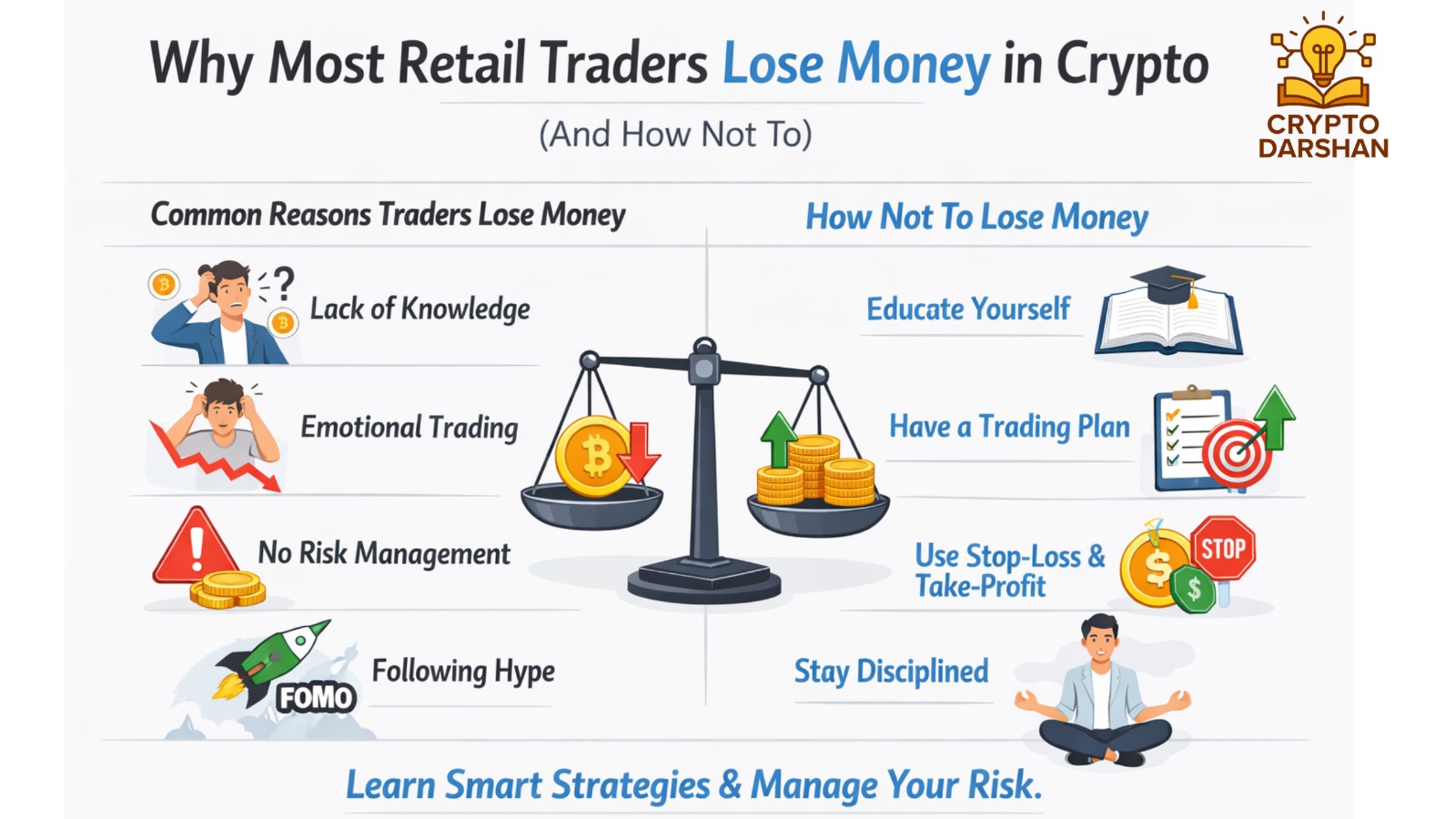
The world of cryptocurrency trading has exploded in popularity over the past decade. From Bitcoin’s early days to the rise of altcoins, decentralized finance (DeFi), and non-fungible tokens (NFTs), millions of people have entered the market hoping to make quick profits. Yet, despite the hype and opportunity, most retail traders lose money in crypto. Studies and exchange data consistently show that a large percentage of retail traders fail to achieve consistent profitability.
This article explores the reasons behind these losses and provides practical strategies to help retail traders avoid common pitfalls. By understanding market psychology, risk management, and trading discipline, retail traders can improve their chances of success in the volatile crypto market.
Understanding Retail Traders in Crypto

A retail trader refers to an individual investor who buys and sells financial instruments such as stocks, bonds, and derivatives, typically through brokerage accounts, rather than for a living or through a financial institution. Unlike institutional traders, retail traders use their own capital and generally trade in smaller amounts. Unlike institutional traders, retail traders often have limited capital, less access to advanced tools, and less experience in financial markets.
In the crypto space, retail traders are drawn by the promise of high returns, 24/7 markets, and the excitement of new technologies. However, this accessibility also exposes them to high volatility, emotional decision-making, and scams.
The crypto market is unique because it operates without centralized regulation, allowing retail traders from all over the world to participate freely. But this freedom comes with risks that many underestimate. If you’re just starting out, check out our guide on Day Trading Crypto for Beginners: Start With Just $100 to avoid the most common early mistakes.
The Psychology of Retail Traders

1. Fear of Missing Out (FOMO)
One of the biggest psychological traps for retail traders is FOMO. When prices surge, social media and news outlets amplify the excitement, making it seem like everyone is getting rich. Retail traders often buy at the top, driven by emotion rather than analysis.
FOMO leads to impulsive decisions, poor entry points, and eventual losses when the market corrects.
2. Greed and Overconfidence
After a few successful trades, retail traders may become overconfident. They start increasing their position sizes, ignoring risk management, and believing they can predict market movements. Greed blinds them to potential risks, leading to large losses when the market turns against them.
3. Panic Selling
When prices drop sharply, retail traders often panic and sell at a loss. This emotional reaction locks in losses that could have been avoided with a disciplined strategy. Panic selling is one of the main reasons retail traders fail to profit in volatile markets.
4. Lack of Patience
Crypto markets move fast, but sustainable profits require patience. Many retail traders expect instant results and abandon strategies too quickly. Successful trading requires time, consistency, and emotional control.
Common Mistakes Retail Traders Make

1. Trading Without a Plan
Many retail traders enter the market without a clear strategy. They rely on social media tips, random signals, or gut feelings. Without a plan, it’s impossible to measure performance or improve over time.
A trading plan should include entry and exit rules, risk management guidelines, and clear goals.
2. Ignoring Risk Management
Risk management is the foundation of successful trading. Yet, most retail traders risk too much on a single trade. A common rule is to risk no more than 1–2% of total capital per trade.
Without proper risk control, even a few losing trades can wipe out an account.
3. Overtrading
Crypto markets operate 24/7, tempting retail traders to trade constantly. Overtrading leads to fatigue, emotional decisions, and unnecessary losses. Quality trades based on analysis are far more effective than frequent impulsive trades.
4. Lack of Education
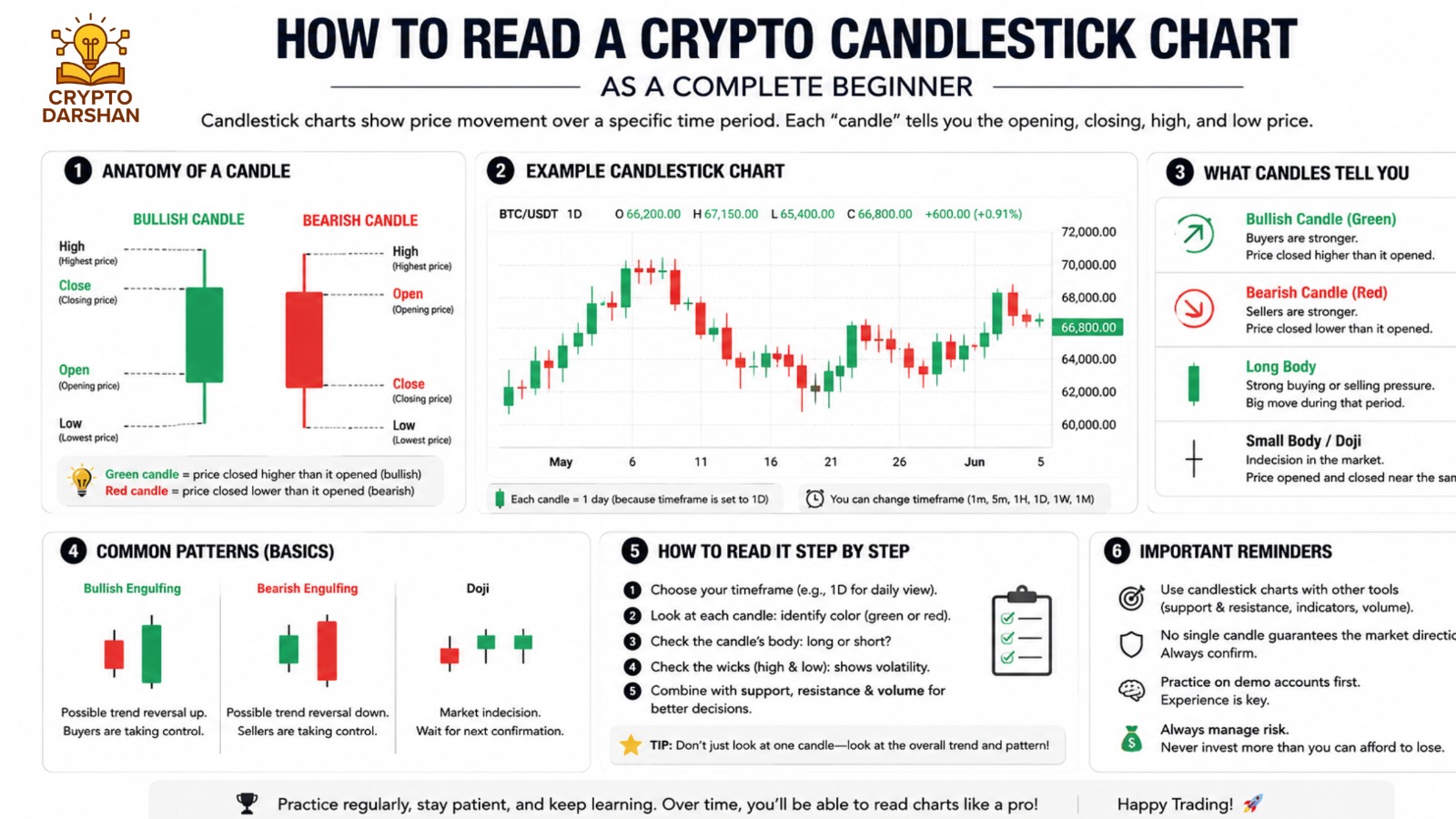
Many retail traders jump into crypto without understanding technical analysis, market structure, or blockchain fundamentals. Education is essential for long-term success. Learning how to read charts, identify trends, and manage risk separates winners from losers.
5. Following the Crowd
Social media influencers and online communities can mislead retail traders. Following hype-driven advice often results in buying high and selling low. Independent research and critical thinking are crucial for avoiding herd mentality.
The Role of Leverage in Retail Trader Losses

Leverage allows retail traders to control large positions with small amounts of capital. While it can amplify profits, it also magnifies losses. Many retail traders misuse leverage, leading to liquidation and account wipeouts.
For example, a 10x leveraged position means a 10% price drop can result in a total loss. Without strict risk management, leverage becomes a dangerous tool.
Professional traders use leverage strategically, but retail traders often treat it as a shortcut to quick profits. This misunderstanding is one of the main reasons retail traders lose money in crypto.
Market Manipulation and Its Impact on Retail Traders

Crypto markets are less regulated than traditional financial markets, making them vulnerable to manipulation. Whales (large holders) and coordinated groups can move prices to trigger stop-losses or create false signals.
Retail traders often fall victim to these tactics because they lack access to insider information or advanced analytics. Pump-and-dump schemes, fake news, and wash trading are common forms of manipulation that harm retail traders.
To protect themselves, retail traders should avoid chasing sudden price spikes and verify information from multiple sources before acting.
The Importance of Risk Management for Retail Traders

Risk management is the difference between survival and failure in crypto trading. Retail traders must learn to protect their capital before chasing profits.
Key Risk Management Strategies:
- Position Sizing: Never risk more than a small percentage of total capital on one trade.
- Stop-Loss Orders: Set automatic exit points to limit losses.
- Diversification: Avoid putting all funds into one coin or project.
- Avoiding Leverage: Trade spot markets until consistent profitability is achieved.
- Emotional Control: Stick to the plan even during volatility.
By applying these principles, retail traders can reduce losses and build long-term consistency. Before trusting any signal group, read AI Crypto Traps Exposed: Smart Investing Tips to learn how scams target retail traders.
The Role of Education and Continuous Learning

1. Builds a Strong Foundation
Education gives retail traders the essential knowledge needed to understand how markets work. Learning about blockchain technology, trading principles, and market behavior helps traders make informed decisions instead of relying on luck or rumors. A strong foundation allows traders to interpret data correctly, recognize opportunities, and avoid common beginner mistakes that lead to losses.
2. Enhances Analytical Skills
Continuous learning sharpens a trader’s ability to analyze charts, trends, and market signals. Retail traders who study technical and fundamental analysis can better identify entry and exit points, manage risk, and predict potential price movements. These analytical skills are crucial for developing strategies that adapt to changing market conditions and for making decisions based on evidence rather than emotion.
3. Keeps Traders Updated with Market Changes
The crypto market evolves rapidly, with new coins, technologies, and regulations emerging all the time. Retail traders who stay up to date through ongoing education can adapt to these changes and avoid being caught off guard. Learning about new trading tools, blockchain innovations, and global economic trends ensures traders remain competitive and relevant in a constantly shifting environment.
4. Reduces Emotional and Impulsive Decisions
Knowledge builds confidence, and confidence reduces fear and greed, two emotions that often cause retail traders to make poor decisions. When traders understand why the market moves a certain way, they are less likely to panic during volatility or chase unrealistic gains. Continuous learning helps traders stay calm, trust their analysis, and stick to their trading plans even in uncertain conditions.
5. Promotes Long-Term Growth and Adaptability
Education is not a one-time effort but a continuous process. The most successful retail traders treat learning as an ongoing journey. By constantly improving their skills, studying new strategies, and learning from past mistakes, traders can evolve with the market. This adaptability ensures long-term growth, helping them stay profitable and resilient in the ever-changing world of crypto trading.
The Power of Technical and Fundamental Analysis

Technical Analysis
Technical analysis involves studying price charts and indicators to predict future movements. Retail traders can use tools like moving averages, RSI, MACD, and Fibonacci retracements to identify trends and entry points.
However, technical analysis is not foolproof. It should be combined with risk management and market awareness.
Fundamental Analysis
Fundamental analysis focuses on the underlying value of a project. Retail traders should evaluate factors such as:
- The project’s team and vision
- Token utility and supply
- Partnerships and adoption
- Community strength
Combining both analyses helps retail traders make balanced decisions.
Emotional Discipline and Trading Psychology

Trading success depends more on psychology than strategy. Retail traders must learn to control emotions like fear, greed, and impatience.
Tips for Emotional Discipline:
- Stick to the trading plan regardless of emotions.
- Avoid revenge trading after losses.
- Take breaks to prevent burnout.
- Keep a trading journal to track decisions and emotions.
By mastering emotional control, retail traders can make rational decisions even in volatile markets.
The Influence of social media on Retail Traders

Social media platforms like Twitter, Reddit, and Telegram play a huge role in shaping market sentiment. While they can provide valuable insights, they also spread misinformation and hype.
Retail traders often follow influencers who promote coins for personal gain. This leads to herd behavior and poor decision-making.
To avoid manipulation, retail traders should verify information, analyze data independently, and avoid emotional reactions to online trends.
The Importance of Having a Trading Strategy

1. Provides Structure and Discipline
A trading strategy gives retail traders a clear framework to follow, reducing emotional and impulsive decisions. Without structure, traders often act on fear or excitement, leading to inconsistent results. A well-defined strategy outlines when to enter or exit trades, how much to risk, and what conditions must be met before taking action. This discipline helps maintain consistency and prevents emotional trading mistakes.
2. Helps Manage Risk Effectively
Risk management is a crucial part of any trading strategy. By setting predefined stop-loss levels and position sizes, retail traders can protect their capital from large losses. A strategy ensures that every trade has a calculated risk-to-reward ratio, allowing traders to survive losing streaks and stay in the game longer. Managing risk systematically is what separates successful traders from those who rely on luck.
3. Improves Decision-Making
Having a strategy allows retail traders to make decisions based on logic and data rather than emotions or rumors. It provides a roadmap for identifying opportunities and avoiding unnecessary trades. When traders know exactly what signals or patterns they are looking for, they can act confidently and avoid hesitation or second-guessing. This clarity leads to more consistent and rational trading behavior.
4. Enables Performance Evaluation
A trading strategy makes it easier to track and evaluate performance over time. Retail traders can analyze which parts of their strategy work and which need improvement. By reviewing past trades, traders can identify patterns, refine their approach, and eliminate ineffective methods. This process of continuous improvement helps build long-term profitability and confidence.
5. Builds Long-Term Consistency
Consistency is key to success in trading. A solid strategy helps retail traders stay focused on their goals and avoid random decision-making. Instead of chasing quick profits, traders with a plan develop patience and discipline, leading to steady growth over time. A consistent approach also reduces stress and builds trust in one’s trading process, which is essential for long-term success in the volatile crypto market.
How Retail Traders Can Avoid Losing Money

1. Start Small
Many retail traders lose money because they invest too much too soon. Starting small allows traders to learn how the market works without risking large amounts of capital. It’s better to make mistakes with small sums while gaining experience and confidence. As skills improve, traders can gradually increase their investment size. This approach helps build discipline and reduces emotional stress during volatile market movements.
2. Use Demo Accounts
Before trading with real money, retail traders should practice using demo accounts. These accounts simulate real market conditions without financial risk. They help traders test strategies, understand order types, and get comfortable with trading platforms. Practicing in a demo environment builds confidence and helps identify weaknesses before transitioning to live trading. It’s an essential step for beginners to avoid costly mistakes.
3. Keep Emotions in Check
Emotions are one of the biggest enemies of retail traders. Fear and greed often lead to impulsive decisions, such as panic selling or chasing quick profits. Successful traders learn to stay calm and stick to their trading plan, even when the market becomes unpredictable. Developing emotional control ensures decisions are based on logic and analysis rather than temporary feelings.
4. Set Realistic Goals
Many retail traders enter the crypto market expecting to double their money overnight. Unrealistic expectations lead to frustration and reckless trading. Setting achievable goals, like consistent monthly growth or mastering one strategy, keeps traders focused and motivated. Realistic goals also help measure progress and maintain a long-term perspective instead of chasing short-term gains.
5. Learn Continuously
The crypto market evolves rapidly, with new technologies, trends, and regulations emerging constantly. Retail traders who stop learning quickly fall behind. Continuous education through books, courses, and reliable news sources helps traders adapt to market changes. Understanding technical analysis, blockchain fundamentals, and risk management gives traders a strong foundation for success.
6. Track Performance
Keeping a trading journal is one of the most effective habits for retail traders. Recording every trade—including entry and exit points, reasons for the trade, and emotional state—helps identify patterns and mistakes. Reviewing this data regularly allows traders to refine their strategies and improve decision-making. Tracking performance turns trading into a structured learning process rather than random guessing.
The Future of Retail Traders in Crypto

The future looks promising for retail traders who adapt and learn. As the crypto industry matures, new tools, regulations, and educational resources are emerging.
Decentralized exchanges, automated trading bots, and AI-driven analytics are leveling the playing field. Retail traders who embrace technology and discipline can compete more effectively with institutions.
However, success will always depend on mindset, education, and risk management.
FAQ Section

1. Why do most retail traders lose money in crypto?
Most retail traders lose money due to emotional trading, lack of strategy, overtrading, and poor risk management. Many also follow hype or social media signals instead of doing proper research.
2. What is the biggest mistake beginner crypto traders make?
The biggest mistake is trading without a plan. Beginners often buy during hype (FOMO) and sell during panic (FUD), which leads to consistent losses.
3. How can I avoid losing money in crypto trading?
You can reduce losses by using stop-loss orders, sticking to a trading strategy, managing risk (never risking more than 1–2% per trade), and avoiding emotional decisions.
4. Is crypto trading profitable for beginners?
Yes, but only with proper education and discipline. Most beginners lose money initially, but those who learn technical analysis, risk management, and patience can become profitable over time.
5. What is risk management in crypto trading?
Risk management involves controlling how much you can lose on a trade. This includes position sizing, setting stop-loss levels, and diversifying your investments.
6. Why is emotional trading dangerous in crypto?
Emotions like fear and greed cause traders to make irrational decisions—buying at peaks and selling at lows—leading to losses instead of gains.
7. Should I follow crypto signals or influencers?
Relying solely on influencers or signals is risky. Many are biased or incorrect. It’s better to do your own research (DYOR) and build independent decision-making skills.
8. How important is technical analysis in crypto trading?
Technical analysis helps identify trends, entry points, and exit levels. While not foolproof, it significantly improves decision-making compared to guessing or following hype.
Conclusion
Most retail traders lose money in crypto because they trade emotionally, ignore risk management, and lack education. The crypto market’s volatility magnifies these weaknesses, leading to repeated losses.
But losing is not inevitable. By developing a solid trading plan, managing risk, and maintaining emotional discipline, retail traders can turn the odds in their favor.
The key is to treat trading as a skill, not a gamble. With patience, continuous learning, and discipline, retail traders can achieve consistent success in the crypto market.
The journey is challenging, but for those who master their mindset and strategy, the rewards can be life-changing.