

Cryptocurrency markets are renowned for their volatility, with prices capable of fluctuating significantly within hours. For intermediate crypto users, understanding what drives these price movements is essential for making informed investment decisions.
Unlike traditional financial markets, cryptocurrencies operate in a decentralized environment influenced by a unique blend of technological, economic, and psychological factors. This guide examines the primary drivers of cryptocurrency prices, providing a comprehensive overview of the forces influencing the digital asset landscape.
What Drives Cryptocurrency Prices?
1. Market Supply and Demand Dynamics

High demand for a cryptocurrency leads to high prices. The more units of a cryptocurrency there are, the less valuable each individual unit is. At the core of any asset’s price movement lies the principle of supply and demand. Cryptocurrencies are no exception. The price of a digital asset increases when demand outpaces supply and decreases when supply exceeds demand.
1.1 Limited Supply and Scarcity
Many cryptocurrencies, such as Bitcoin, have a fixed supply cap. Bitcoin’s total supply is limited to 21 million coins, creating a sense of scarcity similar to precious metals like gold. As more investors seek to own Bitcoin, the limited supply drives prices upward. This scarcity effect is amplified during events like Bitcoin halving, which reduces the rate of new coin issuance.
1.2 Tokenomics and Inflation Control
Each cryptocurrency has its own economic model, often referred to as tokenomics. Factors such as total supply, circulating supply, and inflation rate influence price behavior. For example, Ethereum’s transition to a proof-of-stake model introduced a “burn” mechanism that removes a portion of transaction fees from circulation, reducing supply and potentially increasing value over time.
1.3 Demand Catalysts
Demand for cryptocurrencies can surge due to various factors:
- Increased adoption by businesses and consumers
- Integration into financial systems
- Institutional investment
- Speculative trading
- Technological upgrades or new use cases
When demand spikes while supply remains constant or decreases, prices tend to rise sharply.
2. Market Sentiment and Investor Psychology

Cryptocurrency markets are heavily influenced by investor sentiment. Emotions such as fear, greed, and optimism often drive short-term price movements.
2.1 Fear and Greed Index
The Crypto Fear and Greed Index measures market sentiment using factors like volatility, trading volume, and social media trends. Extreme fear can lead to panic selling, while extreme greed can trigger speculative bubbles.
2.2 Media Influence
News coverage plays a significant role in shaping public perception. Positive news such as regulatory approval, institutional adoption, or technological breakthroughs can boost confidence and drive prices up. Conversely, negative headlines about hacks, bans, or scams can cause sharp declines.
2.3 social media and Influencers
Platforms like X (formerly Twitter), Reddit, and YouTube have become powerful tools for shaping crypto sentiment. Influencers and community leaders can sway market behavior through endorsements or warnings. Viral trends, such as meme coins, often emerge from social media hype rather than fundamental value.
3. Technological Developments and Network Upgrades

The underlying technology of a cryptocurrency significantly impacts its value. Innovations, upgrades, and network improvements can enhance functionality, security, and scalability, attracting more users and investors.
3.1 Blockchain Upgrades
Major upgrades, such as Ethereum’s shift from proof-of-work to proof-of-stake, can influence price by improving efficiency and reducing environmental impact. These upgrades often lead to increased investor confidence and higher demand.
3.2 Layer-2 Solutions
Scalability solutions like the Lightning Network for Bitcoin or Polygon for Ethereum improve transaction speed and reduce fees. These enhancements make cryptocurrencies more practical for everyday use, boosting adoption and price stability.
3.3 Interoperability and Cross-Chain Technology
Projects that enable seamless interaction between different blockchains, such as Polkadot and Cosmos, add value by expanding the ecosystem’s utility. As interoperability improves, the overall market benefits from increased liquidity and innovation.
4. Regulatory Environment
Regulation is one of the most influential factors affecting cryptocurrency prices. Government policies can either foster growth or create uncertainty.
4.1 Positive Regulation
When governments introduce clear and supportive regulations, investor confidence rises. For example, countries that recognize cryptocurrencies as legal assets or allow crypto-based financial products often experience market growth.
4.2 Restrictive Policies
Conversely, bans or strict regulations can trigger selloffs. China’s repeated crackdowns on crypto trading and mining have historically caused market downturns. Uncertainty about future regulations can also deter institutional investors.
4.3 Taxation and Compliance
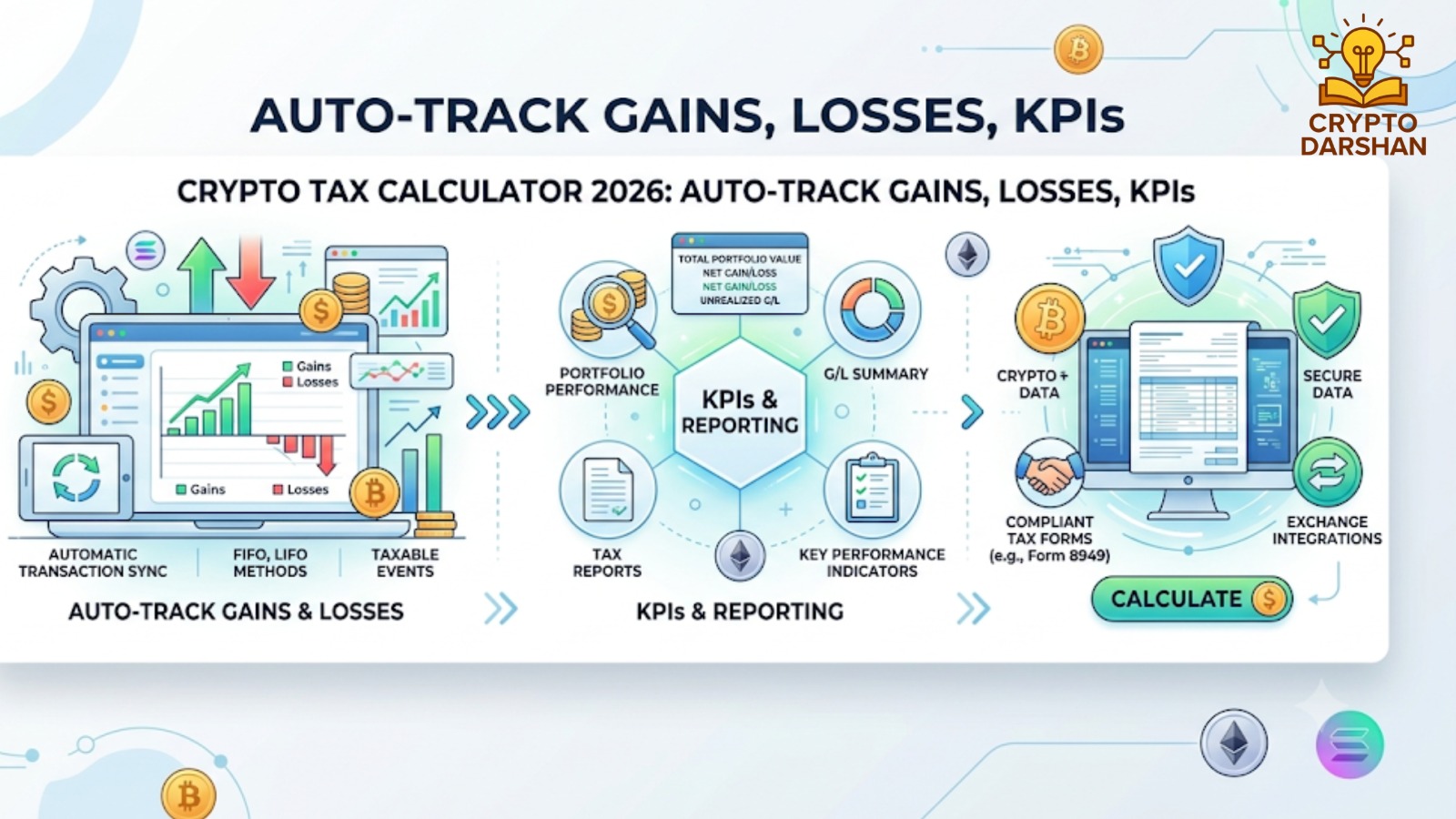
Tax policies on crypto gains influence investor behavior. Favorable tax treatment encourages long-term holding, while high taxes may lead to short-term trading or capital flight to more crypto-friendly jurisdictions.
5. Macroeconomic Factors

Cryptocurrencies do not exist in isolation. Broader economic conditions, such as inflation, interest rates, and global financial stability, play a crucial role in shaping market trends.
5.1 Inflation and Fiat Currency Weakness
When traditional currencies lose value due to inflation, investors often turn to cryptocurrencies as a hedge. Bitcoin, in particular, is viewed as “digital gold” because of its limited supply and decentralized nature.
5.2 Interest Rates and Monetary Policy
Central bank policies influence investor appetite for risk. Low interest rates encourage investment in high-risk assets like cryptocurrencies, while rising rates can lead to capital outflows as investors seek safer returns.
5.3 Global Economic Uncertainty.
During times of geopolitical tension or financial instability, cryptocurrencies can act as alternative stores of value. However, in extreme crises, investors may liquidate crypto holdings to access cash, leading to short-term price drops.
6. Institutional Involvement
The entry of institutional investors has transformed the cryptocurrency landscape. Hedge funds, asset managers, and corporations now play a significant role in price formation.
6.1 Institutional Adoption
When major institutions invest in or endorse cryptocurrencies, it signals legitimacy and attracts retail investors. Examples include Tesla’s Bitcoin purchase and the launch of Bitcoin ETFs.
6.2 Custody and Infrastructure
The development of secure custody solutions and regulated exchanges has made it easier for institutions to participate. As institutional infrastructure improves, liquidity increases, reducing volatility and supporting long-term growth.
6.3 Market Manipulation Concerns
Despite institutional involvement, concerns about market manipulation persist. Large holders, known as “whales,” can influence prices by executing massive trades. Transparency and regulation are key to mitigating these risks.
7. Network Activity and On-Chain Metrics

Blockchain data provides valuable insights into market health and potential price movements. On-chain metrics help investors assess network usage and investor behavior.
7.1 Transaction Volume
High transaction volume indicates strong network activity and adoption. A growing number of transactions often correlates with rising demand and price appreciation.
7.2 Active Addresses
An increase in active wallet addresses suggests expanding user participation. Conversely, declining activity may signal waning interest or market stagnation.
7.3 Hash Rate and Security
For proof-of-work cryptocurrencies, hash rate measures network security and miner participation. A rising hash rate reflects confidence in the network’s stability, while a sharp decline can indicate potential vulnerabilities.
8. Market Liquidity and Exchange Dynamics
Liquidity refers to how easily an asset can be bought or sold without significantly affecting its price. In crypto markets, liquidity varies across exchanges and trading pairs.
8.1 Exchange Listings
When a cryptocurrency is listed on major exchanges like Binance or Coinbase, it gains exposure to a larger audience, often resulting in price increases. Conversely, delisting can reduce accessibility and liquidity.
8.2 Trading Volume
High trading volume indicates strong market participation and stability. Low volume can lead to price manipulation and increased volatility.
8.3 Stablecoins and Liquidity Pools
Stablecoins like USDT and USDC provide liquidity and facilitate trading across platforms. Decentralized exchanges (DEXs) use liquidity pools to enable peer-to-peer trading, influencing token prices through automated market-making algorithms.
9. Speculation and Market Cycles

Cryptocurrency markets often move in cycles driven by speculation, technological innovation, and changing investor behavior, leading to periods of rapid growth followed by market corrections.
9.1 Bull and Bear Markets
Bull markets are characterized by rising prices and optimism, while bear markets involve prolonged declines. These cycles are influenced by macroeconomic conditions, technological progress, and investor sentiment.
9.2 Speculative Bubbles
Speculative manias can drive prices far beyond intrinsic value. The 2017 ICO boom and the 2021 NFT surge are examples of speculative bubbles fueled by hype and FOMO (fear of missing out).
9.3 Market Corrections
After periods of rapid growth, corrections occur as investors take profits or reassess valuations. Healthy corrections are essential for long-term market stability.
10. Emerging Trends Shaping Future Cryptocurrency Prices
The cryptocurrency market is no longer driven only by speculation. Technological innovation, real-world adoption, and evolving digital ecosystems now play a major role in shaping future crypto prices. Several emerging trends are expected to strongly influence market demand, utility, and long-term valuation of digital assets.
10.1 Decentralized Finance (DeFi)
Decentralized Finance, commonly known as DeFi, is transforming traditional financial services by removing intermediaries such as banks and brokers. DeFi platforms allow users to lend, borrow, trade, and earn interest directly through smart contracts on blockchain networks.
As DeFi adoption grows, demand for native tokens increases because these tokens are often required for transaction fees, governance voting, and staking. Major DeFi ecosystems built on Ethereum, Binance Smart Chain, Solana, and Avalanche continue to attract billions in total value locked (TVL). This increased usage strengthens network activity, which can positively impact token prices over time. Additionally, ongoing innovation in yield farming, decentralized exchanges (DEXs), and liquid staking is expanding DeFi’s influence across the crypto market.
10.2 Non-Fungible Tokens (NFTs)
Non-Fungible Tokens (NFTs) have introduced unique digital ownership to the blockchain space. Unlike cryptocurrencies, NFTs represent one-of-a-kind assets such as digital art, music, collectibles, in-game items, and even real-world assets.
The rapid growth of NFTs has significantly increased blockchain usage, especially on networks like Ethereum, Solana, and Polygon. NFT marketplaces, gaming platforms, and creator economies rely heavily on these blockchains, driving higher transaction volumes and network demand. As NFTs evolve beyond collectibles into areas like digital identity, ticketing, and intellectual property, they may continue to support long-term price growth for the underlying blockchain tokens.
10.3 Web3 and Metaverse Integration
Web3 represents the next generation of the internet, focusing on decentralization, user ownership, and trustless systems. In Web3 ecosystems, cryptocurrencies play a central role in enabling payments, governance, and access to decentralized applications (dApps).
Similarly, metaverse projects create immersive digital environments where users can buy land, trade assets, socialize, and work using cryptocurrencies. Tokens act as the primary medium of exchange within these virtual economies. As major companies and developers invest in Web3 and metaverse infrastructure, user adoption is expected to rise. This increased activity can boost demand for related tokens, positively impacting their long-term market value.
10.4 Artificial Intelligence and Blockchain Synergy

The integration of Artificial Intelligence (AI) with blockchain technology is emerging as a powerful trend with strong investment potential. AI enhances blockchain networks through advanced data analytics, predictive modeling, automation, and improved security systems.
Blockchain, on the other hand, provides transparency, immutability, and decentralized data storage features that are crucial for trustworthy AI systems. Projects that combine AI and blockchain are being developed for applications such as fraud detection, smart trading bots, decentralized data marketplaces, and automated decision-making systems. As demand for secure and intelligent digital solutions increases, AI-blockchain hybrid projects may attract greater investor attention, potentially driving higher token valuations.
11. Risk Factors and Volatility Drivers
While opportunities abound, cryptocurrencies remain highly volatile. Understanding the risks helps investors navigate market fluctuations.Major hacks often lead to instant price drops and long-term trust issues. These events reinforce why crypto markets react so violently to security failures, especially when investor funds are at risk.
11.1 Security Breaches
Exchange hacks, smart contract vulnerabilities, and phishing attacks can lead to massive losses and erode investor confidence.
11.2 Market Manipulation
Pump-and-dump schemes, wash trading, and coordinated buying or selling can distort prices, especially in low-liquidity markets.
11.3 Technological Failures
Bugs, network outages, or failed upgrades can negatively impact a cryptocurrency’s reputation and price.
11.4 Regulatory Crackdowns
Sudden policy changes or enforcement actions can trigger panic selling and market instability.
12. Strategies for Navigating Price Movements

Intermediate users can apply analytical tools and strategies to better understand and respond to price fluctuations.
12.1 Fundamental Analysis
Evaluating a cryptocurrency’s technology, team, use case, and adoption potential helps determine its intrinsic value.
12.2 Technical Analysis
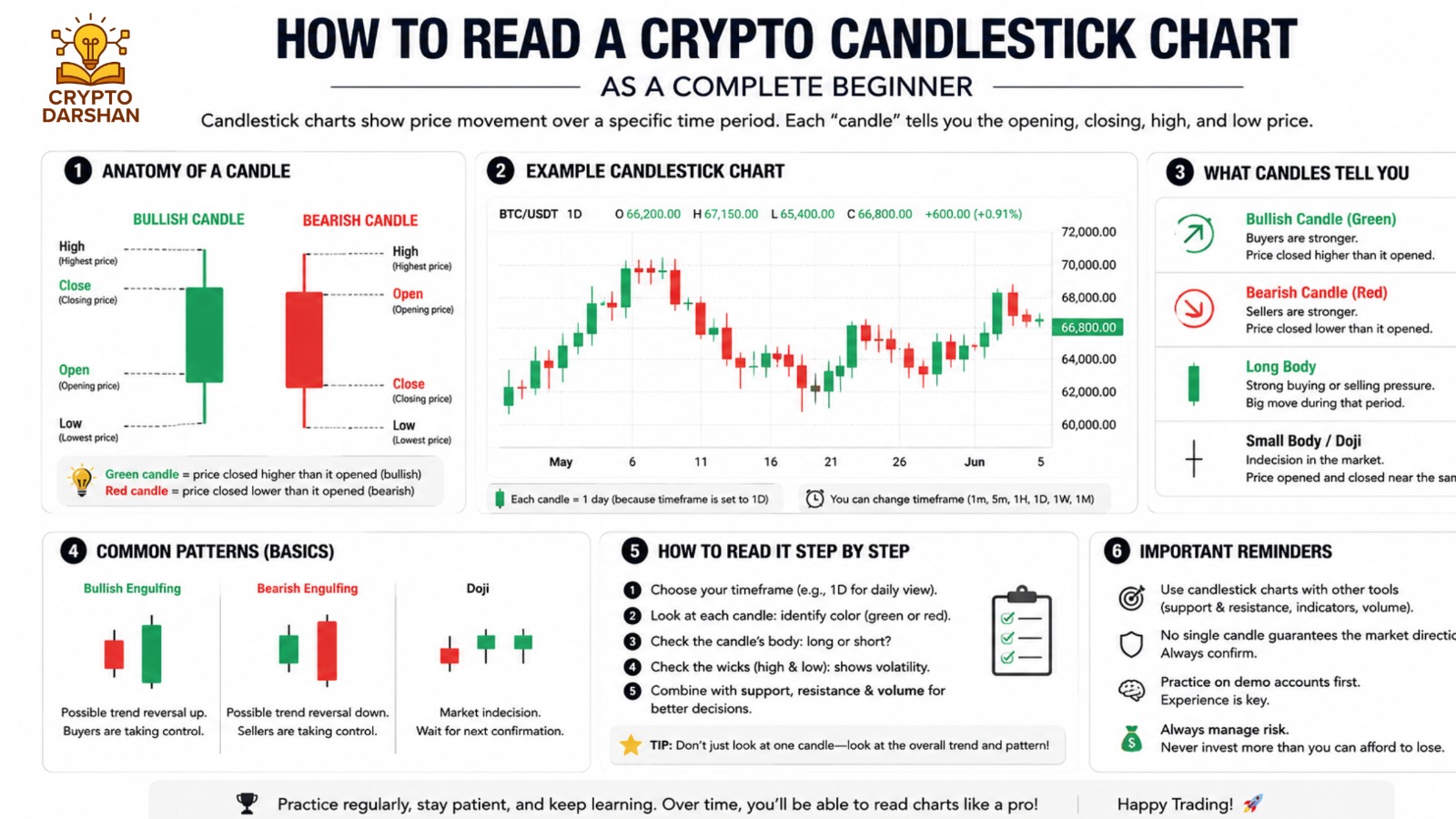
Chart patterns, indicators, and historical data provide insights into market trends and potential entry or exit points.
12.3 On-Chain Analysis
Monitoring blockchain data, such as wallet activity and transaction flows, offers real-time insights into investor behavior.
12.4 Diversification
Spreading investments across multiple assets reduces exposure to individual coin volatility and market-specific risks.
Conclusion
Cryptocurrency prices are influenced by a complex interplay of supply and demand, investor sentiment, technological innovation, regulation, and macroeconomic conditions. For intermediate users, understanding these factors is crucial for making informed decisions and managing risk effectively. As the crypto ecosystem matures, price drivers will continue to evolve, shaped by innovation, adoption, and global economic trends. By staying informed and analytical, investors can navigate the volatility of digital assets and position themselves for long-term success in the ever-changing world of cryptocurrency.