
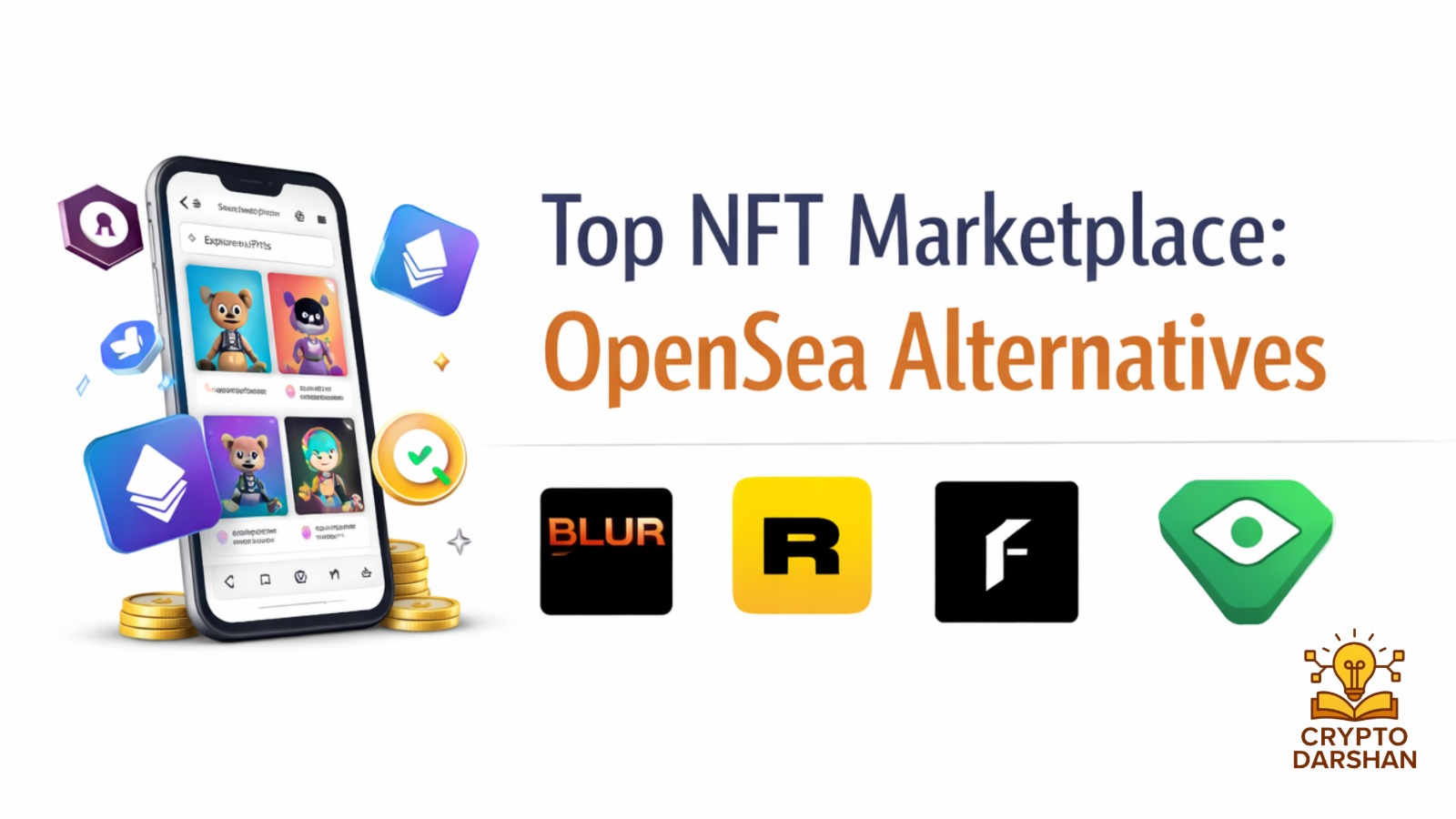
OpenSea alternatives 2026 like Blur and Rarible deliver superior speed and royalties under 1%, supporting Ethereum, Solana, and Polygon for seamless NFT trading without high gas fees. The world of Non-Fungible Tokens (NFTs) has evolved rapidly, transforming digital ownership and creativity. OpenSea has long been the dominant NFT marketplace, offering a platform for artists, collectors, and investors to trade digital assets. However, as the NFT ecosystem matures, several new marketplaces have emerged, offering unique features, lower fees, and specialized communities.
In 2026, the NFT landscape is more diverse than ever. From art-focused platforms to gaming and metaverse marketplaces, users now have multiple options beyond OpenSea. This guide explores the top OpenSea alternatives, their features, advantages, and how they cater to different segments of the NFT market. It also provides insights into choosing the right platform for buying, selling, or creating NFTs.
Understanding NFT Marketplaces
What Is an NFT Marketplace?
An NFT marketplace is an online platform where you can buy, sell, and create non-fungible tokens (NFTs), ensuring proof of authenticity for digital assets.
The different categories of NFT platforms include open marketplaces for all kinds of NFTs, curated marketplaces focusing on quality, and niche-specific platforms like gaming and sports.
The best NFT marketplaces to buy digital art are OpenSea, Rarible, Binance NFT, Magic Eden, and Blur.. These tokens represent ownership of unique digital assets such as artwork, music, videos, collectibles, and virtual real estate.
Creators looking to mint their own collections can follow our guide on How to Create an NFT: Step-by-Step 2026 Guide
How NFT Marketplaces Work.
NFT marketplaces are digital platforms that allow users to create, buy, sell, and trade unique digital assets securely using blockchain technology. Below are eight key points explaining how they work.
Before choosing a marketplace, learn the fundamentals in Web3 Explained: Future of Decentralized Internet
1. Wallet Connection
Users start by connecting a crypto wallet such as MetaMask or Coinbase Wallet. This wallet stores cryptocurrencies and NFTs, enabling secure transactions and verifying ownership on the blockchain.
2. Minting NFTs
Minting is the process of turning a digital file like art, music, or video into a unique token on the blockchain. Once minted, the NFT becomes a verifiable digital asset that can be traded or collected.
3. Listing NFTs for Sale
Creators can list their NFTs for sale at a fixed price or through auctions. They can also set royalty percentages to earn income from future resales, ensuring long-term rewards.
NFTs are increasingly connected with DeFi platforms explained in What Is DeFi? Decentralized Finance Guide
4. Buying NFTs
Buyers browse collections, select NFTs, and purchase them using supported cryptocurrencies. Once the transaction is confirmed, ownership transfers to the buyer’s wallet and is recorded permanently on the blockchain.
5. Royalties and Secondary Sales
NFT marketplaces automatically distribute royalties to creators whenever their NFTs are resold. This feature provides artists with continuous income and encourages long-term participation.
6. Transaction Fees and Gas Costs
Every transaction involves marketplace fees and gas fees. Gas fees are blockchain transaction costs, while marketplace fees are small percentages charged by the platform for facilitating trades.
7. Verification and Security
Each NFT has a unique token ID and metadata stored on the blockchain, ensuring authenticity. Marketplaces use verified creator badges, smart contract audits, and decentralized storage to prevent fraud.
8. Multi-Chain and Cross-Platform Support
Modern NFT marketplaces support multiple blockchains like Ethereum, Solana, and Polygon. This multi-chain compatibility allows users to trade NFTs across different networks, improving accessibility and liquidity.
Why Explore OpenSea Alternatives?
OpenSea has long been the leading NFT marketplace, offering millions of digital assets and a massive user base. However, as the NFT ecosystem grows, many users are turning to alternative platforms that provide better features, lower fees, and specialized experiences. Exploring OpenSea alternatives can help creators, collectors, and investors find platforms that better suit their needs.
1. Lower Transaction and Gas Fees
One of the biggest drawbacks of OpenSea is its high gas fees, especially on the Ethereum network. Many alternative marketplaces operate on low-cost blockchains like Polygon, Solana, or Tezos, offering cheaper minting and trading. This makes NFT creation and collection more affordable for users.
2. Multi-Chain Support
While OpenSea primarily focuses on Ethereum and Polygon, other marketplaces support multiple blockchains, allowing users to trade NFTs across different ecosystems. Platforms like Rarible and Magic Eden provide cross-chain compatibility, giving users more flexibility and access to diverse NFT collections.
3. Better Creator Royalties and Rewards
Some OpenSea alternatives offer more favorable royalty structures and reward systems. Marketplaces such as LooksRare and Rarible allow creators to set custom royalty percentages and even earn tokens for trading activity, ensuring fair compensation and community participation.
4. Specialized Marketplaces for Different Niches
Not all NFT marketplaces serve the same purpose. Alternatives like Foundation and SuperRare focus on high-quality digital art, while Magic Eden caters to gaming and metaverse assets. These niche platforms provide tailored experiences for specific audiences and creators.
5. Enhanced User Experience and Interface
Many users find OpenSea’s interface overwhelming due to its massive volume of listings. Competing platforms often offer cleaner designs, faster navigation, and better search tools, making it easier to discover and manage NFTs.
6. Decentralization and Community Governance
Some OpenSea alternatives emphasize decentralization and community control. Platforms like Rarible and Zora use governance tokens that allow users to vote on platform updates and policies, promoting transparency and user empowerment.
7. Improved Security and Authenticity
Security concerns and counterfeit NFTs have occasionally affected OpenSea. Competing marketplaces implement stricter verification processes, smart contract audits, and curated collections to ensure authenticity and protect users from scams.
8. Exclusive Drops and Partnerships
Certain platforms host exclusive NFT drops, collaborations, and brand partnerships unavailable on OpenSea. For example, Nifty Gateway features celebrity artists and limited-edition releases, attracting collectors seeking premium and verified content.
Top OpenSea Alternatives 2026
1. Rarible
Overview:
Rarible is one of the earliest NFT marketplaces to rival OpenSea. It operates as a decentralized platform where users can mint, buy, and sell NFTs across multiple blockchains, including Ethereum, Flow, and Polygon.
Key Features:
- Multi-Chain Support: Enables cross-chain NFT trading.
- RARI Token: A governance token that allows users to vote on platform decisions.
- Royalties: Creators can set custom royalty percentages.
- Community Governance: Users influence platform updates and policies.
Advantages:
- User-friendly interface for beginners.
- Strong community-driven ecosystem.
- Supports multiple NFT categories, including art, music, and collectibles.
Why It’s an OpenSea Alternative:
Rarible’s decentralized governance and multi-chain functionality make it a strong competitor for users seeking more control and flexibility.
2. Magic Eden
Overview:
Magic Eden has become the leading NFT marketplace on the Solana blockchain. Known for its speed and low transaction costs, it has attracted a large community of creators and collectors.
Key Features:
- Low Fees: Minimal gas fees due to Solana’s efficient network.
- Gaming and Metaverse Focus: Hosts NFTs related to gaming assets and virtual worlds.
- Launchpad: Helps creators mint and promote new NFT collections.
- Cross-Chain Expansion: Recently integrated Ethereum and Polygon support.
Advantages:
- Fast transactions with low costs.
- Strong community engagement.
- Ideal for gaming and metaverse projects.
Why It’s an OpenSea Alternative:
Magic Eden’s focus on gaming NFTs and its low-cost environment make it a preferred choice for developers and gamers seeking scalability.
3. Blur
Overview:
Blur is a professional-grade NFT marketplace designed for advanced traders. It offers real-time analytics, portfolio management, and bulk trading tools.
Key Features:
- Zero Marketplace Fees: No trading fees for users.
- Advanced Analytics: Real-time data on floor prices, volume, and trends.
- Portfolio Management: Track and manage NFT holdings efficiently.
- Airdrops and Rewards: Incentives for active traders.
Advantages:
- Fast and efficient trading experience.
- Ideal for professional NFT investors.
- Integration with multiple NFT collections.
Why It’s an OpenSea Alternative:
Blur caters to serious traders who value speed, analytics, and zero fees, making it a top choice for high-volume NFT investors.
4. Foundation
Overview:
Foundation is an invite-only NFT marketplace focused on digital art and creativity. It connects artists with collectors in a curated environment.
Key Features:
- Curated Collections: High-quality digital art from verified creators.
- Auction System: Transparent bidding process for rare NFTs.
- Creator Royalties: Artists earn royalties from secondary sales.
- Ethereum-Based: Built on the Ethereum blockchain for security and transparency.
Advantages:
- Premium platform for digital artists.
- Strong focus on artistic integrity and quality.
- Supportive community of creators and collectors.
Why It’s an OpenSea Alternative:
Foundation’s curated approach and focus on fine art make it ideal for artists seeking exclusivity and serious collectors looking for authentic digital works.
5. SuperRare
Overview:
SuperRare is a high-end NFT marketplace dedicated to single-edition digital artworks. It operates as a social network for artists and collectors.
Key Features:
- Exclusive Artworks: Each NFT is unique and verified.
- Social Features: Users can follow artists and comment on artworks.
- Curation and Quality Control: Only approved artists can mint NFTs.
- Royalties: Artists receive 10% royalties on secondary sales.
Advantages:
- Focus on quality over quantity.
- Strong artist community.
- Transparent and secure transactions.
Why It’s an OpenSea Alternative:
SuperRare’s exclusivity and social engagement features make it a premium alternative for serious art collectors and creators.
6. LooksRare
Overview:
LooksRare is a community-driven NFT marketplace that rewards users for trading. It was launched as a direct competitor to OpenSea, offering incentives through its native LOOKS token.
Key Features:
- Trading Rewards: Users earn LOOKS tokens for buying and selling NFTs.
- Staking: Token holders can stake LOOKS for passive income.
- Lower Fees: 2% trading fee compared to OpenSea’s 2.5%.
- Multi-Chain Support: Expanding beyond Ethereum to other blockchains.
Advantages:
- Rewards active traders.
- Transparent and decentralized governance.
- Competitive fee structure.
Why It’s an OpenSea Alternative:
LooksRare’s reward system and lower fees attract traders seeking both profit and community participation.
7. Nifty Gateway
Overview:
Nifty Gateway is a curated NFT platform known for hosting drops from famous artists and brands. It focuses on accessibility and mainstream adoption.
Key Features:
- Credit Card Payments: Allows purchases using fiat currency.
- Curated Drops: Collaborations with top artists and celebrities.
- Custodial Wallets: Simplifies onboarding for new users.
- Royalties: Automatic royalty payments to creators.
Advantages:
- Easy for beginners.
- High-profile collaborations.
- Secure and regulated environment.
Why It’s an OpenSea Alternative:
Nifty Gateway’s user-friendly interface and fiat payment options make it ideal for newcomers and mainstream collectors.
8. Binance NFT
Overview:
Binance NFT is the NFT marketplace of the world’s largest cryptocurrency exchange. It offers a wide range of NFTs, from digital art to gaming assets.
Key Features:
- Low Fees: 1% trading fee.
- Integration with Binance Ecosystem: Seamless access to Binance Wallet and exchange.
- Exclusive Drops: Collaborations with global brands and artists.
- Multi-Chain Support: Supports Ethereum, BNB Chain, and Polygon.
Advantages:
- Trusted and secure platform.
- Large user base and liquidity.
- Easy integration with Binance accounts.
Why It’s an OpenSea Alternative:
Binance NFT’s global reach, low fees, and strong brand reputation make it a reliable alternative for both creators and investors.
9. Objkt
Overview:
Objkt is the leading NFT marketplace on the Tezos blockchain. It is known for its eco-friendly approach and low transaction costs.
Key Features:
- Tezos-Based: Energy-efficient blockchain with minimal gas fees.
- Community-Driven: Open platform for artists and collectors.
- Royalties: Flexible royalty settings for creators.
- Multi-Format Support: Supports images, videos, and interactive NFTs.
Advantages:
- Environmentally sustainable.
- Affordable minting and trading.
- Strong artistic community.
Why It’s an OpenSea Alternative:
Objkt appeals to eco-conscious creators and collectors who value sustainability and affordability.
10. Zora
Overview:
Zora is a decentralized NFT marketplace and protocol that empowers creators to build their own NFT platforms. It focuses on open-source innovation and creator ownership.
Key Features:
- Open Protocol: Anyone can build on Zora’s infrastructure.
- Creator Control: Artists retain full ownership of their work.
- Dynamic Pricing: NFTs can change in value based on demand.
- Multi-Chain Compatibility: Expanding beyond Ethereum.
Advantages:
- Fully decentralized and transparent.
- Encourages innovation and customization.
- Ideal for developers and creators seeking independence.
Why It’s an OpenSea Alternative:
Zora’s open-source model and creator-first approach make it a powerful alternative for those who want to build and control their own NFT ecosystems.
Factors to Consider When Choosing an NFT Marketplace
Choosing the right NFT marketplace is essential for creators, collectors, and investors who want to maximize their experience and returns. Each platform offers different features, fees, and communities. Below are ten key factors to consider when selecting an NFT marketplace.
1. Blockchain Network
The blockchain a marketplace operates on determines transaction speed, cost, and environmental impact. Ethereum is the most popular but often has high gas fees, while alternatives like Solana, Polygon, and Tezos offer faster and cheaper transactions. Choose a network that aligns with your goals and budget.
2. Transaction Fees
Every marketplace charges fees for minting, listing, and trading NFTs. These can vary from 1% to 5% per transaction. Additionally, gas fees depend on the blockchain used. Opt for platforms with transparent and affordable fee structures to maximize profits.
3. User Interface and Experience
A user-friendly interface makes it easier to mint, buy, and sell NFTs. Look for marketplaces with simple navigation, clear instructions, and responsive design. A smooth experience saves time and reduces errors during transactions.
4. Security and Verification
Security is crucial in the NFT space. Ensure the marketplace uses verified smart contracts, two-factor authentication, and secure wallet integrations. Platforms that verify creators and collections help prevent scams and counterfeit NFTs.
5. Creator Royalties
Royalties allow creators to earn a percentage from secondary sales. Some marketplaces let artists set custom royalty rates, while others have fixed percentages. Choose a platform that supports fair and flexible royalty options to ensure long-term income.
6. Community and Audience
Each marketplace attracts a different type of audience. For example, Foundation and SuperRare focus on art collectors, while Magic Eden targets gamers. Select a platform that matches your niche and connects you with the right buyers or creators.
7. Supported File Types and Categories
Different marketplaces support various digital formats such as images, videos, music, or 3D models. Ensure the platform accommodates your type of NFT. Specialized marketplaces often provide better visibility for specific categories.
8. Liquidity and Trading Volume
High trading volume indicates strong demand and liquidity, making it easier to sell NFTs quickly. Established platforms like OpenSea and Blur offer better liquidity, while niche marketplaces may have smaller but more dedicated audiences.
9. Payment Options
Some NFT marketplaces accept multiple cryptocurrencies, while others also support fiat payments via credit cards. Platforms like Nifty Gateway make it easier for beginners by allowing purchases without crypto. Choose one that fits your preferred payment method.
10. Customer Support and Reputation
Reliable customer support ensures quick resolution of issues related to transactions or wallet connections. Check user reviews and community feedback to gauge the platform’s reputation and trustworthiness before committing.
The Future of NFT Marketplaces
The NFT industry is evolving beyond simple digital art trading. In 2026, several trends are shaping the future of NFT marketplaces:
- Cross-Chain Interoperability: Seamless trading across multiple blockchains.
- AI-Generated NFTs: Integration of artificial intelligence in art creation.
- Metaverse Integration: NFTs representing virtual land, avatars, and in-game assets.
- Fractional Ownership: Allowing users to own portions of high-value NFTs.
- Sustainability: Growing demand for eco-friendly blockchain solutions.
- Regulatory Clarity: Governments are introducing clearer frameworks for NFT taxation and ownership.
These developments will continue to diversify the NFT ecosystem, offering more opportunities for creators and investors.
Conclusion
OpenSea may have pioneered the NFT marketplace revolution, but the ecosystem in 2026 is far more dynamic and competitive. Platforms like Rarible, Magic Eden, Blur, Foundation, and LooksRare are redefining how NFTs are created, traded, and valued. Each marketplace offers unique advantages, whether it’s lower fees, better community governance, or specialized niches.
Choosing the right NFT marketplace depends on individual goals, preferred blockchain, and the type of digital assets involved. As the NFT industry continues to expand, exploring these OpenSea alternatives can help creators and collectors find platforms that align with their vision, values, and investment strategies.