The cryptocurrency market continues to evolve rapidly, offering new opportunities for investors every year. As 2026 begins, digital assets remain one of the most exciting and accessible investment options for beginners. However, with thousands of cryptocurrencies available, choosing the right ones can be overwhelming. This guide explores the top 5 cryptocurrencies for beginners in 2026, focusing on ease of investment, long-term potential, and overall stability.
This article provides a comprehensive overview of each coin, including its background, use cases, advantages, and why it’s suitable for new investors. It also includes practical tips for getting started, managing risk, and building a balanced crypto portfolio.
Understanding Cryptocurrency Investments
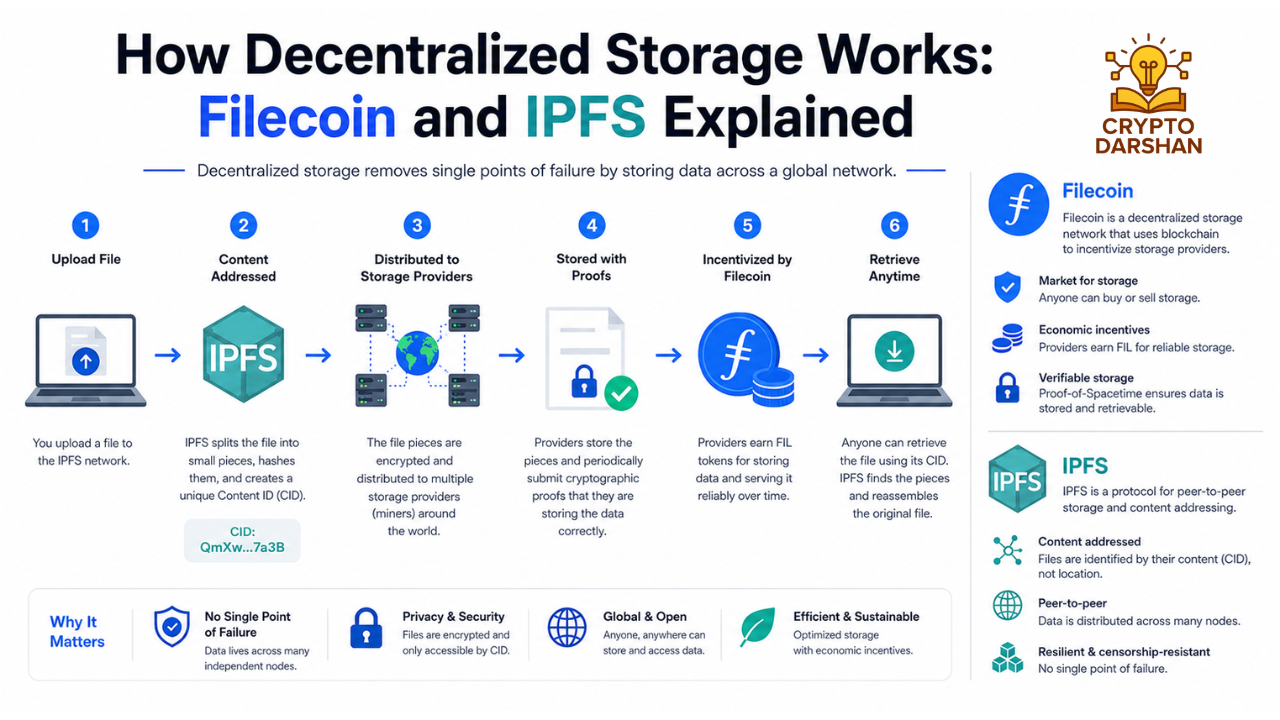
Before diving into the top picks, it’s essential to understand what cryptocurrency investments involve. Cryptocurrencies are digital assets that use blockchain technology to secure transactions and control the creation of new units. Unlike traditional currencies, they operate on decentralized networks, meaning that no central authority, such as a bank or government, controls them.
Why Beginners Should Consider Crypto Investments

Cryptocurrency has transformed from a niche concept into a global financial phenomenon. What started with Bitcoin in 2009 has now evolved into a trillion-dollar market that attracts investors, businesses, and governments worldwide. For beginners, crypto investments offer a unique opportunity to participate in a rapidly growing digital economy.
Here’s a detailed explanation of why beginners should consider investing in cryptocurrencies.
1. Accessibility and Ease of Entry
Unlike traditional investments such as real estate or stocks, cryptocurrencies are easy to access. Anyone with an internet connection and a smartphone can start investing within minutes.
- No middlemen: You don’t need brokers or banks to buy crypto.
- Low entry barriers: Many exchanges allow you to start with as little as $10.
- Global access: You can invest from anywhere, regardless of your country’s financial system.
This accessibility makes crypto ideal for beginners who want to explore investing without complex procedures or large capital requirements.
2. High Growth Potential
Cryptocurrencies have shown remarkable growth since their inception. Bitcoin, for example, was once worth less than a dollar and has reached tens of thousands of dollars per coin.
While the market is volatile, it also offers significant upside potential for long-term investors. Many projects are still in early stages, meaning early adopters can benefit as adoption increases.
For beginners, this potential for exponential growth makes crypto an exciting addition to their investment portfolio.
3. Portfolio Diversification
Diversification is a key principle in investing it helps reduce risk by spreading investments across different asset types.
Cryptocurrencies provide a new asset class that behaves differently from traditional markets like stocks or bonds. Adding crypto to a portfolio can:
- Reduce overall risk exposure.
- Improve potential returns.
- Protect against inflation and currency devaluation.
Even a small allocation (5–10%) to crypto can enhance portfolio performance over time.
4. Innovation and Real-World Utility
Cryptocurrencies are not just digital money they power innovative technologies that are reshaping industries.
- Smart contracts (Ethereum): Enable decentralized applications (dApps) without intermediaries.
- DeFi (Decentralized Finance): Allows users to lend, borrow, and earn interest without banks.
- NFTs (Non-Fungible Tokens): Revolutionize digital ownership and art.
- Blockchain technology: Improves transparency, security, and efficiency across sectors.
By investing in crypto, beginners are not only seeking profits but also supporting the future of digital innovation.
5. Inflation Hedge and Financial Independence

Traditional currencies lose value over time due to inflation. Cryptocurrencies like Bitcoin have a limited supply, making them resistant to inflationary pressures.
- Bitcoin’s supply cap: Only 21 million coins will ever exist.
- Decentralization: No government can print or manipulate crypto supply.
This scarcity gives cryptocurrencies value similar to gold, making them a potential hedge against inflation and economic instability.
For beginners, this means crypto can serve as a long-term store of value and a step toward financial independence.
6. Transparency and Security
Blockchain technology ensures that every transaction is recorded on a public ledger, making it transparent and tamper-proof.
- Immutable records: Once data is added, it cannot be altered.
- Decentralized verification: Transactions are validated by thousands of nodes worldwide.
- Enhanced security: Cryptographic encryption protects user data and funds.
For beginners, this level of transparency and security builds trust and confidence in the system.
7. Growing Global Adoption
Cryptocurrency adoption is increasing across the world. Major companies, financial institutions, and even governments are integrating blockchain technology into their operations.
- Businesses: Companies like Tesla and PayPal accept crypto payments.
- Banks: Many financial institutions now offer crypto-related services.
- Governments: Some countries are exploring or launching their own digital currencies (CBDCs).
This growing acceptance indicates that cryptocurrencies are here to stay, making early investment a smart move for beginners.
8. Passive Income Opportunities
Crypto investing isn’t limited to buying and holding. There are multiple ways to earn passive income:
- Staking: Locking coins to support network operations and earn rewards.
- Yield farming: Providing liquidity to DeFi platforms for interest.
- Airdrops: Receiving free tokens from new projects.
These opportunities allow beginners to grow their holdings without active trading.
9. Empowerment and Control Over Finances
Traditional financial systems often rely on intermediaries like banks, which control access to funds and charge high fees. Cryptocurrencies give users full control over their money.
- Peer-to-peer transactions: Send or receive funds directly without approval.
- 24/7 access: The crypto market never closes.
- Ownership: You hold your private keys, meaning you truly own your assets.
For beginners, this financial autonomy is empowering and aligns with the global shift toward decentralized finance.
Key Factors to Consider Before Investing

- Market Capitalization: Indicates the size and stability of a cryptocurrency.
- Use Case: Determines the real-world utility and long-term potential.
- Community Support: A strong community often drives adoption and innovation.
- Security and Transparency: Reliable projects have open-source code and transparent development.
- Liquidity: High liquidity ensures easy buying and selling without major price fluctuations.
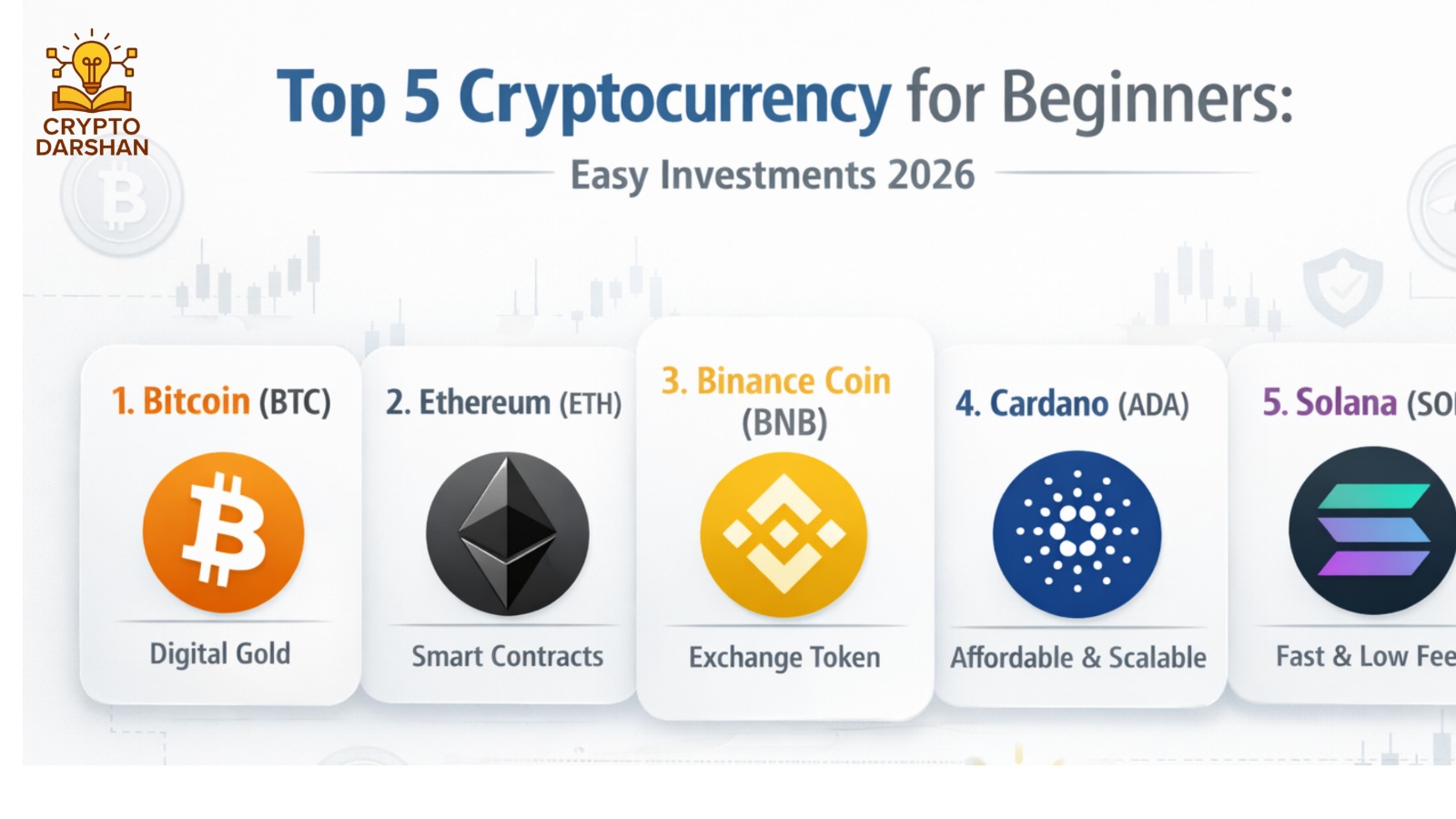
Top 5 Cryptocurrencies for Beginners in 2026
1. Bitcoin (BTC) – The Foundation of Crypto
Market Position: #1
Launch Year: 2009
Creator: Satoshi Nakamoto
Bitcoin remains the most recognized and trusted cryptocurrency in the world. It was the first digital currency to introduce blockchain technology, and it continues to dominate the market in terms of adoption, liquidity, and value.
Why Bitcoin Is Ideal for Beginners
- Proven Track Record: Over a decade of consistent performance and global recognition.
- High Liquidity: Easy to buy, sell, or trade on any exchange.
- Store of Value: Often referred to as “digital gold,” Bitcoin is a hedge against inflation.
- Institutional Adoption: Increasing acceptance by major corporations and financial institutions.
Investment Outlook for 2026
Bitcoin’s price is expected to remain strong due to limited supply (only 21 million coins) and growing institutional interest. The 2024 halving event has reduced new supply, potentially driving prices higher in 2026. For beginners, Bitcoin offers a stable entry point into the crypto world with lower risk compared to smaller altcoins.
How to Invest in Bitcoin
- Use reputable exchanges like Binance, Coinbase, or Kraken.
- Store BTC in a secure wallet (hardware or software).
- Consider dollar-cost averaging (DCA) to reduce volatility risk.
Once you decide to invest, learning how to buy Bitcoin safely is crucial, especially for beginners who want to avoid common mistakes and security risks.
2. Ethereum (ETH) – The Smart Contract Pioneer
Market Position: #2
Launch Year: 2015
Creator: Vitalik Buterin
Ethereum revolutionized the blockchain industry by introducing smart contracts self-executing agreements that run automatically when conditions are met. It powers thousands of decentralized applications (dApps), making it the backbone of the DeFi and NFT ecosystems.
Why Ethereum Is Great for Beginners
- Strong Ecosystem: Hosts thousands of projects and tokens.
- Continuous Development: Ethereum 2.0 upgrades have improved scalability and reduced energy consumption.
- Widespread Adoption: Used by developers, businesses, and governments worldwide.
- Long-Term Potential: Plays a central role in Web3 and decentralized finance.
Investment Outlook for 2026
Ethereum’s transition to a proof-of-stake (PoS) model has made it more energy-efficient and sustainable. With the rise of decentralized applications and tokenized assets, ETH demand is expected to grow. For beginners, Ethereum offers both stability and exposure to innovation.
How to Invest in Ethereum
- Purchase ETH on major exchanges.
- Use staking platforms to earn passive income.
- Store ETH in wallets like MetaMask or Ledger.
3. Solana (SOL) – The High-Speed Blockchain
Market Position: Top 10
Launch Year: 2020
Creator: Anatoly Yakovenko
Solana is known for its lightning-fast transaction speeds and low fees. It uses a unique consensus mechanism called Proof of History (PoH), which allows it to process thousands of transactions per second making it one of the fastest blockchains in the world.
Why Solana Appeals to Beginners
- Low Transaction Costs: Ideal for small investors and frequent traders.
- Scalability: Handles large volumes of transactions efficiently.
- Growing Ecosystem: Supports DeFi, NFTs, and gaming projects.
- Active Community: Strong developer and user base driving innovation.
Investment Outlook for 2026
Solana has recovered from past network issues and continues to attract developers. Its speed and efficiency make it a strong competitor to Ethereum. As more projects migrate to Solana, its value and adoption are expected to rise. For beginners, SOL offers exposure to a fast-growing blockchain with real-world utility.
How to Invest in Solana
- Buy SOL on exchanges like Binance or Coinbase.
- Use wallets such as Phantom or Solflare.
- Participate in staking to earn rewards.
4. Cardano (ADA) – The Research-Driven Blockchain
Market Position: Top 10
Launch Year: 2017
Creator: Charles Hoskinson
Cardano is a third-generation blockchain platform designed for scalability, sustainability, and interoperability. It uses a scientific approach to development, with peer-reviewed research guiding every upgrade.
Why Cardano Is Beginner-Friendly
- Strong Academic Foundation: Built on scientific research and formal verification.
- Energy-Efficient: Uses a proof-of-stake consensus mechanism.
- Long-Term Vision: Focused on real-world applications like identity management and supply chain tracking.
- Stable Growth: Less volatile compared to smaller altcoins.
Investment Outlook for 2026
Cardano’s ecosystem continues to expand with new dApps, DeFi platforms, and partnerships in developing countries. Its focus on sustainability and scalability positions it well for long-term growth. For beginners, ADA offers a balanced mix of innovation and stability.
How to Invest in Cardano
- Purchase ADA on major exchanges.
- Store in wallets like Daedalus or Yoroi.
- Stake ADA to earn passive rewards.
5. Polygon (MATIC) – The Layer-2 Scaling Solution

Market Position: Top 20
Launch Year: 2017
Founders: Jaynti Kanani, Sandeep Nailwal, Anurag Arjun
Polygon (POL) is a Layer 2 blockchain protocol built on Ethereum, designed to enhance scalability, reduce transaction costs, and enable the development of decentralized applications (dApps) for Web3. It enables developers to build scalable and user-friendly decentralized applications while maintaining Ethereum’s security.
Why Polygon Is Perfect for Beginners
- Low Fees: Transactions cost a fraction of Ethereum’s gas fees.
- Compatibility: Works seamlessly with Ethereum-based projects.
- Strong Partnerships: Collaborations with major brands and Web3 projects.
- User-Friendly: Easy to use for both developers and investors.
Investment Outlook for 2026
Polygon continues to play a crucial role in Ethereum’s ecosystem by solving scalability issues. With the rise of Web3 and enterprise blockchain adoption, MATIC’s demand is expected to grow. For beginners, Polygon offers affordable entry and exposure to Ethereum’s expanding network.
How to Invest in Polygon
- Buy MATIC on exchanges like Binance or Coinbase.
- Store in wallets compatible with Ethereum, such as MetaMask.
- Stake MATIC to earn passive income.
Bonus Mentions: Emerging Cryptocurrencies to Watch
While the top five are ideal for beginners, several emerging projects show promise for 2026:
- Avalanche (AVAX): Known for high-speed transactions and interoperability.
- Chainlink (LINK): Powers smart contracts with real-world data.
- Cosmos (ATOM): Focuses on blockchain interoperability.
- Arbitrum (ARB): A leading Layer-2 solution for Ethereum scalability.
- Polkadot (DOT): Enables cross-chain communication and innovation.
These projects may offer higher returns but come with increased risk, making them suitable for investors with some experience.
How to Start Investing in Cryptocurrencies

Investing in cryptocurrencies can seem intimidating at first, but with the right approach, it’s accessible to anyone. Whether you’re looking to diversify your portfolio or explore digital assets for the first time, understanding the process step by step will help you make informed decisions and minimize risk.
1. Understand What Cryptocurrency Is
Before investing, it’s essential to know what you’re buying.
Cryptocurrencies are digital assets that use blockchain technology to record transactions securely and transparently. Unlike traditional currencies, they are decentralized, meaning no government or bank controls them.
Each cryptocurrency serves a different purpose:
- Bitcoin (BTC) acts as a store of value.
- Ethereum (ETH) powers smart contracts and decentralized applications.
- Stablecoins like USDT or USDC are pegged to fiat currencies for stability.
Understanding these basics helps you choose coins that align with your goals.
2. Choose a Reliable Cryptocurrency Exchange
A crypto exchange is a platform where you can buy, sell, and trade cryptocurrencies.
When selecting one, look for:
- Security: Two-factor authentication (2FA), cold storage, and insurance coverage.
- Ease of Use: A simple interface for beginners.
- Reputation: Positive reviews and regulatory compliance.
- Low Fees: Transparent transaction and withdrawal costs.
Popular exchanges include Binance, Coinbase, Kraken, and KuCoin.
3. Create and Verify Your Account
Once you’ve chosen an exchange:
- Sign up using your email or phone number.
- Verify your identity (KYC): Upload identification documents to comply with regulations.
- Enable security features: Activate 2FA and set up strong passwords.
Verification ensures your account is secure and allows you to access full trading features.
4. Fund Your Account
After verification, you need to deposit funds to start investing.
Most exchanges support:
- Bank transfers
- Credit or debit cards
- Stablecoins (USDT, USDC)
Choose the method that suits you best. Bank transfers usually have lower fees, while card payments are faster.
5. Choose the Right Cryptocurrencies
As a beginner, it’s wise to start with well-established coins that have strong track records and high liquidity.
Some beginner-friendly options include:
- Bitcoin (BTC): The most stable and widely accepted cryptocurrency.
- Ethereum (ETH): The foundation of decentralized finance (DeFi) and NFTs.
- Cardano (ADA): Known for its research-driven development.
- Polygon (MATIC): A low-cost, scalable network built on Ethereum.
Avoid investing in unknown or newly launched tokens until you gain more experience.
6. Make Your First Purchase
Once your account is funded:
- Go to the Buy/Sell section of your exchange.
- Select the cryptocurrency you want to buy.
- Enter the amount you wish to invest.
- Confirm the transaction.
You can start small many exchanges allow purchases as low as $10.
7. Store Your Cryptocurrency Safely
Security is crucial in crypto investing. Leaving your coins on an exchange exposes them to hacking risks. Instead, transfer them to a crypto wallet.
Types of wallets:
- Hot Wallets: Online wallets (like MetaMask or Trust Wallet) for easy access.
- Cold Wallets: Hardware wallets (like Ledger or Trezor) for long-term storage and maximum security.
Always back up your wallet’s recovery phrase and never share it with anyone.
8. Learn About Investment Strategies
To manage risk and maximize returns, adopt a clear investment strategy:
- Dollar-Cost Averaging (DCA): Invest a fixed amount regularly, regardless of price fluctuations.
- HODLing: Buy and hold for the long term, ignoring short-term volatility.
- Diversification: Spread your investments across multiple coins to reduce risk.
Avoid emotional trading and stick to your plan.
9. Monitor Your Portfolio

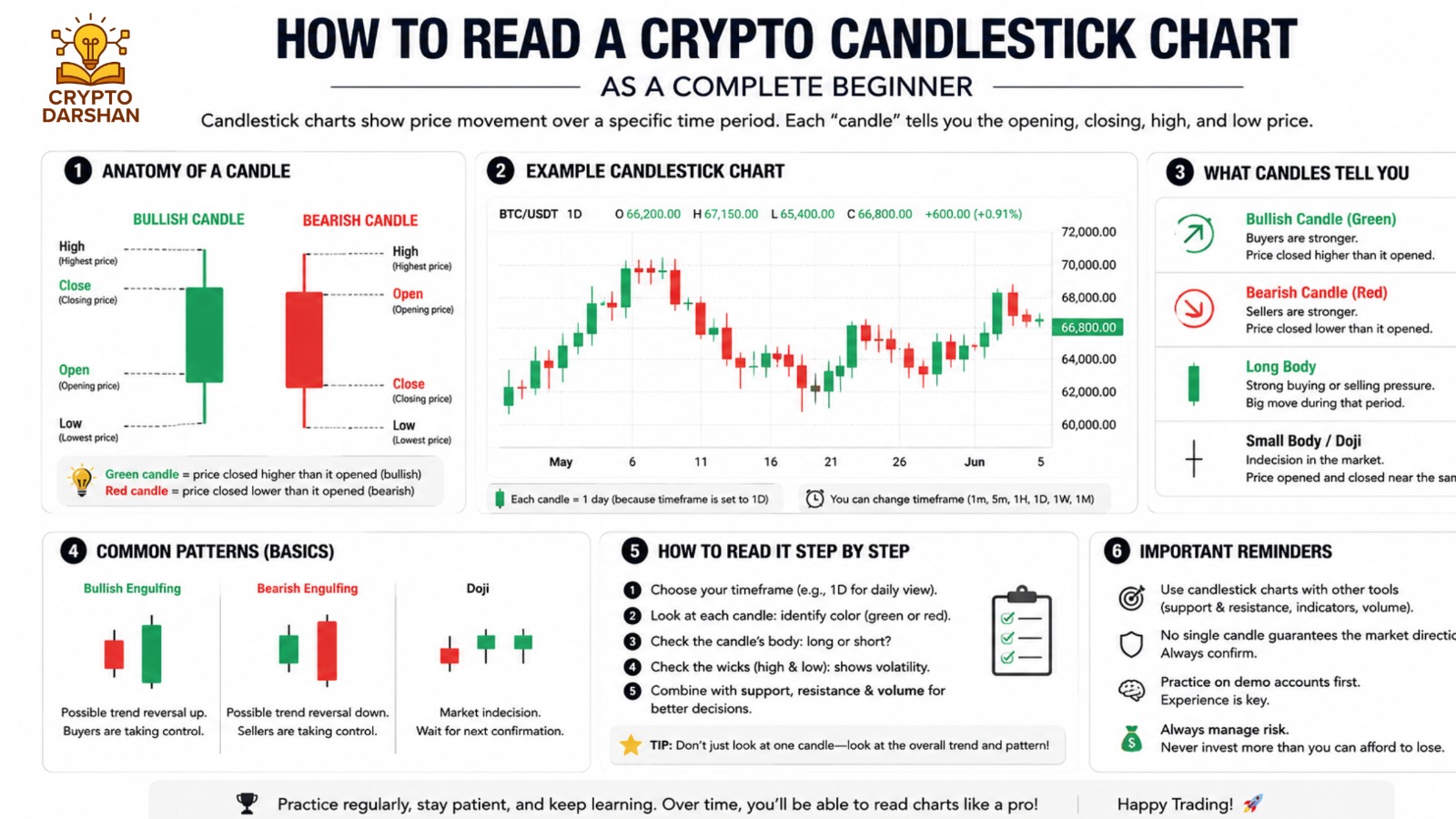
Keep track of your investments using portfolio tracking apps or exchange dashboards.
Monitor:
- Price movements
- Market trends
- News updates
However, avoid checking prices too frequently,it can lead to impulsive decisions.
10. Stay Informed and Keep Learning
The crypto market evolves quickly. Stay updated by following credible sources such as:
- Official project websites and whitepapers
- Crypto news platforms like CoinDesk or CoinTelegraph
- Educational communities on Reddit, X (Twitter), or Discord
Continuous learning helps you adapt to market changes and identify new opportunities.
11. Plan for Taxes and Regulations
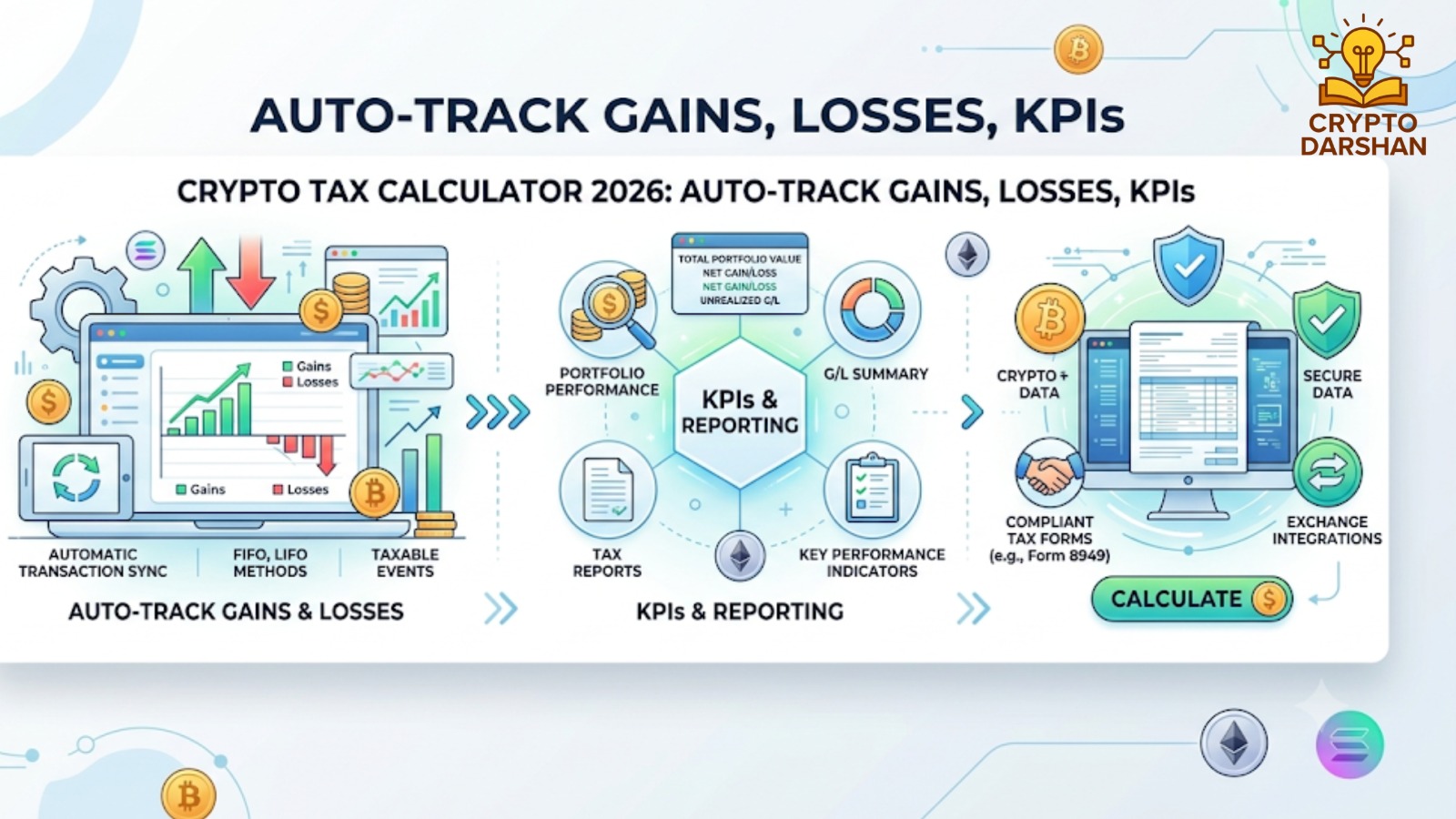
Cryptocurrency profits are taxable in many countries. Keep records of your transactions, including:
- Purchase and sale dates
- Amounts and prices
- Exchange details
Consult a tax professional to ensure compliance with local laws.
13. Think Long-Term
The crypto market can be unpredictable in the short term but rewarding over time. Focus on long-term growth rather than quick profits. Many successful investors hold their assets for years, benefiting from market cycles and technological advancements.
Risk Management for Beginner Investors
Cryptocurrency investments can be volatile. Managing risk is crucial for long-term success.
- Invest Only What You Can Afford to Lose: Avoid using essential funds.
- Diversify: Spread investments across multiple coins and sectors.
- Use Stop-Loss Orders: Protect against sudden market drops.
- Stay Informed: Follow credible news sources and market updates.
- Avoid Emotional Trading: Stick to a strategy and avoid panic selling.
The Future of Cryptocurrency in 2026 and Beyond
The crypto industry is entering a new phase of maturity. Governments are developing clearer regulations, institutional adoption is increasing, and blockchain technology is expanding into new sectors like gaming, healthcare, and supply chain management.
Key trends shaping 2026 include:
- Mainstream Adoption: More businesses accepting crypto payments.
- Central Bank Digital Currencies (CBDCs): Integration with blockchain systems.
- DeFi Expansion: Growth of decentralized lending, borrowing, and trading.
- Web3 Development: Decentralized internet applications gaining traction.
- Sustainability Focus: Shift toward eco-friendly consensus mechanisms.
These trends suggest that cryptocurrencies will continue to play a vital role in the global financial system.
Conclusion
Cryptocurrency investing in 2026 offers exciting opportunities for beginners. The key is to start with reliable, well-established coins that combine stability, utility, and growth potential.
The top 5 cryptocurrencies for beginnersBitcoin, Ethereum, Solana, Cardano, and Polygon provide a balanced mix of safety and innovation. Each has a strong community, proven technology, and long-term potential.
Starting your cryptocurrency investment journey doesn’t have to be complicated. By understanding the basics, choosing reliable platforms, securing your assets, and following a disciplined strategy, you can confidently enter the world of digital finance.