The digital economy has transformed how people work, collaborate, and get paid. Freelancing, once a niche form of employment, has become a global movement powered by technology and connectivity. Yet, one of the biggest challenges freelancers face is getting paid efficiently across borders. Traditional payment systems often involve high fees, long delays, and complex currency conversions. This is where tokenized freelancing and cryptocurrency payments are changing the game.
Tokenized freelancing refers to a system where freelancers receive payments in digital tokens or cryptocurrencies instead of traditional fiat currencies. These tokens can represent value, ownership, or even access to specific platforms. With blockchain technology, freelancers can now receive instant, secure, and borderless payments. This model is reshaping the global freelance economy, offering new opportunities for both freelancers and clients.
This article explores how tokenized freelancing works, its benefits, challenges, and the future of getting paid globally with crypto. It also provides practical insights for freelancers looking to adopt this new payment model.
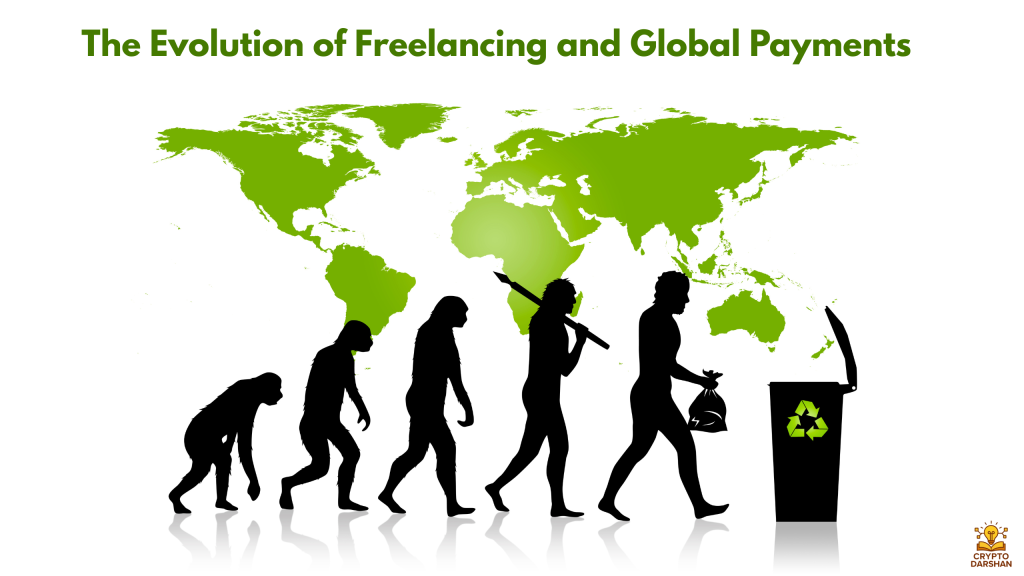
The Evolution of Freelancing and Global Payments
The Rise of the Freelance Economy
Freelancing has grown rapidly over the past decade. According to global workforce studies, more than one-third of professionals now engage in freelance work, either full-time or part-time. The rise of remote work, digital platforms, and the gig economy has made freelancing a mainstream career choice.
Platforms like Upwork, Fiverr, and Freelancer.com have connected millions of freelancers with clients worldwide. However, while these platforms have simplified finding work, they have not fully solved the problem of cross-border payments. Freelancers often face issues such as:
- High transaction fees from payment processors
- Currency conversion losses
- Delays in receiving funds
- Limited access to global banking systems
These challenges have created a demand for faster, cheaper, and more inclusive payment solutions.
The Problem With Traditional Payment Systems
Traditional payment systems rely on intermediaries such as banks, credit card companies, and payment gateways. Each intermediary adds fees and processing time. For freelancers working with international clients, this can mean losing up to 10% of their earnings in fees and waiting several days for funds to clear.
Moreover, freelancers in developing countries often face additional barriers. Some regions have limited access to PayPal or international banking services. Others experience currency instability, making it difficult to preserve the value of their earnings. These issues have made cryptocurrency an attractive alternative.
Understanding Tokenized Freelancing

What Is Tokenized Freelancing?
Tokenization is the process of creating a digital representation of a real thing. Tokenized freelancing is a system where freelancers are paid using blockchain-based tokens or cryptocurrencies. These tokens can be native cryptocurrencies like Bitcoin (BTC) or Ethereum (ETH), or they can be platform-specific tokens designed for freelance ecosystems.
In a tokenized freelance model, smart contracts—self-executing agreements coded on the blockchain—automate payments once work is completed and approved. This eliminates the need for intermediaries and ensures transparency between freelancers and clients.
How It Works
- Agreement Creation: A freelancer and client agree on project terms, including payment amount and milestones.
- Smart Contract Setup: The agreement is encoded into a smart contract on a blockchain platform.
- Escrow and Payment: The client deposits the agreed amount in cryptocurrency into the smart contract.
- Work Submission: The freelancer completes the work and submits it for review.
- Automatic Release: Once the client approves the work, the smart contract automatically releases payment to the freelancer’s crypto wallet.
This process ensures trust, reduces disputes, and provides instant payment upon completion.
Types of Tokens Used
- Cryptocurrencies: Bitcoin, Ethereum, and stablecoins like USDT or USDC are commonly used for freelance payments.
- Utility Tokens: Some freelance platforms issue their own tokens that can be used for payments, staking, or governance.
- Security Tokens: Represent ownership or investment in a project, though less common in freelance transactions.
- Non-Fungible Tokens (NFTs): Used in creative Tokenized freelancing, such as digital art or design, where ownership and authenticity matter.
Benefits of Tokenized Freelancing
1. Borderless Payments
Cryptocurrency enables freelancers to receive payments from anywhere in the world without relying on banks or payment processors. This opens opportunities for freelancers in regions with limited financial infrastructure.
2. Instant Transactions
Traditional payments can take days to process, especially across borders. Crypto transactions, depending on the blockchain, can be completed within minutes. This speed improves cash flow and financial flexibility for freelancers.
3. Lower Fees
Blockchain transactions often have lower fees compared to traditional payment systems. Freelancers can retain more of their earnings, especially when using efficient networks or layer-2 solutions.
4. Financial Inclusion
Tokenized freelancing empowers individuals who lack access to traditional banking. All that’s needed is an internet connection and a crypto wallet. This inclusivity is particularly valuable in developing economies.
5. Transparency and Security
Blockchain technology ensures that all transactions are recorded on a public ledger. This transparency reduces fraud and builds trust between freelancers and clients. Smart contracts also minimize disputes by automating payment conditions.
6. Protection Against Inflation
Freelancers in countries with unstable currencies can preserve the value of their earnings by holding stablecoins or cryptocurrencies pegged to stronger currencies like the US dollar.
7. Access to Decentralized Finance (DeFi)
Freelancers can use their crypto earnings in decentralized finance platforms to earn interest, stake tokens, or access loans. This creates new financial opportunities beyond traditional banking.
Challenges of Tokenized Freelancing
1. Price Volatility
Cryptocurrencies are known for their price fluctuations. A payment received in Bitcoin today could lose value tomorrow. To mitigate this, many freelancers prefer stablecoins like USDT or USDC, which are pegged to fiat currencies.
2. Regulatory Uncertainty
Crypto regulations vary by country. Some governments embrace digital currencies, while others impose restrictions. Freelancers must stay informed about local laws to ensure compliance.
3. Technical Barriers
Not all freelancers are familiar with blockchain technology. Setting up wallets, managing private keys, and understanding transaction fees can be intimidating for beginners.
4. Limited Adoption
While crypto adoption is growing, not all clients are ready to pay in tokens. Freelancers may need to educate clients or use hybrid payment models that combine fiat and crypto.
5. Taxation and Accounting
Tracking crypto income for tax purposes can be complex. Freelancers must maintain accurate records of transactions and understand how their jurisdiction treats crypto earnings.
Platforms Supporting Tokenized Freelancing
Several platforms have emerged to support crypto-based freelance work. These platforms integrate blockchain technology to facilitate secure, transparent, and efficient transactions.
1. LaborX
LaborX is a blockchain-based freelance platform that connects clients and freelancers using smart contracts. Payments are made in cryptocurrencies like Bitcoin, Ethereum, and stablecoins. The platform also offers reputation tracking and dispute resolution.
2. Ethlance
Ethlance operates entirely on the Ethereum blockchain. It allows freelancers to list services and get paid in Ether (ETH) without platform fees. All transactions are handled through smart contracts.
3. CryptoTask
CryptoTask is a decentralized freelance marketplace that uses blockchain to ensure transparency and fairness. It supports multiple cryptocurrencies and offers a peer-to-peer review system.
4. Braintrust
Braintrust is a user-owned talent network where freelancers are paid in both fiat and crypto. The platform’s native token, BTRST, is used for governance and rewards.
5. Bitwage
Bitwage allows freelancers to receive part or all of their salary in cryptocurrency. It integrates with traditional payroll systems, making it easier for companies to pay freelancers in crypto.
How Freelancers Can Get Started With Crypto Payments
Step 1: Set Up a Crypto Wallet
A crypto wallet is essential for receiving and storing digital payments. Options include:
- Hot Wallets: Online wallets like MetaMask or Trust Wallet for quick access.
- Cold Wallets: Hardware wallets like Ledger or Trezor for enhanced security.
Step 2: Choose the Right Cryptocurrency
Freelancers should select stable and widely accepted cryptocurrencies. Stablecoins like USDT, USDC, or DAI are ideal for minimizing volatility.
Step 3: Agree on Payment Terms
Before starting a project, freelancers and clients should agree on:
- The cryptocurrency to be used
- The wallet address for payment
- The exchange rate reference (if applicable)
- The payment schedule and milestones
Step 4: Use Smart Contracts or Escrow Services
Smart contracts or crypto escrow services ensure that funds are held securely until work is completed. This builds trust and reduces the risk of non-payment.
Step 5: Convert Crypto to Fiat (If Needed)
Freelancers can use exchanges like Coinbase, Binance, or Kraken to convert crypto earnings into local currency. Alternatively, they can hold crypto as an investment.
Step 6: Track Income and Taxes
Freelancers should maintain detailed records of all crypto transactions for tax reporting. Tools like CoinTracking or Koinly can simplify this process.
As freelancers increasingly adopt blockchain-based payment systems, this trend also connects to the broader decentralized finance ecosystem explored inDeFi Yields Are Rising Again — But Is It Sustainable?, where blockchain protocols are creating new financial opportunities beyond traditional banking systems.
The Role of Stablecoins in Freelance Payments
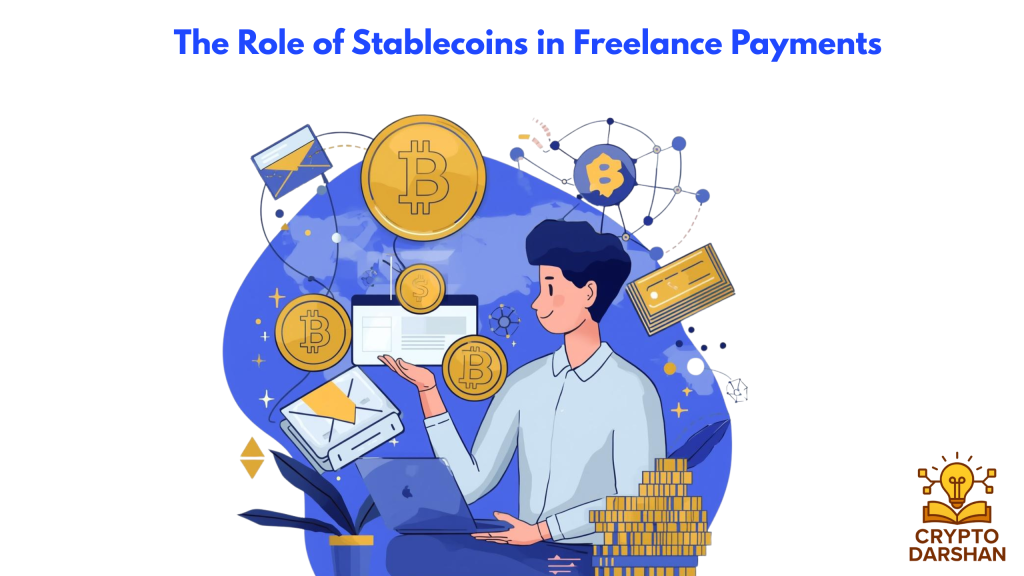
Stablecoins have become a cornerstone of tokenized freelancing. They combine the benefits of blockchain technology with the stability of fiat currencies. For freelancers, stablecoins offer:
- Price Stability: Pegged to fiat currencies, reducing volatility.
- Fast Transfers: Transactions settle within minutes.
- Low Fees: Cheaper than traditional wire transfers.
- Global Accessibility: Usable across borders without banking restrictions.
Popular stablecoins include Tether (USDT), USD Coin (USDC), and Binance USD (BUSD). These tokens are widely accepted on freelance platforms and exchanges.
The Future of Tokenized Freelancing
Integration With Web3 and the Metaverse
As Web3 technologies evolve, tokenized freelancing will expand into decentralized environments. Freelancers may offer services in virtual worlds, get paid in native metaverse tokens, and build digital reputations tied to blockchain identities.
Decentralized Autonomous Organizations (DAOs)
DAOs are community-driven organizations governed by smart contracts. Freelancers can join DAOs to contribute skills, earn tokens, and participate in decision-making. This model promotes collective ownership and fair compensation.
Tokenized Reputation Systems
Blockchain can record freelancers’ work history, ratings, and achievements in a transparent, tamper-proof way. This creates a verifiable reputation system that enhances trust and reduces fraud.
Cross-Chain Payments
Future blockchain developments will enable seamless payments across multiple networks. Freelancers will be able to receive tokens from different blockchains without worrying about compatibility.
Integration With AI and Automation
AI tools can automate project matching, contract creation, and payment verification. Combined with blockchain, this will create a fully automated freelance ecosystem.
Case Studies: Freelancers Thriving With Crypto Payments

Case Study 1: A Graphic Designer in Nigeria
A freelance designer in Lagos began accepting payments in USDT through a blockchain-based platform. This eliminated delays and currency conversion losses. The designer now receives payments instantly and uses DeFi platforms to earn interest on savings.
Case Study 2: A Developer in Eastern Europe
A software developer working with clients in the US switched to crypto payments to avoid high international transfer fees. Using Ethereum-based smart contracts, the developer now receives payments within minutes and has full control over funds.
Case Study 3: A Content Writer in India
A content writer started accepting stablecoin payments from global clients. By using a crypto wallet and exchange, the writer converts earnings to local currency when needed, avoiding PayPal’s high fees and delays.
Expanding Opportunities in Tokenized Freelancing
The Rise of Niche Crypto Freelance Markets
As blockchain ecosystems grow, specialized freelance markets are emerging. Developers, designers, and marketers are finding opportunities in decentralized finance (DeFi), non-fungible tokens (NFTs), and blockchain gaming. These industries often pay exclusively in crypto, creating a self-sustaining digital economy.
Freelancers who understand blockchain technology, smart contracts, and tokenomics are in high demand. For example, NFT artists can sell their creations directly to collectors using smart contracts, while blockchain developers can earn tokens for contributing to open-source projects.
Building a Personal Brand in the Crypto Space
Freelancers can enhance their visibility by building a personal brand within the crypto community. This includes maintaining a professional presence on decentralized platforms, contributing to blockchain projects, and engaging in crypto-related forums. A strong reputation can lead to higher-paying opportunities and long-term collaborations.
The Role of Education and Skill Development
To succeed in tokenized freelancing, continuous learning is essential. Freelancers should familiarize themselves with blockchain fundamentals, wallet management, and decentralized applications (dApps). Many online platforms offer free or affordable courses on blockchain technology, smart contracts, and crypto finance.
The Environmental Impact of Crypto Payments
One concern often raised about cryptocurrency is its environmental footprint, particularly with proof-of-work blockchains like Bitcoin. However, newer blockchains such as Ethereum 2.0, Solana, and Polygon use energy-efficient consensus mechanisms. As the industry evolves, eco-friendly crypto payments will become the norm, aligning with global sustainability goals.
The Role of Governments and Institutions
Governments and financial institutions are beginning to recognize the potential of blockchain for cross-border payments. Some countries are developing central bank digital currencies (CBDCs) that could integrate with freelance payment systems. This hybrid model could combine the efficiency of crypto with the stability of regulated currencies. The borderless nature of crypto payments is also closely connected to growing global blockchain adoption, a trend where supportive regulations and institutional interest are accelerating the region’s digital economy.
The Social Impact of Tokenized Freelancing
Tokenized freelancing has the potential to reduce global inequality by providing fair access to work and payment. Freelancers in developing countries can compete globally without being limited by local banking systems. This democratization of opportunity can empower millions of skilled professionals to achieve financial independence.
The borderless nature of crypto payments is closely tied to the global adoption of blockchain technology, similar to the developments highlighted in Middle East Crypto Adoption: The Next Global Hub?
Risks and How to Mitigate Them

1. Market Volatility
Use stablecoins to avoid price fluctuations. Convert volatile crypto to stable assets immediately after receiving payment.
2. Security Risks
Protect wallets with strong passwords, two-factor authentication, and hardware storage. Never share private keys.
3. Scams and Fraud
Verify clients before accepting projects. Use escrow or smart contracts to secure payments.
4. Regulatory Risks
Stay updated on local crypto regulations. Consult a tax professional for compliance.
5. Lack of Legal Recourse
Because blockchain transactions are irreversible, freelancers must ensure contracts are clear and verified before starting work. Using reputable platforms and smart contracts can minimize risks.
Tokenized Freelancing: Getting Paid Globally With Crypto – FAQ

1. What is Tokenized Freelancing?
Tokenized freelancing is a work model where freelancers receive payments in cryptocurrency or blockchain-based tokens instead of traditional fiat currency. Blockchain technology enables secure, transparent, and borderless payments between clients and freelancers without relying on banks or payment intermediaries.
2. How Does Tokenized Freelancing Work?
In tokenized freelancing, projects are posted on blockchain-based freelance platforms. Once a freelancer completes the task, a smart contract verifies the agreement and automatically releases payment in cryptocurrency to the freelancer’s wallet.
3. Why Are Freelancers Choosing Crypto Payments?
Freelancers prefer crypto payments because they offer faster transactions, lower fees, and global accessibility. Unlike traditional payment systems, crypto allows freelancers to work with international clients without delays from banks or currency conversions.
4. Which Cryptocurrencies Are Commonly Used for Freelance Payments?
Many freelancers receive payments in stablecoins such as USDT or USDC because they maintain a stable value. Some projects also pay in major cryptocurrencies like Bitcoin or Ethereum, or in platform-specific tokens.
5. What Are the Advantages of Tokenized Freelancing?
Tokenized freelancing offers benefits such as instant global payments, reduced transaction costs, financial inclusion for freelancers in underserved regions, and greater transparency through blockchain records.
6. Are There Risks in Getting Paid With Crypto?
Yes, there are risks such as cryptocurrency price volatility, scams, regulatory uncertainty, and the possibility of sending funds to the wrong wallet address. Using secure wallets and trusted platforms helps reduce these risks.
7. Do Freelancers Need Technical Knowledge to Use Crypto Payments?
Freelancers only need basic knowledge of crypto wallets and blockchain transactions. Many freelance platforms now provide simple interfaces that make sending and receiving crypto payments easy.
8. How Do Taxes Work for Crypto Freelancers?
In most countries, cryptocurrency earnings are treated as taxable income. Freelancers must track the value of the crypto they receive and report it according to local tax regulations.
Conclusion
Tokenized freelancing represents the next evolution of the global freelance economy. By leveraging blockchain and cryptocurrency, freelancers can overcome traditional payment barriers, access global opportunities, and achieve financial independence. While challenges like volatility and regulation remain, the benefits of speed, transparency, and inclusivity make crypto payments an attractive option for the modern freelancer.
As blockchain technology matures, tokenized freelancing will become more mainstream. Freelancers who adapt early will gain a competitive edge in the global digital economy. The future of work is decentralized, and crypto is at its core—empowering freelancers to get paid globally, instantly, and securely.