
The SEC crypto rules have rolled out fresh guidelines on crypto that are shaking up the market. These rules aim to sort out which digital assets fall under securities laws and which don’t, giving investors clearer paths forward.
Clearer Crypto Categories Emerge

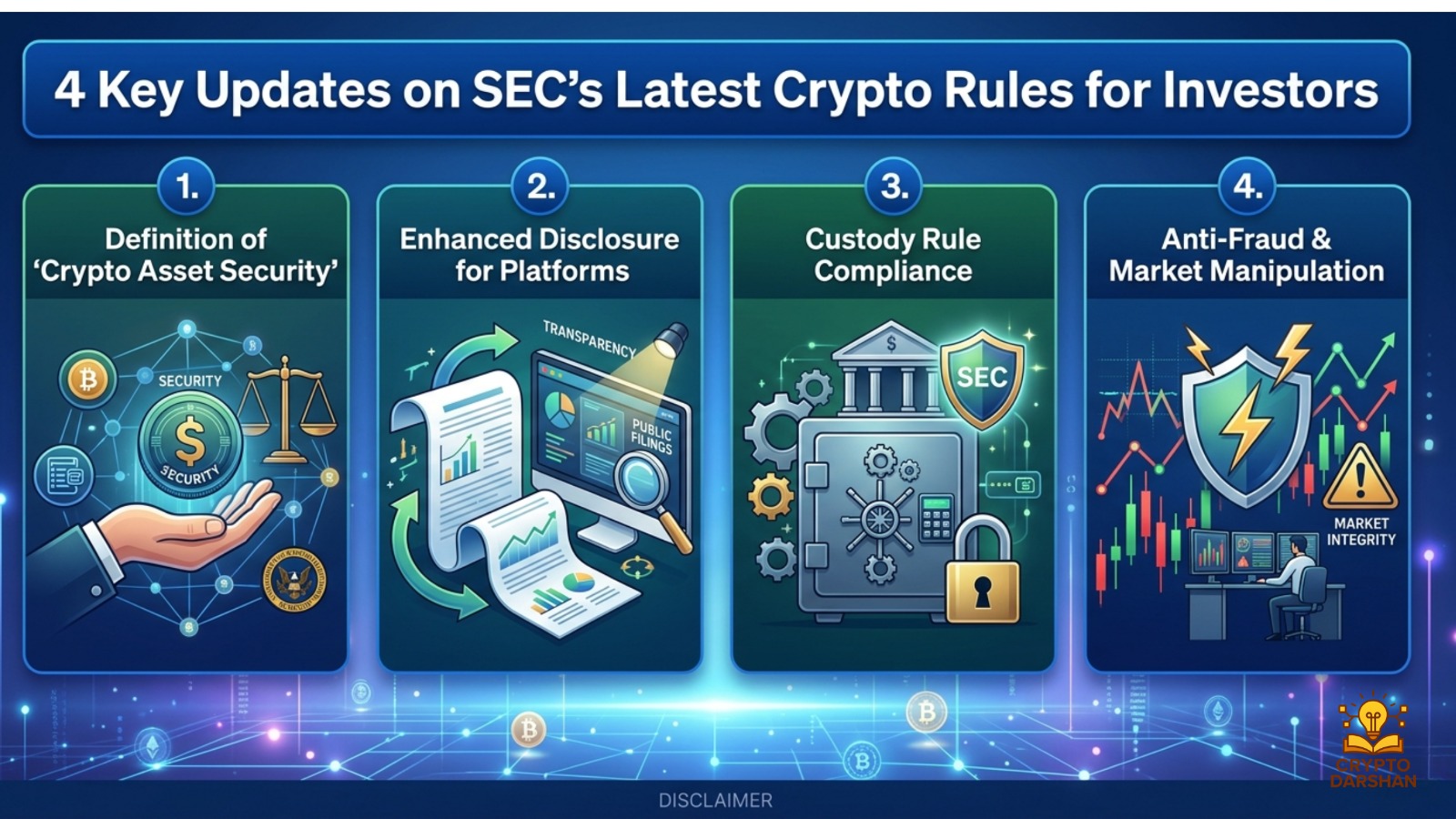
The SEC, working with the CFTC, split crypto rules into five main buckets: digital commodities like Bitcoin and ETH, collectibles such as NFTs, tools for networks, stablecoins, and outright securities. This setup favors big names, Bitcoin stays a commodity thanks to proof-of-work mining, while Ethereum and Solana benefit from staking rules that dodge securities status.
Proof-of-stake activities on networks like these now get a green light without triggering investment contract rules, as long as they’re just helping secure the blockchain. Tokens like XRP also land in safer spots, boosting projects focused on payments or privacy tech. Everyday investors can breathe easier knowing popular coins won’t face sudden registration demands.
Staking and Rewards Get a Pass, With Limits

One big win comes for staking fans. If you’re locking up tokens to support a protocol-level network, like Ethereum’s setup, that activity skips securities oversight. The same goes for airdrops tied to genuine network participation, not hype-driven giveaways.
But watch out,centralized staking pools or services promising fixed yields might still count as securities if they act like investment deals. This draws a line: pure blockchain support is fine, but anything smelling like a fund could draw scrutiny. Investors holding staked assets should check if their setup fits the “protocol-level” mold to avoid surprises.
Brokers Bear the Classification Burden

Gone are the days of waiting for the SEC to label every token. Now, brokers and platforms must decide on the fly if an asset is a security based on its use and features. They have to monitor changes too, like if a token shifts from utility to investment hype.
This shifts risk to exchanges and advisors, who’ll need strong compliance teams. For you as an investor, it means picking platforms with solid legal chops, look for ones already adapting to these rules. A proposed four-year “safe harbor” for new projects lets startups raise funds lightly at first, if they hit milestones, opening doors for fresh innovation. Security remains a major concern, especially across networks,explore Cross-Chain Bridges Fixed? Multichain Wallets That Won’t Get Hacked for more insights.
Custody and Trading Rules Tighten Up

Custody gets a major upgrade. Platforms holding your crypto must prove top-notch security, like segregated wallets and regular audits, especially for anything deemed a security, and follow the SEC crypto rules. Trading spots face new demands for surveillance against manipulation and cyber threats.
Project Crypto, part of the SEC’s broader push under evolving Crypto rules frameworks, is finally shaping regulations to fit digital assets instead of forcing them into outdated stock market templates. This means investors will get clearer insights into things like token supply, risks, and governance, making it easier to spot weak projects or potential scams. At the same time, Bitcoin and Ethereum ETFs continue to gain traction, but under these new Crypto rules standards, financial advisors are expected to treat crypto just like any other regulated asset when building client portfolios..
What This Means for Your Wallet

These changes hand commodities like BTC, ETH, SOL, and XRP a regulatory edge, likely sparking more institutional cash. Privacy coins and DeFi tools squeeze through narrower gates, while meme tokens stay risky.
Diversify smartly by building your core portfolio around well-established, clearly regulated assets, while still leaving room to explore promising “safe-harbor” opportunities for growth. As new Crypto rules frameworks evolve, expect platforms to gradually increase fees to stay compliant, so it’s always worth comparing options before you invest. Over time, these Crypto rules developments could bring the kind of stability and maturity we’ve seen in traditional stock markets. Stay informed through official updates and trusted exchanges so you can adapt early and make the most of the changing landscape.