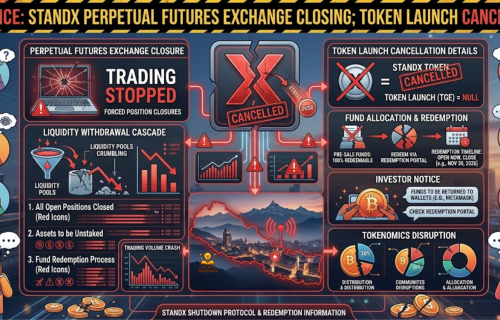
A U.S. federal court sentenced PGI Global’s CEO to 20 years in prison for a $200 million Ponzi scheme. The fraud involved fake bitcoin mining and forex trading promises. Over $50 million in assets seized for victims.
Investors poured their hard-earned money into PGI Global from a wide range of backgrounds, including working parents, pensioners, and even young aspirants seeking fast gains. The company hyped sky-high returns from bitcoin mining and forex trading. They flashed fake dashboards, glossy videos, and testimonials that screamed “easy money.” But behind the scenes, it was all smoke and mirrors. No real trades happened. New money from fresh victims just paid off the old ones. Classic Ponzi playbook
The fallout hit hard. Thousands lost their savings. One victim, a teacher from the Midwest, told reporters she dumped her life savings of over $100,000, hoping to fund her kids’ college. Now? She’s starting over at 60. Stories like hers flooded court documents, painting a grim picture of shattered trust. The scheme ran for years, pulling in cash from the U.S., Europe, and beyond. Regulators finally caught on when red flags piled up: impossible returns (like 20% monthly gains), pressure to recruit friends, and zero proof of actual investments.
How the Scheme Unraveled

It all started gaining steam around 2020, right when bitcoin prices exploded. PGI Global rode that wave, promising “guaranteed” profits from crypto mining farms they claimed to own. Forex trading was the cherry on top fancy charts showing massive wins. But dig deeper, and cracks appeared. Whistleblowers stepped forward. Bank records showed funds vanishing into luxury buys: yachts, mansions, private jets for the CEO and his inner circle.
U.S. authorities, teaming up with the FBI and SEC, launched a probe in 2023. They seized servers, froze accounts, and tracked bitcoin wallets. Key evidence? Over $200 million flowed through the operation, but legit trades barely hit 1%. The CEO, a smooth-talking salesman with no real finance background, lived large while victims begged for refunds. In court, prosecutors laid it out plain: this wasn’t a bad bet; it was outright theft.
The sentencing happened last week in a packed Florida courtroom. The judge didn’t hold back, calling it “one of the largest crypto frauds ever prosecuted.” Twenty years behind bars, plus millions in restitution orders. Co-defendants got lighter hits some probation, others 10-year terms but the boss took the full brunt. Assets seized so far top $50 million, with more auctions planned to pay back victims.
Lessons for Crypto and Forex Investors Today

This mess isn’t just old news it’s a wake-up call in 2026’s wild markets. Bitcoin’s hovering near all-time highs, and forex apps pop up daily promising riches. But Ponzi schemes evolve. They use slick websites, AI chatbots, and social media influencers to hook you. Here’s how to spot and dodge them:
- Check the returns: If it’s over 10-15% monthly with “no risk,” run. Real crypto and forex swing wildly.
- Demand proof: Ask for audited financials or third-party verifications. PGI faked everything.
- Watch the pressure: Legit firms don’t beg you to recruit friends for bonuses.
- Regulator green lights: Stick to platforms registered with the SEC, CFTC, or your local body. Use tools like BrokerCheck.
- Start small: Test with pocket change before going all-in.
Experts say education is key. Groups like the Better Business Bureau and crypto watchdogs now flag suspicious outfits faster. Still, losses from similar scams topped $5 billion last year alone. Blockchain’s transparency helps track wallets on explorers like Etherscan, but hype often blinds people.
While many investors trusted PGI Global with their capital, our piece Seed Phrases Are Crypto’s Biggest Adoption Problem explains why education around wallet security is critical to avoid blind trust in third parties.
Why This Hits Crypto Hard
This is another setback for Crypto’s reputation. Indeed, with ETFs and major institutions entering the market, bitcoin is now a legitimate asset class. However, scammers adore the excitement. Since both forex scams promise quick flips, they also go well together. Authorities are stepping up: U.S. legislation and EU MiCA regulations seek to tighten licensing requirements for cryptocurrency companies. As technology improves in tracking down funds, expect more busts.
For victims, A court-appointed fund will distribute seized cash, though full recovery is a long shot. Support groups offer counseling and legal aid. One silver lining? Cases like this push the industry forward. Legit players like Coinbase and Binance stress compliance, building trust.
Stay Safe in the Crypto Jungle
In summary, although greed feeds these traps, intelligence can help you avoid them. Read whitepapers, keep up with verifiable news (kudos to the sites who keep tabs on this every day), and never risk money you can’t afford to lose. The demise of PGI Global serves as a reminder that risk always lies behind glittering promises. Be alert when markets change.