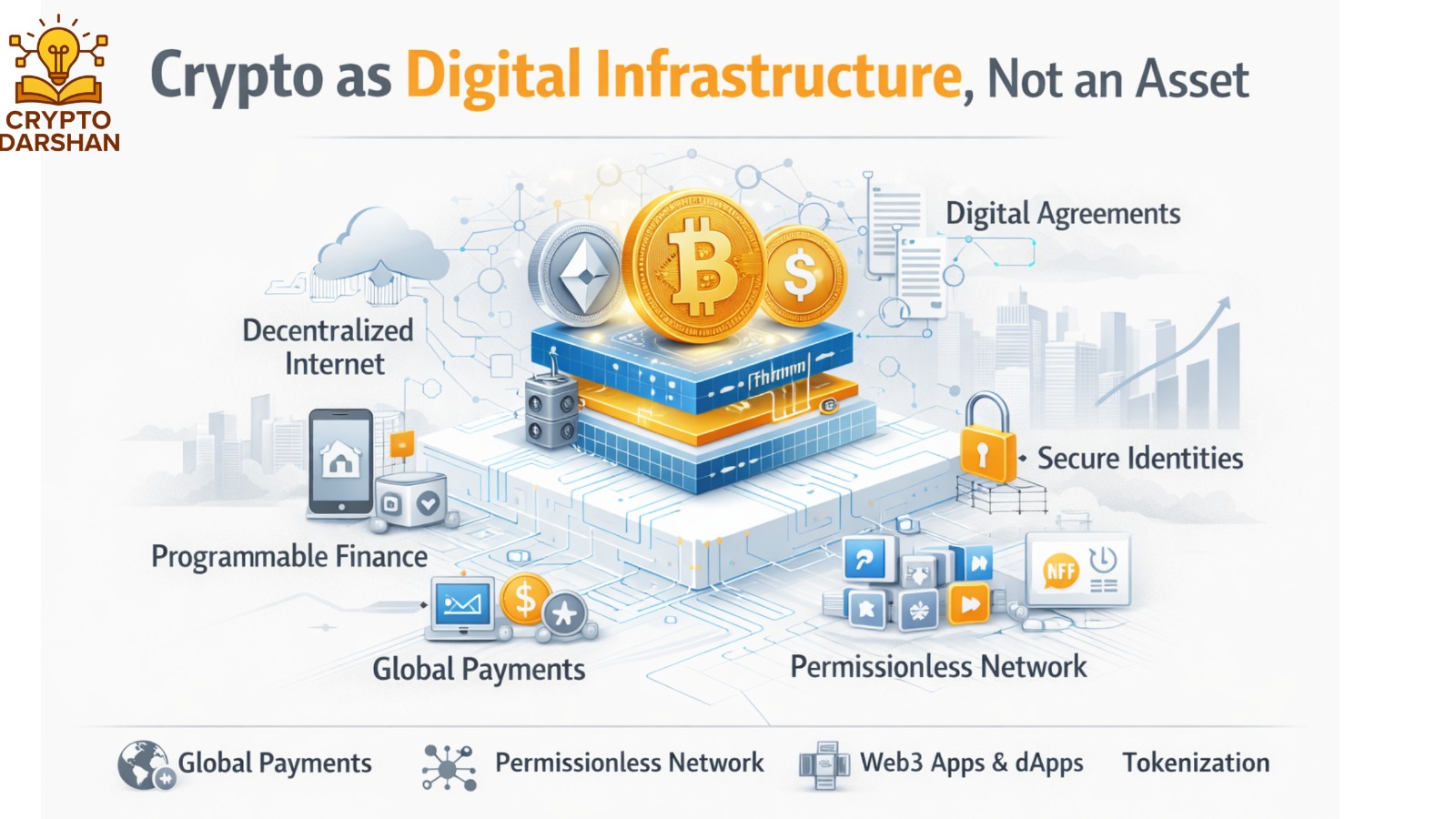
Crypto as digital infrastructure shifts the narrative from speculative assets to foundational tech enabling decentralized apps, Layer 2 scaling, and programmable money. For more than a decade, cryptocurrency has been viewed primarily as an asset class, a new form of digital money or investment vehicle. Bitcoin, Ethereum, and thousands of other cryptocurrencies have been traded, speculated upon, and held as stores of value. However, this narrow view misses the deeper transformation taking place beneath the surface.
Cryptocurrency is not just a collection of digital assets; it is the foundation of a new kind of digital infrastructure. This infrastructure is reshaping how value, data, and trust move across the internet. It is building a decentralized framework for finance, governance, identity, and communication one that operates without centralized control.
As blockchain technology matures, the focus is shifting from price speculation to utility. The real power of crypto lies in its ability to serve as the infrastructure layer for a new digital economy. This article explores how crypto is evolving from an asset class into a global digital infrastructure that supports decentralized applications, financial systems, and digital societies.
The Early View: Crypto as an Asset

When Bitcoin was introduced in 2009, it was designed as a peer-to-peer electronic cash system. Over time, it became known as “digital gold,” a store of value that could protect wealth from inflation and government interference. Investors began treating Bitcoin and other cryptocurrencies as speculative assets, similar to stocks or commodities.
This perception was reinforced by the rise of crypto exchanges, trading platforms, and investment funds. The focus shifted toward price movements, market cycles, and portfolio diversification. While this helped drive adoption, it also limited the understanding of what blockchain technology could truly achieve.
The asset-focused mindset led many to overlook the fact that cryptocurrencies are not just tokens they are functional components of decentralized networks. Each token represents access, participation, and governance within a digital ecosystem. In other words, crypto is not only something to own; it is something to use.
The Shift Toward Crypto as Infrastructure

From Speculation to Utility
In the early years, most people saw cryptocurrencies as investment assets something to buy, hold, and trade for profit. Over time, developers and innovators began to realize that the real value of crypto lies not in its price but in its technology. This shift marked the beginning of crypto being viewed as infrastructure rather than just an asset.
Building Functional Systems
Blockchain networks started evolving beyond simple payment systems. Developers began creating platforms that could host decentralized applications (dApps), smart contracts, and financial tools. These systems showed that crypto could serve as the foundation for new digital services, much like how the internet supports websites and apps.
Smart Contracts and Programmability
The introduction of smart contracts, self-executing programs that run on blockchains, transformed crypto into a programmable infrastructure. Platforms like Ethereum allowed developers to build decentralized finance (DeFi) apps, NFT marketplaces, and governance systems, proving that blockchain could power entire ecosystems, not just currencies.
Decentralized Networks as Infrastructure
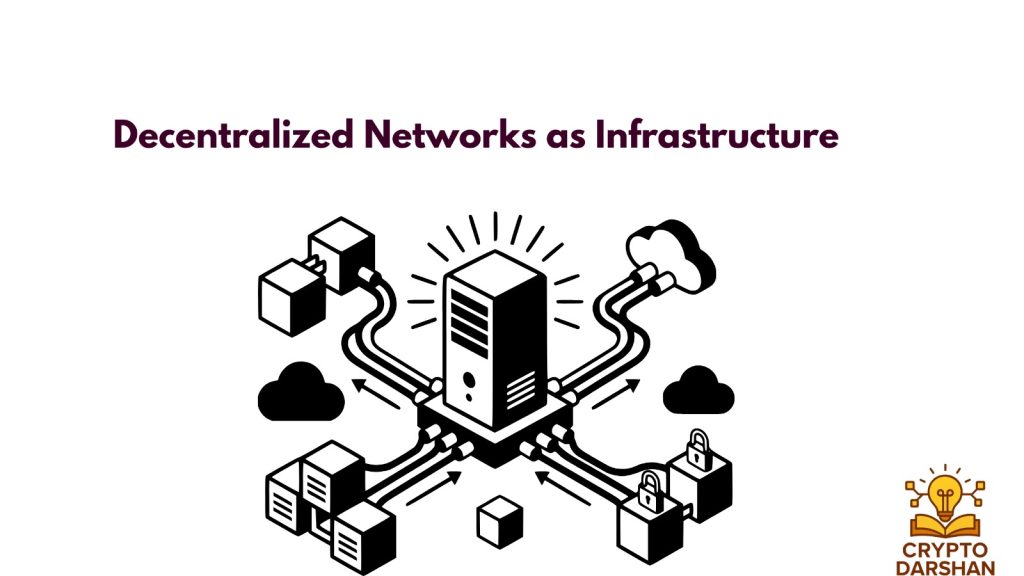
Each blockchain network now functions as a piece of digital infrastructure.
- Bitcoin acts as a secure settlement layer for digital value.
- Ethereum provides a base for decentralized applications.
- Polkadot and Cosmos connect multiple blockchains.
- Chainlink links blockchain systems to real-world data. These networks form the building blocks of a decentralized digital economy.
Crypto as the Backbone of Web3
The rise of Web3, the decentralized version of the internet, has made crypto essential infrastructure. In Web3, users own their data, digital identities, and assets. Crypto tokens power these systems, enabling payments, governance, and access to decentralized services.
Integration Across Industries
Beyond finance, crypto infrastructure is being used in supply chains, gaming, healthcare, and digital identity. Companies are using blockchain to track goods, verify authenticity, and manage data securely. This shows that crypto is becoming a core part of digital operations across industries.
A New Digital Foundation
The shift toward crypto as infrastructure represents a major evolution in technology. Instead of being a speculative market, crypto is now the foundation for decentralized systems that handle money, data, and trust. It’s becoming the digital backbone of a new, open, and borderless economy.
Understanding Digital Infrastructure

Digital infrastructure refers to the foundational systems that enable digital communication, data exchange, and online services. In the traditional internet, this includes servers, data centers, cloud platforms, and payment networks.
In the blockchain era, digital infrastructure takes on a new meaning. It includes decentralized networks that provide:
- Computation: Smart contract platforms like Ethereum and Solana.
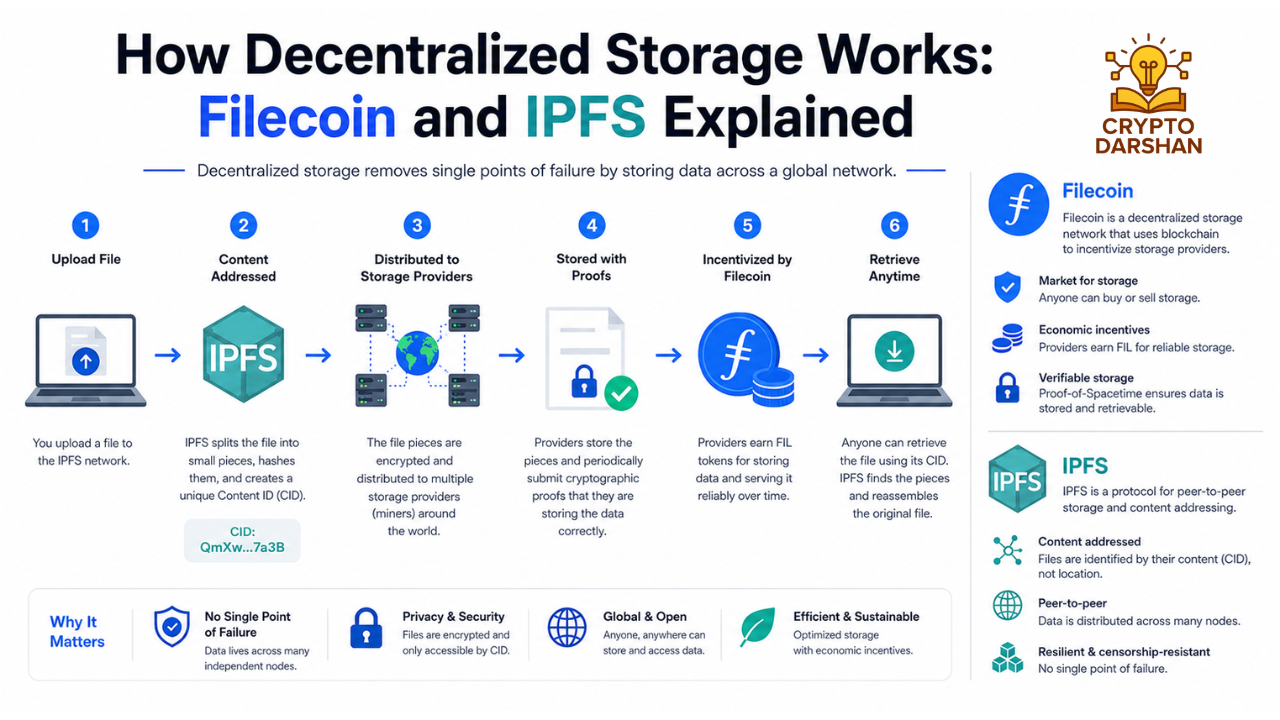
- Storage: Decentralized storage systems such as IPFS and Arweave.
- Identity: Blockchain-based identity systems like ENS and Worldcoin.
- Payments: Cryptocurrencies and stablecoins that enable peer-to-peer transactions.
- Governance: Decentralized autonomous organizations (DAOs) that manage protocols collectively.
Together, these components form the backbone of a decentralized digital economy—one that operates without centralized intermediaries.
The Layers of Crypto Infrastructure
Crypto infrastructure can be understood through several layers, each serving a specific purpose in the digital ecosystem.
- Base Layer (Layer 1 Blockchains)
This is the foundational layer where transactions are recorded and validated. Examples include Bitcoin, Ethereum, and Avalanche. These blockchains provide security, consensus, and immutability. - Scaling and Interoperability Layers (Layer 2 and Sidechains)
These layers improve scalability and enable communication between blockchains. The Lightning Network, Polygon, and Arbitrum are examples that make transactions faster and cheaper. - Application Layer
This layer includes decentralized applications (dApps) that provide real-world functionality such as DeFi platforms, NFT marketplaces, and decentralized exchanges. - Service Layer
This includes tools and protocols that support blockchain operations, such as oracles (Chainlink), decentralized storage (Filecoin), and identity systems (ENS). - Governance Layer
DAOs and governance tokens allow communities to make collective decisions about protocol upgrades, funding, and development.
Each layer interacts with the others to create a complete digital infrastructure that is open, secure, and programmable.
Crypto as the Foundation of a Decentralized Economy
A New Model for the Global Economy
The decentralized economy powered by crypto is borderless, transparent, and inclusive. It challenges traditional financial systems by giving people direct control over their money, data, and decisions. As adoption grows, crypto will serve as the foundation for a new global economy built on freedom, fairness, and innovation.
Breaking Away from Centralized Systems
Traditional economies depend on centralized institutions like banks, governments, and corporations to manage money, data, and trust. These intermediaries control access, charge fees, and often limit financial freedom. Crypto changes this model by replacing centralized control with decentralized networks powered by blockchain technology.
Peer-to-Peer Transactions
In a decentralized economy, people can send and receive money directly without needing banks or payment processors. Cryptocurrencies like Bitcoin and stablecoins enable instant, low-cost, and borderless transactions. This peer-to-peer system gives individuals full control over their funds and reduces dependence on third parties.
Smart Contracts as the New Middlemen
Smart contracts are self-executing programs that automatically carry out agreements when certain conditions are met. They remove the need for lawyers, brokers, or banks to enforce deals. In a decentralized economy, smart contracts handle everything from payments and loans to insurance and supply chain tracking—making systems faster, cheaper, and more transparent.
Decentralized Finance (DeFi)
DeFi is one of the strongest examples of crypto as economic infrastructure. It recreates traditional financial services—like lending, borrowing, and trading—on blockchain networks. Platforms such as Uniswap, Aave, and MakerDAO allow users to interact directly with protocols instead of institutions. This makes finance open to anyone with an internet connection.
Ownership and Tokenization
Crypto enables digital ownership through tokenization. Real-world assets like real estate, art, and stocks can be represented as tokens on a blockchain. These tokens can be traded globally, divided into smaller units, and transferred instantly. Tokenization turns physical and financial assets into programmable components of the digital economy.
Decentralized Governance and DAOs
In a decentralized economy, decision-making is shared among participants through Decentralized Autonomous Organizations (DAOs). These organizations use blockchain-based voting systems where members control the direction of projects. DAOs replace corporate hierarchies with transparent, community-driven governance.
Data Ownership and Privacy

In traditional systems, user data is stored and controlled by corporations. In a decentralized economy, blockchain gives individuals ownership of their data. Users can decide what to share, with whom, and for how long. This shift empowers people to protect their privacy and benefit directly from their digital identities.
Global Accessibility and Inclusion
Crypto removes barriers to entry in the global economy. Anyone with a smartphone and internet connection can access financial services, trade assets, or participate in governance. This inclusivity is especially powerful in regions where banking systems are limited or unreliable.
Transparency and Trust Through Blockchain
Every transaction on a blockchain is recorded on a public ledger that anyone can verify. This transparency builds trust without needing centralized authorities. It reduces corruption, fraud, and manipulation, creating a fairer and more accountable economic system.
Interconnected Digital Ecosystem
The decentralized economy is not limited to one blockchain. Through interoperability, different networks can connect and share value. Bitcoin, Ethereum, and other blockchains work together to form a unified digital infrastructure that supports finance, identity, and governance.
Empowering Individuals and Communities
Crypto shifts power from institutions to individuals. People can own assets, participate in governance, and earn income directly through decentralized systems. Communities can fund projects, manage resources, and build economies without relying on centralized authorities.
The Role of Smart Contracts

Smart contracts are self-executing agreements written in code. They automatically enforce terms when predefined conditions are met. Smart contracts are the building blocks of decentralized applications and financial systems.
For example:
- In DeFi, smart contracts manage lending, borrowing, and trading without intermediaries.
- In NFTs, they verify ownership and royalties.
- In DAOs, they handle voting and governance.
By replacing human intermediaries with code, smart contracts make systems more efficient, transparent, and secure. They are a key reason why crypto functions as infrastructure rather than just an asset.
Decentralized Finance (DeFi): The Financial Layer of Crypto Infrastructure
Decentralized finance (DeFi) is an emerging financial system using blockchain and cryptocurrencies to enable direct transactions between individuals and businesses
DeFi platforms like Uniswap, Aave, and MakerDAO operate entirely through smart contracts. Users interact directly with protocols, eliminating the need for banks or brokers. This creates a financial system that is open, borderless, and programmable.
DeFi demonstrates how crypto infrastructure can support a global financial network that is more inclusive and efficient than traditional systems.
Web3: The Internet Built on Crypto Digital Infrastructure
Web3 is the next evolution of the internet, built on blockchain technology. Unlike Web2, which is controlled by centralized platforms, Web3 is decentralized and user-owned.
In Web3:
- Users control their data and digital identities.
- Applications run on decentralized networks instead of corporate servers.
- Tokens represent ownership, access, and participation.
Crypto provides the infrastructure for Web3 through decentralized storage, identity, and payment systems. It enables a new digital economy where users are not just consumers but stakeholders.
Tokenization: Turning Everything into Digital Infrastructure
Tokenization is the process of representing real-world assets such as property, stocks, or art as digital tokens on a blockchain. These tokens can be traded, divided, and transferred instantly.
Tokenization transforms physical and financial assets into programmable components of digital infrastructure. It allows for:
- Fractional Ownership: People can own small portions of high-value assets.
- Global Liquidity: Assets can be traded 24/7 across borders.
- Transparency: Ownership and transactions are recorded on a public ledger.
This process extends crypto’s role beyond currency, turning it into the infrastructure for a global digital asset market.
Decentralized Identity and Data Ownership
In the traditional internet, user data is controlled by corporations. Blockchain technology changes this by enabling decentralized identity systems.
With decentralized identity, users can own and control their personal information. They can verify their identity without sharing sensitive data. Projects like ENS (Ethereum Name Service) and Worldcoin are building systems where identity is portable, secure, and user-owned.
This shift makes identity itself part of the digital infrastructure, reducing reliance on centralized authorities.
Governance Through DAOs

Decentralized Autonomous Organizations (DAOs) are another key part of crypto digital infrastructure. They allow communities to govern projects collectively using blockchain-based voting systems.
DAOs manage everything from protocol upgrades to funding decisions. Members hold governance tokens that represent voting power. This model replaces corporate hierarchies with transparent, community-driven governance.
DAOs demonstrate how crypto infrastructure can support decentralized decision-making at scale.
Interoperability: Connecting the Crypto Ecosystem
For crypto to function as global infrastructure, different blockchains must be able to communicate. Interoperability protocols like Polkadot, Cosmos, and LayerZero enable cross-chain communication and asset transfers.
This connectivity allows users to move assets and data seamlessly between networks, creating a unified digital economy. Interoperability ensures that crypto infrastructure remains flexible, scalable, and interconnected.
The Role of Stablecoins

Stablecoins are digital currencies pegged to stable assets like the US dollar. They serve as the payment layer of crypto infrastructure, enabling fast and reliable transactions.
Stablecoins like USDC, USDT, and DAI are widely used in DeFi, remittances, and cross-border payments. They bridge the gap between traditional finance and blockchain systems, making crypto infrastructure more practical for everyday use.
Stablecoins are one of the clearest examples of crypto functioning as infrastructure rather than a speculative asset. By offering price stability while operating on blockchain rails, stablecoins enable payments, remittances, and on-chain settlement at global scale. We explore this shift in detail in How Stablecoins Are Powering Global Crypto Adoption, where crypto starts to look more like financial plumbing than an investment
Institutional Adoption and Enterprise Use

Large institutions are beginning to recognize crypto as digital infrastructure rather than just an asset. Banks, payment companies, and governments are exploring blockchain for settlement, identity, and record-keeping.
For example:
- Visa and Mastercard are integrating stablecoin payments.
- JPMorgan uses blockchain for cross-border settlements.
- Central banks are developing digital currencies (CBDCs) inspired by crypto technology.
These developments show that blockchain is becoming part of the global financial infrastructure, not just a speculative market.
Challenges in Building Crypto as digital Infrastructure

Despite its potential, crypto infrastructure faces several challenges:
- Scalability: Many blockchains struggle to handle large transaction volumes.
- Regulation: Governments are still defining legal frameworks for decentralized systems.
- Security: Hacks and exploits remain a concern for smart contracts and bridges.
- User Experience: Complex interfaces make adoption difficult for non-technical users.
Solving these challenges will be essential for crypto to fulfill its role as global digital infrastructure.
As governments introduce clearer regulatory frameworks, crypto is increasingly treated as financial infrastructure rather than a fringe asset class. Regulations like MiCA and emerging U.S. frameworks signal a transition from experimentation to integration. This shift is explored in How Regulation Is Turning Crypto Into Financial Infrastructure.
The Future of Crypto as digital Infrastructure

The future of crypto lies in integration, not isolation. As blockchain technology matures, it will merge with existing systems to create a hybrid digital economy.
In the coming years:
- DeFi will integrate with traditional finance.
- Web3 will merge with mainstream internet services.
- Tokenization will bring real-world assets on-chain.
- DAOs will influence corporate and government governance models.
Crypto will become the invisible infrastructure that powers digital life just as the internet powers communication today.
Frequently Asked Questions (FAQ)

1. What does it mean to say crypto is digital infrastructure?
Crypto as digital infrastructure refers to blockchain networks being used as financial rails for payments, settlements, remittances, and data verification rather than purely for investment or speculation.
2. How is crypto different from traditional financial infrastructure?
Traditional finance relies on banks, intermediaries, and closed systems, while crypto infrastructure operates on open, programmable, and borderless networks that run 24/7 without centralized control.
3. Why are stablecoins considered infrastructure tools?
Stablecoins enable price-stable transactions on blockchain networks, making them ideal for payments, cross-border transfers, and on-chain settlement rather than long-term speculation.
4. How does Bitcoin fit into the infrastructure narrative?
Bitcoin functions as a secure base settlement layer, with Layer-2 and Layer-3 solutions enabling fast payments and applications on top without compromising decentralization.
5. Is crypto still an asset if it’s used as infrastructure?
Yes, crypto assets can be both. However, when used as infrastructure, utility and reliability matter more than price appreciation, similar to how the internet is valuable without being traded as a stock.
6. What role do Layer-2 and Layer-3 networks play in crypto digital infrastructure?
Layer-2 and Layer-3 networks improve scalability, cost efficiency, and usability, allowing blockchain systems to support real-world applications at scale.
7. How does regulation impact crypto as infrastructure?
Clear regulatory frameworks help crypto transition from speculation to trusted financial infrastructure, encouraging institutional adoption and real-world integration.
Conclusion
Cryptocurrency is evolving beyond its identity as an asset class. It is becoming the digital infrastructure of the future a decentralized framework for money, identity, governance, and innovation.
By shifting focus from speculation to utility, the world can unlock the true potential of blockchain technology. Crypto is not just something to trade; it is something to build upon. It is the foundation of a new digital economy that is open, transparent, and owned by its users.
As this transformation continues, crypto will no longer be seen as a volatile investment but as the infrastructure that powers the next generation of the internet and global finance.