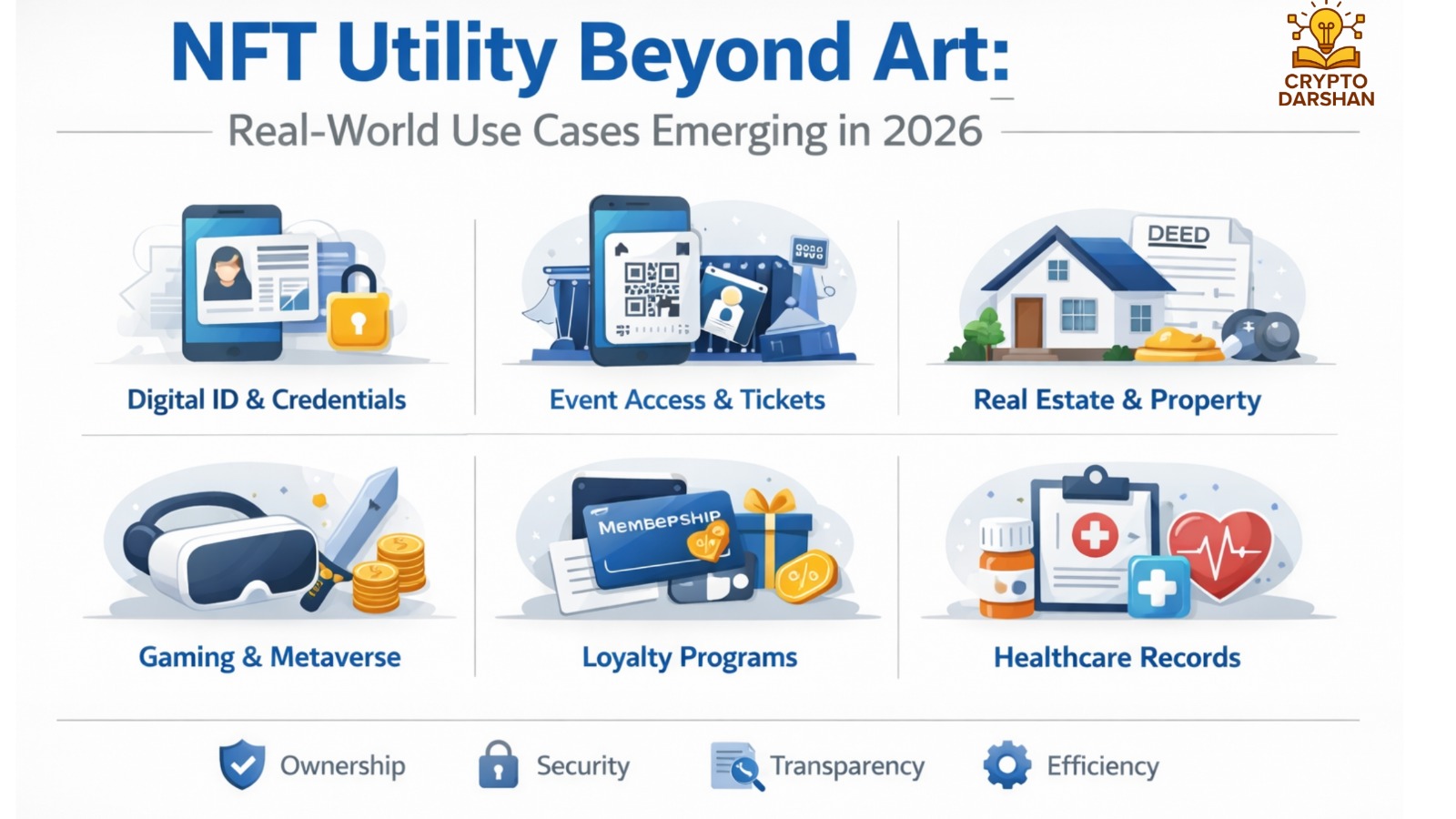
The world of blockchain technology has evolved rapidly, and one of its most transformative innovations is the non-fungible token (NFT). Initially known for digital art and collectibles, NFTs have now expanded into a wide range of industries, offering real-world applications that go far beyond art. In 2026, NFT utility has become a defining feature of the Web3 ecosystem, driving innovation across real estate, healthcare, education, gaming, and supply chain management.
This comprehensive guide explores how NFT utility is reshaping industries, the technology behind it, and the emerging trends shaping the future of digital ownership.
Understanding NFT Utility in 2026

Utility NFTs are digital tokens that provide more than just ownership of an asset; they offer additional functionalities and benefits to their holders. Unlike standard NFTs, which are often tied to static digital art or collectibles, utility NFTs can grant access to exclusive experiences, memberships, or other forms of value. In the early days, NFTs were primarily seen as speculative assets, digital collectibles that could be bought and sold for profit. However, as blockchain technology matured, developers and businesses began to explore how NFTs could be used to solve real-world problems.
By 2026, NFT utility will have become a cornerstone of digital transformation. NFTs are now used to represent ownership of physical assets, verify identity, manage intellectual property, and even facilitate decentralized governance. The shift from speculative trading to functional use has made NFTs more sustainable and valuable in the long term.
The rise of NFT has also been fueled by advancements in smart contracts, interoperability, and decentralized finance (DeFi). These technologies have enabled NFTs to interact seamlessly with other blockchain systems, creating a more connected and efficient digital economy.
The Evolution of NFT Utility

1. From Digital Art to Functional Assets
NFTs began as digital collectibles, unique pieces of art, music, and media that could be owned and traded on the blockchain. However, as the technology matured, its purpose expanded. NFTs evolved from being static digital art pieces to functional assets that represent ownership of real-world items such as real estate, intellectual property, and even financial instruments. This shift marked the beginning of true NFT utility, where tokens started solving real-world problems rather than serving as speculative assets.
2. Integration of Smart Contracts
The introduction of smart contracts revolutionized NFT utility by automating processes like royalty payments, ownership transfers, and access control. Smart contracts made NFTs programmable, allowing creators and businesses to embed specific rules and conditions directly into the token. This innovation turned NFTs into dynamic tools capable of executing complex functions without intermediaries, enhancing transparency and efficiency.
3. Expansion into Real-World Applications
As blockchain adoption grew, NFTs began to find use cases beyond the digital realm. Industries such as real estate, healthcare, education, and supply chain management started leveraging NFT utility to improve transparency, traceability, and ownership verification. For example, NFTs are now used to represent property deeds, academic certificates, and product authenticity records, bridging the gap between physical and digital assets.
4. Rise of Interoperability and Cross-Chain Functionality
Initially, NFTs were confined to specific blockchains like Ethereum. Over time, interoperability became a key focus, allowing NFTs to move seamlessly across multiple networks. This development expanded NFT utility by enabling cross-platform trading, integration with decentralized finance (DeFi), and broader accessibility. Cross-chain functionality has made NFTs more versatile and valuable in the global digital economy.
5. Adoption by Enterprises and Governments
The final stage in the evolution of NFT utility is large-scale adoption by corporations and public institutions. Businesses are using NFTs for brand engagement, employee rewards, and supply chain tracking, while governments are exploring NFTs for land registries, identity verification, and public record management. This institutional adoption signifies that NFTs have transitioned from niche digital assets to essential components of modern digital infrastructure.
Real-World Use Cases of NFT Utility in 2026

1. Real Estate Tokenization
One of the most promising applications of NFT utility is in real estate. Property ownership records, traditionally managed through centralized registries, are now being tokenized as NFTs. Each NFT represents a share or full ownership of a property, simplifying transactions and reducing fraud.
- Fractional Ownership: Investors can buy fractions of high-value properties through NFTs, democratizing access to real estate investment.
- Instant Transfers: Smart contracts enable instant property transfers once payment is verified.
- Transparency: Blockchain ensures immutable ownership records.
The NFT utility in real estate has made property investment more accessible, efficient, and secure.
2. Supply Chain Management
NFT utility is revolutionizing supply chain transparency. Each product can be assigned an NFT that tracks its journey from production to delivery. This ensures authenticity, reduces counterfeiting, and enhances consumer trust.
For example, luxury brands use NFTs to verify the authenticity of handbags, watches, and jewelry. Food companies use them to trace ingredients from farm to table.
The NFT utility in supply chains provides real-time visibility, helping businesses and consumers verify the origin and quality of products.
3. Gaming and the Metaverse
Gaming has been one of the earliest adopters of NFT utility. In 2026, play-to-earn (P2E) models have evolved into play-and-own ecosystems, where players truly own in-game assets. NFTs represent characters, weapons, skins, and virtual land.
Metaverse platforms like Decentraland, The Sandbox, and Otherside have integrated NFT-based economies. Players can trade assets across games, creating a unified digital economy.
The NFT utility in gaming allows players to monetize their time and creativity, turning gaming into a sustainable economic activity. NFTs are powering tokenized communities and SocialFi platforms, providing access, governance rights, and incentives beyond mere collectibles
4. Identity and Credentials

NFT utility is now being used for digital identity verification. Instead of relying on centralized databases, individuals can store verifiable credentials as NFTs in their wallets. These NFTs can represent educational degrees, professional certifications, or government-issued IDs.
This decentralized identity model enhances privacy and security. Users control their data and can selectively share credentials when needed.
The NFT utility in identity management is paving the way for a more secure and user-centric digital world.
5. Healthcare and Medical Records
Healthcare is another sector benefiting from NFT utility. NFTs are being used to store and manage medical records securely. Each patient can have an NFT representing their medical history, accessible only through cryptographic permissions.
This ensures data integrity, reduces administrative costs, and empowers patients to control their health information. The NFT utility in healthcare is improving data interoperability and patient privacy, making healthcare systems more efficient and transparent.
6. Ticketing and Events
NFT-based ticketing eliminates fraud and scalping. Each ticket is a unique NFT that verifies authenticity and ownership. Event organizers can embed smart contracts to manage resale royalties and access control.
Concerts, sports events, and conferences are adopting NFT tickets for seamless entry and fan engagement.
The NFT utility in ticketing ensures fair pricing, transparency, and enhanced fan experiences.
7. Intellectual Property and Licensing
NFT utility is redefining intellectual property (IP) management. Creators can tokenize their work—music, videos, patents, and sell or license usage rights through NFTs. Smart contracts ensure automatic royalty distribution.
This model empowers creators and reduces dependency on intermediaries. The NFT utility in IP management is creating a fairer and more transparent creative economy.
8. Education and Certification

Educational institutions are issuing diplomas and certificates as NFTs. This prevents forgery and simplifies verification for employers. Students can store all credentials in a single digital wallet.
Universities and online learning platforms are adopting NFT-based certification systems.
The NFT utility in education ensures authenticity, accessibility, and lifelong ownership of academic achievements.
9. Environmental and Sustainability Initiatives
NFT utility is being used to track and trade carbon credits, renewable energy certificates, and sustainability assets. Each NFT represents a verified environmental contribution, ensuring transparency and accountability.
This innovation supports global climate goals and encourages corporate responsibility.
The NFT utility in sustainability is helping organizations measure and offset their carbon footprints effectively.
10. Fashion and Luxury Goods
Luxury brands are using NFTs to authenticate products and enhance customer engagement. Each physical item comes with a digital twin NFT that verifies its origin and ownership. NFTs also enable virtual fashion in the metaverse, where users can wear branded digital outfits.
The NFT utility in fashion bridges the gap between physical and digital experiences, creating new opportunities for brand engagement.
The Technology Behind NFT Utility

1. Smart Contracts
Smart contracts are the foundation of NFT utility. They automate processes such as ownership transfers, royalty payments, and access control. This eliminates the need for intermediaries and ensures transparency.
2. Interoperability
Interoperability allows NFTs to move across different blockchains. This enhances NFT utility by enabling cross-platform functionality and liquidity.
3. Decentralized Storage
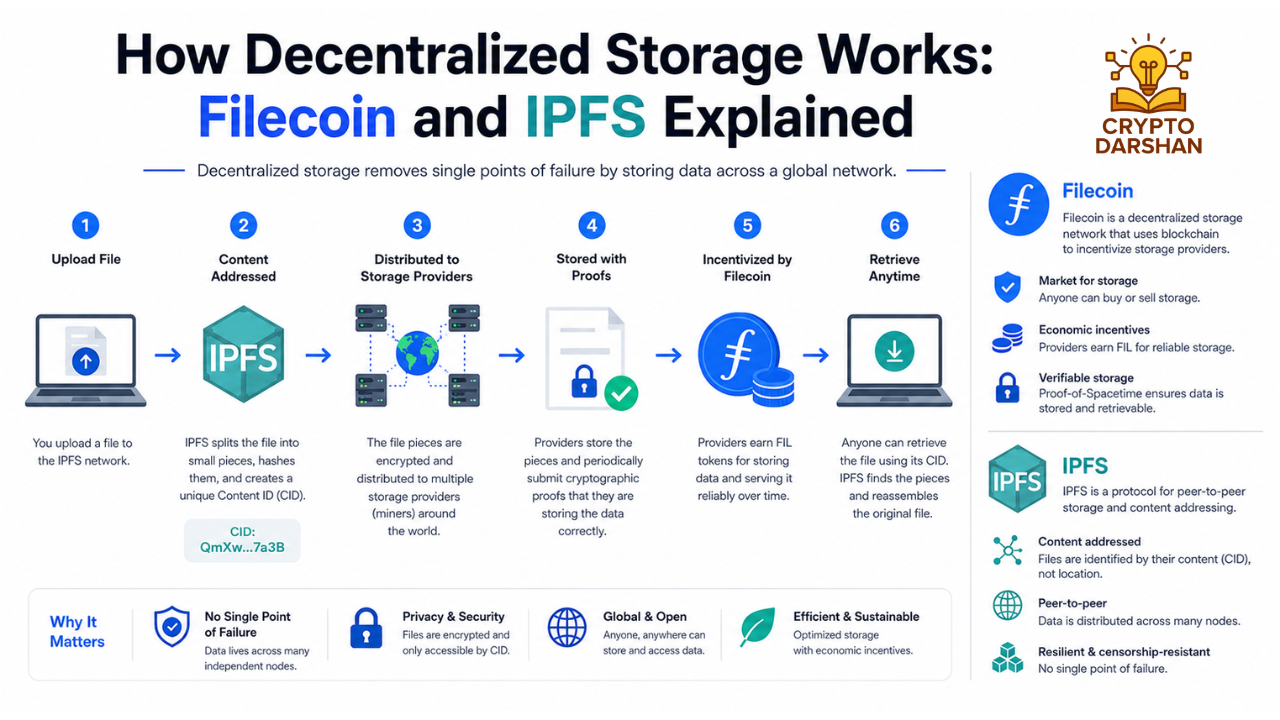
Decentralized storage solutions like IPFS and Arweave ensure that NFT metadata remains secure and accessible. This is crucial for maintaining the integrity of NFT utility across platforms.
4. Layer 2 Solutions
Layer 2 scaling solutions reduce transaction costs and increase speed, making NFT utility more practical for everyday use.
The Economic Impact of NFT Utility

The rise of NFT utility has created new economic models that empower individuals and businesses.
- Creator Economy: Artists, musicians, and developers can monetize their work directly through NFTs.
- Decentralized Finance (DeFi): NFTs are being used as collateral for loans and yield farming.
- Tokenized Assets: Real-world assets like real estate and commodities are being represented as NFTs, increasing liquidity.
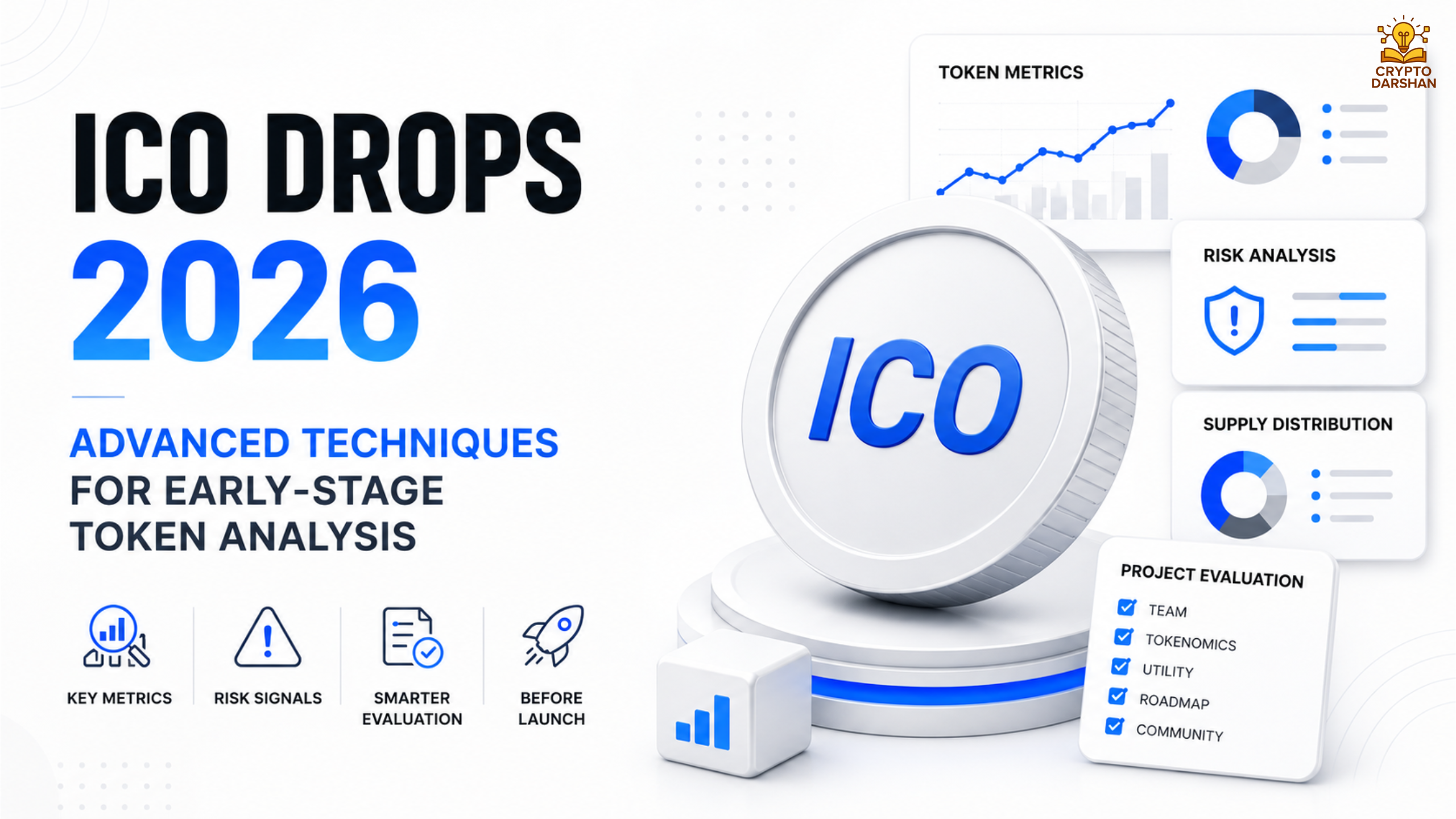
The NFT utility economy is fostering financial inclusion and democratizing access to global markets. Understanding token economics and fully diluted valuation (FDV) is crucial when assessing NFTs with real-world utility, especially those tied to fractionalized assets or revenue-sharing models
Challenges Facing NFT Utility

1. Regulatory Uncertainty
One of the biggest challenges facing NFT utility is the lack of clear regulatory frameworks. Governments around the world are still determining how to classify and tax NFTs whether as securities, commodities, or digital collectibles. This uncertainty creates confusion for creators, investors, and businesses that rely on NFTs for real-world applications. Without standardized regulations, global adoption of NFT utility remains inconsistent and risky.
2. Environmental Concerns
NFTs, especially those built on energy-intensive blockchains, have faced criticism for their environmental impact. Although many networks are transitioning to proof-of-stake (PoS) systems, which consume far less energy, the perception of NFTs as environmentally harmful persists. For NFT utility to achieve mainstream acceptance, the industry must continue adopting sustainable blockchain solutions and promoting eco-friendly practices.
3. Market Volatility
The NFT market is highly volatile, with prices fluctuating dramatically based on hype, speculation, and market sentiment. This instability can discourage long-term investment and adoption of NFT utility in sectors like real estate or finance, where stability is crucial. To overcome this, the market needs stronger valuation models and more focus on functional use cases rather than speculative trading.
4. Security and Fraud Risks
Despite blockchain’s inherent security, NFT utility faces threats from phishing attacks, smart contract vulnerabilities, and counterfeit NFTs. Hackers often exploit weak wallet security or malicious links to steal valuable assets. Additionally, fake NFT collections can deceive buyers. Strengthening cybersecurity measures, auditing smart contracts, and educating users are essential to protect the integrity of NFT ecosystems.
5. Scalability and Interoperability Issues
As NFT adoption grows, scalability becomes a major concern. High transaction fees and network congestion can limit the practicality of NFT utility for everyday use. Moreover, interoperability between different blockchains is still developing, restricting NFTs from moving freely across platforms. Layer 2 solutions and cross-chain bridges are helping address these issues, but widespread implementation is still in progress.
The Future of NFT Utility

1. Cross-Chain Integration
Future NFT utility will rely heavily on cross-chain integration, allowing NFTs to move seamlessly between blockchains.
2. AI and Dynamic NFTs
Artificial intelligence is being used to create dynamic NFTs that evolve based on user interaction or real-world data. This adds a new layer of NFT utility, making NFTs more interactive and valuable.
3. NFT-Backed Loans
NFTs are now being used as collateral for loans in decentralized finance (DeFi). This expands NFT utility into the financial sector, enabling new forms of liquidity.
4. Government Adoption
Governments are exploring NFT utility for land registries, identity verification, and public record management. This enhances transparency and reduces bureaucracy.
5. Corporate Integration
Corporations are using NFT utility for employee rewards, supply chain tracking, and brand engagement. This trend is expected to grow as more businesses adopt blockchain technology.
FAQ: NFT Utility Beyond Art in 2026

1. What does “NFT utility beyond art” mean?
NFT utility beyond art refers to real-world applications of NFTs outside digital collectibles and profile pictures. In 2026, NFTs are being used for ticketing, gaming assets, identity verification, real estate documentation, loyalty programs, and tokenized memberships.
2. How are NFTs being used in the real world in 2026?
Emerging real-world NFT use cases include:
- Event ticketing to prevent fraud and scalping
- Real estate tokenization for fractional property ownership
- Gaming assets with interoperable ownership
- Digital identity verification systems
- Loyalty and rewards programs
- Music and creator royalties with automated payouts
These use cases focus on ownership, transparency, and automation.
3. Are utility NFTs different from traditional NFTs?
Yes. Traditional NFTs were mostly art-based or collectible-focused. Utility NFTs provide functional benefits such as access rights, revenue sharing, governance voting, or real-world asset representation.
4. How do utility NFTs generate value?
Utility NFTs generate value through:
- Access to exclusive services or communities
- Revenue-sharing mechanisms
- Token-gated memberships
- Tradable ownership of real-world assets
- Automated royalty distribution via smart contracts
Their value comes from functionality rather than speculation alone.
5. Which industries are adopting utility NFTs the fastest?
In 2026, the fastest adopters include:
- Gaming and metaverse platforms
- Real estate and asset tokenization firms
- Event management and ticketing companies
- Music and entertainment industries
- Luxury brands and loyalty programs
6. Are utility NFTs regulated?
Regulation varies by country. Some utility NFTs may fall under securities laws if they promise profit-sharing or investment returns. Governments are increasingly defining rules around tokenized assets and digital ownership.
7. What blockchains are leading utility NFT adoption?
Ethereum remains dominant, but other blockchains like Polygon, Solana, and layer-2 networks are gaining traction due to lower fees and faster transactions.
8. Are utility NFTs a long-term trend?
Many analysts believe utility-focused NFTs represent the next evolution of the NFT market. Unlike speculative art cycles, real-world integration and practical use cases may support long-term adoption.
Conclusion
NFTs have evolved far beyond digital art to become powerful tools for real-world applications. In 2026, NFT utility is transforming industries such as real estate, healthcare, education, and supply chain management. The integration of smart contracts, interoperability, and decentralized finance has made NFTs more functional and valuable than ever before.
As NFT utility continues to expand, it will redefine how ownership, identity, and value are managed in the digital age. The future of NFTs lies not in speculation but in their ability to solve real-world problems.
The rise of NFT utility marks the beginning of a new era—one where blockchain technology becomes an integral part of everyday life, bridging the gap between the physical and digital worlds. In this new economy, NFT utility is not just a trend; it is the foundation of a decentralized, transparent, and inclusive future.