
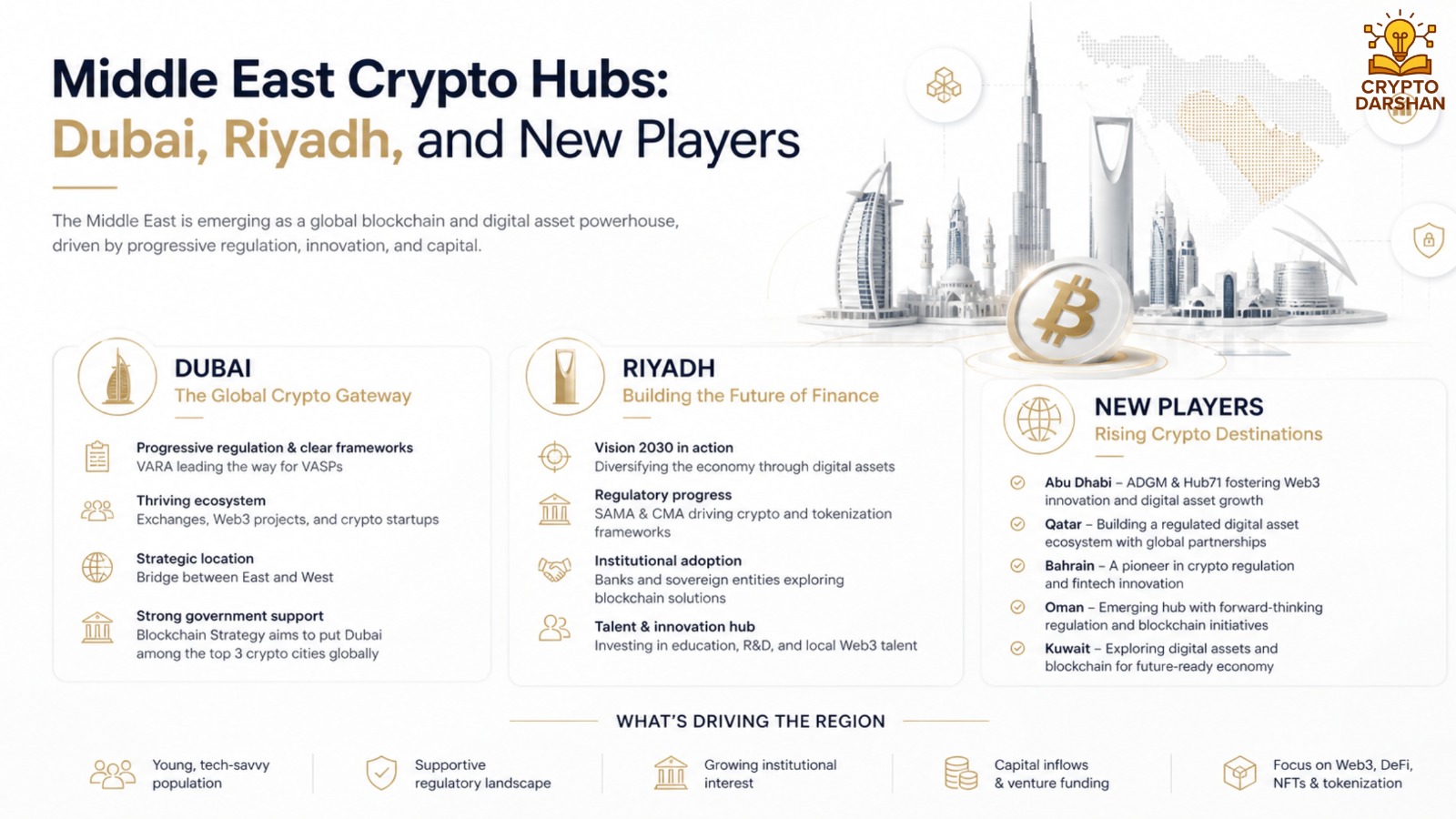
The rise of blockchain and cryptocurrency has transformed global finance, and the Middle East is emerging as one of the most dynamic regions in this digital revolution. The term Middle East Crypto Hubs refers to cities and countries in the region that are actively developing ecosystems for blockchain innovation, digital assets, and decentralized finance (DeFi). These hubs are not only attracting global investors but also fostering local talent, startups, and regulatory frameworks that support sustainable crypto growth.
Dubai and Riyadh are leading the charge, but new players such as Abu Dhabi, Doha, Manama, and Tel Aviv are also entering the scene. The region’s strategic location, strong financial infrastructure, and forward-thinking governments make it a natural fit for blockchain adoption. As global markets evolve, the Middle East is positioning itself as a bridge between East and West in the digital economy.
This article explores the evolution of Middle East Crypto Hubs, focusing on Dubai, Riyadh, and emerging players. It examines their regulatory environments, investment landscapes, technological infrastructure, and future potential in shaping the global crypto ecosystem.
The Evolution of Crypto in the Middle East
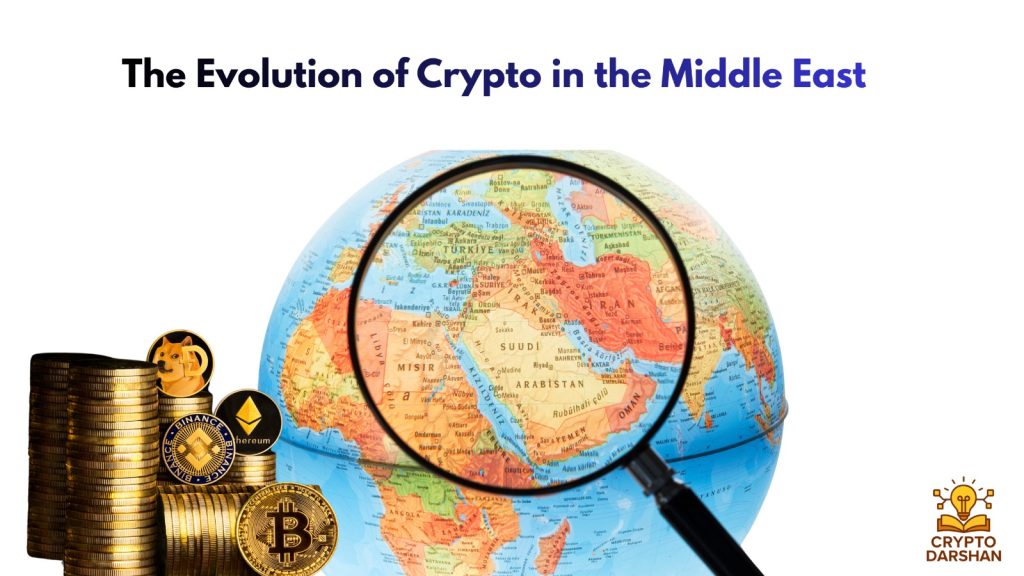
The journey toward becoming Middle East Crypto Hubs began with cautious curiosity. Initially, many governments in the region were skeptical about cryptocurrencies due to concerns over volatility, money laundering, and lack of regulation. However, as blockchain technology matured, its potential for transparency, efficiency, and innovation became undeniable.
Early Adoption and Regulation
In the early 2010s, crypto trading in the Middle East was limited to small online communities. Exchanges operated informally, and most investors relied on international platforms. Over time, governments recognized the need to regulate and legitimize the industry. The United Arab Emirates (UAE) was among the first to introduce clear frameworks for digital assets, setting the stage for Dubai’s rise as a global crypto hub.
Saudi Arabia, while initially conservative, began exploring blockchain applications in banking, logistics, and government services. The Saudi Central Bank (SAMA) collaborated with the UAE on a joint digital currency project called “Aber,” marking a significant step toward regional blockchain cooperation.
The Shift Toward Institutional Adoption
By the late 2010s, institutional interest in crypto grew rapidly. Financial institutions, venture capital firms, and family offices in the Middle East began investing in blockchain startups. Governments launched innovation zones and regulatory sandboxes to attract fintech companies. This shift transformed the region from a passive observer to an active participant in the global crypto economy.
Today, Middle East Crypto Hubs are not only centers for trading but also innovation ecosystems that support blockchain research, education, and enterprise adoption.
Dubai: The Leading Crypto Hub of the Middle East
Dubai stands at the forefront of Middle East Crypto Hubs, combining visionary leadership, advanced infrastructure, and a pro-business environment. The city’s ambition to become the world’s blockchain capital is evident in its policies, partnerships, and projects.
Visionary Government Policies
Dubai’s government has been instrumental in shaping its crypto ecosystem. The Dubai Blockchain Strategy, launched in 2016, aimed to make Dubai the first city fully powered by blockchain by 2020. Although the goal was ambitious, it set the foundation for widespread blockchain adoption across public and private sectors. Government decisions can heavily influence markets, as explained in Debt Ceiling Drama: How U.S. Politics Moves Crypto Prices.
The establishment of the Virtual Assets Regulatory Authority (VARA) in 2022 marked a major milestone. VARA provides a comprehensive framework for licensing, compliance, and consumer protection in the crypto industry. This regulatory clarity has attracted global exchanges, including Binance, Kraken, and Crypto.com, to set up regional headquarters in Dubai.
Business and Investment Environment

Dubai’s free zones, such as the Dubai Multi Commodities Centre (DMCC) and Dubai International Financial Centre (DIFC), offer favorable conditions for crypto businesses. These zones provide tax incentives, 100% foreign ownership, and simplified licensing processes. The DMCC Crypto Centre, launched in 2021, hosts hundreds of blockchain startups and service providers, making it one of the most vibrant crypto ecosystems in the region.
Venture capital activity in Dubai’s crypto sector has surged. Local and international investors are funding projects in DeFi, NFTs, and Web3 infrastructure. The city’s openness to innovation has made it a magnet for entrepreneurs seeking a supportive environment for blockchain ventures.
Technological Infrastructure
Dubai’s digital infrastructure supports its ambition to lead among Middle East Crypto Hubs. The city’s smart government initiatives, high-speed connectivity, and advanced cybersecurity frameworks create a secure environment for blockchain operations. Integration with AI, IoT, and cloud computing further enhances the potential for blockchain-based solutions in logistics, real estate, and finance.
Community and Education
Dubai hosts numerous blockchain conferences, hackathons, and educational programs. Events like Future Blockchain Summit and World Blockchain Congress attract global experts and investors. Universities and training centers are also offering blockchain courses, ensuring a steady pipeline of skilled professionals.
Dubai’s combination of regulation, innovation, and infrastructure firmly establishes it as the leading crypto hub in the Middle East.
Riyadh: The Rising Power in the Crypto Landscape

While Dubai currently leads, Riyadh is rapidly emerging as a strong contender among Middle East Crypto Hubs. Saudi Arabia’s approach to blockchain and crypto is strategic, aligning with its broader economic transformation under Vision 2030.
Government Vision and Regulation
Saudi Arabia’s Vision 2030 aims to diversify the economy beyond oil by investing in technology, innovation, and digital transformation. Blockchain plays a key role in this vision. The Saudi Central Bank (SAMA) has been experimenting with blockchain for cross-border payments and financial settlements. The joint UAE-Saudi project “Aber” demonstrated the feasibility of a shared digital currency for interbank transactions.
While Saudi Arabia has not yet legalized retail cryptocurrency trading, it has created regulatory sandboxes for fintech innovation. These sandboxes allow startups to test blockchain solutions under controlled conditions. This cautious but progressive approach ensures that innovation thrives while maintaining financial stability.
Institutional and Corporate Adoption
Saudi corporations are exploring blockchain for supply chain management, energy trading, and identity verification. The Saudi Arabian Oil Company (Aramco) has invested in blockchain-based logistics solutions, while banks like Al Rajhi Bank and National Commercial Bank are testing blockchain for remittances and compliance.
Riyadh’s growing interest in blockchain is also attracting international partnerships. Global tech firms are collaborating with Saudi institutions to develop blockchain infrastructure and training programs.
Building a Crypto Ecosystem
Riyadh is investing heavily in digital infrastructure, smart cities, and innovation hubs. The King Abdullah Financial District (KAFD) and NEOM, the futuristic city project, are integrating blockchain into their design. NEOM’s vision includes blockchain-based governance, digital identity, and decentralized data management.
These initiatives position Riyadh as a future powerhouse among Middle East Crypto Hubs, combining government support with large-scale technological innovation .For diversified exposure to crypto markets, check out Index Tokens: Diversified Crypto ETFs on Blockchain.
Abu Dhabi: The Institutional Crypto Hub

Abu Dhabi, the capital of the UAE, complements Dubai’s entrepreneurial energy with institutional strength. It has established itself as one of the most regulated and secure Middle East Crypto Hubs, focusing on compliance and investor protection.
Regulatory Leadership
The Abu Dhabi Global Market (ADGM) was one of the first jurisdictions in the world to introduce a comprehensive regulatory framework for digital assets. The Financial Services Regulatory Authority (FSRA) oversees crypto activities, ensuring transparency and security. This framework has attracted institutional investors and global exchanges seeking a stable regulatory environment.
Institutional Investment and Innovation
Abu Dhabi’s sovereign wealth funds, such as Mubadala Investment Company, have shown interest in blockchain and digital assets. The city is also home to blockchain research centers and fintech accelerators that support startups in developing enterprise-grade solutions.
Abu Dhabi’s focus on institutional adoption and compliance makes it a cornerstone of the Middle East Crypto Hubs network.
Doha: Qatar’s Emerging Crypto Scene

Qatar is cautiously entering the crypto space, balancing innovation with regulation. The Qatar Financial Centre (QFC) has begun exploring blockchain applications in finance and logistics. While retail crypto trading remains restricted, the government is studying the potential of central bank digital currencies (CBDCs) and blockchain-based payment systems.
Qatar’s emphasis on financial stability and compliance positions it as a potential future player among Middle East Crypto Hubs, especially as it develops its fintech ecosystem. Real-world crypto use cases are growing fast—explore more in PayFi: Crypto Payments That Actually Work for Merchants.
Manama: Bahrain’s Blockchain Pioneer
Bahrain has long been a pioneer in financial innovation. The Central Bank of Bahrain (CBB) was one of the first regulators in the region to issue crypto licenses. This proactive stance has made Manama a key player among Middle East Crypto Hubs.
Regulatory Framework
The CBB’s crypto asset framework covers licensing, governance, cybersecurity, and anti-money laundering (AML) requirements. This clarity has attracted exchanges like Rain and CoinMENA, which operate under Bahraini regulation.
Fintech Ecosystem
Bahrain’s FinTech Bay serves as a hub for startups, investors, and regulators. It provides mentorship, funding, and networking opportunities for blockchain entrepreneurs. The country’s small size and agile governance make it an ideal testing ground for new blockchain solutions.
Tel Aviv: The Tech-Driven Crypto Hub

Tel Aviv, known for its vibrant tech ecosystem, is one of the most innovative Middle East Crypto Hubs. Israel’s strong background in cybersecurity, software development, and venture capital has fueled rapid blockchain growth.
Innovation and Startups
Tel Aviv hosts hundreds of blockchain startups working on DeFi, NFTs, and enterprise solutions. Companies like Fireblocks, StarkWare, and Bancor have gained global recognition. The city’s startup culture encourages experimentation and collaboration, driving continuous innovation.
Research and Education
Israeli universities are leaders in blockchain research, contributing to advancements in cryptography and decentralized systems. This academic strength supports the city’s reputation as a global blockchain innovation center.
The Role of Regulation in Shaping Middle East Crypto Hubs

Regulation is the backbone of sustainable crypto growth. The success of Middle East Crypto Hubs depends on clear, transparent, and adaptive regulatory frameworks.
Balancing Innovation and Compliance
Governments in the Middle East are adopting a balanced approach—encouraging innovation while ensuring consumer protection. Regulatory sandboxes, licensing regimes, and anti-money laundering measures are common tools used across the region.
Regional Cooperation
Cross-border collaboration is increasing among Middle East Crypto Hubs. Initiatives like the UAE-Saudi “Aber” project and discussions on regional digital currencies highlight the potential for a unified blockchain economy.
Investment Trends in Middle East Crypto Hubs

Investment activity in Middle East Crypto Hubs has grown rapidly over the past few years, driven by government support, private capital, and global interest in blockchain innovation. The region’s strategic location, advanced financial systems, and progressive regulations have made it a magnet for investors seeking exposure to digital assets and decentralized technologies. Below are the key investment areas shaping the future of crypto in the Middle East, explained in detail.
1. DeFi Platforms
Decentralized Finance (DeFi) platforms are among the most attractive investment opportunities in Middle East Crypto Hubs. DeFi eliminates intermediaries like banks and brokers, allowing users to lend, borrow, trade, and earn interest directly through blockchain-based smart contracts. Investors are drawn to DeFi because it offers transparency, efficiency, and global accessibility.
In Dubai and Abu Dhabi, venture capital firms and fintech accelerators are funding startups that build DeFi solutions tailored to regional needs, such as Sharia-compliant financial products.
2. NFT Marketplaces
Non-Fungible Tokens (NFTs) have become a major focus for investors in Middle East Crypto Hubs. NFTs represent unique digital assets such as art, music, collectibles, and virtual real estate. The Middle East, with its rich cultural heritage and growing creative industries, provides fertile ground for NFT adoption.
Dubai has positioned itself as a regional leader in NFT innovation, hosting exhibitions and digital art fairs that attract global attention. Investors are funding NFT marketplaces that connect artists, collectors, and brands.
3. Blockchain Infrastructure

Blockchain infrastructure forms the backbone of the crypto ecosystem, and it is a top investment priority in Middle East Crypto Hubs. Infrastructure projects include blockchain networks, scalability solutions, interoperability protocols, and security tools that support decentralized applications (dApps).
Investors are focusing on startups developing faster and more energy-efficient blockchain systems. Abu Dhabi and Riyadh are investing in research centers and partnerships with global tech firms to enhance blockchain scalability and security.
4. Crypto Exchanges
Crypto exchanges are essential components of Middle East Crypto Hubs, providing platforms for buying, selling, and trading digital assets. The region has seen a surge in licensed exchanges that comply with local regulations, offering investors a secure and transparent environment.
Dubai’s Virtual Assets Regulatory Authority (VARA) and Bahrain’s Central Bank have issued licenses to several exchanges, including Binance, Rain, and CoinMENA.
5. Web3 and Metaverse Projects
Web3 and metaverse initiatives are gaining momentum across Middle East Crypto Hubs. Web3 represents the next generation of the internet, where users have ownership and control over their data and digital assets. The metaverse, a virtual world powered by blockchain, offers immersive experiences for gaming, education, and commerce.
Investors in Dubai, Riyadh, and Abu Dhabi are funding startups that build decentralized applications, virtual real estate platforms, and digital identity solutions. Governments are also supporting metaverse projects as part of their digital transformation strategies.
Education and Talent Development

A strong talent base is essential for sustaining Middle East Crypto Hubs. Universities and training centers across the region are introducing blockchain courses and certifications. Governments are partnering with global institutions to upskill local professionals in blockchain development, cybersecurity, and digital finance.
Hackathons, bootcamps, and innovation challenges are also nurturing the next generation of blockchain developers and entrepreneurs.
Challenges Facing Middle East Crypto Hubs

Despite rapid progress, Middle East Crypto Hubs face several challenges:
- Regulatory Uncertainty: Some countries still lack clear crypto regulations.
- Public Awareness: Many citizens remain unfamiliar with blockchain technology.
- Cybersecurity Risks: As adoption grows, so do threats from hackers and scams.
- Market Volatility: Crypto price fluctuations can deter institutional investors.
Addressing these challenges requires collaboration between governments, businesses, and educational institutions.
The Future of Middle East Crypto Hubs

The future of Middle East Crypto Hubs looks promising. The region’s governments are committed to digital transformation, and blockchain is a key pillar of that vision. As regulatory frameworks mature and infrastructure expands, the Middle East is poised to become a global leader in blockchain innovation.
Key Future Trends
- Central Bank Digital Currencies (CBDCs): Several Middle Eastern countries are exploring national digital currencies.
- Cross-Border Payments: Blockchain will streamline remittances and trade settlements.
- Green Blockchain Initiatives: Sustainable mining and energy-efficient networks will gain importance.
- Integration with AI and IoT: Combining blockchain with emerging technologies will unlock new possibilities.
FAQ: Middle East Crypto Hubs
1. Why is the Middle East becoming a major crypto hub?
The Middle East is attracting crypto companies due to supportive regulations, tax advantages, strong government backing, and growing investment in blockchain technology. Countries are actively positioning themselves as global fintech leaders.
2. Why is Dubai considered the top crypto hub in the region?
Dubai leads with clear regulatory frameworks, business-friendly policies, and dedicated authorities like VARA. It offers licensing clarity, zero personal income tax, and a strong ecosystem for startups and global exchanges.
3. Is Riyadh catching up with Dubai in crypto adoption?
Riyadh is emerging quickly, driven by Saudi Arabia’s Vision 2030. While regulations are more cautious than Dubai, the government is investing heavily in blockchain, fintech, and digital transformation.
4. What are the main differences between Dubai and Riyadh for crypto businesses?
Dubai is more open and established for crypto firms with clear licensing systems. Riyadh focuses more on controlled innovation, with stricter oversight but strong long-term growth potential.
5. Which new Middle Eastern countries are entering the crypto space?
Countries like Bahrain, Abu Dhabi (UAE), Qatar, and Oman are stepping up with regulatory frameworks, crypto-friendly zones, and fintech sandboxes to attract blockchain startups.
6. Is crypto legal in the Middle East?
Crypto legality varies by country. The UAE and Bahrain have clear regulations supporting crypto businesses, while Saudi Arabia is more cautious. Some countries still have restrictions or are in early regulatory stages.
7. What industries are driving crypto growth in the region?
Key sectors include fintech, real estate tokenization, payments, remittances, and decentralized finance (DeFi), along with government-led blockchain initiatives.
8. Are global crypto exchanges operating in the Middle East?
Yes, major exchanges are expanding into the region, especially in Dubai and Abu Dhabi, due to regulatory clarity and access to high-net-worth investors.
9. What role does government policy play in crypto adoption?
Government support is crucial. Policies that provide legal clarity, licensing frameworks, and innovation incentives are driving the region’s rapid crypto growth.
Conclusion
The rise of Middle East Crypto Hubs marks a new era in global finance. Dubai leads with its visionary policies and vibrant ecosystem, Riyadh is emerging as a strategic powerhouse, and new players like Abu Dhabi, Manama, Doha, and Tel Aviv are shaping the region’s digital future.
Together, these cities are building a connected network of innovation, regulation, and investment that positions the Middle East as a central player in the global blockchain economy. As technology evolves, Middle East Crypto Hubs will continue to drive progress, attract talent, and redefine the boundaries of digital finance.