
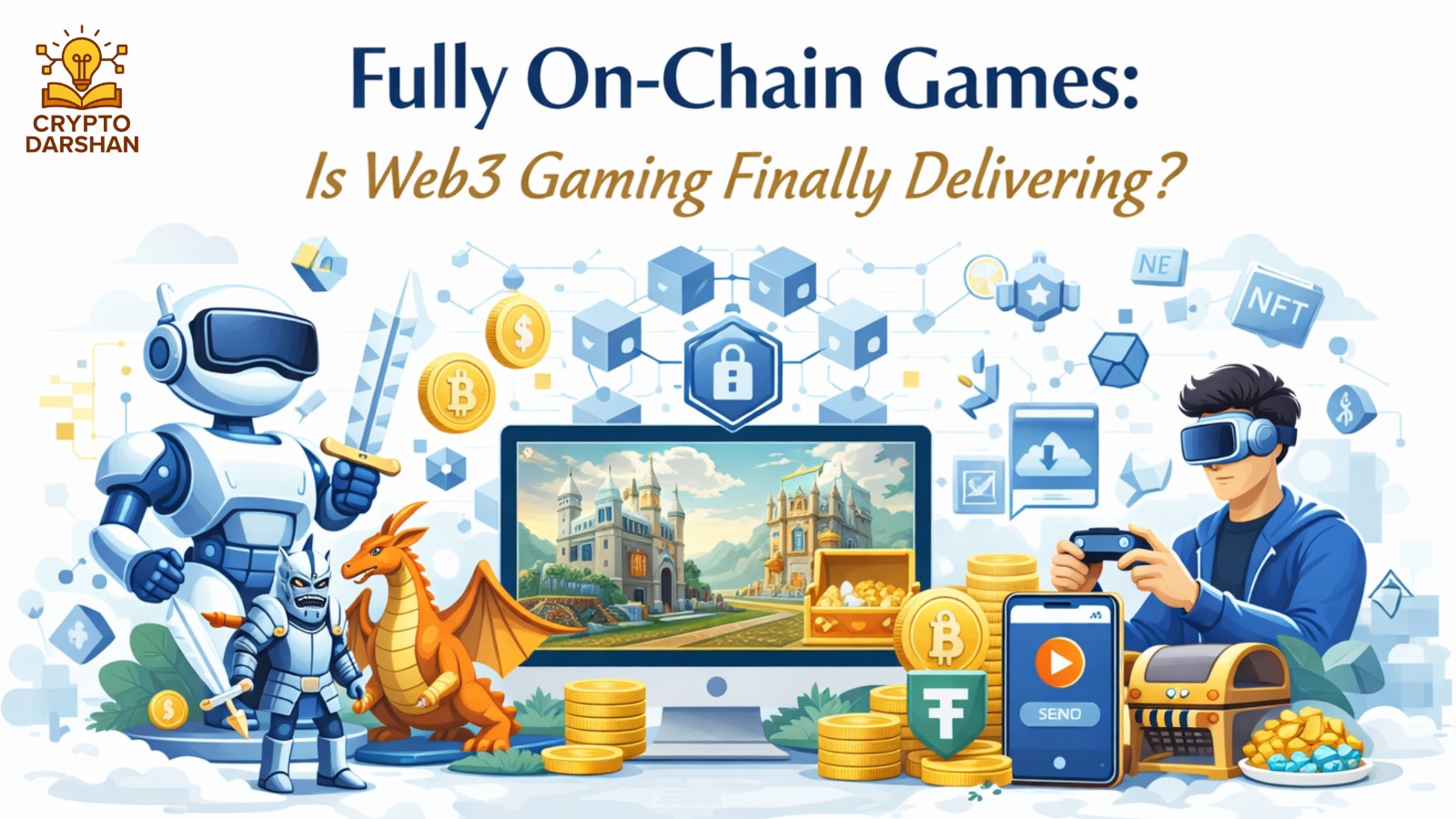
The gaming industry has always been at the forefront of technological innovation. From the early days of arcade machines to the rise of online multiplayer experiences, gaming has continuously evolved. Now, a new revolution is underway—Web3 gaming. Built on blockchain technology, Web3 gaming promises to give players true ownership of digital assets, transparent economies, and decentralized control. But after years of hype and experimentation, the question remains: is Web3 gaming finally delivering on its promises?
This comprehensive guide explores the evolution, challenges, and future of Web3 gaming, focusing on fully on-chain games that operate entirely on blockchain networks. It examines how developers, investors, and players are shaping this new frontier and whether Web3 gaming can truly redefine the global gaming landscape.
The Evolution of Web3 Gaming
From Traditional Gaming to Blockchain Integration
Traditional gaming has long relied on centralized servers and closed ecosystems. Players could buy in-game items, but they never truly owned them. Game publishers controlled everything—from item distribution to player data. This model limited player freedom and created barriers to interoperability.
Web3 gaming emerged as a response to these limitations. By leveraging blockchain technology, Web3 gaming allows players to own, trade, and monetize their in-game assets as non-fungible tokens (NFTs). These assets exist independently of any single game or company, giving players unprecedented control.
The Early Days: NFTs and Play-to-Earn
The first wave of Web3 gaming gained attention through play-to-earn (P2E) models. Games like Axie Infinity and The Sandbox introduced blockchain-based economies where players could earn tokens by participating in gameplay. While these games attracted millions of users, they also faced criticism for unsustainable tokenomics and speculative behavior.
Despite the setbacks, these early experiments proved that Web3 gaming could create real economic value. They laid the foundation for the next phase—fully on-chain games that go beyond token speculation to deliver genuine gameplay innovation.
What Are Fully On-Chain Games?
On-chain gaming refers to the growing ecosystem of games and NFT primitives that operate completely on blockchains. Effectively, this means that every aspect of the game other than the frontend (the part of the game the player sees on their screen) is run solely using blockchain technology. Every game mechanic, rule, and asset exists on-chain, ensuring transparency, permanence, and player ownership.
Key Characteristics of Fully On-Chain Games
- Decentralized Logic: Game rules and logic are encoded in smart contracts, not centralized servers.
- Player Ownership: All in-game assets are represented as NFTs or tokens owned by players.
- Transparency: Every action is recorded on the blockchain, ensuring fairness and accountability.
- Composability: Developers can build on existing games, creating interconnected ecosystems.
- Persistence: Games continue to exist even if the original developers stop maintaining them.
Fully on-chain games represent the ultimate vision of Web3 gaming—a world where players and developers share control over digital worlds.
The Technology Powering Web3 Gaming
Blockchain Networks
The foundation of Web3 gaming lies in blockchain networks. Ethereum remains the most popular platform, but scalability challenges have led to the rise of alternatives like Polygon, Solana, Avalanche, and Immutable X. These networks offer faster transactions and lower fees, making them ideal for gaming.
Smart Contracts
Smart contracts are self-executing programs that define game logic. In Web3 gaming, they handle everything from combat mechanics to asset creation. This ensures that game rules are transparent and tamper-proof.
Non-Fungible Tokens (NFTs)
NFTs are the backbone of Web3 gaming. They represent unique digital assets such as characters, weapons, or land. Players can trade these NFTs across marketplaces, giving real-world value to virtual items.
Fully on-chain games push NFTs beyond collectibles, proving real utility — something we explored in depth in our article on NFT utility beyond art and emerging real-world use cases.
Decentralized Storage
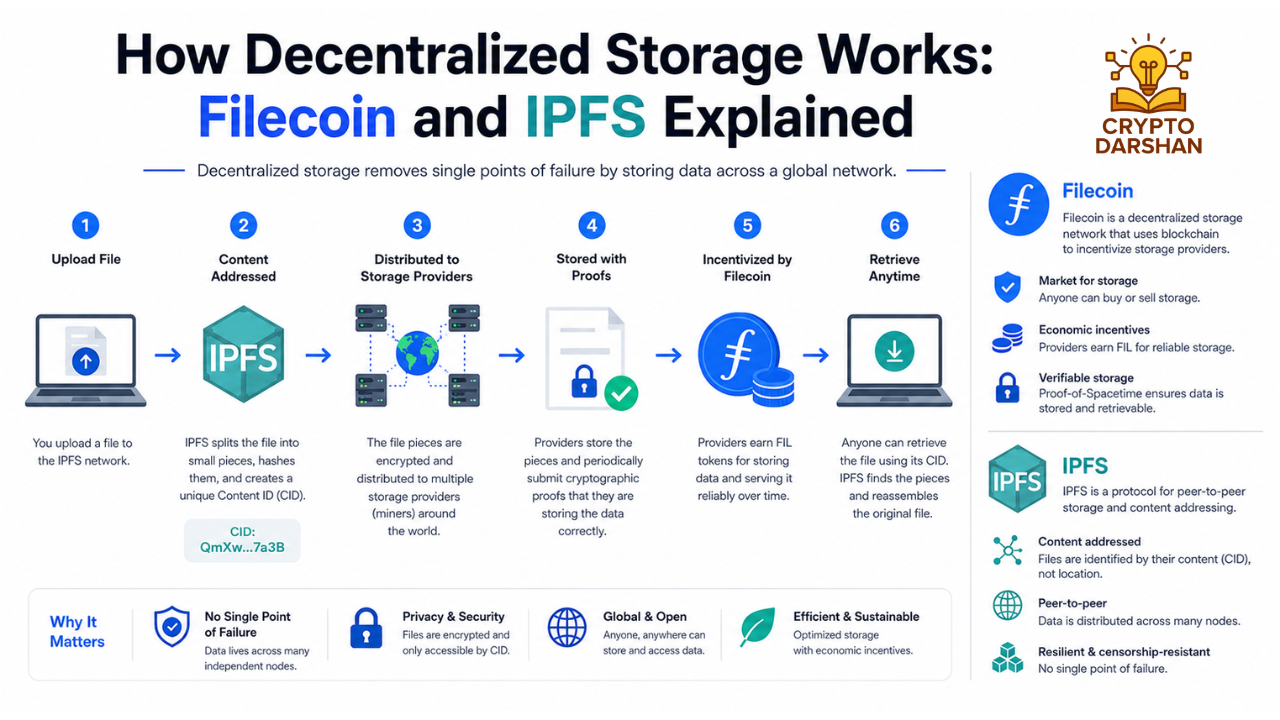
Fully on-chain games require decentralized storage solutions like IPFS or Arweave to store game data, artwork, and metadata. This ensures that assets remain accessible even if centralized servers go offline.
Interoperability Protocols
Interoperability is a defining feature of Web3 gaming. Protocols like ERC-721 and ERC-1155 enable assets to move seamlessly between games and platforms, creating a unified digital economy.
The Rise of Web3 Gaming Studios
Decentralized Game Development
Web3 gaming studios are shifting away from traditional centralized models. Instead of one company controlling every aspect of a game, these studios use blockchain technology to distribute ownership and decision-making. This allows players, developers, and investors to collaborate through decentralized autonomous organizations (DAOs), ensuring that the community has a real voice in how games evolve.
True Digital Ownership
One of the biggest innovations driving Web3 gaming studios is the concept of true ownership. By using non-fungible tokens (NFTs), players can own in-game assets such as characters, weapons, or land. These assets exist on the blockchain, meaning players can trade or sell them freely outside the game. This ownership model creates new economic opportunities and strengthens player engagement.
Interoperable Game Ecosystems
Web3 gaming studios are building interconnected ecosystems where assets can move between different games. For example, a sword earned in one game could be used in another built on the same blockchain. This interoperability encourages collaboration between studios and gives players more value from their digital assets, creating a unified gaming experience across multiple titles.
Community-Driven Economies
Unlike traditional studios that rely on top-down monetization, Web3 gaming studios design economies that reward player participation. Players can earn tokens, stake assets, or contribute to governance decisions. This community-driven approach aligns incentives between developers and players, fostering loyalty and long-term sustainability.
Attracting Global Investment and Talent
The success of early blockchain games has attracted major venture capital firms and top developers from the traditional gaming industry. Studios like Animoca Brands, Illuvium, and TreasureDAO are leading the charge, combining blockchain innovation with AAA-quality design. This influx of funding and expertise is accelerating the growth of Web3 gaming studios, positioning them as the future leaders of the gaming industry.
The Economic Model of Web3 Gaming
Play-to-Earn vs. Play-and-Own
The early play-to-earn model rewarded players with tokens for participation. However, it often led to inflation and unsustainable economies. The new trend in Web3 gaming is “play-and-own,” in which players earn assets with long-term value rather than speculative tokens.
Tokenomics and Sustainability
Sustainable Web3 gaming economies rely on balanced tokenomics. Developers are designing dual-token systems—one for governance and another for in-game utility. This separation helps stabilize prices and maintain player engagement. While many gaming tokens see speculative trading, the dominance of perpetual futures markets over spot trading often increases volatility around launch phases.
Secondary Markets and Player Economies
In Web3 gaming, players can trade assets on secondary markets like OpenSea or Magic Eden. This creates real-world economic opportunities and fosters community-driven growth.
Guilds and DAOs
Gaming guilds and decentralized autonomous organizations (DAOs) are becoming key players in Web3 gaming. They invest in assets, manage communities, and influence game development through governance tokens.
The Benefits of Web3 Gaming
True Ownership
In traditional games, players never truly own their items. In Web3 gaming, ownership is verifiable and transferable. Players can sell, trade, or lend their assets freely.
Transparency and Fairness
Blockchain ensures that all transactions and game mechanics are transparent. This eliminates cheating and builds trust between players and developers.
Interoperability
Web3 gaming enables assets to move across different games and platforms. A sword earned in one game could be used in another, creating a connected gaming universe.
Community Governance
Players can participate in decision-making through governance tokens. This democratizes game development and aligns incentives between creators and players.
Monetization Opportunities
Web3 gaming opens new revenue streams for players, developers, and content creators. From NFT sales to staking rewards, the ecosystem supports multiple earning models.
Challenges Facing Web3 Gaming
Scalability
Blockchain networks still face scalability issues. High gas fees and slow transaction speeds can hinder gameplay. Layer 2 solutions and sidechains are addressing these challenges, but widespread adoption is still in progress.
User Experience
For Web3 gaming to reach mainstream audiences, onboarding must be seamless. Wallet setup, gas fees, and blockchain jargon can intimidate new users. Simplified interfaces and custodial wallets are improving accessibility.
Regulation
The regulatory landscape for Web3 gaming remains uncertain. Governments are still defining how to classify NFTs and tokens. Compliance with global laws is essential for long-term growth.
Security
Smart contract vulnerabilities and phishing attacks pose risks. Developers must prioritize audits and security best practices to protect players and assets.
Market Speculation
Excessive speculation can distort game economies. Sustainable Web3 gaming requires balancing financial incentives with genuine gameplay value.
The Role of Fully On-Chain Games in the Future of Web3 Gaming

Fully on-chain games represent the next evolution of Web3 gaming. They eliminate reliance on centralized servers and ensure that games remain accessible and transparent forever. As blockchain technology advances, these games will become more complex, interactive, and scalable.
Advantages of Fully On-Chain Games
- Permanence: Games exist as long as the blockchain does.
- Composability: Developers can build on existing games, creating shared universes.
- Transparency: Every action is verifiable on-chain.
- Community Ownership: Players and developers share control through DAOs.
- Innovation: Fully on-chain design encourages creative experimentation.
Examples of Fully On-Chain Games
- Dark Forest: A pioneering strategy game using zero-knowledge proofs for privacy.
- Loot Project: A community-driven experiment where players build worlds around shared NFT assets.
- Dope Wars: A decentralized RPG built entirely on Ethereum.
- MUD Framework: A toolkit for building fully on-chain games with modular components.
These projects demonstrate that Web3 gaming can deliver both technical innovation and engaging experiences.
The Intersection of AI and Web3 Gaming
Artificial intelligence (AI) is enhancing Web3 gaming by creating smarter NPCs, dynamic worlds, and adaptive gameplay. When combined with blockchain, AI can generate unique, verifiable content that evolves over time.
AI-Driven Game Design
AI can generate quests, characters, and environments on the fly, making each player’s experience unique. In Web3 gaming, these assets can be tokenized and traded, adding economic value to creativity.
Personalized Economies
AI can analyze player behavior to create personalized in-game economies. This ensures balanced gameplay and sustainable tokenomics.
Security and Fraud Detection
AI algorithms can detect suspicious activity, protecting players from scams and exploits in Web3 gaming ecosystems.
The Role of Metaverse in Web3 Gaming
The metaverse and Web3 gaming are deeply interconnected. The metaverse represents a shared digital universe where users can interact, create, and transact. Web3 gaming provides the economic and technological foundation for this vision.
Virtual Worlds and Ownership
In the metaverse, players own land, avatars, and items as NFTs. Web3 gaming ensures that these assets are interoperable across different virtual worlds.
Social Interaction and Community Building
Web3 gaming fosters strong communities through DAOs, guilds, and social platforms. Players collaborate, trade, and co-create content, blurring the line between developers and users.
Economic Integration
The metaverse economy relies on Web3 gaming principles—decentralized ownership, transparent transactions, and player-driven markets.
The Future of Web3 Gaming

Mainstream Adoption
For Web3 gaming to achieve mainstream success, it must deliver fun, accessible, and rewarding experiences. The focus is shifting from speculation to gameplay quality.
Cross-Platform Integration
Future Web3 gaming ecosystems will integrate with traditional gaming platforms, allowing players to use blockchain assets in mainstream titles.
Sustainable Economies
Developers are designing tokenomics that prioritize long-term stability over short-term profits. This will attract both gamers and investors seeking sustainable growth.
Decentralized Governance
DAOs will play a central role in shaping the future of Web3 gaming. Players will have a voice in game updates, economy management, and community initiatives.
Technological Innovation
Advancements in Layer 2 scaling, zero-knowledge proofs, and decentralized storage will make fully on-chain games more efficient and immersive.
Leading Web3 Gaming Projects to Watch
| Project | Blockchain | Focus Area |
| Illuvium | Ethereum | Open-world RPG with NFT ownership |
| Aurory | Solana | Play-and-own RPG |
| TreasureDAO | Arbitrum | Interconnected on-chain games |
| Parallel | Ethereum | NFT-based trading card game |
| Big Time | Polygon | Action RPG with NFT rewards |
| Dark Forest | Ethereum | Fully on-chain strategy game |
| Star Atlas | Solana | Space exploration metaverse |
| Immutable X | Ethereum Layer 2 | NFT infrastructure for games |
These projects represent the cutting edge of Web3 gaming, combining innovation, community, and sustainability.
How Developers Can Succeed in Web3 Gaming
Prioritize Gameplay Over Hype
The foundation of any successful game—Web3 or not—is fun and engaging gameplay. Developers must focus on creating enjoyable experiences before adding blockchain features. Players are more likely to stay if the game itself is entertaining, not just profitable. A strong gameplay loop ensures long-term retention and builds trust in the project.
Design Sustainable Tokenomics
Many early Web3 games failed because of unsustainable token models that relied on constant new players to maintain value. Developers should design balanced economies where tokens have real utility beyond speculation. This includes limiting inflation, creating meaningful in-game sinks, and ensuring that rewards align with player effort and engagement.
Ensure Security and Transparency
Security is critical in Web3 gaming since players invest real value into digital assets. Developers must conduct smart contract audits, use secure coding practices, and maintain transparency about how assets and transactions are managed. A secure and transparent environment builds confidence among players and investors.
Simplify User Experience
Onboarding new players into Web3 gaming can be challenging due to complex wallet setups and blockchain terminology. Developers should focus on intuitive interfaces, gasless transactions, and easy wallet integrations. Reducing friction helps attract mainstream gamers who may not be familiar with blockchain technology.
Build and Empower Communities
Community is the heart of Web3 gaming. Developers should actively engage players through social platforms, DAOs, and in-game governance systems. Allowing players to influence updates, vote on proposals, or create content fosters loyalty and a sense of ownership. A strong community transforms players into advocates who help the game grow organically.
Frequently Asked Questions (FAQs)

1. What are fully on-chain games?
Fully on-chain games are blockchain-based games where the core logic, assets, and player actions are stored and executed entirely on a blockchain network. Unlike traditional Web3 games, nothing important runs on private servers.
2. How are fully on-chain games different from regular Web3 games?
Most Web3 games only store NFTs or tokens on-chain while gameplay runs off-chain. Fully on-chain games store game mechanics, state changes, and assets directly on networks like Ethereum, making them more transparent and censorship-resistant.
3. Why is full on-chain execution important?
It ensures transparency, true ownership, and permanence. Players can verify rules, outcomes, and asset supply without trusting a centralized company.
4. Are fully on-chain games scalable in 2026?
Scalability has improved thanks to Layer 2 solutions and modular chains. Networks built on Ethereum scaling ecosystems allow cheaper and faster transactions, making on-chain gameplay more practical than before.
5. What are the benefits of fully on-chain gaming?
- True digital ownership
- Permissionless access
- Composable game assets
- Transparent economies
- Community-driven development
6. What are the limitations of fully on-chain games?
They still face challenges like gas fees, slower execution compared to traditional games, and technical complexity. User experience can also be a barrier for mainstream players.
7. Do fully on-chain games use NFTs?
Yes, many use NFTs to represent characters, land, items, or achievements. These assets can be traded or used across other compatible games and platforms.
8. Can fully on-chain games compete with traditional gaming studios?
They currently compete more on innovation and ownership rather than graphics or AAA production quality. However, improvements in blockchain infrastructure may narrow the gap over time.
Conclusion
Web3 gaming is no longer a futuristic concept—it’s a rapidly growing reality. Fully on-chain games are proving that decentralized technology can deliver immersive, transparent, and player-driven experiences. While challenges remain, the progress made in scalability, user experience, and economic design shows that Web3 gaming is finally delivering on its promises.
The future of gaming is decentralized, interoperable, and community-owned. As blockchain technology matures, Web3 gaming will redefine how players interact with digital worlds, turning entertainment into empowerment. The revolution has begun, and Web3 gaming is leading the way toward a new era of digital freedom and creativity.