
Europe’s crypto market is entering a much stricter phase, and the change could reshape how millions of people trade digital assets. With only a small number of exchanges licensed to operate under the new rules, the region is moving away from a loose, open marketplace and into a system where compliance now decides who gets to stay.
The headline issue is simple: Europe is tightening its crypto rules, and only a limited group of platforms are currently ready to meet them. That shift may bring more safety and transparency, but it may also reduce choice for traders who are used to moving between many exchanges.
What Is Changing

The main force behind this shift is the European Union’s Markets in Crypto-Assets framework, better known as MiCA. MiCA is designed to create one clear rulebook for crypto firms across the EU, instead of letting each country set its own approach. Under this system, exchanges, custodians, and stablecoin issuers must meet tougher standards before they can serve customers legally.
That may sound technical, but the impact is easy to understand. If an exchange is not licensed, it may not be allowed to keep offering services across the EU. For users, that means the platform they trust today could face restrictions tomorrow if it does not meet the new compliance rules.
Why So Few Exchanges Are Licensed

Reports tied to the latest deadline suggest that only 14 exchanges are currently licensed to let users trade under the new European regime. That low number reflects how demanding the approval process has become. Exchanges now need stronger legal systems, better recordkeeping, more customer protection, and tighter controls over assets and reporting.
For large platforms, these requirements are difficult but possible. For smaller exchanges, they can be overwhelming. Some firms may not have the capital or staff to complete the full process, while others may decide the cost of compliance is too high for the revenue they expect in Europe. That is why the licensed market is shrinking instead of expanding.
Why This Matters to Traders

For everyday traders, this change is not just about regulation. It affects where people can buy, sell, and store crypto. If a platform loses its approval, users may face disruptions, trading limits, or pressure to move funds elsewhere. That creates uncertainty, especially for traders who keep active balances on multiple exchanges.
It also changes the risk level. A licensed exchange is more likely to follow rules on customer fund protection, audits, and reporting. That does not remove market risk, because crypto prices can still swing fast, but it can reduce the chance of dealing with an exchange that is operating in a legal gray zone. For many users, that added layer of oversight will be welcome.
The Market May Get Smaller
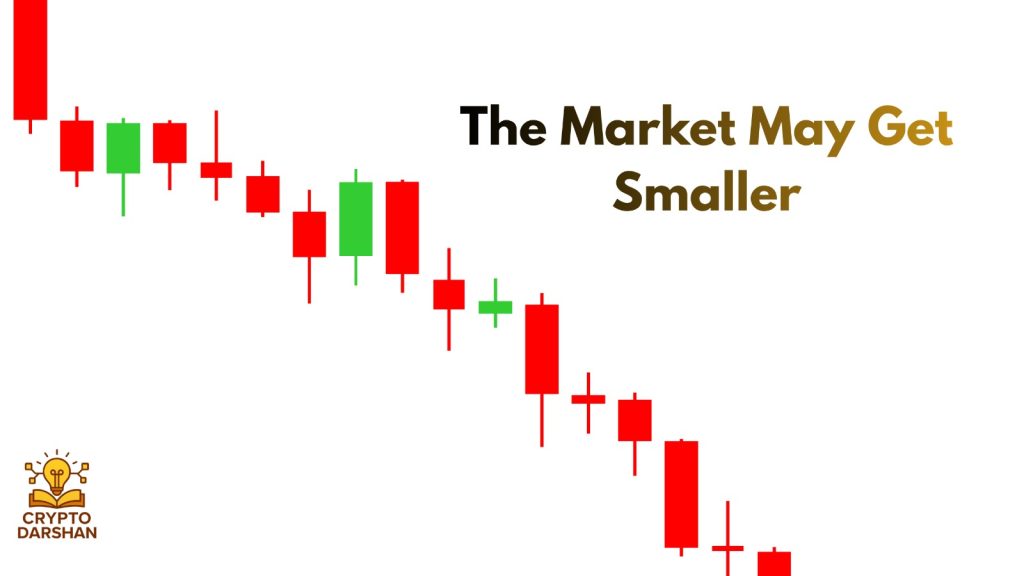
One likely outcome is that Europe’s crypto market becomes more concentrated. If only a handful of exchanges remain fully licensed, more trading volume may flow toward those platforms. That could improve liquidity on the biggest venues, but it could also reduce competition and limit lower-fee alternatives.
This kind of market shift usually helps the strongest firms. Bigger exchanges can spread compliance costs across more users, while smaller competitors struggle to keep up. Over time, that may leave Europe with fewer platforms, but potentially more reliable ones. For users, the trade-off is clear: less choice in exchange for more oversight. As regulators push for greater transparency, many crypto businesses are learning that Why Product-Market Fit Is Hard in Crypto extends beyond technology and includes compliance with evolving legal frameworks
What Users Should Do Now

Anyone trading in Europe should check whether their exchange is licensed under the new rules. That is especially important for users who hold large balances, use margin products, or depend on one exchange for frequent transfers. If a platform is not ready for the new system, it may be safer to reduce exposure early instead of waiting for last-minute changes.
It is also smart to review withdrawal options, fee structures, and customer support before making a move. Not every licensed exchange offers the same features, and some may limit certain tokens or services based on local compliance requirements. In other words, the label “licensed” matters, but it is not the only factor users should think about.
Bigger Picture for Crypto in Europe

This deadline shows that crypto is becoming more mature in Europe, but also more controlled. Supporters of MiCA see it as a way to make the market safer, cleaner, and more trusted by the public. Critics worry it may slow innovation and push smaller companies out of the region.
Both views have some truth. Strong rules can protect users and reduce bad actors, but heavy compliance can also make it harder for new firms to compete. The real test will be whether MiCA creates a healthier market without making it too closed or too expensive to enter. The new rules may help reduce some of the risks that have contributed to skepticism toward digital assets, as explored in Why Some Crypto Ecosystems Grow While Others Quietly Die.
Final Outlook

Europe’s crypto deadline is more than a paperwork issue. It marks a major turning point for how digital asset trading will work across the region. With only a limited number of exchanges currently licensed, the market is clearly moving toward a tighter, more regulated future.
For users, the message is practical: know where you trade, check whether your platform is approved, and expect more change as the deadline takes effect. The era of easy access without strong oversight is fading, and licensed exchanges are becoming the new baseline for crypto trading in Europe