


David Sacks has wrapped up his short but intense time as crypto czar under Donald Trump after hitting the 130-day limit. Now, people are wondering, what did he really get done, and what’s still left unfinished?
Why Sacks Had to Leave

Sacks served as a Special Government Employee, a status that lets private‑sector figures advise the White House part‑time but caps them at 130 working days in 365 days. According to Sacks, he has now used up those days, which legally forced him to step away from his official post as AI and crypto czar. David Sacks stepped down because his term as a Special Government Employee reached the 130-day limit. He described the move as completing a productive first phase while the administration continues pushing hard on tech priorities.
Even though the clock has run out on his formal role, Sacks is not leaving Washington completely. He is moving into a new position as co‑chair of the President’s Council of Advisors on Science and Technology (PCAST), a high‑profile advisory body that includes big‑name tech leaders but does not give him direct control over crypto policy.
Key Moves During His 130 Days

In a little over four months of active service, Sacks helped push the Trump administration toward a more open and industry‑friendly stance on digital assets. One of his headline achievements was backing the idea of a Strategic Bitcoin Reserve, an executive policy that encourages the government to hold seized bitcoin instead of auctioning it off.
Sacks also helped turn the White House into a regular meeting ground for crypto leaders, hosting multiple summits and roundtables with founders, exchanges, and investors. These gatherings were a notable change from what many saw as an enforcement‑first posture during the previous administration, which relied heavily on lawsuits and crackdowns rather than open dialogue. Under Sacks, the message from the West Wing sounded more like “let’s write the rules” instead of “see you in court.”
Another major focus of his term was pushing two flagship bills: the GENIUS Act, aimed at stablecoin regulation, and the CLARITY Act, focused on broader crypto market structure. Sacks used his platform to promote these proposals publicly and inside government, arguing that clear laws could finally give U.S. crypto businesses a predictable framework to operate in.
What Remains Unfinished

Much of the crypto czar agenda remains unfinished as David Sacks exits. The GENIUS Act, meant to regulate stablecoins, and the broader market-structure bill are still stuck in Congress, missing the administration’s early targets.
Some key plans from the crypto czar never fully took shape. A permanent White House crypto council was replaced with temporary meetings, and the future of the Strategic Bitcoin Reserve remains uncertain beyond seized assets.
Another big question: there’s no new crypto czar yet. Without a replacement, momentum behind major bills like the GENIUS Act and CLARITY Act could slow at a critical time.
Ethics Questions and Political Pressure
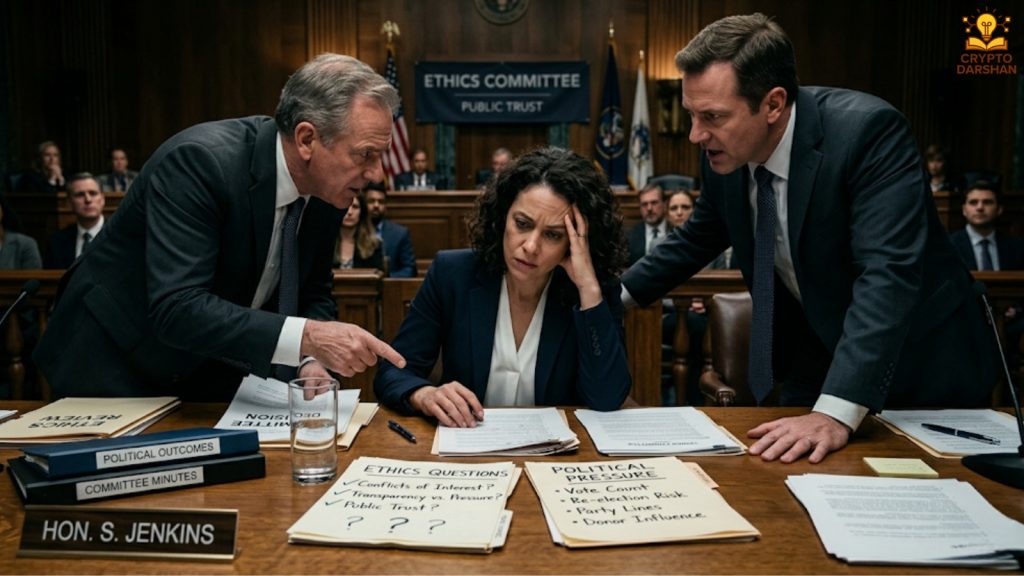
Sacks’ time in government did not pass without controversy. Several Democratic lawmakers raised ethics concerns about his deep ties and investments in crypto and AI companies while he was helping shape policy for those very industries. They highlighted his 130‑day cap as a legal boundary and questioned whether he could stay within that limit while remaining as influential as he was. For a deeper look at recent policy changes, read our breakdown of the SEC’s latest crypto rules for investors.
In response, Sacks’ team stressed that he was tracking his days carefully and staying within the legal framework for special government employees. His venture firm also sold hundreds of millions of dollars in crypto holdings when he joined the administration, moves that were meant to reduce conflicts of interest. Even so, the ethics spotlight likely added pressure as the 130‑day clock wound down and his critics called for tighter oversight.
What His Exit Means for Crypto Policy
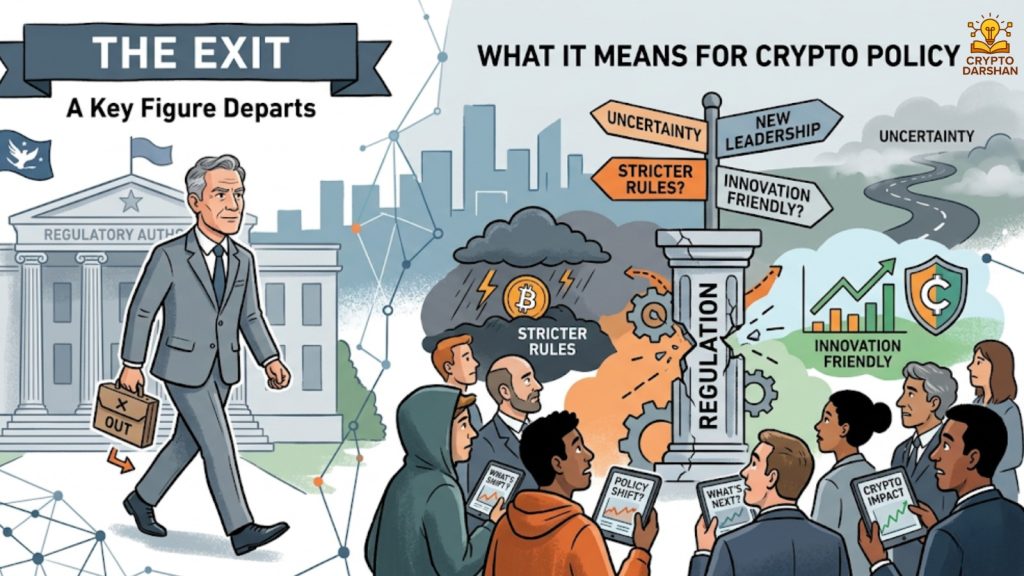
With Sacks stepping back into a broader tech‑policy advisory role, the crypto world now faces a more uncertain policy landscape in Washington. On one hand, his tenure clearly moved the Trump administration away from a purely adversarial approach and toward more engagement with builders, investors, and exchanges. On the other hand, the most important pieces of his agenda, stablecoin rules, market‑structure reform, and a permanent advisory framework, are still not locked in.
In the short term, much will depend on whether Congress can push the GENIUS Act and related bills over the finish line without a dedicated crypto czar driving the narrative from inside the White House. In the longer term, Sacks’ brief tenure may be remembered less for the laws he got passed and more for helping reset the conversation, shifting U.S. policy from “crackdown first” to “regulate and integrate” a change the industry will now try to cement without him in the room.