
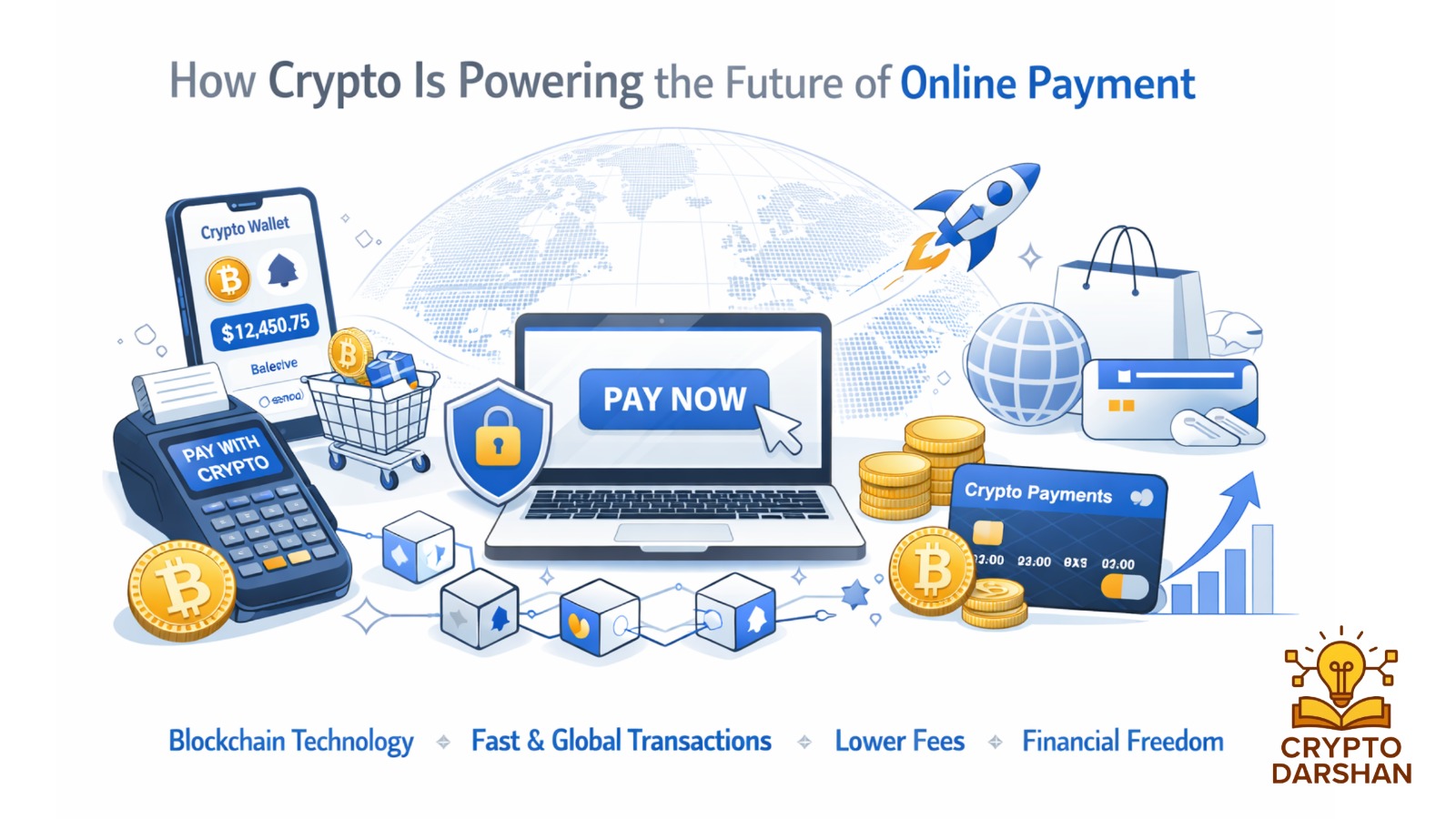
The digital economy is evolving at an unprecedented pace, and cryptocurrencies are at the heart of this transformation. What began as an experimental concept with Bitcoin in 2009 has now become a global financial revolution. Cryptocurrencies are no longer confined to niche tech communities; they are reshaping how people transact, invest, and store value. As online commerce continues to expand, crypto is emerging as a powerful alternative to traditional payment systems, offering faster, cheaper, and more secure transactions.
This article explores how crypto is powering the future of online payments, the technology behind it, its advantages over conventional systems, and the challenges that must be overcome for mass adoption. It also examines the role of blockchain, decentralized finance (DeFi), stablecoins, and central bank digital currencies (CBDCs) in redefining the global payment landscape.
The Evolution of Online Payments

From Cash to Cards to Digital Wallets
The journey of online payments began with the digitization of traditional banking systems. Credit and debit cards revolutionized commerce by enabling remote transactions. Later, digital wallets like PayPal, Apple Pay, and Google Pay simplified the process further, allowing users to make payments with a few clicks or taps.
However, these systems still rely on centralized intermediaries banks, payment processors, and card networks that control transaction flows, charge fees, and impose restrictions. This centralization creates inefficiencies, delays, and vulnerabilities to fraud and censorship.
The Rise of Cryptocurrencies
Cryptocurrencies introduced a new paradigm: peer-to-peer transactions without intermediaries. Bitcoin’s whitepaper, published by the pseudonymous Satoshi Nakamoto, proposed a decentralized payment system based on blockchain technology. This innovation allowed users to send value directly to one another, verified by a distributed network of computers rather than a central authority.
Over time, thousands of cryptocurrencies have emerged, each with unique features and use cases. Ethereum introduced smart contracts, enabling programmable money and decentralized applications (dApps). Stablecoins bridged the gap between crypto volatility and fiat stability, while DeFi protocols created new financial ecosystems without banks.
How Crypto Payments Work
Blockchain Technology
At the core of crypto payments lies blockchain, a distributed ledger that records transactions across a network of computers. Each transaction is verified by network participants (miners or validators) and added to a block, which is then linked to previous blocks, forming an immutable chain.
This transparency and immutability eliminate the need for intermediaries, reducing costs and increasing trust. Every participant can verify transactions independently, ensuring integrity and security.
Wallets and Keys
To use cryptocurrencies, users need a digital wallet that stores their private and public keys. The public key acts as an address for receiving funds, while the private key authorizes transactions. Unlike traditional bank accounts, crypto wallets give users full control over their assets.
Wallets can be custodial (managed by a third party) or non-custodial (controlled entirely by the user). Non-custodial wallets align with the decentralized ethos of crypto, offering greater privacy and autonomy.
Transaction Process
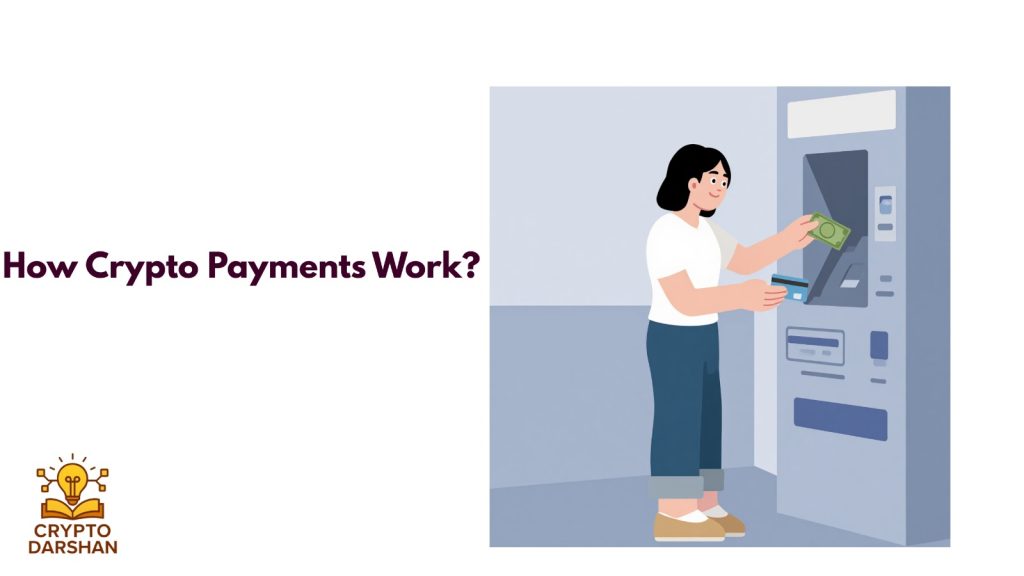
- A user initiates a payment by sending crypto from their wallet to another wallet address.
- The transaction is broadcast to the blockchain network.
- Validators confirm the transaction’s authenticity and add it to the blockchain.
- Once confirmed, the recipient receives the funds, often within seconds or minutes, depending on the network.
This process eliminates intermediaries, reduces fees, and enables global transactions without currency conversion.
Advantages of Crypto Payments
1. Speed and Efficiency
Traditional cross-border payments can take days due to multiple intermediaries and settlement processes. Crypto transactions, by contrast, can be completed in minutes or even seconds, regardless of geographical boundaries. Networks like Solana, Polygon, and Lightning Network (for Bitcoin) have further enhanced transaction speeds.
2. Lower Transaction Costs
Banks and payment processors charge fees for transfers, currency conversions, and card payments. Crypto transactions typically incur minimal fees, especially for large transfers. This cost efficiency makes crypto ideal for international remittances and e-commerce.
3. Financial Inclusion

Over 1.4 billion adults globally remain unbanked, lacking access to traditional financial services. Cryptocurrencies enable anyone with an internet connection to participate in the global economy. This democratization of finance empowers individuals in developing regions to send, receive, and store value securely.
4. Transparency and Security
Blockchain’s public ledger ensures that all transactions are traceable and verifiable. This transparency reduces fraud and corruption. Additionally, cryptographic security makes it nearly impossible to alter transaction data, protecting users from tampering and unauthorized access.
5. Privacy and Control
Unlike traditional systems that require personal information, crypto transactions can be conducted pseudonymously. Users maintain control over their funds without relying on banks or governments. This autonomy appeals to those seeking privacy and freedom from centralized oversight.
6. Global Accessibility
Cryptocurrencies operate 24/7, without holidays or banking hours. This continuous availability supports global commerce and enables instant payments across borders, making it ideal for freelancers, digital nomads, and international businesses.
One of the biggest advantages of crypto-powered online payments is its ability to enable fast and low-cost international transactions. This is already visible in Crypto Remittances: Sending Money Abroad Without Banks, where blockchain technology removes delays, high fees, and dependency on traditional financial institutions.
The Role of Stablecoins in Online Payments
Stablecoins have become one of the most important innovations in the cryptocurrency ecosystem, bridging the gap between the volatility of digital assets and the stability of traditional currencies. They are designed to maintain a consistent value, usually pegged to a fiat currency like the US dollar, euro, or yen. This stability makes them ideal for online payments, where price predictability and reliability are essential.
What Are Stablecoins?
Stablecoins are digital currencies that combine the benefits of blockchain technology such as transparency, speed, and decentralization with the price stability of traditional money. Unlike Bitcoin or Ethereum, whose prices can fluctuate dramatically, stablecoins are engineered to remain steady in value. This is achieved by backing them with reserves or using algorithms that control supply and demand.
Types of Stablecoins
- Fiat-Collateralized Stablecoins
These are backed by reserves of fiat currency held in banks or trusted custodians. For every stablecoin issued, an equivalent amount of fiat currency is stored as collateral. Examples include Tether (USDT) and USD Coin (USDC). They are the most widely used type due to their simplicity and reliability. - Crypto-Collateralized Stablecoins
These are backed by other cryptocurrencies instead of fiat. To account for crypto volatility, they are often over-collateralized. For instance, DAI, issued by the MakerDAO protocol, is backed by Ethereum and other digital assets. Smart contracts automatically manage the collateral to maintain price stability. - Algorithmic Stablecoins
These rely on algorithms and smart contracts to control supply and demand rather than collateral. When the price rises above the peg, new coins are minted; when it falls, coins are burned. While innovative, algorithmic stablecoins are more experimental and have faced challenges in maintaining stability.
Why Stablecoins Matter in Online Payments

1. Price Stability
The biggest advantage of stablecoins is their predictable value. Merchants and consumers can transact without worrying about sudden price swings. This makes stablecoins practical for everyday purchases, subscriptions, and e-commerce transactions.
2. Faster and Cheaper Transactions
Stablecoins operate on blockchain networks, enabling near-instant transfers with minimal fees. Unlike traditional payment systems that rely on banks and intermediaries, stablecoin transactions settle directly between users, reducing costs and delays especially for cross-border payments.
3. Global Accessibility
Anyone with an internet connection can use stablecoins, regardless of location or banking status. This inclusivity empowers people in developing countries or regions with unstable currencies to participate in the global digital economy.
4. Integration with DeFi and Web3
Stablecoins are the backbone of decentralized finance (DeFi) and Web3 ecosystems. They serve as a stable medium of exchange for lending, borrowing, trading, and yield farming. In online payments, they enable seamless integration with decentralized applications and smart contracts.
5. Reduced Volatility Risk for Merchants
Businesses accepting cryptocurrencies often face the challenge of price volatility. Stablecoins eliminate this risk, allowing merchants to accept digital payments without worrying about value fluctuations. Many payment processors automatically convert stablecoins into fiat, simplifying accounting and compliance.
Use Cases of Stablecoins in Online Payments
- E-Commerce Transactions
Online retailers can accept stablecoins as payment, offering customers a fast and secure alternative to credit cards or PayPal. Platforms like Shopify and WooCommerce already support stablecoin integrations through crypto payment gateways. - Cross-Border Remittances
Sending money internationally through banks can be slow and expensive. Stablecoins enable instant, low-cost transfers across borders, bypassing traditional financial intermediaries. - Freelance and Gig Economy Payments
Freelancers working with global clients can receive payments in stablecoins, avoiding high conversion fees and delays associated with traditional banking systems. - Subscription and Micropayments
Stablecoins make it possible to automate recurring payments or microtransactions using smart contracts, ideal for digital content platforms, gaming, and streaming services.
Challenges Facing Stablecoins
Despite their advantages, stablecoins face several challenges that must be addressed for widespread adoption:
- Regulatory Scrutiny: Governments are concerned about the potential misuse of stablecoins for money laundering or tax evasion. Clear regulations are needed to ensure compliance and consumer protection.
- Centralization Risks: Fiat-backed stablecoins depend on centralized entities to hold reserves, which can undermine the decentralized ethos of crypto.
- Transparency and Auditing: Users must trust that issuers truly hold the reserves they claim. Regular audits and transparency reports are essential to maintain confidence.
- Algorithmic Instability: Algorithmic stablecoins have struggled to maintain their pegs during market stress, raising questions about their reliability.
The Future of Stablecoins in Online Payments
Stablecoins are poised to play a central role in the future of digital payments. As blockchain technology matures and regulatory frameworks evolve, stablecoins will likely become a mainstream payment option. They offer the best of both worlds: crypto’s efficiency and fiat’s stability.
In the coming years, we can expect:
- Integration with Central Bank Digital Currencies (CBDCs): Stablecoins may coexist or interoperate with government-backed digital currencies.
- Wider Merchant Adoption: More businesses will accept stablecoins as payment, supported by user-friendly payment gateways.
- Enhanced Interoperability: Cross-chain solutions will allow stablecoins to move seamlessly across different blockchain networks.
- Institutional Use: Financial institutions may adopt stablecoins for settlements, remittances, and treasury management.
DeFi and the Future of Financial Services

Decentralized Finance (DeFi) represents one of the most transformative innovations in the financial world. Built on blockchain technology, DeFi eliminates intermediaries such as banks, brokers, and payment processors, allowing users to access financial services directly through decentralized applications (dApps). This new financial ecosystem is open, transparent, and accessible to anyone with an internet connection, redefining how money is managed, transferred, and grown.
What Is DeFi?
Decentralized finance (DeFi) is an emerging financial system using blockchain and cryptocurrencies to enable direct transactions between individuals and businesses. By eliminating intermediaries like banks, DeFi aims to reduce costs and speed up processes, although it’s currently in its infancy and presents security challenges. Instead of relying on centralized institutions, DeFi uses smart contracts, self-executing programs that automatically enforce agreements to facilitate transactions and manage assets.
These smart contracts operate on public blockchains, ensuring transparency, security, and immutability. Users retain full control over their funds, interacting directly with protocols rather than through intermediaries.
Core Principles of DeFi
- Decentralization
DeFi operates on distributed networks, removing the need for central authorities. This decentralization ensures that no single entity controls the system, reducing censorship and increasing resilience. - Transparency
All transactions and smart contract codes are publicly accessible on the blockchain. This openness fosters trust and allows anyone to audit the system. - Accessibility
DeFi is borderless and permissionless. Anyone with a crypto wallet and internet connection can participate, regardless of geography or financial status. - Interoperability
DeFi protocols are designed to work together seamlessly. Users can combine multiple services such as lending, trading, and insurance into complex financial strategies known as “money legos.”
Key Components of the DeFi Ecosystem
1. Decentralized Exchanges (DEXs)
DEXs allow users to trade cryptocurrencies directly from their wallets without intermediaries. Platforms like Uniswap, SushiSwap, and PancakeSwap use automated market makers (AMMs) to provide liquidity and determine prices algorithmically. This eliminates the need for centralized order books and custodians.
2. Lending and Borrowing Platforms
DeFi lending protocols such as Aave, Compound, and MakerDAO enable users to lend their crypto assets and earn interest or borrow against their holdings. Smart contracts automatically manage collateral and interest rates, ensuring transparency and efficiency.
3. Stablecoins
Stablecoins like DAI, USDC, and USDT play a crucial role in DeFi by providing a stable medium of exchange. They mitigate volatility and serve as a reliable unit of account for trading, lending, and payments.
4. Yield Farming and Liquidity Mining
Crypto yield farming is an emerging sector of DeFi that enables you to earn rewards and interest on your crypto. Yield farming crypto can generate passive returns on holdings using decentralized finance (DeFi) protocols. Yield farming allows users to earn rewards by providing liquidity to DeFi protocols. In return, they receive tokens or interest. Liquidity mining further incentivizes participation by distributing governance tokens, giving users a stake in the protocol’s future.
5. Decentralized Insurance
DeFi insurance platforms such as Nexus Mutual and InsurAce offer coverage against smart contract failures, hacks, and other risks. These decentralized insurance pools are governed by community members, ensuring fairness and transparency.
The Future of DeFi in Financial Services

DeFi is not just an alternative to traditional finance it is shaping the future of the entire financial system. As technology matures and regulations evolve, DeFi will likely integrate with traditional institutions, creating a hybrid financial model.
1. Integration with Traditional Finance
Banks and financial institutions are exploring ways to incorporate DeFi principles into their operations. Tokenized assets, blockchain-based settlements, and decentralized lending models are being tested by major players.
2. Institutional Adoption
Institutional investors are increasingly participating in DeFi through regulated platforms and custodial services. This influx of capital is driving innovation and improving liquidity.
3. Cross-Chain Interoperability
Future DeFi ecosystems will be multi-chain, allowing assets and data to move seamlessly across different blockchains. Projects like Polkadot, Cosmos, and Chainlink are building the infrastructure for this interoperable future.
4. Decentralized Identity and Compliance
Decentralized identity (DID) solutions will enable users to verify their identities without compromising privacy. This will help DeFi platforms comply with Know Your Customer (KYC) and Anti-Money Laundering (AML) regulations while maintaining decentralization.
5. AI and Automation
Artificial intelligence will enhance DeFi by optimizing trading strategies, detecting fraud, and automating portfolio management. Combined with smart contracts, AI can create self-sustaining financial ecosystems.
Real-World Applications of DeFi
- Remittances and Cross-Border Payments
DeFi enables instant, low-cost international transfers without intermediaries, benefiting migrant workers and global freelancers. - Tokenized Assets
Real-world assets such as real estate, art, and commodities can be tokenized and traded on DeFi platforms, increasing liquidity and accessibility. - Decentralized Savings and Investments
Users can earn passive income through staking, lending, and yield farming, creating new opportunities for wealth generation. - Microfinance and Peer-to-Peer Lending
DeFi platforms facilitate small loans and peer-to-peer credit systems, empowering individuals and small businesses in emerging markets.
Central Bank Digital Currencies (CBDCs)
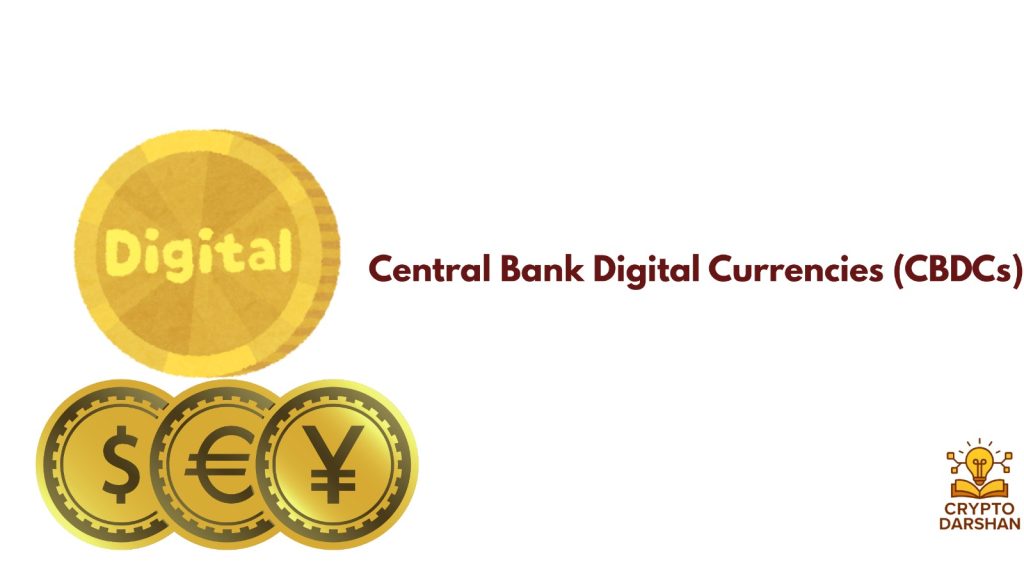
Governments and central banks are also exploring digital currencies to modernize payment systems. CBDCs are state-backed digital versions of fiat currencies, combining the efficiency of crypto with regulatory oversight.
Alongside cryptocurrencies, governments are also exploring digital payment solutions. Central Bank Digital Currencies (CBDCs): Threat or Opportunity for Crypto? discusses how regulated digital currencies may coexist with decentralized payment systems in the future.
Benefits of CBDCs
- Faster and cheaper domestic and cross-border payments
- Enhanced transparency and traceability
- Reduced reliance on cash
- Improved monetary policy implementation
Countries like China (Digital Yuan), the European Union (Digital Euro), and India (Digital Rupee) are leading CBDC development. While CBDCs differ from decentralized cryptocurrencies, their adoption signifies a broader shift toward digital money.
Crypto Payment Gateways and Merchant Adoption
Leading Crypto Payment Processors
Several companies are bridging the gap between crypto users and merchants by offering payment gateways that convert crypto into fiat instantly. Examples include:
- BitPay – One of the earliest crypto payment processors, supporting Bitcoin and stablecoins.
- CoinGate – Enables merchants to accept multiple cryptocurrencies.
- CoinPayments – Offers integration with major e-commerce platforms like Shopify and WooCommerce.
- NOWPayments – Provides non-custodial payment solutions for businesses.
These gateways simplify adoption by handling volatility and compliance, allowing merchants to accept crypto without technical complexity.
Real-World Adoption
Major companies such as Microsoft, Overstock, and Shopify now accept crypto online payments. Travel platforms, gaming companies, and online retailers are increasingly integrating crypto options to attract tech-savvy customers. The growing acceptance of stablecoins and integration with payment APIs are accelerating this trend.
Case Studies: Crypto in Action

1. El Salvador’s Bitcoin Adoption
El Salvador became the first country to adopt Bitcoin as legal tender in 2021. The government launched the Chivo Wallet to facilitate everyday transactions, promoting financial inclusion and reducing remittance costs.
2. PayPal’s Crypto Integration
PayPal’s integration of Bitcoin, Ethereum, and Litecoin allows millions of users to transact with crypto. This move legitimized digital currencies in mainstream finance and encouraged other online payment providers to follow suit.
3. Cross-Border Remittances
Companies like Ripple and Stellar are revolutionizing remittances by enabling instant, low-cost cross-border payments. These solutions are particularly impactful in regions where traditional banking is slow and expensive.
Environmental Considerations
The environmental impact of crypto mining, particularly proof-of-work systems, has sparked debate. However, the industry is transitioning toward more sustainable models. Proof-of-stake networks, such as Ethereum 2.0 and Cardano, consume significantly less energy, aligning with global sustainability goals.
Challenges and Barriers to Adoption

1. Volatility
Price fluctuations remain a major concern for both consumers and merchants. Stablecoins mitigate this issue, but broader adoption requires more stability and liquidity in crypto markets.
2. Regulatory Uncertainty
Different countries have varying stances on cryptocurrencies, ranging from full acceptance to outright bans. Clear and consistent regulations are essential for mainstream adoption and institutional participation.
3. Scalability
Popular blockchains like Bitcoin and Ethereum face scalability challenges, leading to high fees and slower transactions during peak demand. Layer-2 solutions and next-generation blockchains are addressing these issues.
4. User Experience
Crypto wallets and transactions can be complex for non-technical users. Simplified interfaces, better education, and user-friendly apps are crucial for mass adoption.
5. Security Risks
While blockchain itself is secure, users remain vulnerable to phishing, hacks, and scams. Enhanced security measures and awareness are vital to protect funds.
The Future of Crypto Payments
Integration with Traditional Finance
The future of online payments lies in the convergence of crypto and traditional finance. Payment giants like Visa, Mastercard, and PayPal are already integrating crypto services, allowing users to buy, sell, and spend digital assets seamlessly.
Web3 and the Metaverse Economy
As Web3 and the metaverse evolve, cryptocurrencies will become the native medium of exchange in virtual economies. Digital assets, NFTs, and decentralized identities will enable new forms of commerce and ownership.
AI and Smart Payments
Artificial intelligence will enhance crypto payments through fraud detection, automated compliance, and personalized financial services. Smart contracts will enable conditional Online payments, subscriptions, and decentralized payroll systems.
Cross-Chain Interoperability
Future payment systems will be blockchain-agnostic, allowing seamless transfers across multiple networks. Projects like Polkadot, Cosmos, and Chainlink are building the infrastructure for this interoperable future.
Conclusion
Cryptocurrencies are transforming the future of online payments by providing speed, transparency, and inclusivity that existing methods cannot match. The online payment ecosystem is changing dramatically, with stablecoins and DeFi giving way to CBDCs and Web3. While difficulties such as regulation, scalability, and volatility persist, innovation propels development.
As technology advances and acceptance increases, cryptocurrency payments will become an essential component of the global financial ecosystem, allowing individuals, organizations, and nations to transact freely in a borderless digital economy. The future of money is decentralized, and cryptocurrency is leading the way.