
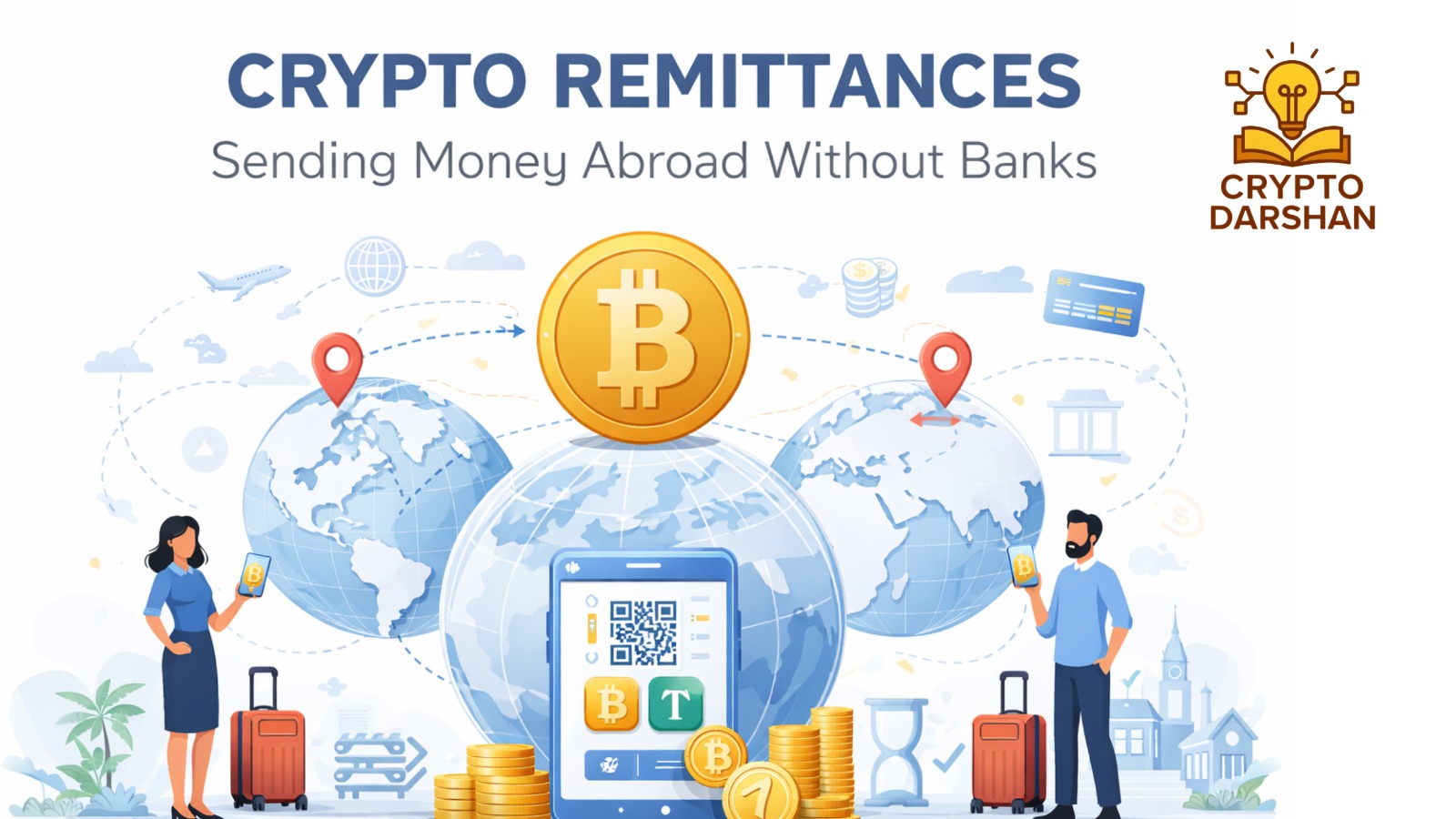
The global remittance industry is one of the most vital financial lifelines for millions of families worldwide. Migrant workers send billions of dollars home each year, supporting education, healthcare, and local economies. However, traditional remittance systems dominated by banks and money transfer operators often come with high fees, long processing times, and limited accessibility. In recent years, cryptocurrencies have emerged as a powerful alternative, offering faster, cheaper, and borderless money transfers. This transformation is redefining how people send money abroad, challenging the dominance of traditional financial institutions.
This article explores how crypto remittances work, their advantages and challenges, and their potential to reshape the global financial landscape. It also examines the role of blockchain technology, stablecoins, and regulatory frameworks in driving the adoption of crypto-based remittance solutions.
The Global Remittance Landscape

The Importance of Remittances
Remittances are a crucial source of income for developing countries. According to the World Bank, global remittance flows exceeded $600 billion in 2023, with countries like India, Mexico, the Philippines, and Nigeria among the top recipients. These funds often account for a significant portion of national GDP, helping families cover essential expenses and stimulating local economies.
The Problem with Traditional Remittance Systems
Despite their importance, traditional remittance channels are plagued by inefficiencies:
- High Fees: Average global remittance fees range between 6% and 8%, meaning billions of dollars are lost to intermediaries each year.
- Slow Transfers: Cross-border payments can take several days to process, especially when multiple banks are involved.
- Limited Access: Many recipients live in rural areas without access to banking infrastructure.
- Currency Conversion Costs: Exchange rate markups further reduce the amount received.
- Lack of Transparency: Hidden fees and unclear processing times frustrate users.
These challenges have created a demand for more efficient, transparent, and inclusive alternatives, paving the way for cryptocurrency-based remittances.
Understanding Crypto Remittances
What Are Crypto Remittances?

Crypto remittances refer to the process of sending money across borders using cryptocurrencies instead of traditional fiat currencies. The sender converts their local currency into a digital asset such as Bitcoin, Ethereum, or a stablecoin, transfers it to the recipient’s wallet, and the recipient can either hold the crypto or convert it back into local currency.
How Crypto Remittances Work
- Conversion: The sender purchases cryptocurrency through an exchange or wallet app.
- Transfer: The sender sends the crypto directly to the recipient’s digital wallet address.
- Conversion to Local Currency: The recipient can either keep the crypto or exchange it for local currency through a crypto exchange or peer-to-peer platform.
- Access to Funds: The recipient can use the funds for purchases, savings, or further transfers.
This process eliminates intermediaries, reduces costs, and speeds up transactions.
Why Crypto Is Ideal for Remittances?
- Borderless Transactions: Cryptocurrencies operate globally without restrictions.
- Low Fees: Blockchain transactions often cost a fraction of traditional transfer fees.
- Speed: Transfers can be completed in minutes, regardless of location.
- Transparency: Blockchain records every transaction, ensuring accountability.
- Accessibility: Anyone with a smartphone and internet connection can participate.
The Role of Blockchain Technology

Blockchain is the foundation of crypto remittances. It is a decentralized ledger that records transactions securely and transparently. Each transaction is verified by network participants, ensuring trust without the need for banks or intermediaries.
Key Blockchain Features Supporting Remittances
- Decentralization: No single entity controls the network, reducing the risk of censorship or manipulation.
- Security: Cryptographic encryption protects user data and funds.
- Transparency: Every transaction is publicly recorded, preventing fraud.
- Immutability: Once recorded, transactions cannot be altered or deleted.
- Efficiency: Blockchain networks can process transactions faster than traditional banking systems.
These features make blockchain an ideal infrastructure for cross-border payments, especially in regions with weak financial systems.
Popular Cryptocurrencies for Remittances

Cryptocurrencies have become a powerful tool for sending money across borders quickly and affordably. While hundreds of digital currencies exist, only a few have proven practical and reliable for remittances.
While crypto remittances offer freedom and speed, regulatory compliance remains a key factor in their global adoption. Different countries apply varying rules to cross-border crypto transfers, affecting accessibility and legality. Insights from Crypto Regulations 2026: Global Policy Changes help explain how regulation will shape the future of crypto-based remittance services worldwide.
These cryptocurrencies stand out for their transaction speed, low fees, global accessibility, and stability. Below are the most popular cryptocurrencies used for remittances today.
1. Bitcoin (BTC)
Bitcoin is the first and most recognized cryptocurrency in the world. It operates on a decentralized network, allowing users to send money directly without banks or intermediaries.
- Why it’s used for remittances:
Bitcoin’s global acceptance and strong security make it a trusted option for international transfers. Many remittance platforms and merchants accept Bitcoin, making it easy to send and receive funds worldwide. - Advantages:
- High liquidity and global recognition
- Secure and transparent transactions
- Can be converted easily into local currencies.
- Limitations:
- Transaction fees can rise during network congestion
- Slower processing times compared to newer blockchains
Despite these challenges, Bitcoin remains a popular choice for large remittances and cross-border payments due to its reliability and widespread adoption.
2. Ethereum (ETH)
Ethereum is the second-largest cryptocurrency and a leading platform for decentralized applications (dApps) and smart contracts. Its native token, Ether (ETH), is widely used for payments and remittances.
- Why it’s used for remittances:
Ethereum’s network supports programmable transactions, allowing for automated and secure transfers. Many remittance services use Ethereum-based stablecoins like USDC and DAI for faster and cheaper payments. - Advantages:
- Supports smart contracts for automated transfers
- Large ecosystem of wallets and exchanges
- High security and transparency
- Limitations:
- Gas fees can be high during peak network activity
- Slower transaction times compared to specialized payment blockchains
Ethereum’s flexibility and integration with stablecoins make it a strong foundation for modern remittance solutions.
3. Ripple (XRP)
Ripple (originally Ripplepay) was founded in 2004 and is a fintech company based in San Francisco. Even before the company delved into crypto in 2012, its core focus was largely the same: to improve upon the legacy settlement systems for international transactions with cheaper and faster settlements. Its network, RippleNet, connects banks, payment providers, and financial institutions to facilitate instant money transfers.
- Why it’s used for remittances:
Ripple’s technology allows users to send money globally in seconds with minimal fees. Many financial institutions use XRP to settle international transactions efficiently. - Advantages:
- Extremely fast transaction times (3–5 seconds)
- Very low fees (fractions of a cent per transaction)
- Scalable and energy-efficient
- Limitations:
- Centralization concerns due to Ripple Labs’ control over XRP supply
- Ongoing regulatory scrutiny in some countries
Ripple’s focus on cross-border payments makes it one of the most practical cryptocurrencies for remittances, especially for institutional use.
4. Stellar (XLM)

Stellar Lumens is a payment network that enables financial institutions, companies, and individuals to send each other funds in the form of the native XLM asset or in the form of IOUs, digital representations of any asset on the Stellar network. Stellar was created by one of Ripple’s co-founders to improve financial inclusion. It is designed to connect banks, payment systems, and individuals for fast, low-cost international transfers.
- Why it’s used for remittances:
Stellar’s network is optimized for microtransactions and cross-border payments, making it ideal for sending small amounts of money quickly and affordably. - Advantages:
- Low transaction fees (often less than a cent)
- Fast processing times (2–5 seconds)
- Focus on financial inclusion and accessibility
- Limitations:
- Less adoption compared to Bitcoin and Ethereum
- Limited liquidity in some regions
Stellar’s partnerships with fintech companies and NGOs have made it a popular choice for remittances in developing countries.
5. Litecoin (LTC)
Litecoin is often referred to as the “silver to Bitcoin’s gold.” It was created to offer faster and cheaper transactions while maintaining Bitcoin’s core principles.
- Why it’s used for remittances:
Litecoin’s speed and low fees make it suitable for everyday transactions and small remittances. It is supported by many exchanges and payment processors worldwide. - Advantages:
- Faster block times than Bitcoin (2.5 minutes per block)
- Low transaction costs
- Widely supported across wallets and exchanges
- Limitations:
- Less adoption compared to major cryptocurrencies
- Limited use in institutional remittance systems
Litecoin’s simplicity and efficiency make it a practical option for individuals sending money abroad.
6. Stablecoins (USDT, USDC, DAI)
Stablecoins are digital currencies pegged to stable assets like the U.S. dollar or euro. They combine the benefits of blockchain technology with the stability of fiat currencies, making them ideal for remittances.
- Why they’re used for remittances:
Stablecoins eliminate the volatility associated with cryptocurrencies like Bitcoin and Ethereum. They allow users to send and receive money without worrying about price fluctuations. - Advantages:
- Stable value and predictable exchange rates
- Low transaction fees and fast transfers
- Easy conversion to local currencies
- Limitations:
- Dependence on the issuing company’s transparency and reserves
- Regulatory uncertainty in some regions
Popular stablecoins such as Tether (USDT), USD Coin (USDC), and DAI are widely used for remittances, especially in countries with unstable local currencies.
7. Tron (TRX)
Tron is a blockchain platform known for its high transaction speed and low fees. It has become increasingly popular for remittances, especially in regions where users rely on stablecoins issued on the Tron network.
- Why it’s used for remittances:
Tron’s network supports stablecoins like USDT-TRC20, which are widely used for fast and affordable cross-border transfers. - Advantages:
- Very low transaction costs
- High scalability and speed
- Strong support for stablecoin transfers
- Limitations:
- Centralization concerns due to governance structure
- Limited use outside of stablecoin transactions
Tron’s efficiency and low fees make it a preferred network for stablecoin-based remittances in Asia, Africa, and Latin America.
8. Celo (CELO)
Celo is a mobile-first blockchain platform designed to make financial tools accessible to anyone with a smartphone. It focuses on enabling global payments and remittances through stablecoins like cUSD and cEUR.
- Why it’s used for remittances:
Celo’s mobile-friendly design and low fees make it ideal for users in developing countries who rely on mobile money systems. - Advantages:
- Optimized for mobile devices
- Low transaction fees
- Focus on financial inclusion
- Limitations:
- Smaller ecosystem compared to major blockchains
- Limited exchange support in some regions
Celo’s mission to make digital payments accessible to everyone aligns perfectly with the goals of affordable and inclusive remittances.
Advantages of Crypto Remittances

1. Lower Transaction Costs
Traditional remittance services charge high fees to cover operational costs and currency conversions. Crypto transactions, by contrast, often cost less than 1% of the transfer amount. This affordability allows more money to reach recipients, especially in low-income households.
2. Faster Transfers
While bank transfers can take days, crypto transactions are processed within minutes. This speed is particularly beneficial during emergencies or when recipients need immediate access to funds.
3. Financial Inclusion
Crypto remittances empower the unbanked population by providing access to digital financial services. With only a smartphone and an internet connection, users can send and receive money globally without relying on banks.
4. Transparency and Security
Blockchain’s transparent ledger ensures that every transaction is traceable and secure. This reduces the risk of fraud and builds trust among users.
5. Currency Flexibility
Recipients can choose to hold crypto as an investment or convert it into local currency. This flexibility allows them to manage funds according to their financial goals and market conditions.
6. Resilience Against Economic Instability
In countries with unstable currencies or restrictive banking systems, crypto remittances offer a stable and accessible alternative. Stablecoins, in particular, protect users from inflation and currency devaluation.
Challenges of Crypto Remittances

1. Price Volatility
Cryptocurrencies like Bitcoin and Ethereum can experience significant price fluctuations. This volatility can affect the value of remittances between the time they are sent and received. Stablecoins help mitigate this risk.
2. Regulatory Uncertainty
Different countries have varying regulations regarding cryptocurrency use. Some governments embrace it, while others impose restrictions or bans. This inconsistency creates uncertainty for users and service providers.
3. Limited Awareness and Education
Many potential users lack an understanding of how crypto works. Misconceptions about security, legality, and usability hinder adoption, especially in developing regions.
4. Technological Barriers
Access to reliable internet and digital literacy remains a challenge in some areas. Without proper infrastructure, crypto remittances cannot reach their full potential.
5. Security Risks
While blockchain itself is secure, users can fall victim to scams, phishing attacks, or loss of private keys. Education and secure wallet solutions are essential to protect users.
The Role of Stablecoins in Remittances.

Stablecoins have become one of the most important innovations in the cryptocurrency ecosystem, especially in the context of remittances. They combine the efficiency and speed of blockchain technology with the stability of traditional fiat currencies, making them ideal for sending money across borders. In regions where currency volatility, high transfer fees, and limited banking access are common, stablecoins are transforming how people move money globally.
1. What Are Stablecoins?
Stablecoins are digital currencies designed to maintain a stable value by being pegged to a reserve asset such as the U.S. dollar, euro, or gold. Unlike Bitcoin or Ethereum, whose prices fluctuate based on market demand, stablecoins are backed by real-world assets or algorithms that keep their value consistent.
There are three main types of stablecoins:
- Fiat-Collateralized Stablecoins: Backed by reserves of fiat currency held in banks (e.g., USDT, USDC).
- Crypto-Collateralized Stablecoins: Backed by other cryptocurrencies, often over-collateralized to absorb volatility (e.g., DAI).
- Algorithmic Stablecoins: Use algorithms and smart contracts to control supply and maintain price stability (e.g., FRAX).
This stability makes them particularly useful for remittances, where predictability and reliability are essential.
2. Why Stablecoins Are Ideal for Remittances
Traditional remittance systems often involve multiple intermediaries, high fees, and long processing times. Stablecoins solve many of these issues by offering a faster, cheaper, and more transparent alternative.
- Price Stability: Recipients receive the same value that senders send, without worrying about crypto market fluctuations.
- Low Transaction Costs: Transfers using stablecoins typically cost less than 1% of the transaction amount.
- Instant Settlement: Transactions are processed within minutes, regardless of location or banking hours.
- Global Accessibility: Anyone with a smartphone and internet connection can send or receive stablecoins.
- Transparency: Blockchain technology ensures that all transactions are traceable and verifiable.
These advantages make stablecoins a practical solution for millions of migrant workers and families who rely on remittances.
3. How Stablecoin Remittances Work.
The process of sending remittances using stablecoins is straightforward:
- Purchase: The sender buys stablecoins (like USDT or USDC) from a crypto exchange or wallet app using local currency.
- Transfer: The sender sends the stablecoins directly to the recipient’s digital wallet address.
- Conversion: The recipient can either hold the stablecoins or convert them into local currency through a crypto exchange or peer-to-peer platform.
- Access: The funds are available almost instantly, and the recipient can use them for purchases, savings, or investments.
This process eliminates the need for banks or money transfer operators, reducing costs and delays.
4. Benefits of Stablecoins for Remittance Users.
- Protection Against Inflation: In countries with unstable currencies, stablecoins provide a safe store of value.
- Financial Inclusion: People without bank accounts can still receive and use stablecoins through mobile wallets.
- Cross-Border Efficiency: Stablecoins bypass traditional banking networks, enabling direct global transfers.
- Integration with DeFi: Recipients can use stablecoins in decentralized finance platforms to earn interest or access loans.
- Reduced Currency Conversion Costs: Since stablecoins are pegged to major currencies, users avoid expensive exchange rate markups.
These benefits make stablecoins a bridge between traditional finance and the digital economy.
5. The Role of Regulation in Stablecoin Growth
Regulation is essential to ensure that stablecoins remain trustworthy and compliant with global financial standards. Governments and international organizations are working to create clear guidelines for stablecoin issuance, reserve management, and consumer protection.
- Transparency Requirements: Issuers must regularly disclose reserve holdings to prove that stablecoins are fully backed.
- Licensing and Oversight: Regulatory bodies are introducing licensing systems for stablecoin providers to ensure accountability.
- Integration with Banking Systems: Some countries are exploring ways to connect stablecoins with traditional financial infrastructure for smoother conversions.
- Global Cooperation: Organizations like the Financial Stability Board (FSB) and the International Monetary Fund (IMF) are promoting international coordination to manage risks and encourage innovation.
As regulations mature, stablecoins will gain more legitimacy and trust, paving the way for broader use in remittances.
Real-World Examples of Crypto Remittances

El Salvador
El Salvador made headlines by adopting Bitcoin as legal tender in 2021. The government launched the Chivo Wallet to facilitate Bitcoin remittances, allowing citizens abroad to send money home instantly and without fees.
The Philippines
The Philippines is one of the largest remittance markets globally. Several fintech companies, such as Coins.ph, use blockchain technology to enable fast and affordable remittances for overseas Filipino workers.
Nigeria
Nigeria has seen a surge in crypto adoption due to currency instability and banking restrictions. Many Nigerians use peer-to-peer platforms to receive remittances in stablecoins, bypassing traditional banking systems.
Mexico
In Mexico, crypto remittance platforms like Bitso have partnered with major payment providers to streamline cross-border transfers from the United States, reducing costs and improving efficiency.
Economic Impact of Crypto Remittances.

Boosting Local Economies.
By reducing fees and increasing efficiency, crypto remittances allow more money to flow into local economies. Families can spend more on education, healthcare, and small businesses, driving economic growth.
Encouraging Entrepreneurship.
Access to crypto payments enables small businesses to engage in international trade without relying on banks. Entrepreneurs can receive payments directly from global customers, expanding their market reach.
Reducing Dependence on Traditional Banks.
As crypto remittances grow, reliance on traditional banking systems decreases. This shift encourages financial innovation and competition, leading to better services and lower costs.
Promoting Financial Literacy.
The adoption of crypto remittances encourages users to learn about digital finance, blockchain technology, and investment opportunities, fostering a more financially literate population.
Regulatory Landscape
The regulatory environment surrounding cryptocurrency remittances plays a crucial role in determining how widely and safely these systems can operate. Because crypto operates across borders and outside traditional banking systems, governments and financial authorities are working to establish clear rules that balance innovation with consumer protection. The regulatory landscape is diverse, evolving, and often inconsistent from one country to another.
1. Global Regulatory Diversity

Different countries have adopted varying approaches to cryptocurrency regulation, reflecting their economic priorities, risk tolerance, and technological readiness.
- Supportive Frameworks:
Countries like Singapore, Switzerland, and the United Arab Emirates have created clear and favorable regulations for crypto businesses. They recognize the potential of blockchain technology to drive innovation and financial inclusion. These nations have licensing systems for crypto exchanges, anti-money laundering (AML) requirements, and consumer protection measures that encourage responsible growth. - Cautious Adoption:
The United States and the European Union are developing comprehensive frameworks to regulate cryptocurrencies. The U.S. focuses on compliance through agencies like the SEC and FinCEN, while the EU introduced the Markets in Crypto-Assets (MiCA) regulation to standardize crypto laws across member states. These regions aim to balance innovation with oversight, ensuring that crypto remittances are safe and transparent. - Restrictive Policies:
Some countries, such as China and Bangladesh, have imposed strict bans on crypto trading and remittances. Their governments cite concerns about capital flight, financial instability, and illicit activities. Instead, they are focusing on developing Central Bank Digital Currencies (CBDCs) as controlled alternatives to decentralized cryptocurrencies.
This diversity in regulation creates both opportunities and challenges for global crypto remittances. While supportive countries attract innovation and investment, restrictive environments push users toward informal or peer-to-peer channels.
2. Key Regulatory Concerns
Governments and regulators focus on several key areas when designing crypto policies:
- Anti-Money Laundering (AML) and Counter-Terrorism Financing (CTF):
Regulators require crypto exchanges and remittance platforms to implement Know Your Customer (KYC) procedures. These measures help prevent illegal activities such as money laundering, fraud, and terrorism financing. - Consumer Protection:
Authorities aim to protect users from scams, hacking, and misleading information. Licensed platforms must ensure transparency, security, and fair practices. - Taxation:
Many countries are developing tax frameworks for crypto transactions. Some treat cryptocurrencies as property, while others classify them as currency or digital assets. Clear tax policies are essential for compliance and mainstream adoption. - Cross-Border Coordination:
Because crypto transactions are global, regulators emphasize international cooperation. Organizations like the Financial Action Task Force (FATF) provide guidelines to harmonize global AML standards and promote responsible crypto use.
3. The Role of Central Bank Digital Currencies (CBDCs)
In response to the rise of cryptocurrencies, many governments are exploring CBDCs—digital versions of national currencies issued by central banks. CBDCs aim to combine the efficiency of blockchain technology with the stability and oversight of traditional money.
- Complementing Crypto Remittances: CBDCs could coexist with cryptocurrencies, offering regulated digital payment options for cross-border transfers.
- Maintaining Monetary Control: Governments can use CBDCs to retain control over monetary policy while benefiting from digital innovation.
- Enhancing Transparency: CBDCs can improve transaction traceability, reducing fraud and illegal activities.
Countries like China (Digital Yuan), India (Digital Rupee), and the Bahamas (Sand Dollar) are leading CBDC development, signaling a shift toward digital financial ecosystems.
4. The Path Toward Global Cooperation
To unlock the full potential of crypto remittances, international collaboration is essential. Global organizations and financial institutions are working to create unified standards that promote innovation while minimizing risks.
- FATF Guidelines: Encourage countries to adopt consistent AML and KYC measures.
- IMF and World Bank Initiatives: Support developing nations in building regulatory frameworks for digital currencies.
- Regional Partnerships: Countries are forming alliances to share best practices and develop interoperable systems for cross-border payments.
The Future of Crypto Remittances

Integration with Traditional Finance
As banks and payment providers recognize the potential of blockchain, many are integrating crypto solutions into their services. Hybrid systems combining fiat and crypto could become the norm.
Growth of Decentralized Finance (DeFi)
DeFi platforms are expanding access to financial services such as lending, borrowing, and savings. Integrating remittances with DeFi could allow recipients to earn interest or invest their funds directly.
Advancements in Blockchain Technology

Emerging technologies like Layer 2 solutions and cross-chain interoperability are improving transaction speed and scalability, making crypto remittances more practical for everyday use.
Increased Adoption of Stablecoins and CBDCs
Stablecoins and central bank digital currencies (CBDCs) will likely play a major role in the future of remittances. They combine the efficiency of blockchain with the stability of government-backed currencies.
Greater Financial Inclusion
As awareness and accessibility improve, crypto remittances will continue to empower unbanked populations, bridging the gap between developed and developing economies.
Conclusion
Crypto remittances represent a transformative shift in how money moves across borders. By leveraging blockchain technology, they offer faster, cheaper, and more inclusive alternatives to traditional banking systems. While challenges such as regulation, volatility, and education remain, the potential benefits are undeniable.
As technology evolves and global cooperation increases, crypto remittances could become the standard for international money transfers. They not only empower individuals and families but also strengthen economies and promote financial equality worldwide. The future of remittances is digital, decentralized, and driven by the power of cryptocurrency.