

In the world of blockchain technology, few concepts are as powerful and transformative as composability. Often described as the “Lego blocks” of decentralized systems, composability allows developers to build new applications by combining existing components in creative ways. This ability to interconnect and reuse code, protocols, and smart contracts has turned blockchain ecosystems, especially those like Ethereum, Solana, and Avalanche, into fast-moving innovation hubs.
This is the reason decentralized finance (DeFi), non-fungible tokens (NFTs), and decentralized autonomous organizations (DAOs) have evolved so rapidly. It enables developers to stack protocols, integrate services, and create entirely new financial instruments or digital experiences without starting from scratch. This article explores what composability is, why it matters, how it works, and how it’s shaping the future of blockchain ecosystems.
What Is Composability?
Composability refers to the ability for different components or elements to be combined or connected in various ways to create larger, more complex systems or structures. It’s a concept often used in the context of software development, computer systems, and engineering, but it applies to other fields as well. In blockchain, it means that smart contracts, decentralized applications (dApps), and protocols can be integrated like building blocks to create new, more complex systems.
In traditional software development, it is often limited by closed systems, proprietary APIs, and centralized control. Blockchain changes this by offering open, permissionless networks where anyone can access and build upon existing code. Every smart contract deployed on a public blockchain is open-source and interoperable by default, allowing developers to compose new applications from existing ones.
Key Characteristics of Composability
- Interoperability: Different protocols can communicate and share data without friction.
- Reusability: Developers can reuse existing smart contracts or modules instead of building from scratch.
- Permissionless Innovation: Anyone can build on top of existing projects without needing approval.
- Modularity: Systems are built from smaller, independent components that can be combined in various ways.
- Transparency: Open-source code ensures that all interactions are visible and verifiable.
The Lego Analogy: Building Blocks of Blockchain

Composability is often compared to Lego blocks. Each block represents a protocol or smart contract that performs a specific function, such as lending, borrowing, trading, or staking. Developers can combine these blocks to create new applications, just as children combine Lego pieces to build complex structures.
For example, a developer might combine a decentralized exchange (DEX) protocol like Uniswap with a lending protocol like Aave to create a yield aggregator. This new application automatically moves user funds between different DeFi platforms to maximize returns. The developer doesn’t need to rebuild Uniswap or Aave; they simply connect to their existing smart contracts.
This modular approach accelerates innovation, reduces development time, and encourages experimentation. It also creates a network effect: as more protocols become composable, the entire ecosystem grows exponentially in functionality and value.
Types of Composability in Blockchain
Composability can be categorized into several types, each representing a different layer of interaction within blockchain ecosystems.
1. Smart Contract Composability
This is the most fundamental form. Smart contracts are self-executing programs that run on blockchains. When these contracts can call and interact with each other, they become composable. For instance, a DeFi protocol can use another protocol’s price oracle or liquidity pool directly within its own code.
2. Protocol Composability
Protocols define the rules and logic for specific blockchain functions, such as lending, trading, or governance. Protocol allows one protocol to integrate another’s features. For example, a yield farming platform might use Curve’s stablecoin pools and Compound’s lending markets simultaneously.
3. Application Composability
At the application layer, composability allows different dApps to integrate and share functionality. A wallet app might integrate multiple DeFi protocols, NFT marketplaces, and DAO tools, offering users a unified experience.
4. Cross-Chain Composability
As blockchain ecosystems expand, cross-chain composability becomes crucial. It enables applications on different blockchains to interact. Technologies like bridges, interoperability protocols, and layer‑zero solutions (e.g., Cosmos, Polkadot) make this possible.
Composability operates differently across blockchain layers. While Layer 1 networks provide the base for smart contracts, Layer 2 solutions enhance scalability and enable faster interactions between protocols. Understanding how these layers function together is key to unlocking the full potential of composable systems.
Why Composability Matters

Composability is not just a technical feature; it’s a catalyst for innovation. It transforms how developers build, how users interact, and how ecosystems evolve.
1. Accelerated Innovation
Because developers can reuse existing components, they can focus on creating new features instead of reinventing the wheel. This leads to faster product cycles and more experimentation.
2. Network Effects
Each new protocol adds value to the ecosystem by becoming another building block others can use. This creates a positive feedback loop where innovation begets more innovation.
3. Reduced Development Costs
Open-source, reusable components lower the cost of development. Startups and independent developers can build sophisticated applications without large budgets.
4. Enhanced User Experience
Composability allows seamless integration between services. Users can move assets, data, and identities across platforms without friction, creating a unified digital experience.
5. Economic Efficiency
Protocols can share liquidity, data, and infrastructure, reducing redundancy and improving capital efficiency. For example, liquidity pools shared across multiple DeFi platforms ensure better pricing and lower slippage.
Composability in Action: Real‑World Examples
1. DeFi Protocol Stacking
DeFi is the best demonstration of composability. Protocols like Aave, Compound, Uniswap, and Yearn Finance interact to create complex financial products.
- Example: Yearn Finance aggregates yield opportunities from multiple protocols. It uses Aave for lending, Curve for stablecoin swaps, and Compound for interest generation, all through composable smart contracts.
2. NFT and Gaming Ecosystems
In NFT and gaming, composability allows assets to move between games or platforms. A sword earned in one blockchain game could be used in another, or NFTs could serve as collateral in DeFi protocols.
- Example: The Loot project created a set of text-based NFTs representing fantasy items. Developers built entire games, marketplaces, and DAOs around these NFTs, all without coordination, thanks to composability.
3. DAOs and Governance
Composability enables DAOs to integrate governance tools, treasury management systems, and voting mechanisms from other protocols. This modularity allows DAOs to evolve quickly.
- Example: Snapshot, a decentralized voting platform, integrates with multiple DAOs, allowing token holders to vote on proposals across ecosystems.
4. Cross‑Chain Bridges
Projects like Wormhole, LayerZero, and Axelar enable composability across blockchains. They allow assets and data to move between ecosystems like Ethereum, Solana, and Avalanche, expanding the reach of decentralized applications.
The Role of Standards
Standards are the foundation of composability. They ensure that different components can communicate effectively.
1. ERC Standards: The Building Blocks of Ethereum Composability
The Ethereum Request for Comment (ERC) standards are technical specifications that define how tokens, smart contracts, and other components should behave on the Ethereum network. They are proposed and reviewed by the Ethereum community through the Ethereum Improvement Proposal (EIP) process.
Let’s explore the most important ERC standards.
ERC‑20: The Standard for Fungible Tokens
Purpose:
ERC‑20 defines a common set of rules for fungible tokens, tokens that are identical and interchangeable, like cryptocurrencies or stablecoins.
Impact
ERC‑20 tokens can be used across thousands of dApps without modification. For example, a stablecoin like USDC (an ERC‑20 token) can be traded on Uniswap, lent on Aave, or used as collateral on MakerDAO, all because they share the same standard.
ERC‑721: The Standard for Non‑Fungible Tokens (NFTs)
Purpose:
ERC‑721 defines how to create and manage non‑fungible tokens, which are unique digital assets. Each token has distinct metadata and ownership information.
Impact
Because all NFTs follow the ERC‑721 standard, they can be traded, displayed, or used across multiple platforms. For instance, an NFT minted on one marketplace can be sold on another or used as collateral in a DeFi protocol.
ERC‑1155: The Multi‑Token Standard

Purpose:
ERC‑1155 combines the features of ERC‑20 and ERC‑721 into a single contract. It allows both fungible and non‑fungible tokens to exist within the same smart contract.
Impact
ERC‑1155 simplifies integration for developers. A single contract can manage currencies, collectibles, and in‑game items, making it easier for dApps to interact with complex ecosystems.
ERC‑4626: The Tokenized Vault Standard
Purpose:
ERC‑4626 defines a standard interface for yield‑bearing vaults—smart contracts that manage deposits and generate returns.
Impact
With ERC‑4626, DeFi protocols can easily integrate vaults from other platforms. For example, a lending protocol can deposit user funds into a yield vault automatically, knowing it will behave predictably.
2. Cross‑Chain Standards: Expanding Beyond One Blockchain
While ERC standards enable composability within Ethereum, cross‑chain standards extend it across multiple blockchains. As the blockchain world becomes more diverse—with ecosystems like Solana, Avalanche, Cosmos, and Polkadot—cross‑chain communication is essential.
Cross‑chain standards define how different blockchains exchange data, assets, and messages securely. They make it possible for decentralized applications to operate across networks, creating a unified Web3 experience.
Inter‑Blockchain Communication (IBC) – Cosmos Ecosystem
Purpose:
IBC is a protocol that allows independent blockchains (called “zones”) within the Cosmos network to communicate and transfer assets.
How It Works:
- Each blockchain runs its own consensus mechanism but connects to others through the IBC protocol.
- Messages and tokens are sent between chains using standardized packets.
- Security is maintained through cryptographic proofs and light clients.
Impact
IBC enables inter‑chain composability. A DeFi app on one Cosmos chain can use liquidity or data from another chain without centralized intermediaries. This creates a network of interconnected blockchains that function as one ecosystem.
XCM (Cross‑Consensus Messaging) – Polkadot Ecosystem
Purpose:
XCM is Polkadot’s communication standard that allows parachains (independent blockchains connected to the Polkadot Relay Chain) to exchange messages and assets.
How It Works:
- Parachains use XCM to send instructions, tokens, or governance messages.
- The Relay Chain ensures security and message delivery.
- XCM supports complex interactions, such as cross‑chain staking or governance voting.
Impact
XCM allows developers to build applications that span multiple parachains. For example, a lending protocol on one parachain can accept collateral from another, creating a unified financial system across the Polkadot network.
LayerZero and Wormhole – Cross‑Chain Messaging Protocols

Purpose:
LayerZero and Wormhole are interoperability protocols that connect different blockchains like Ethereum, Solana, Avalanche, and others.
How They Work:
- They use messaging layers to send verified data between chains.
- Smart contracts on each chain handle message validation and execution.
- Bridges built on these protocols allow token transfers and cross‑chain dApp functionality.
Impact
These protocols enable cross‑ecosystem. A dApp can combine liquidity from Ethereum and Solana or trigger smart contracts across multiple chains simultaneously.
The Economic Impact of Composability

Composability has created a new kind of digital economy—one that is open, interconnected, and rapidly evolving.
1. Liquidity Sharing
DeFi protocols can share liquidity pools, improving market depth and reducing volatility. This interconnected liquidity makes decentralized markets more efficient than isolated ones.
2. Yield Optimization
Composability enables yield aggregators that automatically move funds between protocols to maximize returns. This creates a dynamic, self‑optimizing financial ecosystem.
3. Risk Diversification
By combining multiple protocols, users can diversify risk. For example, a portfolio might include assets staked in multiple yield farms, each with different risk profiles.
4. New Business Models
Composability allows for entirely new business models, such as protocol‑to‑protocol revenue sharing, automated liquidity provisioning, and decentralized insurance.
Challenges of Composability
While composability is powerful, it also introduces new challenges.
1. Security Risks
When multiple protocols interact, vulnerabilities in one can affect others. A bug in a single smart contract can cascade through the ecosystem.
2. Dependency Complexity
Highly composable systems can become fragile due to interdependencies. If one protocol changes its logic or fails, it can disrupt others that rely on it.
3. Governance Conflicts
Different protocols may have conflicting governance models or upgrade schedules, making coordination difficult.
4. Cross‑Chain Risks
Bridges and interoperability layers introduce additional attack surfaces. Cross‑chain composability must balance flexibility with security.
Solutions and Best Practices
To harness composability safely, developers and communities are adopting several strategies.
1. Auditing and Formal Verification
Comprehensive audits and mathematical verification of smart contracts reduce the risk of vulnerabilities spreading through composable systems.
2. Modular Architecture
Designing protocols with clear interfaces and modular components ensures that changes in one part don’t break others.
3. Governance Coordination
Protocols that depend on each other often establish shared governance frameworks or communication channels to coordinate upgrades.
4. Layered Security
Using multi‑sig wallets, time‑locked upgrades, and decentralized insurance mechanisms helps mitigate systemic risks.
Composability Beyond DeFi
Composability is expanding beyond finance into other sectors of the blockchain world.
1. Web3 Identity
Decentralized identity systems like ENS (Ethereum Name Service) and Lens Protocol are composable across platforms. A single identity can be used for wallets, social networks, and DAOs.
2. Supply Chain and Logistics
Blockchain‑based supply chain systems can integrate composable modules for tracking, payments, and verification, improving transparency and efficiency.
3. Healthcare and Data Sharing
Composability allows secure data sharing between healthcare providers, researchers, and patients while maintaining privacy through cryptographic proofs.
4. Metaverse and Virtual Worlds
In the metaverse, composability enables interoperability between virtual assets, avatars, and environments. Users can move digital possessions across different virtual worlds seamlessly.
The Future of Composability
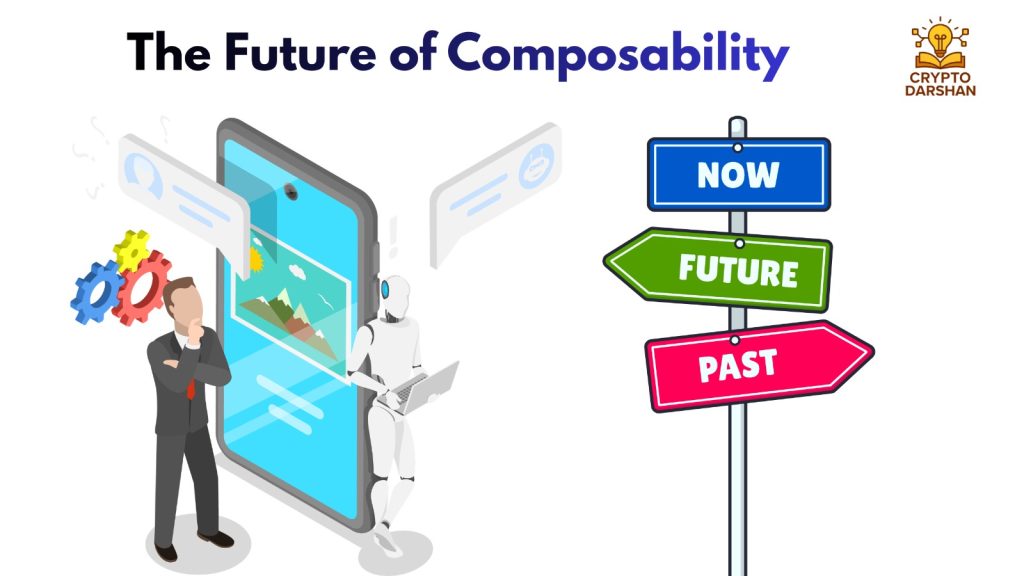
The next phase of blockchain evolution will be defined by deeper and broader composability.
1. Cross‑Chain and Multi‑Layer
As layer‑2 solutions and sidechains mature, composability will extend across multiple layers. Applications will combine the scalability of layer‑2s with the security of layer‑1s.
2. AI and Smart Automation
Artificial intelligence can enhance composability by automating protocol interactions, optimizing yields, and managing risk dynamically.
3. Composable Governance
Future DAOs may integrate governance modules from multiple ecosystems, allowing cross‑protocol decision‑making and shared resource management.
4. Real‑World Asset Integration
Tokenization of real‑world assets (RWAs) like real estate, commodities, and securities will bring composability into traditional finance, creating hybrid systems that bridge on‑chain and off‑chain economies.
Case Study: Ethereum’s Composability Advantage
Ethereum remains the most composable blockchain ecosystem due to its early adoption of open standards and developer‑friendly architecture.
- DeFi Stack: Protocols like MakerDAO, Uniswap, and Compound interact seamlessly.
- NFT Ecosystem: Marketplaces, wallets, and games share the same token standards.
- DAO Infrastructure: Tools like Snapshot, Gnosis Safe, and Aragon integrate easily.
This composability has created a self‑reinforcing cycle of innovation, attracting developers, users, and capital.
Case Study: Solana and High‑Speed Composability

Solana’s high throughput and low fees enable real‑time composability. Developers can build applications that require fast interactions, such as on‑chain games and high‑frequency trading platforms.
Projects like Serum (a decentralized exchange) and Raydium (an automated market maker) demonstrate how they can thrive even in high‑performance environments.
Case Study: Cosmos and Inter‑Blockchain Composability
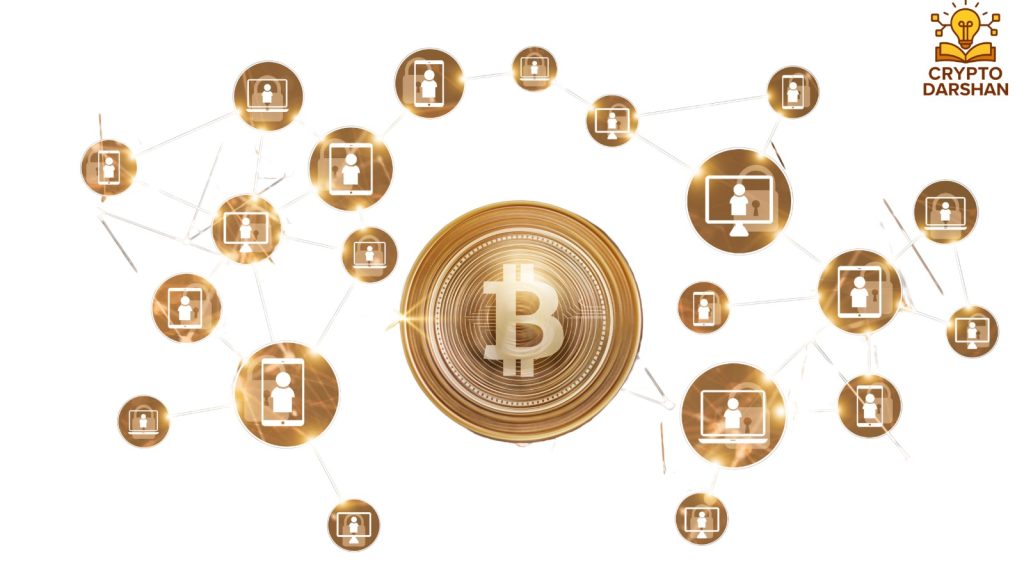
Cosmos introduces the concept of inter‑chain composability through its IBC protocol. Each blockchain (or “zone”) can communicate with others, enabling cross‑chain DeFi, NFTs, and governance.
This model allows independent blockchains to maintain sovereignty while still participating in a shared ecosystem.
The Composability Flywheel
Composability creates a powerful feedback loop:
- New Protocols Launch: Each adds new functionality.
- Developers Integrate: Others build on top of these protocols.
- User Adoption Grows: More users attract more developers.
- Ecosystem Expands: The cycle repeats, accelerating growth.
This flywheel effect explains why blockchain ecosystems evolve so quickly compared to traditional financial or software systems.
Measuring Composability

Several metrics can help assess the level of composability in a blockchain ecosystem:
- Number of Protocol Integrations: How many protocols interact with each other.
- Shared Liquidity Volume: The total value flowing between composable systems.
- Cross‑Protocol Transactions: The frequency of multi‑protocol interactions.
- Developer Activity: The number of projects building on existing protocols.
High composability correlates with faster innovation and greater ecosystem resilience.
The Risks of Over‑Composability
While composability drives growth, excessive interdependence can create systemic risks.
- Cascading Failures: A bug or exploit in one protocol can affect many others.
- Liquidity Shocks: Shared liquidity pools can amplify market volatility.
- Governance Deadlocks: Conflicting upgrades can stall progress.
Balancing openness with safety is essential for sustainable growth.
Governance and Regulation in a Composable World
As composable systems grow, governance and regulation must adapt.
1. Decentralized Governance
Protocols increasingly rely on DAOs for decision‑making. Composability allows DAOs to share governance tools and coordinate across ecosystems.
2. Regulatory Challenges
Composability blurs the lines between financial products, making regulation complex. Authorities must understand how interconnected protocols function to create effective frameworks.
3. Transparency and Accountability
Open‑source code and on‑chain data provide transparency, but accountability mechanisms must evolve to handle multi‑protocol dependencies.
The Human Side of Composability

Composability is not just a technical concept—it’s a cultural one. It reflects the open, collaborative ethos of the blockchain community. Developers share code, users experiment with new tools, and communities build together.
This culture of openness fuels creativity and collective progress. It transforms competition into collaboration, where success for one project often benefits the entire ecosystem.
FAQ: Composability in Blockchain

1. What is composability in blockchain?
Composability refers to the ability of different blockchain applications (dApps), smart contracts, and protocols to seamlessly interact and build on top of each other. It allows developers to reuse existing components to create more complex and innovative solutions.
2. Why is composability important in blockchain ecosystems?
Composability accelerates innovation by enabling developers to combine existing tools instead of building from scratch. This leads to faster development, lower costs, and more dynamic ecosystems.
3. How does composability work in DeFi?
In decentralized finance (DeFi), composability allows multiple protocols to integrate with one another. For example, a lending platform can interact with a decentralized exchange and a yield aggregator, creating interconnected financial services often referred to as “money legos.”
4. What are “money legos” in blockchain?
“Money legos” is a popular term used to describe composable DeFi protocols. Just like lego blocks, different financial services can be stacked together to create new products and strategies.
5. Which blockchains support composability the most?
Blockchains with strong smart contract capabilities and shared state environments support composability best. Examples include Ethereum and other programmable Layer 1 and Layer 2 networks.
Conclusion
Composability is the superpower that makes blockchain ecosystems so fast‑moving. It turns isolated protocols into interconnected networks of innovation. By enabling developers to build on each other’s work, it accelerates progress, reduces costs, and expands possibilities.
From DeFi to NFTs, DAOs to cross‑chain systems, composability is the invisible force driving the blockchain revolution. As technology evolves, its influence will only grow, reshaping finance, governance, and digital life itself.
The future of blockchain is not just decentralized; it’s composable. And in that lies the key to an open, dynamic, and endlessly creative digital world.