

Bitcoin began as a revolutionary idea a decentralized digital currency that could operate without banks, governments, or intermediaries. When Satoshi Nakamoto introduced Bitcoin in 2009, the goal was simple yet profound: to create a peer-to-peer electronic cash system that allowed anyone, anywhere, to send money securely and directly. Over time, Bitcoin became known as “digital gold,” a store of value that protects wealth from inflation and economic instability.
However, Bitcoin’s story is far from over. The network is evolving beyond its original purpose. The rise of Bitcoin layers technological frameworks built on top of the Bitcoin blockchain, is transforming it into a programmable, scalable, and interconnected financial platform. These layers, including the Lightning Network, Liquid Network, RSK (Rootstock), and Stacks, are expanding Bitcoin’s capabilities far beyond simple transactions.
Bitcoin layers are enabling faster payments, smart contracts, decentralized finance (DeFi), tokenization, and Web3 applications all while maintaining Bitcoin’s unmatched security. This layered evolution is setting the stage for Bitcoin to become not just a store of value but the foundation of a new digital economy that connects people, businesses, and blockchains across the world.
The Evolution of Bitcoin’s Purpose

Birth of a Decentralized Currency
Bitcoin was created in 2009 by Satoshi Nakamoto as a peer-to-peer electronic cash system. Its main goal was to allow people to send and receive money directly without relying on banks or governments. This innovation introduced the world to decentralized finance and digital ownership.
Emergence as Digital Gold
Over time, Bitcoin’s limited supply of 21 million coins and its resistance to inflation made it a popular store of value. Investors began to view it as “digital gold,” a haven asset that could protect wealth during economic uncertainty.
Limitations of the Base Layer
Despite its success, Bitcoin’s base layer has scalability issues. It can process only a few transactions per second, and each block takes about ten minutes to confirm. These limitations make it less practical for everyday payments or complex applications.
Rise of Competing Blockchains
As blockchain technology advanced, networks like Ethereum introduced smart contracts and decentralized applications (dApps). These innovations expanded blockchain’s use cases beyond simple transactions, highlighting Bitcoin’s lack of programmability.
The Shift Toward Layered Solutions
To overcome its limitations without compromising security, developers began building Bitcoin layers—secondary frameworks that extend Bitcoin’s functionality. These layers, such as the Lightning Network, Liquid, RSK, and Stacks, enable faster transactions, smart contracts, and DeFi applications.
Bitcoin’s Transformation into a Financial Platform
With the rise of these layers, Bitcoin is evolving from a static store of value into a dynamic, programmable financial ecosystem. It now supports payments, decentralized finance, tokenization, and Web3 applications all anchored to the security of the Bitcoin blockchain.
Bitcoin’s layered scaling approach exists largely because its base layer is optimized for security, not speed. Proof of Work plays a central role in maintaining this security, making direct scaling on Layer-1 risky. If you’re wondering why Bitcoin refuses to change its consensus model, our article Why Bitcoin Uses Proof of Work Instead of Proof of Stake explains how PoW enables Bitcoin layers to scale safely on top.
A New Era for Bitcoin
The evolution of Bitcoin’s purpose marks a shift from being just a digital asset to becoming the foundation of a global, decentralized economy. Its layered architecture ensures that Bitcoin remains relevant, scalable, and capable of powering the next generation of financial innovation.
Understanding Bitcoin Layers

Bitcoin layers are additional protocols or sidechains that enhance Bitcoin’s capabilities. They operate independently but rely on Bitcoin’s base layer for settlement and security.
There are three main categories of Bitcoin layers:
- Layer 1 (Base Layer): The original Bitcoin blockchain, responsible for maintaining consensus, security, and immutability.
- Layer 2 Solutions: Protocols built on top of Bitcoin to improve scalability and transaction speed, such as the Lightning Network.
- Sidechains and Layer 3 Frameworks: Independent blockchains pegged to Bitcoin that enable advanced features like smart contracts, tokenization, and DeFi.
Together, these layers form a multi-tiered ecosystem that allows Bitcoin to scale, innovate, and interact with other blockchains—without altering its core design.
The Lightning Network: Bitcoin’s Path to Instant Payments
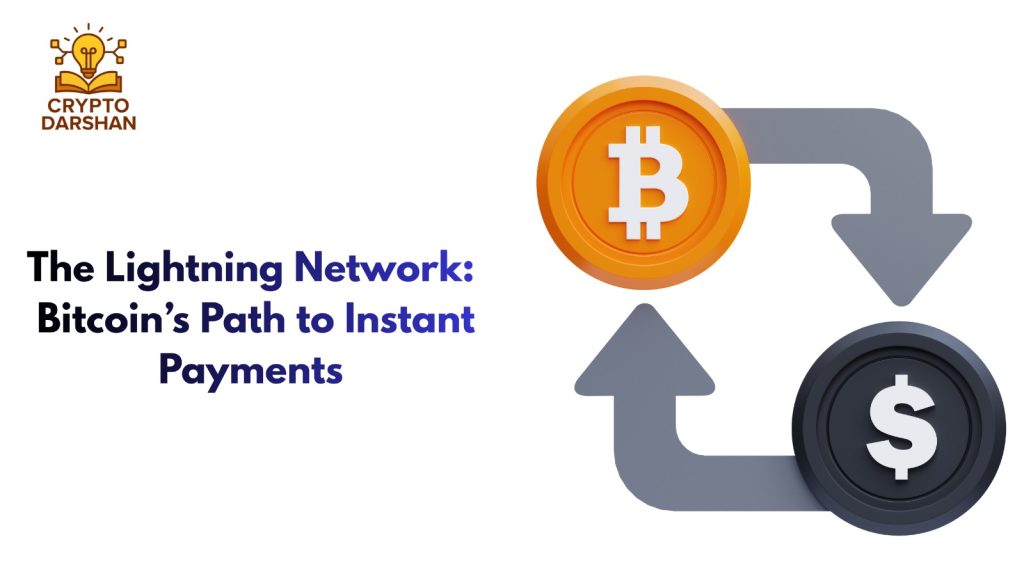
The Lightning Network is the most widely adopted Bitcoin layer and a major step toward scalability. It was designed to solve Bitcoin’s long-standing issues of slow transaction times and high fees.
How It Works
The Lightning Network operates as a second layer on top of Bitcoin. It uses payment channels between users to conduct transactions off-chain. Only the opening and closing of these channels are recorded on the Bitcoin blockchain, while all intermediate transactions occur instantly and privately.
For example, if two users frequently transact, they can open a Lightning channel, deposit Bitcoin into it, and exchange payments instantly without waiting for blockchain confirmations. When they close the channel, the final balance is settled on the main chain.
Benefits
- Speed: Transactions are processed in milliseconds, making Bitcoin suitable for everyday payments.
- Low Fees: Off-chain transactions drastically reduce costs.
- Scalability: The network can handle millions of transactions per second.
- Privacy: Off-chain transactions are not publicly recorded, enhancing user confidentiality.
Real-World Adoption
The Lightning Network is gaining global traction. Payment platforms like Strike, Cash App, and Wallet of Satoshi have integrated Lightning payments, enabling instant Bitcoin transfers. In El Salvador, where Bitcoin is legal tender, the Lightning Network powers daily transactions for merchants and consumers.
As adoption grows, Bitcoin is becoming a practical medium of exchange, not just a store of value. The Lightning Network is paving the way for Bitcoin to serve as a global payment system capable of handling microtransactions, remittances, and cross-border commerce.
The Liquid Network: Bitcoin for Institutions and Traders

The Liquid Network, developed by Blockstream, is a sidechain designed for faster and more confidential Bitcoin transactions. It caters primarily to exchanges, traders, and institutions that require speed, privacy, and flexibility.
How It Works
Liquid operates as a federated sidechain pegged to Bitcoin. Users can move BTC to the Liquid Network by converting it into L-BTC, a token representing Bitcoin on the sidechain. Transactions on Liquid are faster and more private than those on the main chain.
Benefits
- Fast Settlements: Transactions confirm in about two minutes.
- Confidential Transactions: Amounts and asset types are hidden from public view.
- Token Issuance: Users can issue digital assets such as stablecoins, securities, or tokenized commodities.
- Interoperability: Liquid assets can move seamlessly between exchanges and wallets.
Use Cases
The Liquid Network is widely used by exchanges for rapid settlements and by institutions for private transfers. It also supports tokenized assets, enabling the creation of Bitcoin-backed stablecoins and securities. This makes Liquid a key component in Bitcoin’s institutional adoption, bridging traditional finance and blockchain technology.
RSK (Rootstock): Bringing Smart Contracts to Bitcoin
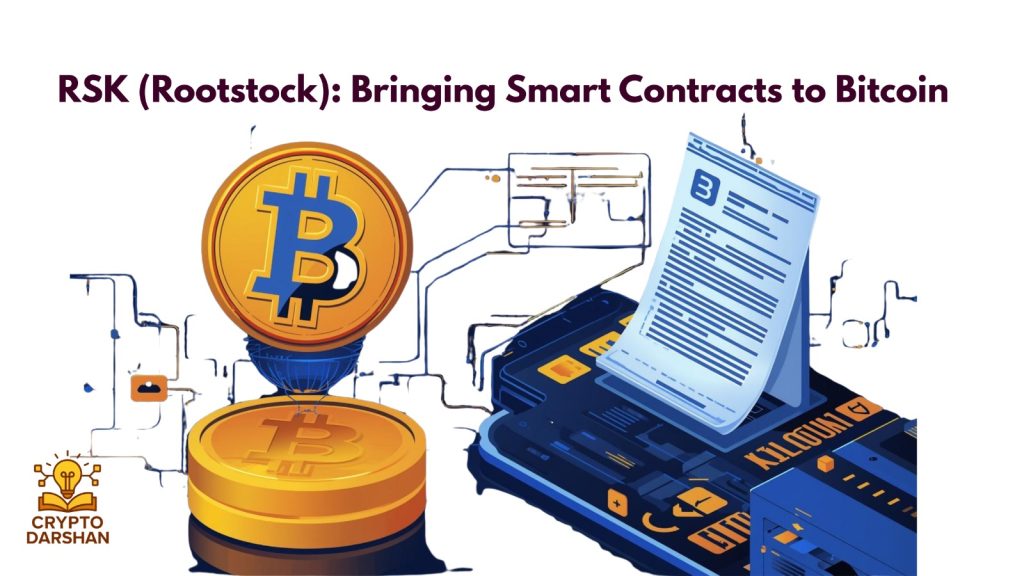
While Bitcoin’s base layer is not designed for complex smart contracts, RSK (Rootstock) bridges that gap. RSK is a smart contract platform that operates as a Bitcoin sidechain, enabling Ethereum-compatible applications on Bitcoin.
How It Works
RSK uses a two-way peg mechanism that allows users to lock BTC on the main chain and receive RBTC on the RSK network. RBTC can then be used to deploy and interact with smart contracts, just as ETH is used on Ethereum.
Benefits
- Smart Contracts: Enables DeFi, NFTs, and dApps on Bitcoin.
- Compatibility: Fully compatible with Ethereum’s Solidity programming language.
- Security: Anchored to Bitcoin’s proof-of-work consensus through merged mining.
- DeFi Ecosystem: Supports decentralized exchanges, lending platforms, and stablecoins.
Use Cases
RSK powers a growing ecosystem of DeFi applications built on Bitcoin. Platforms like Sovryn and Money on Chain use RSK to offer decentralized trading, lending, and stablecoin solutions—all secured by Bitcoin’s network. This integration allows Bitcoin holders to participate in DeFi without leaving the Bitcoin ecosystem.
Stacks: Web3 and Smart Contracts Anchored to Bitcoin

Stacks is another major Bitcoin layer that brings Web3 functionality to the Bitcoin ecosystem. It enables developers to build decentralized applications and smart contracts that settle on Bitcoin.
How It Works
Stacks uses a unique consensus mechanism called Proof of Transfer (PoX), which anchors its transactions to the Bitcoin blockchain. This means every Stacks transaction is ultimately secured by Bitcoin’s proof-of-work.
Benefits
- Smart Contracts: Allows developers to create programmable applications using the Clarity language.
- Web3 Integration: Supports decentralized identity, NFTs, and DAOs on Bitcoin.
- Security: Inherits Bitcoin’s security through PoX anchoring.
- Ecosystem Growth: Encourages innovation while maintaining Bitcoin’s integrity.
Use Cases
Stacks has enabled a new wave of Bitcoin-based Web3 projects. Developers are building decentralized social networks, NFT marketplaces, and identity systems that leverage Bitcoin’s security. This positions Bitcoin as a foundation for the next generation of decentralized internet applications.
The Role of Bitcoin Layers in DeFi

Decentralized Finance (DeFi) has transformed how people interact with money, allowing users to trade, lend, borrow, and earn interest without relying on banks or intermediaries. While Ethereum has been the main hub for DeFi, Bitcoin is now entering this space through its layered architecture. Bitcoin layers such as RSK (Rootstock), Stacks, and the Liquid Network are enabling DeFi applications to operate securely on top of the world’s most trusted blockchain.
Expanding Bitcoin’s Utility Beyond Storage
Traditionally, Bitcoin was seen as a store of value a digital asset to hold rather than use. Bitcoin layers are changing that by unlocking new financial functions. Through these layers, Bitcoin can now be used in lending, borrowing, trading, and yield-generating activities, making it an active part of the decentralized economy.
Smart Contracts on Bitcoin
Bitcoin’s base layer doesn’t support complex smart contracts, but sidechains like RSK and Stacks make this possible.
- RSK allows developers to build Ethereum-compatible DeFi applications using Bitcoin as the underlying asset.
- Stacks introduces smart contracts and decentralized apps (dApps) that settle on Bitcoin, ensuring both programmability and security.
These smart contracts enable automated financial services such as decentralized exchanges (DEXs), lending platforms, and stablecoin systems.
Decentralized Exchanges (DEXs)
Bitcoin layers support DEXs where users can trade assets directly from their wallets without intermediaries. For example, Sovryn, built on RSK, allows Bitcoin holders to trade and earn yield in a decentralized environment. This gives users full control over their funds while maintaining transparency and security.
Lending and Borrowing Platforms
Through Bitcoin layers, users can lend their Bitcoin to earn interest or borrow against it without selling their holdings. Platforms built on RSK and Stacks use smart contracts to automate these processes, removing the need for centralized lenders or credit checks.
Stablecoins and Tokenized Assets
Bitcoin layers also enable the creation of stablecoins digital currencies pegged to fiat values like the US dollar. These stablecoins, issued on networks like Liquid and RSK, provide stability for DeFi users while maintaining Bitcoin’s decentralized foundation. Tokenized assets, such as Bitcoin-backed securities or commodities, can also be traded and used in DeFi protocols.
Yield Generation and Liquidity Pools.
Bitcoin holders can now participate in liquidity pools and yield farming through DeFi platforms built on Bitcoin layers. By providing liquidity to decentralized exchanges or lending protocols, users earn rewards in Bitcoin or other tokens, turning passive holdings into income-generating assets
Security and Trust Anchored to Bitcoin
One of the biggest advantages of Bitcoin-based DeFi is security. All these layers RSK, Stacks, and Liquid anchor their operations to the Bitcoin blockchain. This means that even though transactions occur on secondary layers, they inherit Bitcoin’s proof-of-work security, making them highly resistant to attacks.
Bridging Bitcoin with Other Blockchains
Bitcoin layers are also improving interoperability, allowing Bitcoin to interact with other blockchain ecosystems. Cross-chain bridges enable Bitcoin to be used in DeFi applications on Ethereum, Solana, and other networks, expanding its reach and liquidity across the crypto economy.
Tokenization and Real-World Assets on Bitcoin
Tokenizing real-world assets on Bitcoin presents an innovative approach to bridging the gap between traditional finance and blockchain technology. By converting tangible assets into digital tokens, individuals and businesses can unlock new possibilities for investment, liquidity, and ownership. Tokenization is another frontier where Bitcoin layers are making an impact. Through sidechains like Liquid and RSK, real-world assets such as stocks, bonds, and commodities can be represented as digital tokens on Bitcoin.
Benefits of Tokenization on Bitcoin
- Transparency: All transactions are recorded on a secure, immutable ledger.
- Liquidity: Assets can be traded globally, 24/7.
- Accessibility: Fractional ownership allows broader participation.
- Security: Bitcoin’s blockchain ensures the integrity of tokenized assets.
This capability positions Bitcoin as a foundation for a new era of digital asset markets, where traditional finance and blockchain technology converge.
Interoperability: Connecting Bitcoin with Other Blockchains
What Interoperability Means
Interoperability allows different blockchains to connect and share information. For Bitcoin, it means being able to interact with other networks like Ethereum or Solana, instead of working alone.
Why It’s Important
Bitcoin is the most valuable and secure blockchain, but it can’t easily connect with others. Interoperability enables Bitcoin to be used across DeFi, NFTs, and Web3 apps on other blockchains, increasing its utility.
How It Works
Interoperability happens through bridges, sidechains, and wrapped tokens.
- Bridges lock Bitcoin on its main chain and create a version of it on another blockchain (like Wrapped Bitcoin on Ethereum).
- Sidechains such as RSK and Liquid connect directly to Bitcoin, allowing faster and more flexible transactions.
- Cross-chain protocols help blockchains communicate without needing a middleman.
Bitcoin Layers That Enable Interoperability
- RSK (Rootstock): Connects Bitcoin with Ethereum-style smart contracts and DeFi apps.
- Liquid Network: Allows fast, private Bitcoin transactions and supports tokenized assets.
- Stacks: Anchors Web3 apps and NFTs to Bitcoin’s blockchain for added security.
Benefits of Interoperability
- More Use Cases: Bitcoin can be used in lending, trading, and DeFi platforms.
- Better Liquidity: Bitcoin can move across networks, increasing its activity and value.
- Innovation: Developers can build apps that combine Bitcoin’s security with other blockchains’ flexibility.
- User Freedom: People can use Bitcoin across multiple platforms easily.
Examples in Action
- Wrapped Bitcoin (WBTC): Lets Bitcoin be used in Ethereum’s DeFi ecosystem.
- tBTC: A decentralized bridge that moves Bitcoin to Ethereum safely.
- RSK and Stacks Bridges: Allow Bitcoin to interact with smart contracts and Web3 apps.
The Future of Bitcoin Layers

The future of Bitcoin layers points toward a more scalable, programmable, and interconnected financial ecosystem. As adoption grows, these layers will make Bitcoin faster, cheaper, and more versatile.
While Bitcoin’s Layer-2 solutions improve speed and cost efficiency, the ecosystem is now moving toward Layer-3 architectures that focus on application-specific scaling. These layers build on top of Layer-2 networks to enable advanced use cases like DeFi, gaming, and identity without congesting Bitcoin’s base layer. We explore this progression in detail in Layer-3 Blockchains: The Next Evolution After Layer-2, where Bitcoin’s layered future takes clearer shape.
Key Trends to Watch
- Mass Adoption of Lightning Network: Everyday Bitcoin payments will become mainstream.
- Institutional Growth on Liquid: More financial institutions will use Liquid for settlements and token issuance.
- DeFi Expansion on RSK: Bitcoin-based DeFi will rival Ethereum’s ecosystem.
- Web3 Development on Stacks: Decentralized apps and digital identities will flourish on Bitcoin.
- Cross-Chain Integration: Bitcoin will connect seamlessly with other blockchains, enhancing liquidity and utility.
Over time, Bitcoin will evolve into a full-fledged financial platform one that supports global commerce, decentralized finance, and digital innovation.
Challenges and Considerations

While Bitcoin layers offer immense potential, they also face challenges:
- Complexity: Layered systems can be difficult for new users to understand.
- Security Risks: Sidechains and bridges must maintain strong security to prevent exploits.
- Adoption Barriers: Widespread use requires user-friendly interfaces and education.
- Regulatory Uncertainty: Governments are still defining frameworks for Bitcoin-based financial systems.
Addressing these challenges will be crucial for Bitcoin’s layered ecosystem to achieve mainstream success.
Frequently Asked Questions (FAQ)

1. What does “Bitcoin beyond store of value” mean?
It means Bitcoin is evolving from being just digital gold into a system that supports payments, settlement, and applications through layered scaling solutions.
2. Why can’t Bitcoin scale directly on its base layer?
Bitcoin’s base layer is designed for maximum security and decentralization, not high transaction throughput. Scaling directly on Layer-1 could weaken these core properties.
3. What are Bitcoin layers?
Bitcoin layers are secondary networks built on top of Bitcoin’s base layer that handle transactions, smart contracts, or applications while settling security back to Bitcoin.
4. What is Bitcoin Layer-2?
Layer-2 solutions like the Lightning Network enable fast, low-cost Bitcoin transactions by moving activity off-chain while preserving Bitcoin’s security guarantees.
5. What is Bitcoin Layer-3?
Layer-3 networks build on top of Layer-2 systems to support application-specific use cases such as DeFi, gaming, identity, and advanced financial services.
6. How do Bitcoin layers improve scalability?
By shifting transactions and applications to higher layers, Bitcoin can support millions of users without congesting the base layer or increasing block size.
7. Do Bitcoin layers compromise security?
No. Properly designed layers inherit Bitcoin’s security while isolating risk, allowing experimentation without changing Bitcoin’s core protocol.
8. Can Bitcoin be used for everyday payments?
Yes. With Layer-2 solutions, Bitcoin can be used for instant, low-fee payments, making it practical for daily transactions.
Conclusion
Bitcoin’s journey from a simple peer-to-peer currency to a global financial platform is well underway. The rise of Bitcoin layers marks a new chapter in its evolution one where scalability, programmability, and interoperability redefine what Bitcoin can do.
Through innovations like the Lightning Network, Liquid, RSK, and Stacks, Bitcoin is becoming more than a store of value. It is transforming into a programmable, decentralized infrastructure capable of powering payments, DeFi, tokenization, and Web3 applications.
As these layers mature, Bitcoin will not only preserve wealth but also move it securely, instantly, and without intermediaries. The future of Bitcoin layers is the future of digital finance itself: open, borderless, and built on the most secure blockchain in the world.