

Best cryptocurrency for long-term growth. The cryptocurrency sector continues to grow and evolve, offering excellent potential for long-term investors. While short-term cryptocurrency trading can be dangerous and unpredictable, long-term investing prioritizes projects with strong fundamentals, real-world applications, and future adoption potential.
This Guide explains the best cryptocurrencies to buy now for long-term growth, helping investors determine which digital assets are likely to outperform over the next 5-10 years. It discusses reputable cryptocurrencies, burgeoning initiatives, investment techniques, and future trends influencing the cryptocurrency sector.
Understanding Long-Term growth of Cryptocurrency Investment
Long-term cryptocurrency investment, often called HODLing, means buying crypto assets and holding them for several years instead of trading daily. The goal is to benefit from the long-term growth of blockchain technology and global crypto adoption. In this approach, short-term price fluctuations and quick gains as a back seat. The investor is focused on long-term growth potential and is prepared to hold onto their assets for years.
Many successful crypto investors focus on projects that solve real problems, have active development teams, and are supported by strong communities.
Key Factors for Long-Term growth of Crypto Investment
- Strong Fundamentals
A solid project with a clear use case, active development team, and transparent roadmap. - Adoption Potential
The likelihood of real-world usage and integration into mainstream financial systems. - Community Support
A strong, engaged community that drives awareness and adoption. - Regulatory Compliance
Projects that align with global regulations are more likely to survive long-term. - Technological Innovation
Cryptocurrencies that solve real problems or improve existing systems tend to have better longevity.
Top Cryptocurrencies for Long-Term Growth.
1. Bitcoin (BTC)

Market Position: The first and most recognized cryptocurrency.
Use Case: Digital gold and store of value.
Market Cap: Over $1 trillion (as of 2025).
Bitcoin remains the cornerstone of the cryptocurrency market. It was created in 2009 by the pseudonymous Satoshi Nakamoto and has since become the benchmark for digital assets. Its limited supply of 21 million coins ensures scarcity, making it a hedge against inflation and fiat currency devaluation.
Even top-performing cryptocurrencies are not immune to sudden price swings. Understanding why crypto markets are highly volatile helps long-term investors make informed decisions.
Why Bitcoin is a Strong Long-Term Investment:
- Institutional adoption continues to rise, with major companies and funds holding BTC as part of their portfolios.
- Bitcoin ETFs and regulatory clarity in several countries have increased accessibility.
- The upcoming Bitcoin halving event (expected in 2028) will further reduce supply, historically leading to price appreciation.
Risks:
- High energy consumption due to proof-of-work mining.
- Market volatility and potential regulatory challenges.
2. Ethereum (ETH)

Market Position: The leading smart contract platform.
Use Case: Decentralized applications (dApps), DeFi, NFTs, and more.
Market Cap: Over $500 billion (as of 2025).
Ethereum revolutionized blockchain technology by introducing programmable smart contracts. It serves as the foundation for thousands of decentralized applications and tokens. The transition to Ethereum 2.0 and the proof-of-stake consensus mechanism has significantly improved scalability and energy efficiency.
Why Ethereum is a Strong Long-Term Investment:
- Dominant position in decentralized finance (DeFi) and non-fungible tokens (NFTs).
- Continuous upgrades through the Ethereum Improvement Proposals (EIPs).
- Strong developer community and institutional interest.
Risks:
- Competition from newer blockchains offering faster and cheaper transactions.
- Potential scalability issues if network demand surges.
3. Solana (SOL)

Market Position: High-performance blockchain for decentralized applications.
Use Case: DeFi, NFTs, and Web3 projects.
Market Cap: Approximately $80 billion (as of 2025).
Solana is known for its lightning-fast transaction speeds and low fees. It uses a unique consensus mechanism called Proof of History (PoH) combined with Proof of Stake (PoS), enabling it to process thousands of transactions per second.
Why Solana is a Strong Long-Term Investment:
- Rapidly growing ecosystem with strong developer adoption.
- Increasing number of partnerships with major Web3 and gaming projects.
- Scalability and low transaction costs make it ideal for mass adoption.
Risks:
- Network outages have raised concerns about reliability.
- Centralization concerns due to validator distribution.
4. Cardano (ADA)

Market Position: Research-driven blockchain platform.
Use Case: Smart contracts, identity management, and decentralized applications.
Market Cap: Around $60 billion (as of 2025).
Cardano was developed with a scientific approach, emphasizing peer-reviewed research and formal verification. It aims to provide a secure and scalable infrastructure for decentralized applications and financial inclusion.
Why Cardano is a Strong Long-Term Investment:
- Strong academic foundation and transparent development process.
- Focus on sustainability and interoperability.
- Growing adoption in developing countries for identity and financial systems.
Risks:
- Slow development pace compared to competitors.
- Limited number of high-traffic dApps currently deployed.
5. Avalanche (AVAX)

Market Position: High-speed blockchain platform for DeFi and enterprise solutions.
Use Case: Smart contracts, DeFi, and custom blockchain networks.
Market Cap: Around $40 billion (as of 2025).
Avalanche offers a highly scalable and interoperable blockchain ecosystem. Its consensus mechanism allows for near-instant transaction finality, making it attractive for developers and enterprises.
Why Avalanche is a Strong Long-Term Investment:
- High throughput and low latency.
- Strong partnerships with major DeFi projects.
- Ability to create custom subnets for specific use cases.
Risks:
- Competition from Ethereum and Solana.
- Market dependency on DeFi growth.
6. Polkadot (DOT)

Market Position: Interoperability-focused blockchain network.
Use Case: Connecting multiple blockchains for seamless data and asset transfer.
Market Cap: Around $30 billion (as of 2025).
Polkadot aims to create a multi-chain ecosystem where different blockchains can communicate and share information securely. Its parachain architecture allows for scalability and flexibility.
Why Polkadot is a Strong Long-Term Investment:
- Unique interoperability model that connects diverse blockchains.
- Strong developer community and ecosystem growth.
- Backed by the Web3 Foundation and led by Ethereum co-founder Gavin Wood.
Risks:
- Complexity of the parachain model may slow adoption.
- Competition from other interoperability projects like Cosmos.
7. Chainlink (LINK)
Market Position: Leading decentralized oracle network.
Use Case: Connecting smart contracts with real-world data.
Market Cap: Around $20 billion (as of 2025).
Chainlink plays a crucial role in the blockchain ecosystem by enabling smart contracts to access external data sources securely. It is widely used across DeFi, insurance, and gaming applications.
Why Chainlink is a Strong Long-Term Investment:
- Essential infrastructure for smart contract functionality.
- Expanding partnerships with major blockchain networks.
- Continuous innovation through Chainlink 2.0 and staking mechanisms.
Risks:
- Dependence on the growth of smart contract adoption.
- Competition from emerging oracle solutions.
8. Polygon (MATIC)

Market Position: Layer-2 scaling solution for Ethereum.
Use Case: Improving Ethereum’s scalability and reducing transaction costs.
Market Cap: Around $25 billion (as of 2025).
Polygon enhances Ethereum’s performance by providing faster and cheaper transactions through sidechains and rollups. It has become a preferred platform for developers seeking scalability without leaving the Ethereum ecosystem.
Why Polygon is a Strong Long-Term Investment:
- Strong integration with Ethereum and major DeFi projects.
- Continuous innovation with zk-rollups and modular scaling solutions.
- Growing adoption by enterprises and Web3 developers.
Risks:
- Dependence on Ethereum’s long-term success.
- Increasing competition from other Layer-2 solutions.
9. Cosmos (ATOM)

Market Position: Internet of blockchains.
Use Case: Enabling interoperability between independent blockchains.
Market Cap: Around $15 billion (as of 2025).
Cosmos focuses on creating an interconnected blockchain ecosystem where different networks can communicate seamlessly. Its Inter-Blockchain Communication (IBC) protocol is a key innovation in achieving interoperability.
Why Cosmos is a Strong Long-Term Investment:
- Pioneering interoperability technology.
- Growing ecosystem of connected blockchains.
- Strong developer support and community engagement.
Risks:
- Competition from Polkadot and other interoperability projects.
- Complexity in cross-chain communication.
10. Arbitrum (ARB)

Market Position: Leading Layer-2 scaling solution for Ethereum.
Use Case: Enhancing Ethereum’s scalability and reducing gas fees.
Market Cap: Around $10 billion (as of 2025).
Arbitrum uses optimistic rollups to process transactions off-chain, significantly improving Ethereum’s performance. It has become one of the most popular Layer-2 solutions for DeFi and NFT projects.
Why Arbitrum is a Strong Long-Term Investment:
- High adoption rate among Ethereum-based projects.
- Strong developer ecosystem and continuous upgrades.
- Lower transaction costs and faster processing times.
Risks:
- Dependence on Ethereum’s network.
- Competition from other Layer-2 solutions like Optimism and zkSync.
Emerging Cryptocurrencies with High Growth Potential

While established cryptocurrencies dominate the market, several emerging projects show promise for long-term growth. These include:
- Aptos (APT): Focused on scalability and developer-friendly infrastructure.
- Sui (SUI): Built for high-performance decentralized applications.
- Render (RNDR): Decentralized GPU rendering network for AI and 3D graphics.
- Immutable X (IMX): Layer-2 solution for NFTs and gaming.
- Near Protocol (NEAR): Scalable blockchain with user-friendly development tools.
These projects are still in their growth phase but have strong technological foundations and growing ecosystems.
How to Choose The Best Cryptocurrency for Long-Term Investment
Selecting the best cryptocurrency for long-term growth requires careful research and strategic planning. Consider the following steps:
- Evaluate the Project’s Vision and Use Case: Understand the problem it solves and its potential market size.
- Analyze the Team and Partnerships: Strong leadership and credible partnerships indicate long-term viability.
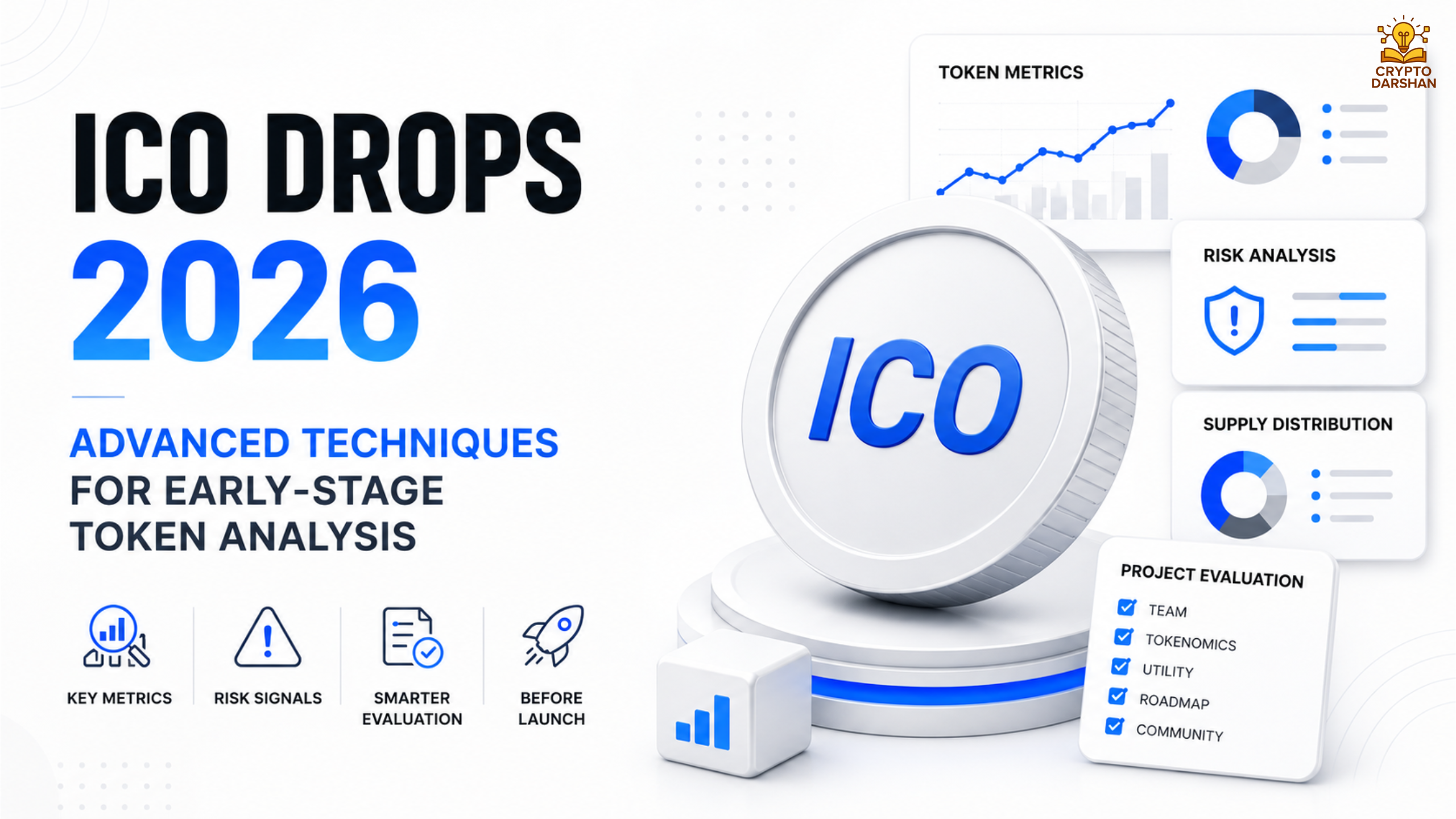
- Review Tokenomics: Assess supply, distribution, and inflation rate.
- Check Community and Developer Activity: Active communities and frequent updates signal a healthy project.
- Monitor Regulatory Developments: Compliance with global regulations ensures sustainability.
- Diversify Investments: Spread risk across multiple projects to balance potential returns.
The Future of Cryptocurrency Investment

The future of cryptocurrency investment looks promising as blockchain technology continues to disrupt traditional industries. Key trends shaping the next decade include:
- Institutional Adoption: More financial institutions are integrating crypto assets into their portfolios.
- Regulatory Clarity: Governments are developing frameworks that encourage innovation while protecting investors.
- Integration with AI and IoT: Blockchain will play a vital role in securing data and automating transactions.
- Growth of Web3: Decentralized internet applications will drive mass adoption.
- Sustainability Focus: Eco-friendly consensus mechanisms will attract environmentally conscious investors.
Conclusion
Investing in cryptocurrency for long-term growth requires patience, research, and a clear understanding of market dynamics. Bitcoin and Ethereum remain the foundational assets for any portfolio, while emerging projects like Solana, Cardano, and Avalanche offer high growth potential. Layer-2 solutions such as Polygon and Arbitrum enhance scalability, and interoperability projects like Polkadot and Cosmos pave the way for a connected blockchain ecosystem.
Diversification, continuous learning, and staying updated with technological advancements are essential for maximizing returns. As blockchain adoption accelerates globally, the next decade could mark a transformative era for long-term cryptocurrency investors.