
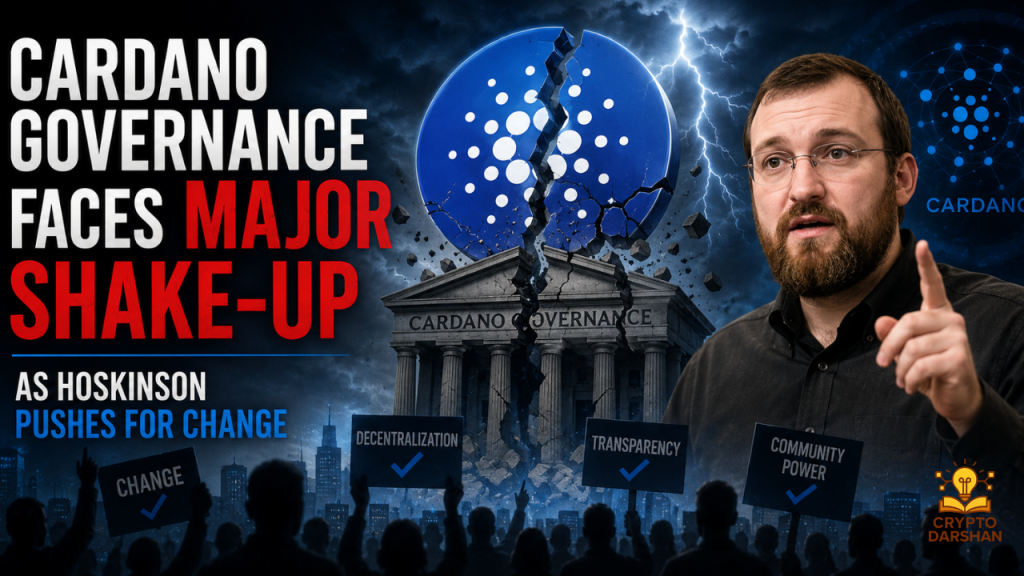
Cardano is back in the spotlight after Charles Hoskinson signaled that the project may need a serious governance overhaul. The move comes at a time when internal tensions are drawing more attention to how decisions are made inside the Cardano ecosystem. For a network that has long promoted decentralization and community control, this discussion could shape its next major phase.
Hoskinson’s comments matter because governance is not a side issue in blockchain. It is one of the most important parts of any decentralized network. Governance decides who gets to vote, how proposals are approved, how funds are used, and how the project moves forward. In Cardano’s case, these questions are now becoming more urgent as the network grows and faces new pressure from the community.
Why Cardano Governance Is Under Pressure
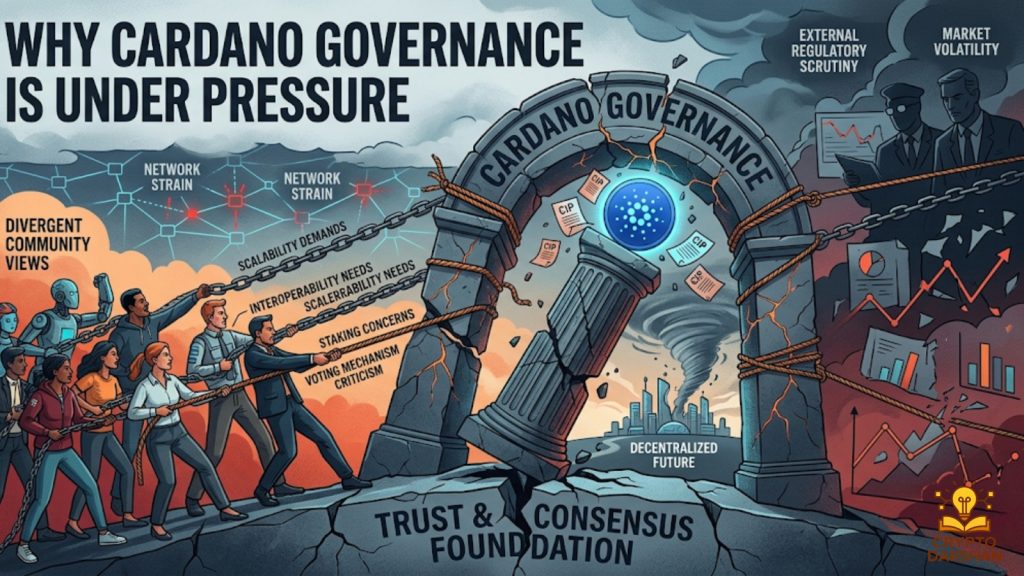
Cardano has been building toward a more community-driven model for years. The idea is simple: instead of one central group making all the decisions, more power should move to token holders and network participants. That approach sounds ideal, but in practice, it can also create delays, disagreements, and competing priorities.
This is where the current tension appears to be growing. As different groups within the ecosystem push for their own ideas, the process of reaching agreement becomes harder. Some members want faster progress. Others want stricter rules. Some want more flexibility, while others want more structure. When that happens, governance can become a source of friction instead of a source of strength.
Hoskinson’s push for change suggests that Cardano may need a better balance between decentralization and coordination. If the system is too loose, important decisions can stall. If it is too rigid, the project may lose the community spirit that makes it unique. Finding the middle ground is now one of Cardano’s biggest challenges.
What A Governance Overhaul Could Mean
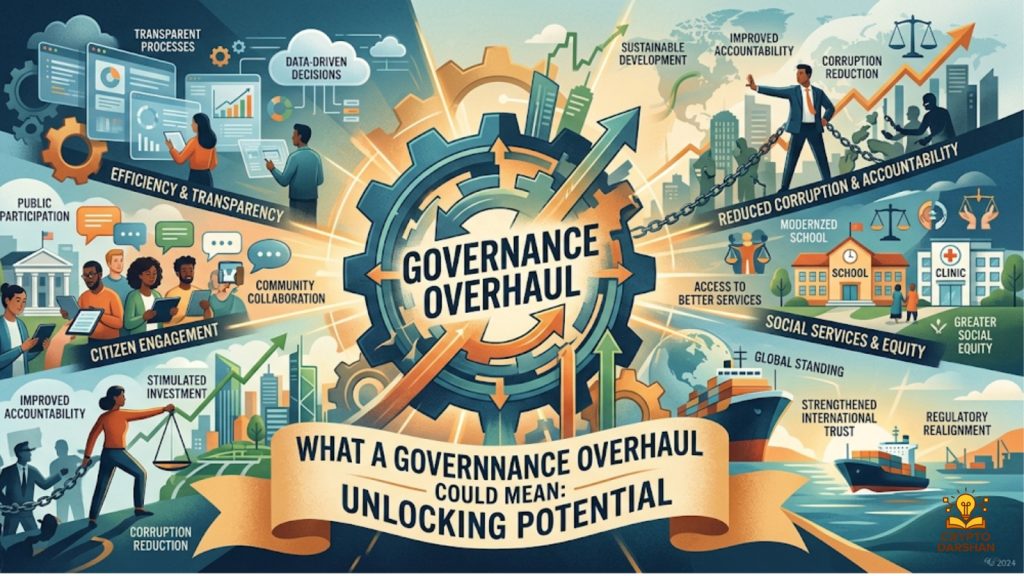
A governance overhaul does not necessarily mean a complete reset. More likely, it means improving the system so decisions can be made more clearly and efficiently. That could include stronger voting rules, better proposal standards, clearer responsibilities for committees, and more transparent processes for treasury use.
Cardano has already taken steps in this direction through constitutional updates and governance-related actions. Those changes show that the project is not starting from zero. Still, Hoskinson’s latest signals suggest that the current setup may need more refinement if Cardano wants to keep moving forward without constant conflict.
For users and holders, the key question is whether these changes will make Cardano more effective. A stronger governance structure could help the network act faster, support builders better, and improve long-term trust. But if the debate drags on, it could also create uncertainty and slow momentum.
Why This Matters For ADA
For ADA investors, governance may not sound as exciting as price action, but it often has a real impact on market confidence. When a project shows strong leadership and clear decision-making, it usually feels more stable to the market. When governance looks messy, investors often worry about delays, missed opportunities, or internal conflict.
That is why Hoskinson’s comments are important beyond just the Cardano community. They may influence how traders, developers, and long-term holders view the network’s future. If Cardano can handle this phase well, it may improve its reputation as one of the most serious and structured blockchain ecosystems in crypto.
At the same time, the current debate also shows that Cardano is still evolving. That is not necessarily a bad thing. In fact, many successful blockchain projects go through difficult governance phases before they mature. The important part is whether the community can turn disagreement into progress.
What Comes Next
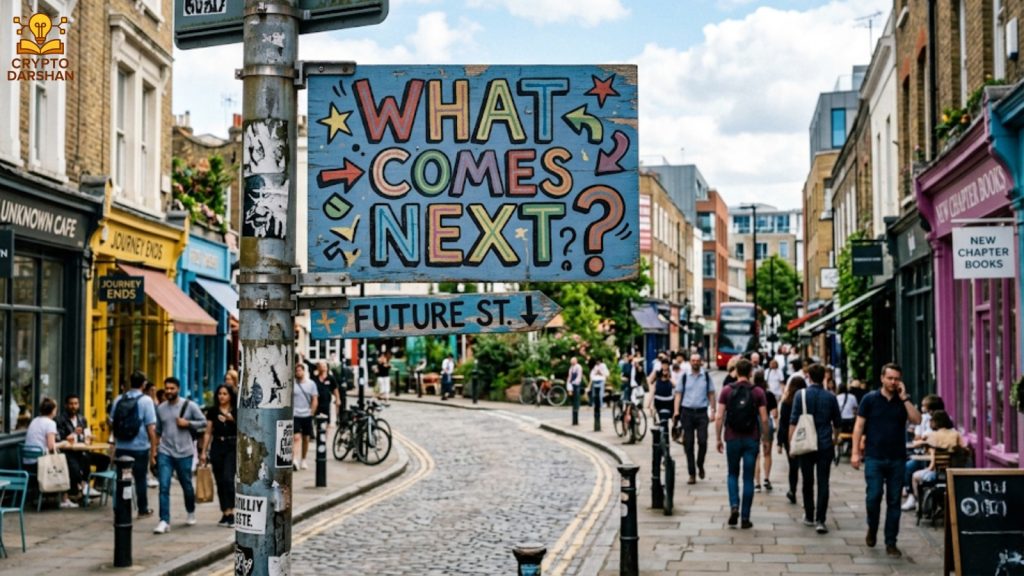
The next few months could be important for Cardano. Watch for new proposals, constitutional discussions, committee actions, and updated statements from major ecosystem leaders. These developments will show whether the governance overhaul is just a warning sign or the start of a real restructuring effort.
In the bigger picture, Cardano is trying to prove that decentralized governance can work at scale. That is a difficult goal, but it is also one of the ideas that makes blockchain technology powerful in the first place. If Cardano gets this right, it could strengthen both the network and the confidence of its community.