
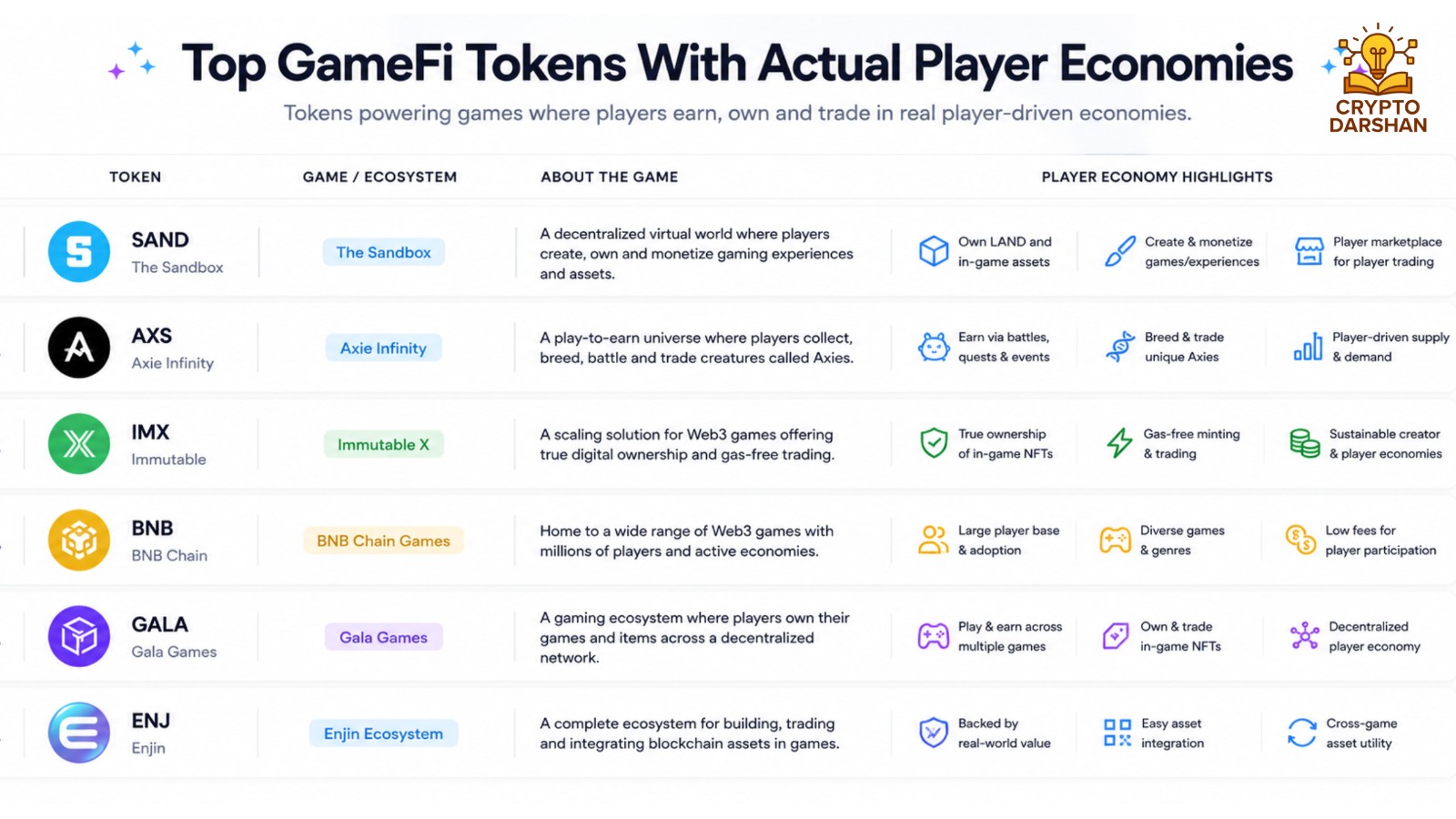
The world of blockchain gaming has evolved far beyond simple play-to-earn models. Today, GameFi Tokens represent a new era of digital economies where players, developers, and investors interact in a shared ecosystem. These tokens are not just speculative assets; they power real in-game economies, reward participation, and enable ownership of digital assets. This article explores the top GameFi Tokens with actual player-driven economies, explaining how they work, their unique features, and why they stand out in the growing GameFi landscape.
What Are GameFi Tokens?
Understanding GameFi
GameFi is a combination of “gaming” and “finance.” It refers to blockchain-based games that incorporate financial elements, allowing players to earn cryptocurrency and NFTs through gameplay.
Understanding GameFi tokens
GameFi Tokens are digital currencies used within blockchain-based games. They combine gaming and decentralized finance (DeFi) to create ecosystems where players can earn, trade, and invest. These tokens often serve multiple purposes, such as:
- In-game currency: Used to buy items, upgrades, or characters.
- Governance token: Allows players to vote on game updates or ecosystem changes.
- Staking and rewards: Players can stake tokens to earn passive income.
- NFT integration: Tokens can be used to mint or trade non-fungible tokens representing in-game assets.
Unlike traditional gaming currencies, GameFi Tokens have real-world value and can be traded on decentralized or centralized exchanges. This gives players true ownership of their digital assets and the ability to profit from their time and skill. Some GameFi ecosystems develop highly loyal communities that resemble the intense tribal culture often seen across crypto projects.
The Rise of GameFi and Player Economies
The GameFi sector has grown rapidly since 2020, driven by the success of blockchain games like Axie Infinity and The Sandbox. These games introduced the concept of play-to-earn, where players could earn GameFi Tokens by completing tasks, battling opponents, or trading NFTs.
However, early GameFi projects faced sustainability issues. Many relied on speculative tokenomics, leading to inflation and declining player interest. The new generation of GameFi Tokens focuses on sustainable player economies, where value is created through gameplay, community engagement, and real utility rather than speculation. Many GameFi projects are also turning to scalable solutions like Polygon zkEVM to reduce transaction costs and improve gameplay speed.
A true player economy means that the game’s ecosystem can sustain itself through player activity, marketplace transactions, and token circulation.
The following sections highlight the top GameFi Tokens that have achieved this balance.
1. Axie Infinity (AXS & SLP)
Overview
Axie Infinity is one of the pioneers of the GameFi movement. It introduced millions to blockchain gaming through its dual-token economy: AXS (Axie Infinity Shards) and SLP (Smooth Love Potion).
Token Utility
- AXS: Used for governance, staking, and breeding Axies.
- SLP: Earned through gameplay and used for breeding new Axies.
Player Economy
Axie Infinity’s economy revolves around player activity. Players earn SLP by winning battles and can use it to breed new Axies, which can then be sold in the marketplace. The introduction of AXS staking also allows long-term holders to earn rewards, creating a sustainable loop between players and investors.
Why It Works
Axie Infinity’s success lies in its community-driven model and continuous updates. The developers have introduced new features like Axie Origins and Land gameplay to diversify earning opportunities and stabilize the economy.
2. The Sandbox (SAND)
Overview
The Sandbox is a virtual metaverse where players can create, own, and monetize their gaming experiences using SAND, its native GameFi Token.
Token Utility
- SAND: Used for transactions, staking, and governance.
- LAND NFTs: Represent virtual real estate that players can buy and develop.
Player Economy
The Sandbox empowers creators to design games, experiences, and assets that can be sold or rented to other players. The SAND token fuels this economy by enabling payments for LAND, assets, and services. Players can also earn SAND by participating in events or staking.
Why It Works
The Sandbox’s economy thrives on user-generated content. By giving creators ownership and monetization rights, it ensures continuous engagement and value creation. The integration of brands and celebrities further boosts its ecosystem.
3. Decentraland (MANA)
Overview
Decentraland is a decentralized virtual world powered by the MANA token. It allows users to explore, build, and trade in a 3D metaverse. Decentraland uses the blockchain (Ethereum), a native token (MANA) and NFTs. This combination enables Decentraland to operate on a decentralized basis.
Token Utility
- MANA: Used to purchase LAND, wearables, and services.
- LAND NFTs: Represent parcels of virtual real estate.
Player Economy
Decentraland’s economy is built around virtual real estate. Players can buy LAND using MANA, develop it into experiences or businesses, and earn revenue from visitors. The marketplace allows trading of wearables, art, and collectibles, all powered by MANA.
Why It Works
Decentraland’s open-world structure and DAO governance give players full control over the ecosystem. The continuous development of events, concerts, and exhibitions keeps the economy active and player-driven.
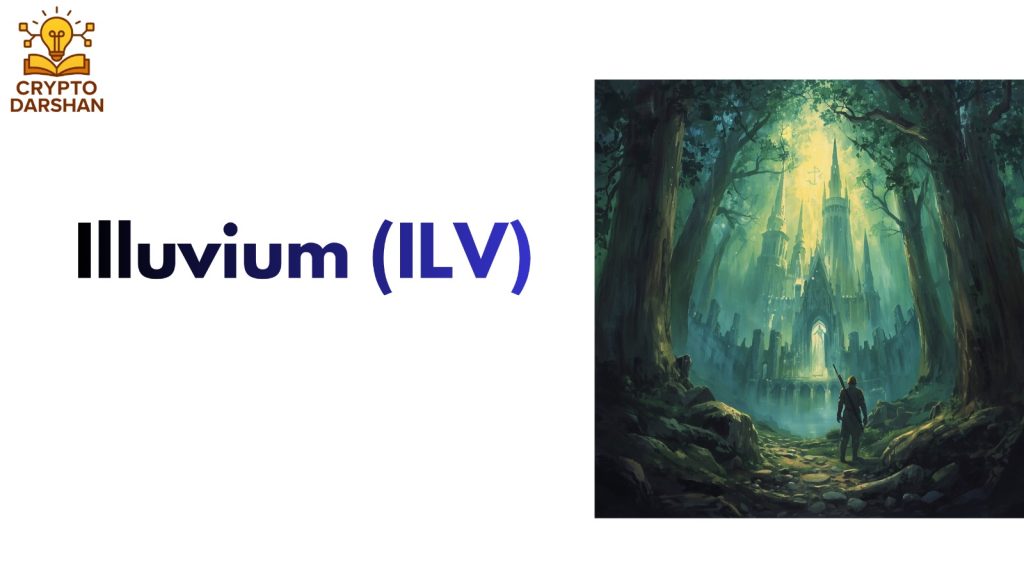
4. Illuvium (ILV)
Overview
Illuvium is a high-quality RPG and auto-battler game built on Ethereum. Its GameFi Token, ILV, powers a sophisticated player economy.
Token Utility
- ILV: Used for governance, staking, and rewards.
- sILV: A synthetic version used for in-game purchases.
Player Economy
Players capture creatures called Illuvials, which can be traded as NFTs. The ILV token rewards players for participating in battles, tournaments, and staking pools. The game’s DAO structure ensures that players influence future updates and token distribution.
Why It Works
Illuvium’s focus on AAA-quality gameplay and sustainable tokenomics sets it apart. The dual-token system prevents inflation, while staking rewards encourage long-term participation.
5. Gala Games (GALA)
Overview
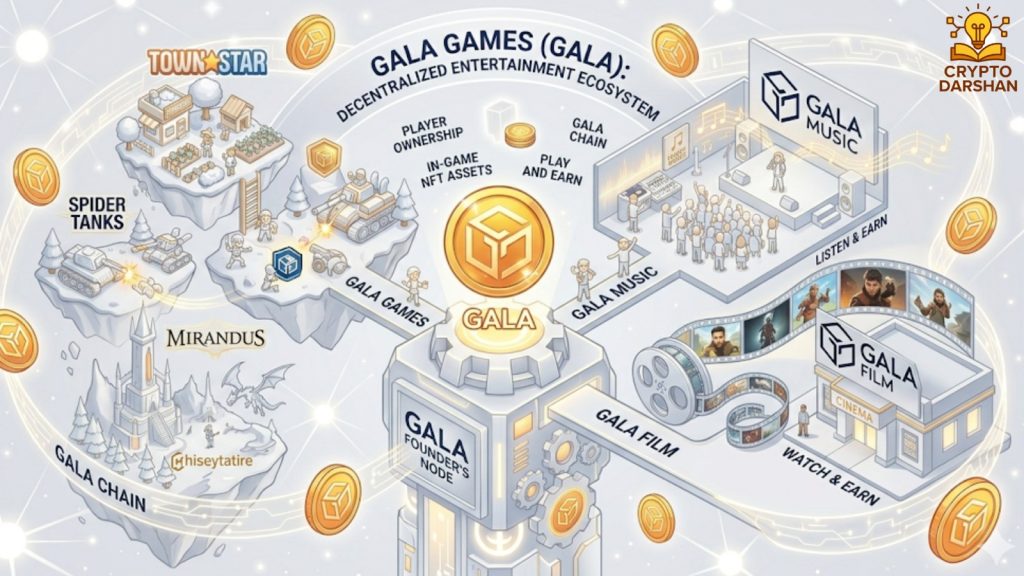
Gala Games is a decentralized gaming platform that supports multiple blockchain games. Its GALA token serves as the backbone of its ecosystem.
Token Utility
- GALA: Used for in-game purchases, governance, and rewards.
- Node rewards: Players can run nodes to earn GALA tokens.
Player Economy
Each game within the Gala ecosystem has its own economy, but all are connected through the GALA token. Players earn GALA by playing, hosting nodes, or trading NFTs. This multi-game approach diversifies the economy and reduces dependency on a single title. Beyond finance, blockchain technology is also reshaping gaming through GameFi platforms with real player-owned economies.
Why It Works
Gala Games focuses on giving players ownership and control. The node system decentralizes the network, while the variety of games ensures continuous token utility and demand.
6. Star Atlas (ATLAS & POLIS)
Overview
Star Atlas is a space-themed metaverse that combines strategy, exploration, and economics. It uses two GameFi Tokens: ATLAS and POLIS.
Token Utility
- ATLAS: Used for in-game transactions, ship purchases, and upgrades.
- POLIS: Serves as a governance token for the Star Atlas DAO.
Player Economy
Players can explore space, mine resources, and engage in battles. The ATLAS token fuels the in-game economy, while POLIS allows players to influence political and economic decisions. The dual-token model ensures a balance between gameplay and governance.
Why It Works
Star Atlas integrates complex economic systems, including resource management and territorial control. This creates a dynamic player economy where strategy and collaboration determine success.
7. My Neighbor Alice (ALICE)
Overview
My Neighbor Alice is a multiplayer builder game inspired by titles like Animal Crossing. Its GameFi Token, ALICE, powers the in-game economy.
Token Utility
- ALICE: Used for buying land, items, and participating in governance.
- Staking: Players can stake ALICE to earn rewards.
Player Economy
Players can buy and develop virtual islands, trade NFTs, and participate in community events. The ALICE token ensures that all transactions and rewards are decentralized and transparent.
Why It Works
The game’s casual and social nature attracts a broad audience. Its economy is designed to be accessible, with low entry barriers and multiple earning opportunities.
8. Gods Unchained (GODS)
Overview
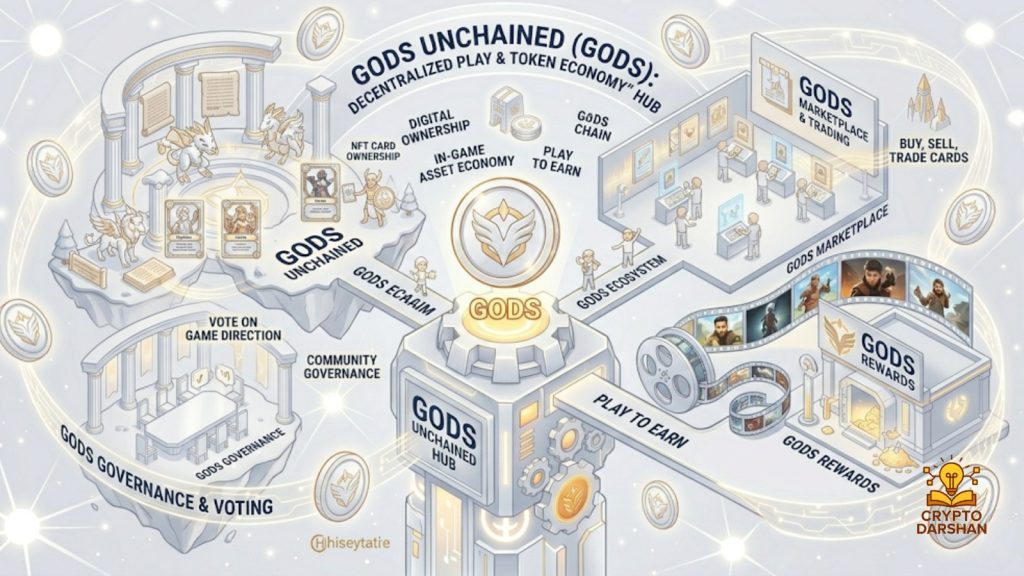
Gods Unchained is a blockchain-based trading card game that rewards players with GODS tokens.
Token Utility
- GODS: Used for crafting cards, staking, and governance.
- NFT Cards: Represent unique, tradable assets.
Player Economy
Players earn GODS tokens by winning matches and participating in tournaments. These tokens can be used to mint new cards or traded on marketplaces. The game’s free-to-play model ensures accessibility while maintaining a robust economy.
Why It Works
Gods Unchained combines competitive gameplay with true asset ownership. The tokenomics encourage skill-based earning rather than speculation.
9. Alien Worlds (TLM)
Overview
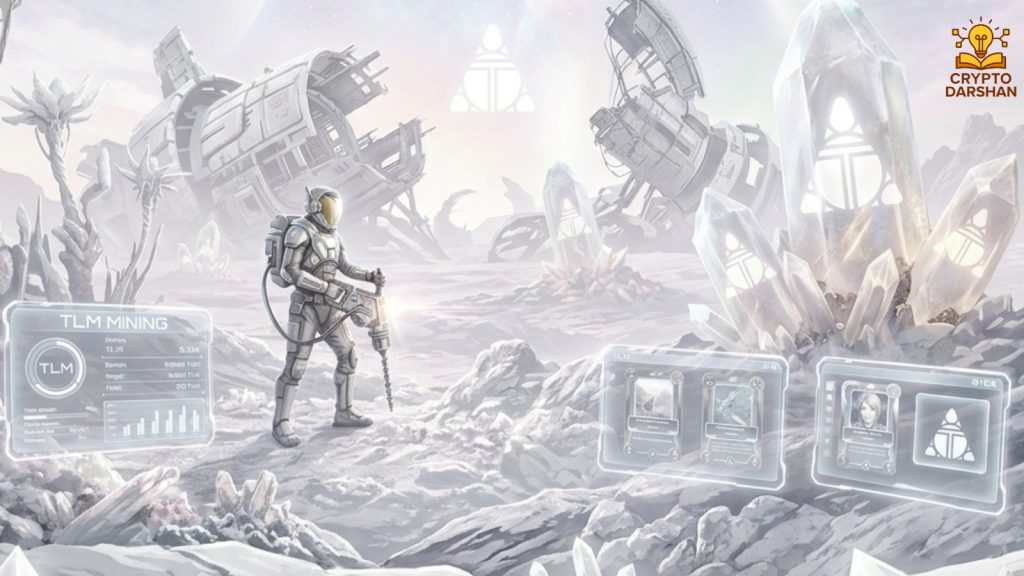
Alien Worlds is a decentralized metaverse where players mine resources, explore planets, and compete for dominance using the TLM (Trilium) token.
Token Utility
- TLM: Used for mining, staking, and governance.
- NFTs: Represent tools, land, and avatars.
Player Economy
Players can mine TLM, stake it to planets, and earn rewards based on their contributions. The planetary DAOs allow players to influence local economies and policies.
Why It Works
Alien Worlds’ multi-planet structure creates interconnected economies. Each planet operates semi-independently, fostering competition and collaboration among players.
10. Big Time (BIGTIME)
Overview
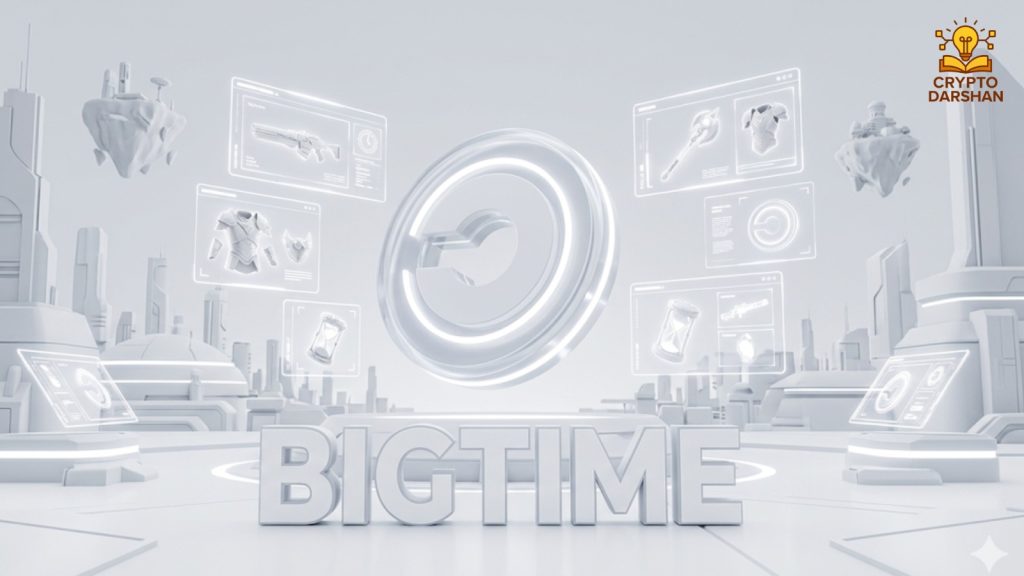
Big Time is an action RPG that combines fast-paced gameplay with NFT-based economies. Its BIGTIME token powers the ecosystem.
Token Utility
- BIGTIME: Used for crafting, upgrading, and trading NFTs.
- Cosmetic NFTs: Represent unique in-game items.
Player Economy
Players earn BIGTIME tokens by completing missions and defeating enemies. These tokens can be used to craft or upgrade NFTs, which can then be sold in the marketplace. The game’s design ensures that token value is tied to player activity and demand for items.
Why It Works
Big Time focuses on gameplay first, ensuring that the economy grows organically. The limited supply of cosmetic NFTs adds scarcity and value to the ecosystem.
How to Evaluate GameFi Tokens for Investment
Now that you’ve seen examples of successful GameFi tokens, here’s how to evaluate new projects:
Check Daily Active Users
The most important metric for GameFi tokens is consistent daily active users (DAU). Look for:
- Transparent reporting of DAU numbers
- Consistent or growing users over months
- Users who play regularly, not just once
- Geographic diversity in the player base
Projects that hide their user numbers are usually hiding poor performance.
Analyze Token Economics
Sustainable GameFi tokens have balanced token economics:
Token Supply: Is supply capped or unlimited? How are new tokens created?
Token Demand: What creates demand for the token beyond speculation?
Burning Mechanisms: Are tokens removed from circulation through gameplay?
Reward Rates: Can the game sustain current reward rates long-term?
Vesting Schedules: When do team and investor tokens unlock?
Evaluate Gameplay Quality
The best GameFi tokens are backed by genuinely fun games:
- Can you play the game yourself?
- Would people play without earning?
- Are the graphics and mechanics polished?
- Is there strategic depth or just clicking?
- Do players engage for hours or minutes?
If the game isn’t fun, the economy won’t last.
Research the Team
Successful GameFi tokens have experienced teams:
- Do team members have gaming industry experience?
- Have they shipped products before?
- Are they transparent and communicative?
- Do they have sufficient funding?
- What’s their track record?
Anonymous teams or teams with no gaming experience are red flags.
Look for Real Partnerships
Legitimate GameFi tokens often have partnerships with:
- Established gaming companies
- Major brands
- Blockchain infrastructure providers
- Investment firms with gaming focus
Be skeptical of partnerships that are just “advisors” or vague “collaborations.”
Check Community Health
Healthy communities around GameFi tokens show:
- Active discussion about gameplay, not just price
- Players sharing strategies and experiences
- Constructive criticism welcomed
- Diverse geographic representation
- Organic growth, not just paid promotion
Toxic communities or those focused only on price are warning signs.
The Future of GameFi Tokens and Player Economies
The future of GameFi Tokens and player economies is evolving rapidly as blockchain technology matures and gaming communities demand more sustainable, engaging, and rewarding ecosystems. The next phase of GameFi will focus on long-term value creation, player empowerment, and real-world integration. Below are six key points that explain how the future of GameFi Tokens and player economies is shaping up.
1. Interoperability Across Games and Platforms
The next generation of GameFi Tokens will not be confined to a single game or ecosystem. Interoperability will allow players to use their tokens and NFTs across multiple games, platforms, and metaverses. This means that assets earned in one game could have value and utility in another, creating a connected network of digital economies.
For example, a player could use a sword NFT from one RPG in another compatible game or trade it for tokens usable in a different metaverse. This cross-platform functionality will increase the liquidity and utility of GameFi Tokens, making them more valuable and versatile.
2. Sustainable Tokenomics and Economic Balance
Early GameFi projects often suffered from inflationary token models that rewarded early adopters but failed to sustain long-term growth. The future will focus on sustainable tokenomics, where supply and demand are carefully balanced.
Developers are now designing systems that reward active participation rather than speculation. Mechanisms like token burning, staking, and dynamic reward adjustments will help maintain economic stability. This ensures that GameFi Tokens retain their value over time and that player economies remain healthy and self-sustaining.
3. DAO Governance and Player Empowerment
Decentralized Autonomous Organizations (DAOs) will play a major role in the governance of future GameFi ecosystems. Players will have voting rights through GameFi Tokens, allowing them to influence game updates, token distribution, and community initiatives.
This shift toward player governance ensures transparency and fairness. It also strengthens community engagement, as players become stakeholders in the game’s success. The DAO model transforms players from passive participants into active decision-makers, aligning their interests with the long-term growth of the ecosystem.
4. Integration of Real-World Value and Partnerships
The boundary between virtual and real economies is becoming increasingly blurred. Future GameFi Tokens will integrate with real-world brands, events, and marketplaces. Partnerships with entertainment companies, sports organizations, and retail brands will expand the utility of tokens beyond gaming.
For instance, players might use their tokens to purchase real-world merchandise, attend exclusive events, or access brand-sponsored experiences. This integration will enhance the perceived value of GameFi Tokens and attract mainstream audiences to blockchain gaming.
5. Enhanced Gameplay and User Experience
The success of future GameFi projects will depend on gameplay quality rather than just earning potential. Developers are shifting focus from “play-to-earn” to “play-and-earn,” emphasizing fun, skill, and creativity.
High-quality graphics, immersive storytelling, and balanced reward systems will attract both gamers and investors. By prioritizing entertainment value, developers ensure that players remain engaged even when token prices fluctuate. This approach will make GameFi Tokens part of a richer, more enjoyable gaming experience rather than a purely financial tool.
6. Cross-Chain Ecosystems and Layer-2 Scalability
Scalability and transaction costs have been major challenges for blockchain games. The future of GameFi Tokens lies in cross-chain compatibility and Layer-2 solutions that enable faster, cheaper transactions.
By leveraging technologies like Polygon, Arbitrum, or Immutable X, GameFi projects can offer seamless gameplay without high gas fees or network congestion. Cross-chain ecosystems will also allow players to move assets between blockchains, increasing accessibility and liquidity. This technological evolution will make GameFi more efficient, inclusive, and globally scalable.
FAQ — Top GameFi Tokens With Actual Player Economies
What are GameFi tokens?
GameFi tokens are cryptocurrencies used inside blockchain-based games for rewards, governance, trading, staking, and in-game purchases. They combine gaming with decentralized finance (DeFi).
What does “actual player economy” mean in GameFi?
An actual player economy means players can genuinely earn, trade, own, and monetize in-game assets with real market value instead of relying only on developer-controlled systems.
Why are player-driven economies important in blockchain gaming?
Player-driven economies create stronger engagement because users can own NFTs, earn tokens through gameplay, and participate in open marketplaces without centralized restrictions.
Which GameFi tokens are considered strongest in 2026?
Popular GameFi tokens in 2026 include projects tied to active ecosystems, sustainable tokenomics, large user bases, and real gameplay utility rather than pure speculation.
How do GameFi tokens gain value?
GameFi tokens gain value through player demand, NFT trading activity, staking, governance use cases, ecosystem growth, and limited token supply mechanisms.
Are GameFi tokens a good investment?
GameFi tokens can offer high growth potential, but they are also highly volatile. Projects with active communities, strong gameplay, and sustainable economies generally perform better long term.
What is the biggest challenge facing GameFi projects?
Many GameFi projects struggle with inflationary rewards, declining player retention, weak gameplay quality, and economies that depend too heavily on new users joining.
How do NFTs work in GameFi ecosystems?
NFTs represent in-game assets such as characters, skins, land, weapons, or collectibles that players can buy, sell, or trade across blockchain marketplaces.
Can players really earn money from GameFi?
Yes, some players earn through token rewards, NFT trading, esports tournaments, staking, scholarship systems, or renting digital assets within blockchain games.
What blockchains are most popular for GameFi?
Popular GameFi ecosystems include Ethereum, Solana, Polygon, Immutable, BNB Chain, and Avalanche due to lower fees and faster transactions.
Conclusion
GameFi Tokens have transformed gaming into a decentralized economy where players truly own their assets and influence the ecosystem. Projects like Axie Infinity, The Sandbox, and Illuvium demonstrate how blockchain technology can create sustainable, player-driven economies. As the industry matures, the focus will shift from short-term profits to long-term value creation, ensuring that both players and developers benefit from the growth of the GameFi sector.
The future of gaming lies in these interconnected digital worlds powered by GameFi Tokens—where every action, trade, and creation contributes to a living, breathing economy built by players, for players.