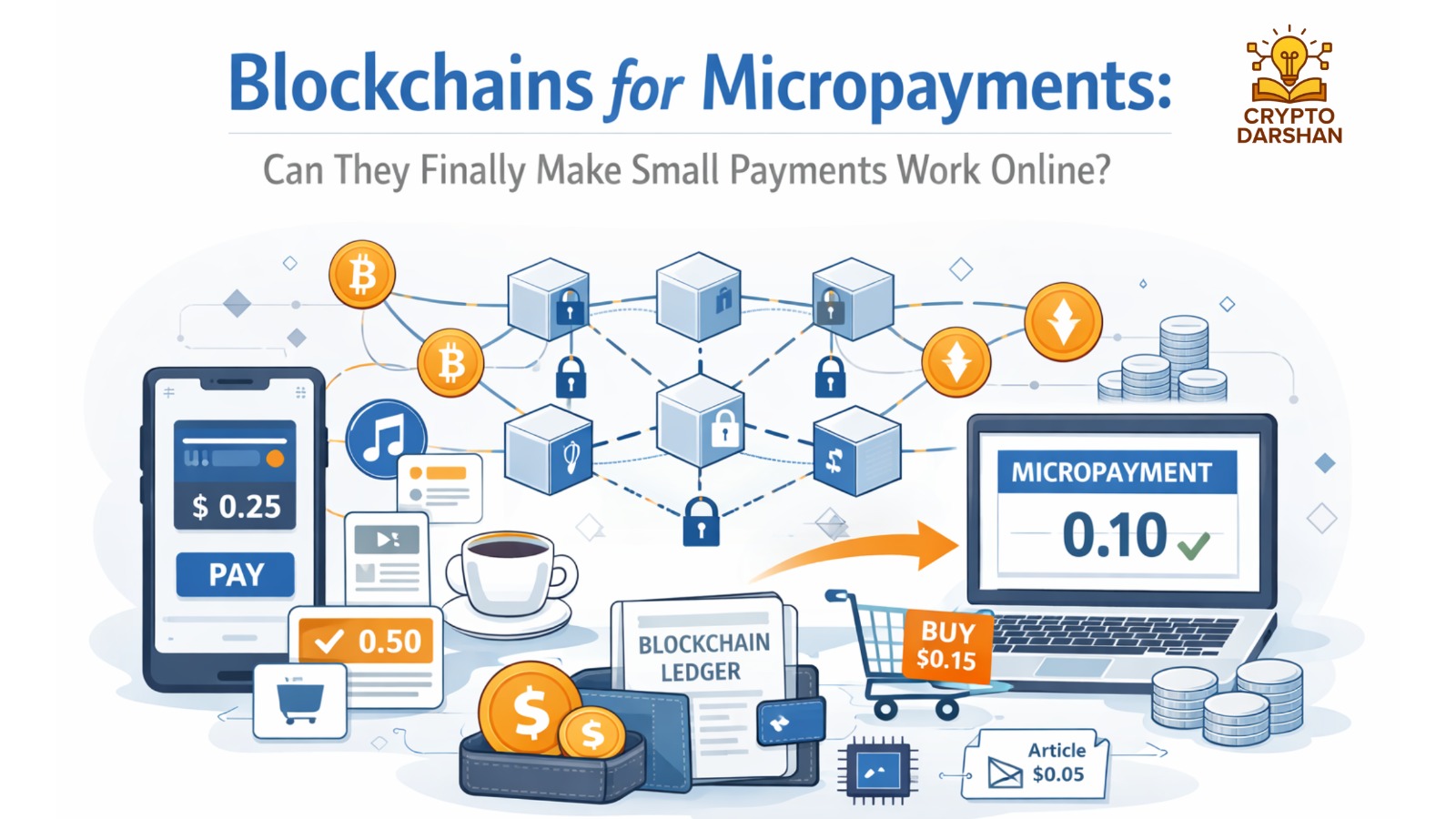
The internet has transformed how people communicate, shop, and share information. Yet, one area that has struggled to evolve efficiently is Micropayments, small financial transactions typically worth less than a dollar. For decades, the idea of Micropayments has promised to revolutionize online commerce by enabling users to pay tiny amounts for digital goods, services, or content. However, high transaction fees, slow processing times, and centralized payment systems have made payments impractical.
With the rise of blockchain technology, this long-standing challenge may finally have a solution. Blockchains offer decentralized, transparent, and low-cost systems that can process transactions securely without intermediaries.
This article explores how blockchains can make Micropayments work online, the challenges they face, and the innovations driving this transformation.
Understanding Micropayments

What Are Micropayments?
Micropayments are small financial transactions, often ranging from a fraction of a cent to a few dollars. They are designed for low-cost digital exchanges, such as paying for an article, streaming a song, or tipping a content creator.
Traditional payment systems like credit cards or PayPal are not optimized for Micropayments because their transaction fees often exceed the value of the payment itself. For example, a $0.10 payment might incur a $0.30 processing fee, making it economically unfeasible.
The Promise of Micropayments
The concept of Micropayment has existed since the early days of the internet. The idea was simple: instead of relying on ads or subscriptions, users could pay small amounts directly for the content or services they consume. This model could empower creators, reduce reliance on advertising, and create a fairer digital economy.
However, despite its potential, Micropayment never took off due to technical and economic barriers. Blockchain technology now offers a new way to overcome these limitations.
Why Traditional Systems Failed at Micropayments

1. High Transaction Fees
Traditional payment processors charge fixed fees per transaction, making Micropayments uneconomical. A $0.50 payment cannot sustain a $0.30 fee. This pricing structure discourages small transactions.
2. Centralized Control
Centralized payment systems rely on banks or intermediaries to process transactions. These entities control access, impose restrictions, and can block or reverse payments. This centralization limits innovation and increases costs.
3. Lack of Global Accessibility
Many users around the world lack access to traditional banking systems. Micropayments require a global, inclusive infrastructure that allows anyone to send or receive small payments easily.
4. Privacy Concerns
Centralized systems collect user data, raising privacy issues. For Micropayments to succeed, users need secure and private ways to transact without exposing personal information.
5. Technical Limitations
Legacy payment networks were not designed for high-frequency, low-value transactions. Processing millions of micropayments per second requires scalable and efficient infrastructure, something traditional systems cannot provide.
How Blockchain Technology Solves the Micropayment Problem

Blockchain technology introduces a decentralized ledger that records transactions transparently and securely. It eliminates intermediaries, reduces costs, and enables peer-to-peer payments. These features make it ideal for Micropayment.
1. Low Transaction Costs
Blockchains can process transactions at a fraction of the cost of traditional systems. With Layer 2 solutions and optimized protocols, Micropayment can be executed for fractions of a cent, making them economically viable.
2. Decentralization
Blockchain networks operate without central authorities. This decentralization ensures that no single entity controls the flow of Micropayment, reducing censorship and increasing accessibility.
3. Global Accessibility
Anyone with an internet connection can use blockchain-based wallets to send or receive Micropayment. This inclusivity opens new opportunities for users in developing regions who lack access to traditional banking.
4. Transparency and Security
Every blockchain transaction is recorded on a public ledger, ensuring transparency and preventing fraud. Cryptographic security protects users from unauthorized access, making Micropayments safe and reliable.
5. Programmability
Smart contracts enable automated Micropayments. For example, a content platform can automatically distribute small payments to creators each time their content is viewed or downloaded.
Blockchain Layers and Micropayments

Blockchain networks are structured in layers, each serving a specific purpose. Understanding these layers helps explain how Micropayments can be processed efficiently.
Layer 1: The Base Blockchain
Layer 1 blockchains like Bitcoin and Ethereum provide the foundation for secure transactions. However, they often face scalability issues, making Micropayments expensive and slow during high network congestion.
Layer 2: Scaling Solutions
Layer 2 solutions, such as the Lightning Network for Bitcoin or rollups for Ethereum, process transactions off-chain and settle them on the main chain later. This approach drastically reduces fees and increases speed, making Micropayment practical.
Layer 3: Application Layer
At the application layer, decentralized apps (dApps) integrate Micropayment into user experiences. Examples include pay-per-view content, tipping systems, and micro-subscriptions.
Can They Finally Make Small Payments Work Online?

For years, the idea of small online payments, also known as micropayments, has been seen as a revolutionary concept that could change how people pay for digital goods and services. The goal is simple: allow users to pay tiny amounts, like a few cents, for things such as reading an article, watching a short video, or tipping a creator. However, traditional payment systems have always made this difficult because of high fees, slow processing, and centralized control.
Now, with the rise of blockchain technology, there’s a real possibility that small payments can finally work online. Here’s how and why.
1. The Problem with Traditional Payment Systems
Conventional payment methods like credit cards, PayPal, or bank transfers are not designed for very small transactions. Each transaction usually comes with a fixed fee, often around $0.30 or more—plus a percentage of the payment. This means that if someone tries to pay $0.10 for an article, the fee would be higher than the payment itself.
Because of this, most online platforms rely on ads or subscriptions instead of direct small payments. The system simply wasn’t built for small payments.
2. How Blockchain Changes the Game
Blockchain technology introduces a decentralized way to send money directly between users without intermediaries like banks or payment processors. This drastically reduces transaction costs and makes it possible to send even fractions of a cent efficiently.
For example, using blockchain-based systems such as the Lightning Network (built on Bitcoin) or Ethereum Layer 2 rollups, users can send small payments instantly and at almost zero cost. This makes payments practical for the first time.
3. Why Small Payments Matter
If small payments become easy and affordable, they could transform the internet economy. Instead of paying monthly subscriptions or watching ads, users could pay tiny amounts for exactly what they use.
- A reader could pay $0.05 to read a single article.
- A gamer could pay $0.10 to unlock a special item.
- A viewer could pay $0.01 per minute of a video.
This model gives users more control and allows creators to earn directly from their audiences.
4. Examples of Blockchain Micropayments in Action
Several blockchain projects are already proving that small payments can work online:
- Brave Browser uses the Basic Attention Token (BAT) to reward users for viewing ads and to send small payments to content creators.
- Lightning Network enables instant Bitcoin micropayments for online purchases or tipping.
- Coil allows users to stream payments to creators in real time as they consume content.
These examples show that blockchain can handle micropayments efficiently, securely, and globally.
The Lightning Network: A Case Study

The Lightning Network is one of the most successful implementations of blockchain-based Micropayments. Built on top of Bitcoin, it enables instant, low-cost transactions by creating payment channels between users.
How It Works
- Two users open a payment channel by locking a small amount of Bitcoin on the blockchain.
- They can then send unlimited small payments between each other instantly and off-chain.
- When they close the channel, the final balance is recorded on the main blockchain.
Benefits
- Instant Transactions: Payments occur in milliseconds.
- Low Fees: Transaction costs are minimal, making Micropayments feasible.
- Scalability: The network can handle millions of transactions per second.
- Privacy: Off-chain transactions are not publicly visible, enhancing privacy.
The Lightning Network demonstrates how blockchain can make Micropayment efficient and scalable.
Use Cases for Blockchain-Based Micropayments

1. Content Monetization
Writers, musicians, and artists can receive Micropayment directly from consumers instead of relying on ads or subscriptions. For example, a reader could pay $0.05 to read an article or $0.10 to listen to a song.
2. Streaming Services
Streaming platforms can charge users per second or per view using Micropayments. This model allows users to pay only for what they consume, offering flexibility and fairness.
3. Gaming and Virtual Goods
In online games, players can use Micropayments to purchase in-game items, upgrades, or digital assets. Blockchain ensures transparency and ownership of these assets.
4. Internet of Things (IoT)
IoT devices can use Micropayments to pay for services automatically. For example, a smart car could pay a toll or parking fee instantly using blockchain-based Micropayments.
5. Social Media and Tipping
Social platforms can integrate Micropayments to allow users to tip creators directly. This model empowers creators and reduces dependence on advertising revenue.
6. Pay-Per-API or Data Access
Developers can use Micropayment to pay for API calls or data access. This enables a fair and efficient model for digital resource consumption.
Advantages of Blockchain Micropayments

- Reduced Fees: Blockchain eliminates intermediaries, lowering transaction costs.
- Speed: Transactions can be processed instantly using Layer 2 solutions.
- Global Reach: Anyone can participate, regardless of location or banking access.
- Transparency: All transactions are recorded on a public ledger.
- Automation: Smart contracts enable automatic and conditional Micropayments.
- Security: Cryptographic protection ensures safe transactions.
- Flexibility: Supports various use cases, from content to IoT.
Challenges Facing Blockchain Micropayments

1. Scalability
While Layer 2 solutions improve scalability, global adoption of payments requires networks capable of handling billions of transactions daily.
2. Volatility
Cryptocurrency prices fluctuate, making it difficult to price Micropayments consistently. Stablecoins may help mitigate this issue.
3. User Experience
For Micropayments to succeed, blockchain wallets and interfaces must be simple and user-friendly. Complex setups discourage mainstream adoption.
4. Regulation
Governments are still developing frameworks for blockchain payments. Regulatory uncertainty can slow down the adoption of Micropayment.
5. Energy Consumption
Some blockchains consume significant energy. Sustainable solutions are needed to make Micropayments environmentally friendly.
Innovations Driving Blockchain Micropayments

1. Stablecoins
Stablecoins like USDC and DAI reduce volatility, making Micropayments more predictable and practical for everyday use.
2. Layer 2 Networks
Technologies like the Lightning Network and Ethereum rollups enable fast, low-cost Micropayments by processing transactions off-chain.
3. Cross-Chain Interoperability
Interoperable blockchains allow Micropayments to move seamlessly across different networks, expanding usability.
4. Decentralized Identity (DID)
DID systems link Micropayments to verified digital identities, improving trust and compliance without sacrificing privacy.
5. Smart Contract Automation
Smart contracts can automate recurring Micropayments, such as subscriptions or royalties, ensuring timely and transparent payments.
Economic and Social Impact of Micropayment

Empowering Creators
Micropayments allow creators to earn directly from their audiences, reducing dependence on intermediaries like publishers or advertisers.
Financial Inclusion
Blockchain-based Micropayment open financial opportunities for unbanked populations, enabling participation in the global digital economy.
Reducing Ad Dependency
By enabling direct payments, Micropayments can reduce the need for intrusive advertising models, improving user experience online.
Encouraging Quality Content
When users pay small amounts for content, creators are incentivized to produce higher-quality work, fostering a healthier digital ecosystem.
Supporting the Gig Economy
Freelancers and gig workers can receive instant Micropayments for completed tasks, improving cash flow and financial stability.
The Future of Micropayments

The future of Micropayments lies in combining blockchain scalability, user-friendly interfaces, and regulatory clarity. As technology matures, Micropayments could become a standard part of online interactions.
Key Trends to Watch
- Integration with Web3: Micropayment will power decentralized applications and digital economies.
- AI and Automation: Smart systems will use Micropayment for data access and computation.
- Cross-Border Payments: Blockchain will make international Micropayments instant and cost-effective.
- Subscription Alternatives: Pay-per-use models will replace traditional subscriptions.
- Mainstream Adoption: As fees drop and usability improves, Micropayments will become common in everyday online activities.
Case Studies

Brave Browser and BAT
The Brave browser uses the Basic Attention Token (BAT) to reward users for viewing ads and to enable Micropayments to content creators. This model demonstrates how blockchain can create a fairer digital advertising ecosystem.
SatoshiPay
SatoshiPay enables publishers to receive payments directly from readers using blockchain technology. It eliminates intermediaries and reduces transaction costs.
Coil
Coil uses the Interledger Protocol to stream payments to creators in real time. Users pay small amounts as they consume content, creating a seamless experience.
Strategic Importance of Blockchain Micropayments

Blockchain micropayment is more than just a technical innovation, they represent a strategic shift in how value moves across the internet. By enabling secure, low-cost, and instant small transactions, blockchain technology opens new economic opportunities and business models. Below are five key points that explain the strategic importance of blockchain micropayments.
1. Empowering the Digital Economy
Blockchain micropayment make it possible to monetize digital content and services in new ways. Instead of relying on ads or subscriptions, users can pay small amounts directly for what they consume, like reading an article, streaming a song, or accessing premium features.
2. Promoting Financial Inclusion
Traditional payment systems often exclude people without access to banks or credit cards. Blockchain micropayments remove these barriers by allowing anyone with an internet connection to send or receive small payments globally.
3. Reducing Transaction Costs and Friction
One of the biggest advantages of blockchain micropayment is the reduction of transaction fees. By eliminating intermediaries like banks and payment processors, blockchain networks can process small payments at a fraction of the cost.
4. Encouraging Innovation and New Business Models
Blockchain micropayment enable entirely new ways of doing business online. Developers can build decentralized applications (dApps) that charge users per action, per second, or per data request. This flexibility encourages innovation across industries such as gaming, media, IoT, and education. It also allows startups to experiment with creative pricing models that were previously impossible due to high transaction costs.
5. Strengthening Transparency and Trust
Every blockchain micropayment is recorded on a public ledger, ensuring transparency and accountability. This visibility builds trust between users, creators, and service providers. Smart contracts can automate payments based on predefined conditions, ensuring that funds are transferred only when obligations are met.
FAQ: Blockchain Micropayments

1. What are micropayments?
Micropayments are small transactions or payments usually of less than a dollar, and, in some cases, only a fraction of a cent, that are mainly made online, typically used for digital content, tips, or pay-per-use services.
2. Why have micropayments traditionally been difficult online?
Traditional payment systems charge relatively high transaction fees, making small payments impractical. Processing costs often exceed the value of the transaction itself.
3. How do blockchains enable micropayments?
Blockchains reduce the need for intermediaries, allowing users to send small amounts directly to each other. Lower fees and faster settlement make micropayments more feasible.
4. What role do Layer 2 solutions play in micropayment?
Layer 2 solutions process transactions off the main blockchain, reducing congestion and fees. This makes it possible to handle high volumes of tiny payments efficiently.
5. What is the Lightning Network?
The Lightning Network is a Layer 2 protocol built on Bitcoin that enables fast and low-cost micropayments through off-chain payment channels.
6. Are micropayments instant on blockchain networks?
Many modern blockchain solutions and Layer 2 systems offer near-instant transactions, though actual speed depends on the network and its congestion.
7. What are the main use cases for blockchain micropayments?
Common use cases include tipping content creators, pay-per-article access, gaming transactions, streaming payments, and IoT machine-to-machine payments.
8. What challenges still exist for blockchain micropayments?
Challenges include network scalability, user experience, volatility of cryptocurrencies, and regulatory uncertainty.
Conclusion
For decades, Micropayments have been a dream that technology couldn’t deliver. High fees, centralization, and inefficiency made small payments impractical. Blockchain technology changes that reality.
By offering low-cost, decentralized, and secure systems, blockchains make payments viable for the first time. From content monetization to IoT automation, the potential applications are vast. As scalability improves and user adoption grows, they could reshape the digital economy, enabling a fairer, more inclusive, and efficient online world.