Best crypto under $1 2026 moonshot picks offer explosive potential for savvy investors.The cryptocurrency market continues to evolve at a rapid pace, offering investors numerous opportunities to grow their portfolios. While Bitcoin and Ethereum dominate headlines, many low-cost cryptocurrencies under $1 are quietly building strong ecosystems with massive growth potential. These affordable digital assets, often called “moonshot cryptos,” can deliver exponential returns if chosen wisely.
In 2026, the crypto landscape is more mature, regulated, and innovation-driven than ever before. Investors are increasingly looking for undervalued gems that combine real-world utility, strong fundamentals, and community support. This guide examines the top cryptocurrencies under $1 in 2026, evaluating their technology, applications, and long-term prospects. Whether for short-term trading or long-term holding, these moonshot picks could be the next big winners in the decentralized economy.
Before investing in low-priced tokens, beginners should understand how cryptocurrency markets work and how to buy crypto safely.
Why Invest in Cryptos Under $1?

1. High Growth Potential
Low-priced cryptocurrencies often have smaller market capitalizations, meaning they can grow faster than established coins. A small increase in adoption or utility can lead to significant price appreciation.
2. Accessibility for New Investors
Buying affordable tokens allows investors to diversify portfolios without large capital requirements. Even small investments can yield substantial returns if the project succeeds.
3. Innovation and Utility
Many sub-$1 cryptos are built on emerging technologies such as AI integration, DeFi, Web3, and cross-chain interoperability. These innovations position them for long-term relevance.
4. Community-Driven Growth
Smaller projects often have passionate communities that drive adoption, marketing, and development. Strong community engagement can accelerate growth and visibility.
5. Early Entry Advantage
Investing early in promising projects provides exposure before mainstream adoption. Many top coins today, like Cardano and Polygon, were once priced below $1.
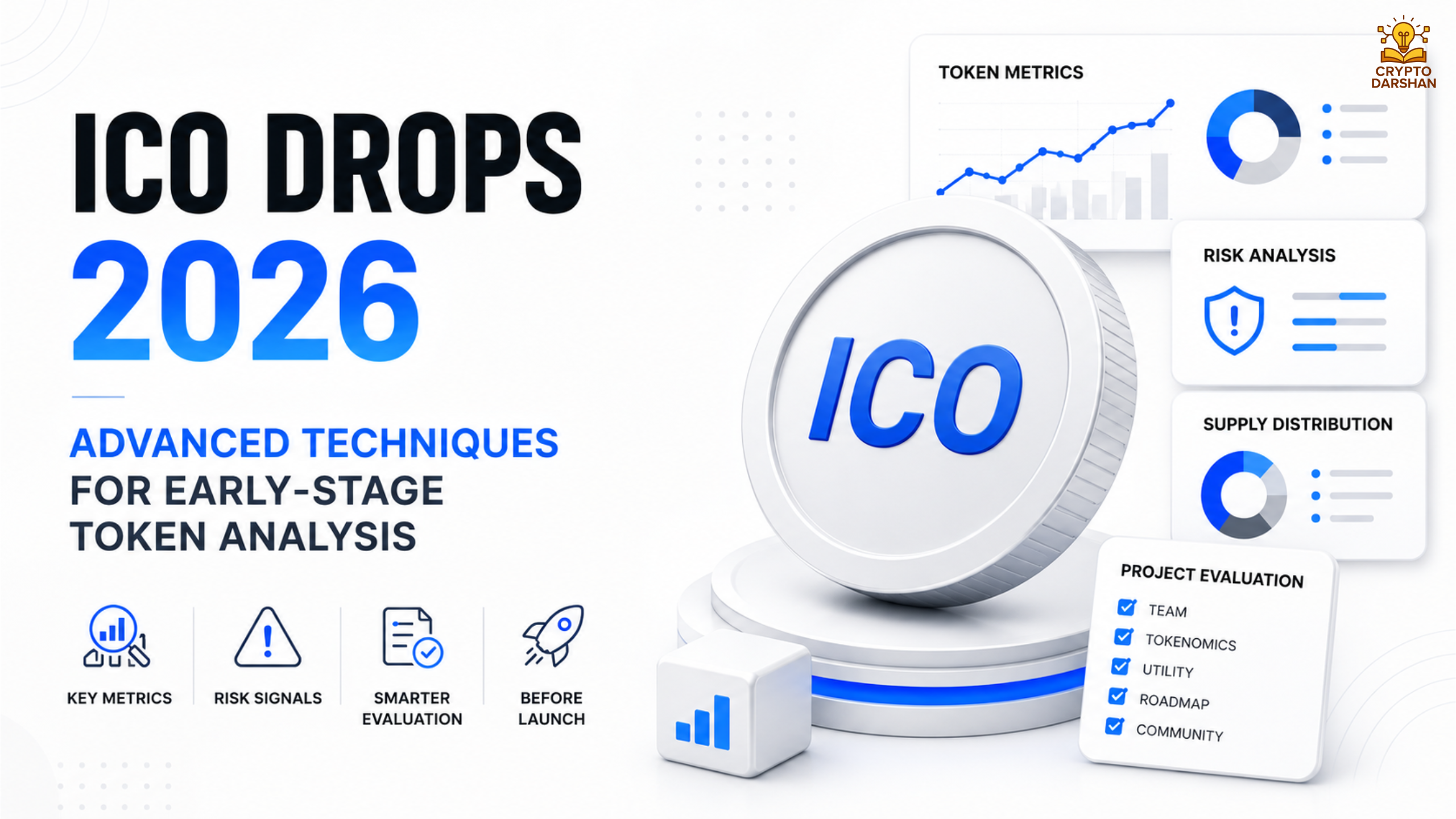
Factors to Consider Before Investing

- Project Fundamentals: Evaluate the team, roadmap, and real-world use cases.
- Tokenomics: Check supply, distribution, and deflationary mechanisms.
- Partnerships and Ecosystem: Strong collaborations indicate credibility.
- Community and Developer Activity: Active engagement signals long-term sustainability.
- Market Liquidity: Ensure the token is listed on reputable exchanges for easy trading.
Best Crypto Under $1: Moonshot Picks for 2026

1. VeChain (VET)
Current Price (2026): ~$0.04
Market Cap: Mid-cap
Category: Supply Chain and Enterprise Blockchain
Overview:
VeChain focuses on supply chain transparency and enterprise blockchain solutions. It enables businesses to track products from production to delivery using blockchain technology. Major partnerships with companies like BMW, PwC, and Walmart China highlight its real-world adoption.
Why It’s a Moonshot:
- Strong enterprise adoption and real-world use cases.
- Integration with IoT and AI for smart logistics.
- Growing presence in sustainability and carbon tracking.
Potential:
If VeChain continues expanding its enterprise partnerships, it could easily surpass $1 in the coming years.
2. Hedera (HBAR)
Current Price (2026): ~$0.09
Market Cap: Large-cap
Category: Enterprise and Web3 Infrastructure
Overview:
Hedera Hashgraph is a next-generation distributed ledger offering high-speed, low-cost, and energy-efficient transactions. It’s governed by global giants like Google, IBM, and LG.
Why It’s a Moonshot:
- Enterprise-grade scalability and security.
- Growing adoption in tokenization, NFTs, and DeFi.
- Carbon-negative network with strong sustainability focus.
Potential:
HBAR’s enterprise partnerships and expanding ecosystem make it a strong contender for long-term growth beyond $1.
3. The Graph (GRT)
Current Price (2026): ~$0.15
Market Cap: Mid-cap
Category: Data Indexing and Web3 Infrastructure
Overview:
The Graph powers data indexing for decentralized applications (dApps). It allows developers to query blockchain data efficiently, making it essential for Web3 infrastructure.
Why It’s a Moonshot:
- Integral to the Web3 ecosystem.
- Growing adoption among DeFi and NFT projects.
- Continuous upgrades improving scalability and performance.
Potential:
As Web3 expands, GRT’s role as the “Google of blockchain” could drive massive demand and price appreciation.
4. XDC Network (XDC)
Current Price (2026): ~$0.07
Market Cap: Mid-cap
Category: Hybrid Blockchain for Trade Finance
Overview:
XDC Network combines public and private blockchain features to support global trade and finance. It’s designed for enterprise use, offering fast, secure, and low-cost transactions.
Why It’s a Moonshot:
- Focus on real-world trade finance solutions.
- ISO 20022 compliance for institutional integration.
- Partnerships with financial institutions and fintech firms.
Potential:
With increasing institutional adoption, XDC could become a key player in blockchain-based trade settlements.
5. AllianceBlock (ALBT)

Current Price (2026): ~$0.25
Market Cap: Small-cap
Category: DeFi and Institutional Finance
Overview:
AllianceBlock is an interoperable blockchain protocol aiming to bridge the gap between traditional finance (“TradFi”) and DeFi ecosystems. The platform’s native token, ALBT, is used for transacting and for governance. ALBT is also a means of securing the protocol via staking. AllianceBlock bridges traditional finance (TradFi) and DeFi, enabling compliant, regulated access to decentralized markets. It focuses on tokenized assets and cross-border liquidity.
Why It’s a Moonshot:
- Strong focus on regulatory compliance.
- Partnerships with major DeFi protocols and financial institutions.
- Real-world asset tokenization potential.
Potential:
As institutional DeFi adoption grows, ALBT could become a leading infrastructure provider for compliant decentralized finance.
6. SingularityNET (AGIX)
Current Price (2026): ~$0.45
Market Cap: Mid-cap
Category: Artificial Intelligence and Blockchain
Overview:
SingularityNET is a decentralized marketplace for AI services, allowing developers to share and monetize AI algorithms. It’s a pioneer in merging AI with blockchain.
Why It’s a Moonshot:
- Growing demand for AI integration in DeFi and Web3.
- Partnerships with Cardano and other major ecosystems.
- Expanding developer community and real-world use cases.
Potential:
With AI adoption accelerating globally, AGIX could see exponential growth as a decentralized AI infrastructure provider.
7. IoTeX (IOTX)

Current Price (2026): ~$0.06
Market Cap: Small-cap
Category: Internet of Things (IoT) and Blockchain
Overview:
IoTeX connects smart devices and blockchain, enabling secure data exchange and automation. It’s building the foundation for the MachineFi economy, where devices earn value autonomously.
Why It’s a Moonshot:
- Strong focus on IoT and real-world data integration.
- Partnerships with hardware manufacturers and tech firms.
- Scalable and energy-efficient blockchain infrastructure.
Potential:
As IoT adoption grows, IoTeX could become a key player in connecting devices to decentralized networks.
8. COTI (Currency of the Internet)
Current Price (2026): ~$0.12
Market Cap: Small-cap
Category: Payments and Stablecoin Infrastructure
Overview:
COTI is a fintech platform enabling fast, low-cost payments and stablecoin issuance. It powers Cardano’s Djed stablecoin, making it a vital part of the Cardano ecosystem.
Why It’s a Moonshot:
- Strong use case in payments and stablecoins.
- Partnerships with Cardano and other blockchain projects.
- Scalable infrastructure for enterprise adoption.
Potential:
As stablecoins gain mainstream use, COTI’s role in powering decentralized payment systems could drive significant growth.
9. Reserve Rights (RSR)
Current Price (2026): ~$0.02
Market Cap: Small-cap
Category: Stablecoin and DeFi
Overview:
Reserve Rights supports the Reserve Protocol, which issues stablecoins backed by diversified assets. It aims to provide financial stability in volatile markets.
Why It’s a Moonshot:
- Real-world use in emerging economies.
- Focus on financial inclusion and inflation protection.
- Strong community and transparent governance.
Potential:
RSR’s mission to create stable, accessible financial systems could make it a long-term winner in global DeFi adoption.
10. Ravencoin (RVN)
Current Price (2026): ~$0.03
Market Cap: Mid-cap
Category: Asset Tokenization
Overview:
Ravencoin enables users to create and transfer tokenized assets such as securities, collectibles, and real estate on its blockchain. It’s designed for simplicity and transparency.
Why It’s a Moonshot:
- Strong focus on asset tokenization.
- Active developer community.
- Proven track record of network stability.
Potential:
As tokenization becomes mainstream, Ravencoin could play a major role in digitizing real-world assets.
Bitcoin dominance often impacts the performance of small-cap coins, making Bitcoin investment strategies in 2026 relevant even for under-$1 crypto picks.
Emerging Low-Cap Gems to Watch

1. Kaspa (KAS)
Kaspa is a high-speed, scalable blockchain that uses a unique technology called blockDAG (Directed Acyclic Graph) instead of the traditional blockchain structure. This allows multiple blocks to be created and confirmed simultaneously, drastically improving transaction speed and scalability.
Kaspa’s design eliminates network congestion and ensures instant confirmations, making it ideal for real-time payments and decentralized applications. Its focus on decentralization, security, and efficiency positions it as a strong competitor to older blockchains like Bitcoin and Litecoin. As adoption grows, Kaspa’s innovative architecture could make it one of the fastest and most efficient proof-of-work networks in the market.
2. World Mobile Token (WMT)
World Mobile Token is revolutionizing global connectivity by building a decentralized mobile network that provides affordable internet access to underserved regions. Using blockchain and sharing economy principles, it allows individuals to operate network nodes and earn rewards for providing coverage.
WMT’s mission goes beyond technology; it’s about bridging the digital divide and empowering communities. The project has already launched operations in parts of Africa and is expanding globally. As more people connect through its network, the demand for WMT tokens will rise, making it a powerful example of blockchain driving real-world impact.
3. Verasity (VRA)
Verasity is a blockchain-based video monetization and ad fraud prevention platform. It tackles one of the biggest problems in digital advertising: fake views and fraudulent engagement. Using its patented Proof-of-View (PoV) technology, Verasity ensures that every view and interaction is genuine and verifiable on-chain.
VRA also powers esports streaming, NFT marketplaces, and video platforms, rewarding users for engagement. As digital advertising and video content continue to dominate online media, Verasity’s transparent and efficient system could become a standard for advertisers and content creators worldwide.
4. Efinity (EFI)

Efinity is an NFT-focused blockchain developed by Enjin, one of the pioneers in blockchain gaming. Built on Polkadot, Efinity is designed for fast, low-cost NFT creation and transfer across multiple blockchains. It aims to make NFTs more accessible by simplifying minting and trading for both developers and users.
Efinity’s interoperability allows NFTs to move seamlessly between ecosystems, solving one of the biggest challenges in the NFT space: fragmentation. With Enjin’s strong reputation and partnerships in gaming and metaverse projects, EFI has the potential to become a leading infrastructure for the next generation of digital assets.
5. Shping (SHPING)
Shping combines blockchain technology with retail analytics and consumer engagement. It rewards users with SHPING tokens for scanning product barcodes, writing reviews, and interacting with brands. This creates a transparent feedback loop between consumers and companies, improving trust and marketing efficiency.
For businesses, Shping provides valuable insights into consumer behavior, while users earn rewards for their participation. As data privacy and transparency become more important in retail, Shping’s model of reward-based consumer data sharing could disrupt traditional advertising and loyalty programs, making it a promising low-cap gem with real-world utility.
These emerging projects combine innovation with affordability, offering high-risk, high-reward potential for early investors.
Key Trends Driving Sub-$1 Cryptos in 2026

1. AI and Blockchain Integration
AI-powered cryptos like AGIX are gaining traction as artificial intelligence becomes central to automation, analytics, and decentralized decision-making.
2. Real-World Asset Tokenization
Projects like XDC and Ravencoin are bridging traditional finance with blockchain by tokenizing physical assets, creating new investment opportunities.
3. Sustainability and Green Blockchain
Eco-friendly networks like Hedera and VeChain are attracting investors focused on sustainability and carbon-neutral operations.
4. Cross-Chain Interoperability
Interoperable platforms are solving liquidity fragmentation, allowing seamless asset transfers across multiple blockchains.
5. DeFi and Institutional Adoption
Regulated DeFi platforms and hybrid models are drawing institutional investors, increasing liquidity and stability for smaller tokens.
Risks to Consider

1. Market Volatility
Cryptocurrencies are known for their extreme price fluctuations. Low-cost or emerging tokens can experience sharp ups and downs within hours or days, driven by speculation, news, or market sentiment. While volatility creates profit opportunities, it also increases the risk of sudden losses. Investors should be prepared for price swings and avoid investing money they can’t afford to lose. Using strategies like dollar-cost averaging and maintaining a diversified portfolio can help manage this risk.
2. Regulatory Uncertainty
The global regulatory environment for cryptocurrencies is still evolving. Governments and financial authorities are introducing new laws to address issues like taxation, anti-money laundering (AML), and investor protection. These regulations can impact token availability, exchange listings, or project operations. For example, a project might face restrictions in certain countries or be delisted from exchanges due to compliance issues. Staying informed about regulatory developments and choosing projects that prioritize transparency and compliance can reduce exposure to this risk.
3. Project Viability
Not every crypto project succeeds. Some fail due to poor management, lack of funding, weak technology, or unrealistic goals. Others may turn out to be scams or “rug pulls,” where developers abandon the project after collecting investor funds. Before investing, it’s crucial to research the project’s team, roadmap, partnerships, and community activity. A strong, transparent team with a clear vision and consistent progress updates is a good sign of long-term viability.
4. Liquidity Risks
Liquidity refers to how easily a token can be bought or sold without affecting its price. Low-cap or lesser-known tokens often have limited trading volume, meaning it can be difficult to exit a position quickly or at a fair price. Low liquidity can also lead to higher slippage during trades. To manage this risk, investors should check the token’s daily trading volume, exchange listings, and liquidity pool depth before investing. Choosing tokens listed on reputable exchanges helps ensure smoother trading.
5. Security Concerns
Security remains one of the biggest challenges in the crypto space. Smart contract vulnerabilities, exchange hacks, and phishing attacks can lead to significant losses. Many DeFi projects rely on complex code, and even small bugs can be exploited by hackers. To minimize risk, investors should:
- Use hardware wallets or secure non-custodial wallets.
- Verify that the project’s smart contracts have been audited by reputable firms.
- Avoid clicking on suspicious links or connecting wallets to unverified platforms.
Security diligence is essential because, in most cases, crypto transactions are irreversible, and lost funds cannot be recovered.
How to Identify the Next Moonshot Crypto

1. Strong Use Case
A true moonshot crypto must solve a real-world problem or bring a unique innovation to the blockchain space. Projects with clear, practical applications tend to attract long-term users and investors. For example, a token that improves cross-border payments, enhances data privacy, or enables decentralized AI services has a tangible reason to exist. When evaluating a project, ask:
- What problem does it solve?
- Is there real demand for its solution?
- Does it offer something better or more efficient than existing options?
A strong use case ensures the project’s relevance and sustainability, even during market downturns.
2. Active Development
Consistent development activity is a key indicator of a project’s health and commitment. Teams that regularly update their code, release new features, and engage with the community show that they are serious about long-term growth. You can check this by reviewing the project’s GitHub repository, roadmap progress, and developer announcements.
Projects with active development are more likely to adapt to market changes, fix vulnerabilities, and stay competitive. In contrast, inactive or stagnant projects often lose momentum and investor confidence.
3. Community Engagement
A strong, active community is the backbone of any successful crypto project. Communities drive awareness, adoption, and trust. Look for projects with vibrant discussions on platforms like X (Twitter), Discord, Telegram, and Reddit.
An engaged community not only supports the project but also helps spread its message organically. It’s a sign that people believe in the project’s vision. Additionally, community-driven governance, where token holders can vote on decisions, shows that the project values decentralization and transparency.
4. Strategic Partnerships

Partnerships with established companies, blockchain networks, or institutions add credibility and utility to a project. Collaborations often lead to real-world integrations, increased adoption, and shared resources.
For example, a DeFi project partnering with a major payment processor or a blockchain collaborating with a government initiative signals strong potential. When evaluating partnerships, focus on quality over quantity meaningful alliances with reputable organizations are far more valuable than numerous minor collaborations.
5. Token Utility
A token’s utility determines its long-term demand and value. The more use cases a token has within its ecosystem, the stronger its growth potential. Tokens that serve multiple purposes, such as governance, staking, transaction fees, or access to exclusive features, tend to maintain consistent demand.
For instance, tokens used to pay network fees or participate in governance decisions have built-in value drivers. A token with real utility ensures that users need it to interact with the platform, creating a sustainable economic model rather than relying solely on speculation.
Conclusion
The best cryptos under $1 in 2026 including VeChain, Hedera, The Graph, XDC, and SingularityNET, represent a new generation of blockchain innovation. These projects combine affordability with strong fundamentals, offering investors a chance to participate in the next wave of crypto growth.
While not every low-cost token will succeed, those with real utility, active development, and community support have the potential to deliver extraordinary returns. As the crypto market matures, these moonshot picks could transform from undervalued assets into the next major players in the decentralized economy.
Investing in sub-$1 cryptos requires patience, research, and a long-term vision but for those who choose wisely, 2026 could be the year of life-changing gains.