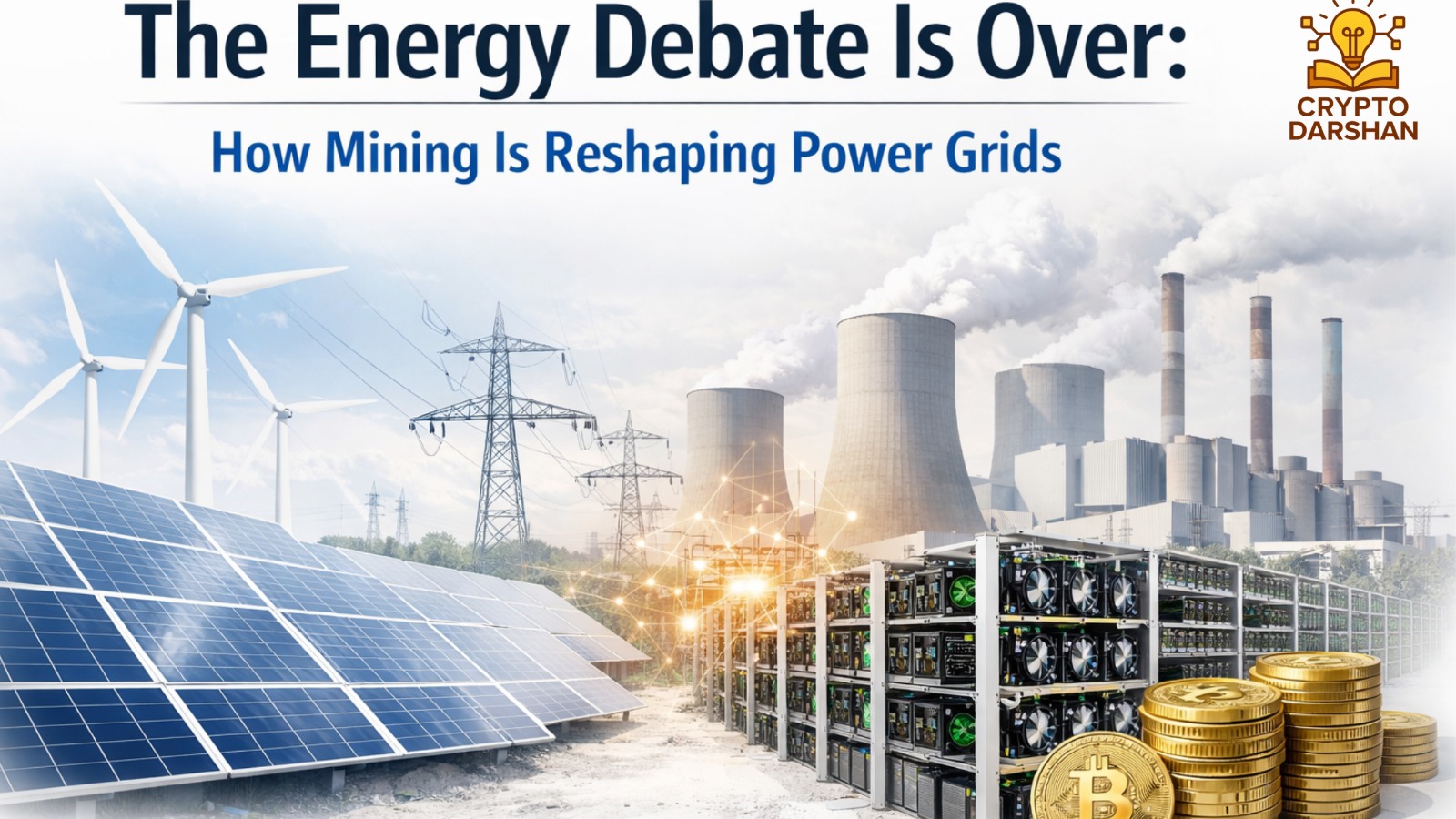
The global energy debate has long revolved around sustainability, efficiency, and the balance between economic growth and environmental responsibility. In recent years, a new player has entered this conversation cryptocurrency mining. Once dismissed as an energy-hungry niche, mining is now emerging as a transformative force in the energy sector. It is reshaping how power grids operate, how renewable energy is integrated, and how nations think about energy economics.
This article explores how mining is driving innovation in energy infrastructure, stabilizing grids, and accelerating the transition toward cleaner, more efficient power systems. It also examines the myths surrounding mining’s energy use and highlights how miners are becoming key partners in the global energy transition.
Understanding the Energy Debate

The Traditional Energy Model
For decades, energy systems have been built around centralized generation and distribution. Large power plants coal, gas, hydro, or nuclear produce electricity that flows through transmission lines to homes and businesses. This model, while effective, has several limitations:
- Inefficiency: Energy loss during transmission and distribution.
- Inflexibility: Difficulty in adjusting to sudden changes in demand.
- Environmental impact: Heavy reliance on fossil fuels contributes to carbon emissions.
The Rise of Renewable Energy
The push for renewable energy solar, wind, hydro, and geothermal has transformed the global energy landscape. However, renewables come with their own challenges:
- Intermittency: Solar and wind power depend on weather conditions.
- Storage limitations: Batteries are expensive and have limited capacity.
- Grid instability: Sudden surges or drops in renewable output can destabilize power grids.
This is where cryptocurrency mining enters the picture.
The Role of Cryptocurrency Mining in Energy Systems

What Is Cryptocurrency Mining?
Crypto mining, or cryptocurrency mining, is how transactions are validated and recorded on a blockchain network. To do this, miners solve tricky mathematical problems using powerful computers. They use special hardware like ASICs for Bitcoin or GPUs for Ethereum. When they solve a problem, they add a new block to the blockchain. In exchange for their efforts, miners are rewarded with brand-new cryptocurrency coins and transaction fees.
Bitcoin mining’s growing role in grid stabilization reinforces why the network relies on energy-backed security, as explained in our breakdown of Why Bitcoin Uses Proof of Work Instead of Proof of Stake.
Mining’s Energy Reputation
Mining has often been criticized for its energy consumption. Headlines have compared Bitcoin’s electricity use to that of entire countries. However, this narrative overlooks key facts:
- Mining consumes energy, but it also creates demand flexibility.
- Miners often use stranded or excess energy that would otherwise go to waste.
- The industry is increasingly powered by renewable and surplus energy sources.
Mining as a Grid Participant
Unlike traditional consumers, miners can adjust their energy use in real time. This makes them ideal participants in modern power grids. When electricity demand is low, miners can ramp up operations, absorbing excess power. When demand spikes, they can shut down instantly, freeing capacity for other users. This flexibility helps stabilize grids and supports renewable integration.
How Mining Is Reshaping Power Grids

1. Grid Stabilization and Demand Response
Power grids must constantly balance supply and demand. Too much or too little electricity can cause blackouts or equipment damage. Mining operations act as controllable loads, meaning they can quickly adjust consumption to match grid conditions.
For example:
- During periods of low demand, miners consume surplus energy, preventing waste.
- During peak demand, miners power down, allowing electricity to flow to critical sectors.
This dynamic participation helps utilities maintain grid stability without expensive infrastructure upgrades.
2. Monetizing Stranded Energy
Stranded energy refers to electricity that cannot reach consumers due to transmission limits or remote generation sites. Examples include:
- Remote hydroelectric plants
- Isolated wind farms
- Natural gas flaring sites
Mining provides a solution of energy debate by turning stranded energy into economic value. By setting up mining operations near these sources, companies can monetize energy that would otherwise be wasted. This not only improves energy efficiency but also creates new revenue streams for energy producers.
3. Supporting Renewable Energy Development

Renewable energy projects often face financial challenges due to variable output and uncertain demand. Mining can serve as a reliable baseline customer for renewable producers. When energy demand from the grid is low, miners can absorb excess generation, ensuring consistent revenue for renewable operators.
This symbiotic relationship encourages more investment in renewable infrastructure. In regions with abundant solar or wind resources, mining can accelerate the shift toward clean energy by providing a stable market for green electricity.
4. Enhancing Grid Flexibility
Traditional grids were designed for one-way power flow from generation to consumption. The rise of distributed energy resources (DERs), such as rooftop solar and battery storage, has made grids more complex. Mining operations, with their ability to scale up or down instantly, add a new layer of flexibility.
By integrating mining into grid management systems, utilities can:
- Balance intermittent renewable output
- Reduce curtailment of excess energy
- Improve overall grid resilience.
5. Encouraging Infrastructure Investment
Mining operations often require robust electrical infrastructure, including substations, transformers, and high-capacity lines. These investments benefit not only miners but also local communities. Improved infrastructure can attract other industries, enhance grid reliability, and support regional economic growth.
Case Studies: Mining and Energy Transformation
Texas, USA – The Epicenter of Energy Innovation
Texas has become a global hub for cryptocurrency mining due to its deregulated energy market and abundant renewable resources. Mining companies collaborate with grid operators to provide demand response services. During extreme weather events, miners voluntarily shut down operations, helping prevent blackouts and stabilizing the grid.
Iceland – Harnessing Geothermal Power
Iceland’s mining industry runs almost entirely on renewable energy, primarily geothermal and hydroelectric power. The country’s cool climate also reduces the need for energy-intensive cooling systems. Mining has become a key driver of Iceland’s renewable energy economy, showcasing how sustainable mining can coexist with environmental goals.
Kazakhstan – Transitioning from Fossil Fuels
Kazakhstan’s mining boom initially relied on coal-based electricity, raising environmental concerns. However, recent policy shifts are encouraging miners to adopt renewable sources and improve efficiency. The country’s experience highlights the potential for mining to drive energy modernization in developing economies.
El Salvador – Volcano-Powered Bitcoin Mining
El Salvador made headlines by adopting Bitcoin as legal tender and launching a geothermal-powered mining initiative. By using volcanic energy, the country aims to demonstrate how renewable mining can support national energy independence and economic innovation.
The Economics of Mining and Energy

Energy as a Commodity
Mining transforms electricity into a digital commodity cryptocurrency. This process effectively monetizes energy directly, bypassing traditional intermediaries. In doing so, it creates a new economic model where energy producers can sell power not just to consumers but also to global digital markets.
Price Arbitrage and Energy Efficiency
Miners are highly sensitive to electricity prices. They naturally gravitate toward regions with cheap, abundant, or surplus energy. This behavior promotes energy efficiency and market optimization:
- Low-cost energy regions attract investment.
- High-cost regions are incentivized to improve efficiency.
- Global energy distribution becomes more balanced.
Incentivizing Renewable Adoption
As renewable energy becomes cheaper, miners increasingly prefer it for cost and sustainability reasons. This creates a market-driven incentive for clean energy adoption. In some cases, mining revenues help finance renewable projects that might otherwise be unprofitable.
Environmental Impact and Sustainability

Debunking the “Dirty Mining” Myth
Critics often claim that mining is inherently harmful to the environment. However, data shows a growing shift toward sustainable practices:
- Over 60% of Bitcoin’s energy mix now comes from renewable or low-carbon sources.
- Many mining operations use waste energy from industrial processes or flare gas that would otherwise pollute the atmosphere.
- Technological innovations are improving hardware efficiency, reducing energy per transaction.
Carbon-Neutral Mining Initiatives
Several companies are pursuing carbon-neutral or even carbon-negative mining strategies. These include:
- Using renewable-only energy sources.
- Offsetting emissions through reforestation or carbon credits.
- Capturing and reusing waste heat for industrial or residential heating.
Circular Energy Systems
Mining can be integrated into circular energy systems, where waste from one process becomes input for another. For example:
- Heat generated by mining rigs can warm greenhouses or buildings.
- Excess renewable energy can power mining during off-peak hours.
- Mining facilities can co-locate with data centers or desalination plants to share infrastructure.
Technological Innovations Driving Change

Smart Grids and AI Integration
Smart grids use sensors, automation, and artificial intelligence to optimize energy distribution. Mining operations can connect to these systems, allowing real-time adjustments based on grid conditions. AI algorithms can predict demand fluctuations and automatically modulate mining activity to maintain balance.
Immersion Cooling and Efficiency Gains
Traditional air cooling for mining rigs consumes significant energy. Immersion cooling, submerging hardware in non-conductive liquid, reduces energy use and extends equipment lifespan. This technology improves efficiency and lowers operational costs, making mining more sustainable.
Hybrid Energy Models
Some mining farms operate on hybrid systems combining solar, wind, and battery storage. These setups ensure continuous operation while minimizing reliance on fossil fuels. Hybrid models also demonstrate how mining can coexist with decentralized renewable networks.
Policy and Regulation

Government Perspectives
Governments worldwide are rethinking their stance on mining. While some countries have imposed restrictions, others recognize its potential to strengthen energy systems. Progressive policies focus on:
- Encouraging renewable-powered mining.
- Integrating miners into demand response programs.
- Using mining to monetize stranded or wasted energy.
Regulatory Frameworks
Effective regulation can ensure that mining contributes positively to energy ecosystems. Key policy measures include:
- Incentives for renewable energy use.
- Transparent reporting of energy sources.
- Collaboration between miners and grid operators.
Global Cooperation
As mining becomes a global industry, international cooperation is essential. Shared standards for sustainability, transparency, and efficiency can help align mining with global climate goals.
The Future of Energy and Mining

Decentralized Energy Networks
Mining aligns naturally with the concept of decentralized energy. Just as blockchain decentralizes finance, mining can decentralize power generation and consumption. Localized mining operations can support microgrids, rural electrification, and community-based renewable projects.
Integration with Emerging Technologies
The convergence of mining, artificial intelligence, and the Internet of Things (IoT) will redefine energy management. Smart contracts could automate energy trading between miners and utilities, while IoT sensors optimize real-time energy allocation.
As miners integrate with renewable-heavy grids, Bitcoin increasingly resembles critical infrastructure rather than speculation, aligning with the thesis in Crypto as Digital Infrastructure, Not an Asset.
A Catalyst for the Green Transition
Far from being an obstacle, mining is becoming a catalyst for the green energy transition. By providing flexible demand, monetizing renewables, and driving infrastructure investment, it is helping build the foundation for a cleaner, more resilient energy future
Challenges in Mining’s Role in the Energy Sector

1. Public Perception
One of the biggest challenges facing cryptocurrency mining is its negative public image. Many people still associate mining with massive energy waste and environmental harm. This perception stems from early reports comparing Bitcoin’s energy use to that of entire countries, without considering the type of energy used or the benefits mining brings to grid stability.
In reality, the mining industry has evolved significantly. Many operations now rely on renewable energy, use stranded power, or participate in demand response programs that help stabilize grids. However, the outdated narrative persists, influencing public opinion and policymaking. Overcoming this challenge requires transparency, education, and data-driven communication. Miners and energy companies must show how mining contributes to sustainability, supports renewable projects, and reduces energy waste.
2. Regulatory Uncertainty
The regulatory environment for cryptocurrency mining varies widely across countries and even within regions. Some governments embrace mining as a driver of innovation and energy efficiency, while others impose strict bans or heavy taxes due to environmental concerns. This lack of consistent regulation creates uncertainty for investors and operators.
For example, sudden policy changes like China’s 2021 mining ban can disrupt global operations and shift mining activity to new regions overnight. To thrive, the industry needs clear, balanced, and forward-looking regulations that encourage renewable-powered mining, ensure grid cooperation, and prevent environmental harm. Collaboration between miners, policymakers, and energy regulators is essential to create frameworks that support both innovation and sustainability.
3. Hardware Waste
Mining relies on specialized hardware, such as ASICs (Application-Specific Integrated Circuits), which become obsolete as technology advances or network difficulty increases. This leads to electronic waste (e-waste), a growing environmental concern. Disposing of outdated machines improperly can harm ecosystems and waste valuable materials like copper, aluminum, and rare metals.
To address this, the industry is exploring recycling programs, hardware repurposing, and energy-efficient designs. Some companies refurbish old equipment for smaller networks or use them in educational and research projects. Others are developing modular hardware that can be upgraded instead of replaced. Reducing hardware waste not only benefits the environment but also improves the industry’s long-term sustainability and reputation.
Opportunities in Mining’s Role in the Energy Sector

1. Energy Innovation
Mining’s unique energy demands are pushing the boundaries of energy innovation. Because miners seek the lowest-cost and most reliable power, they often invest in new technologies that improve efficiency and grid performance. This includes advancements in smart grids, energy storage, and renewable integration.
For instance, mining operations that use excess renewable energy help utilities manage supply fluctuations. The need for efficient cooling has also led to breakthroughs like immersion cooling, which reduces energy waste and extends hardware life. These innovations often spill over into other industries, benefiting the broader energy ecosystem.
2. Economic Growth
Mining can be a powerful engine for local and national economic growth. By setting up operations near energy sources, miners create jobs, stimulate infrastructure development, and attract investment. Regions with abundant renewable or stranded energy, such as parts of Texas, Iceland, or rural Canada, have seen economic revitalization thanks to mining.
Additionally, mining generates tax revenue and business opportunities for local suppliers across construction, maintenance, and logistics. In developing countries, it can help monetize underused energy resources, providing funds for community development and energy expansion.
3. Sustainability Leadership
As the world transitions to cleaner energy, mining has an opportunity to become a sustainability leader. By adopting renewable energy, improving efficiency, and reducing emissions, miners can demonstrate how digital industries can align with environmental goals.
Some companies are already achieving carbon-neutral or carbon-negative operations by using hydro, solar, or geothermal power. These initiatives not only reduce environmental impact but also reshape mining’s public image from energy consumer to energy innovator.
By embracing sustainability, the mining industry can position itself as a model for how technology and energy can coexist harmoniously, driving both economic and environmental progress.
FAQ: The Energy Debate Is Over – How Mining Is Reshaping Power Grids

1. Is Bitcoin mining actually bad for the environment?
Bitcoin mining itself is energy-intensive, but that doesn’t automatically mean it’s environmentally harmful. What matters is where the energy comes from. A growing share of mining now uses renewable, stranded, or surplus energy that would otherwise be wasted, such as hydro overflow, flared gas, and excess wind or solar power.
2. How does Bitcoin mining help stabilize power grids?
Mining acts as a flexible energy buyer. Miners can shut down instantly during peak demand and restart when surplus energy returns. This makes them ideal partners for power grids that struggle with renewable energy’s intermittent nature, improving grid efficiency and reducing waste.
3. What is “stranded energy,” and why do miners use it?
Stranded energy is electricity that cannot be stored or economically transported, often found in remote areas. Bitcoin miners convert this unused energy into economic value, turning energy waste into revenue without competing with residential or industrial users.
4. Are governments supporting Bitcoin mining for grid management?
Yes, in several regions. Countries and states with excess renewable production are beginning to see mining as a grid-balancing tool rather than a liability. Some energy regulators now view mining as infrastructure support instead of a threat.
5. Does Bitcoin mining compete with households for electricity?
In well-regulated systems, no. Miners typically operate on interruptible contracts, meaning households and critical services always take priority. During shortages, miners are the first to power down.
6. Why is the energy debate around Bitcoin changing now?
The narrative is shifting because data increasingly shows that mining can strengthen energy systems, incentivize renewable investment, and improve grid resilience. The conversation is moving from “how much energy Bitcoin uses” to “how efficiently it uses energy.”
7. Can Bitcoin mining accelerate renewable energy adoption?
Yes. Mining provides a guaranteed buyer for new renewable projects, improving their economic viability. This helps fund renewable infrastructure faster than relying solely on consumer demand.
8. Is Bitcoin mining becoming more energy-efficient over time?
Absolutely. Advances in ASIC efficiency, better cooling technologies, and smarter load management continue to reduce energy waste per hash, making mining more efficient with every cycle.
Conclusion
The energy debate is no longer about whether cryptocurrency mining consumes power, it’s about how it uses it. Mining has evolved from an energy-intensive curiosity into a strategic tool for modernizing power grids, stabilizing renewable systems, and unlocking new economic opportunities.
By turning energy into a digital asset, mining bridges the gap between the physical and digital economies. It incentivizes efficiency, supports renewable adoption, and enhances grid resilience. As the world transitions toward cleaner energy, mining stands not as a threat but as a partner in progress.
The future of energy is dynamic, decentralized, and data-driven and cryptocurrency mining is at the heart of this transformation.