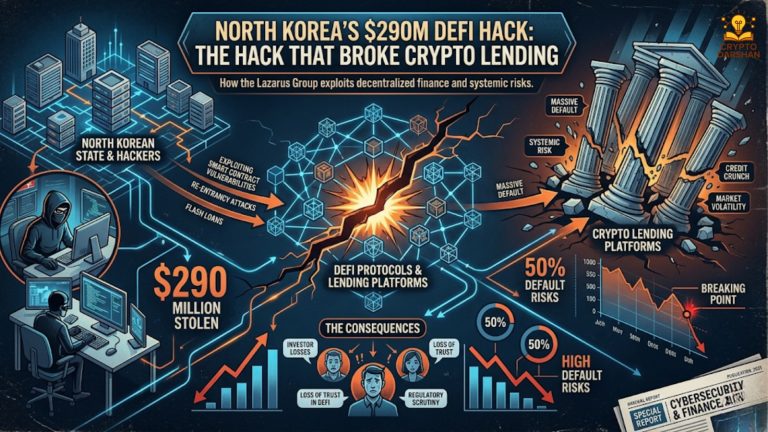
Stablecoins have become one of the most important parts of the cryptocurrency world. They act as a bridge between traditional finance and digital assets, offering the stability of fiat currency with the flexibility of blockchain technology. Among all stablecoins, USDT (Tether) and USDC (USD Coin) are the two biggest names.
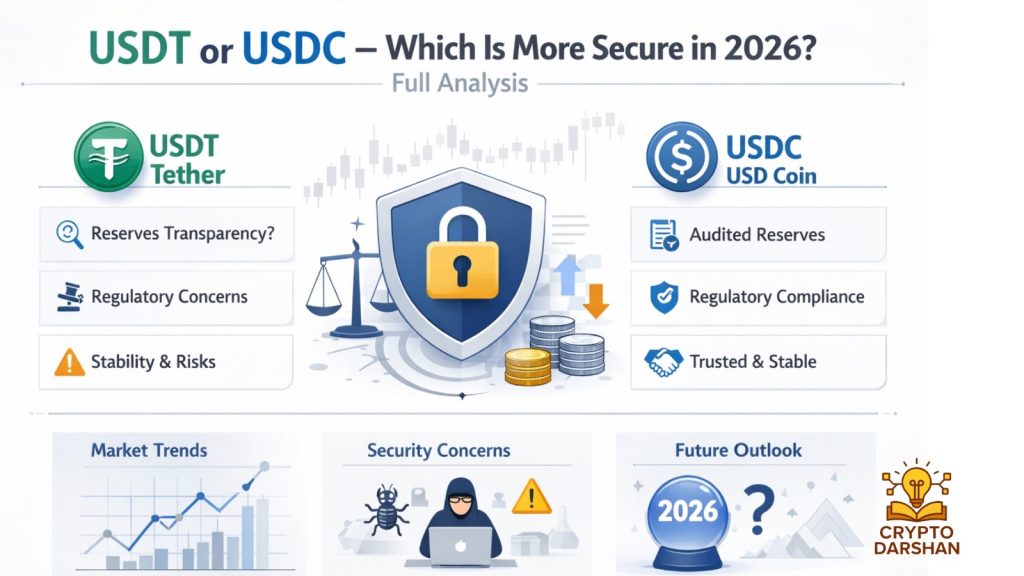
As of 2026, both USDT and USDC continue to dominate the market, but investors and traders often ask the same question: Which one is more secure?
This full analysis explores the differences between USDT and USDC, their backing, transparency, regulations, and overall safety. The goal is to explain everything simply and clearly, so anyone can understand which stablecoin might be the better choice in 2026.
What Are Stablecoins?
Stablecoins, which can be found through top crypto exchanges, are designed to bridge the gap between the unpredictability of popular cryptocurrencies like Bitcoin (BTC) and the stability required for everyday financial transactions. By pegging their value to fiat currencies, commodities, or other financial instruments, stablecoins offer a crypto alternative with reduced volatility.
They are used for trading, payments, and storing value without the price volatility seen in Bitcoin or Ethereum. Stablecoins make it easier to move money across exchanges, send funds globally, and protect against crypto market swings.
There are three main types of stablecoins:
- Fiat-backed stablecoins – backed by real-world assets like cash or government bonds (e.g., USDT and USDC).
- Crypto-backed stablecoins – backed by other cryptocurrencies (e.g., DAI).
- Algorithmic stablecoins – use algorithms to control supply and demand (e.g., UST, which failed in 2022).
USDT and USDC both belong to the fiat-backed category, meaning they are supported by reserves held in banks or financial institutions.
Overview of USDT (Tether).
USDT, or Tether, is the oldest and most widely used stablecoin in the world. It was launched in 2014 by Tether Limited, a company closely linked to the crypto exchange Bitfinex.
Tether’s main goal is to provide a digital version of the US dollar that can be easily transferred across blockchains. It operates on multiple networks, including Ethereum, Tron, Solana, and others.
Key Facts About USDT
- Launch Year: 2014
- Issuer: Tether Limited
- Peg: 1 USDT = 1 USD
- Market Cap (2026): Over $100 billion
- Blockchains Supported: Ethereum, Tron, Solana, Avalanche, and more
USDT has been the most traded cryptocurrency in the world for years, often surpassing Bitcoin in daily trading volume. It’s widely used on exchanges, DeFi platforms, and payment systems.
Overview of USDC (USD Coin).
USDC, or USD Coin, was launched in 2018 by Circle in partnership with Coinbase under the Centre Consortium. It was created as a more transparent and regulated alternative to Tether.
USDC is also pegged 1:1 to the US dollar and is backed by cash and short-term US Treasury bonds. It’s known for its strong compliance with US regulations and regular audits.
Key Facts About USDC
- Launch Year: 2018
- Issuer: Circle (in partnership with Coinbase)
- Peg: 1 USDC = 1 USD
- Market Cap (2026): Around $30–40 billion
- Blockchains Supported: Ethereum, Solana, Polygon, Avalanche, and others
USDC is often preferred by institutions and regulated platforms because of its transparency and compliance with financial laws.
How USDT and USDC Maintain Their Peg?
Both USDT and USDC aim to keep their value equal to 1 USD. They do this by holding reserves that back every token in circulation.
USDT’s Peg Mechanism.
Tether claims that every USDT is backed by a mix of:
- Cash and bank deposits
- Treasury bills
- Commercial paper (short-term corporate debt)
- Other investments
When users buy USDT, Tether adds more tokens to circulation. When users redeem USDT for dollars, Tether burns (destroys) the tokens.
However, Tether has faced criticism for not always being transparent about its reserves. In the past, it was accused of holding risky assets and not having full cash backing.
USDC’s Peg Mechanism.
USDC maintains its peg through a more transparent system. Circle holds reserves in:
- Cash held in US-regulated banks
- Short-term US Treasury bonds
Circle publishes monthly reports verified by independent accounting firms. This transparency helps build trust among users and regulators.
Transparency and Auditing.

Transparency is one of the biggest factors in determining a stablecoin’s security. Let’s compare how USDT and USDC handle this.
USDT Transparency.
Tether has improved its transparency over the years but still faces skepticism.
- It provides quarterly attestations of its reserves, verified by accounting firms.
- However, these are not full audits.
- In the past, Tether faced legal action from the New York Attorney General for misleading statements about its reserves.
Since then, Tether has reduced its exposure to risky assets and now claims that most of its reserves are in US Treasury bills.
USDC Transparency.
USDC is known for its high level of transparency.
- Circle publishes monthly reserve reports verified by top accounting firms.
- It complies with US financial regulations and works closely with government agencies.
- Circle’s reports show that USDC is fully backed by cash and short-term Treasuries.
This level of openness makes USDC one of the most trusted stablecoins in the market.
Regulation and Compliance.
Regulation plays a major role in determining a stablecoin’s safety. Governments around the world are paying closer attention to stablecoins, especially after the collapse of algorithmic coins like TerraUSD in 2022.
USDT Regulation.
Tether operates globally but is not fully regulated in the United States.
- It is registered with the Financial Crimes Enforcement Network (FinCEN) but does not fall under strict US banking laws.
- Tether has faced multiple investigations and fines for lack of transparency.
- Despite this, it continues to operate legally in many countries and has improved its compliance efforts.
USDC Regulation.
USDC is issued by Circle, a US-based company that follows strict financial regulations.
- Circle is registered with FinCEN and complies with US money transmission laws.
- It works with regulated banks and financial institutions.
- Circle has also applied for a US federal banking charter, which would make USDC even more secure under US law.
In terms of regulation, USDC is clearly ahead of USDT.
Market Adoption and Liquidity.
Security also depends on how widely a stablecoin is used and accepted.
USDT Adoption.
USDT is the most widely used stablecoin in the world.
- It’s supported by almost every crypto exchange.
- It’s used in trading pairs, DeFi platforms, and cross-border payments.
- Its liquidity is unmatched, making it easy to buy, sell, or transfer anywhere.
Because of its massive adoption, USDT remains the default stablecoin for most traders.
USDC Adoption.
USDC is popular among regulated exchanges, institutions, and DeFi platforms.
- It’s the preferred stablecoin for US-based users and companies.
- It’s integrated into major payment systems and Web3 applications.
- Many DeFi protocols use USDC as their main stable asset because of its transparency.
While USDC’s market cap is smaller than USDT’s, its reputation for safety makes it a strong choice for long-term holders.
Security of Reserves.
The security of a stablecoin depends on the quality and safety of its reserves.
USDT Reserves.
Tether’s reserves include:
- Over 80% in US Treasury bills (as of 2026)
- The rest in cash, secured loans, and other assets.
Tether has reduced its exposure to risky assets like commercial paper, which once made up a large part of its reserves. This change has improved its stability and trustworthiness.
USDC Reserves.
USDC’s reserves are simpler and safer:
- 100% held in cash and short-term US Treasuries
- Stored in regulated US banks.
This makes USDC’s reserves more transparent and less risky than USDT’s.
Risk Factors.
When comparing stablecoins like USDT (Tether) and USDC (USD Coin), it’s important to understand the risk factors and possible issues that could affect their stability, value, or trustworthiness. Even though both are designed to stay equal to 1 USD, several risks can influence how secure they really are.
Despite their stable value, USDT and USDC are not completely risk-free. Users still face threats such as frozen funds, platform failures, and scams, making it essential to stay informed about common Bitcoin and crypto scams beginners must avoid when holding stablecoins.
1. Regulatory Risks.
Stablecoins operate in a space that’s still being defined by governments.
- USDT: Faces uncertainty because it’s not fully regulated in the United States. If stricter laws are introduced, Tether could face restrictions or fines.
- USDC: Is more compliant with US laws, but that also means it can be affected by sudden regulatory changes or government actions.
In short, regulation can either protect users or limit how the stablecoin operates.
2. Transparency Risks.
Transparency means how openly a company shows what backs its stablecoin.
- USDT: Has faced criticism for not always revealing full details about its reserves. In the past, it held risky assets like commercial paper.
- USDC: Publishes regular, audited reports showing its reserves, which reduces this risk.
If a stablecoin isn’t transparent, users can’t be sure it’s fully backed, which could lead to panic or loss of trust.
3. Reserve Risks.
Stablecoins are supposed to be backed by real assets like cash or government bonds.
- If those reserves lose value or become inaccessible, the stablecoin could lose its peg to the dollar.
- USDT: Holds a mix of assets, including Treasury bills and other investments.
- USDC: Holds only cash and short-term Treasuries, which are safer.
The quality and safety of reserves directly affect how stable the coin remains during market stress.
4. Centralization Risks.
Both USDT and USDC are controlled by private companies.
- This means the issuer can freeze accounts, block transactions, or change policies.
- USDC has frozen wallets in the past to comply with legal orders.
- USDT rarely does this but still has the power to.
Centralization risk means users must trust the company behind the stablecoin to act fairly and responsibly.
5. Market Risks.
Market conditions can also affect stablecoins.
- During crypto crashes or banking crises, users may rush to redeem their stablecoins for cash.
- If too many people do this at once, it can cause temporary depegging (when the coin’s price drops below $1).
For example, USDC briefly fell to $0.88 in 2023 after one of its banks collapsed, though it later recovered.
6. Technology Risks.
Stablecoins run on blockchains, which means they depend on smart contracts and network security.
- Bugs, hacks, or network failures could affect transactions or cause losses.
- Both USDT and USDC operate on multiple blockchains, which spreads risk but also increases complexity.
If a blockchain experiences technical issues, transfers or redemptions could be delayed.
7. Liquidity Risks.
Liquidity means how easily a stablecoin can be bought, sold, or redeemed.
- USDT has the highest liquidity in the crypto market, making it easy to trade.
- USDC also has strong liquidity but is more concentrated in regulated exchanges.
If liquidity dries up, users might not be able to convert their stablecoins to cash quickly, especially during market stress.
8. Counterparty Risks.
This refers to the risk that the institutions holding the reserves (like banks or custodians) could fail.
- If a bank holding USDC’s reserves collapses, it could temporarily affect redemptions.
- Tether also relies on financial partners, and any failure there could impact its operations.
Diversifying banking partners helps reduce this risk, which both companies have been working on.
9. Reputation Risks.
Trust is everything for stablecoins.
- USDT has faced years of controversy over its reserves and legal issues, which still affect its reputation.
- USDC is seen as more transparent, but its link to US regulations can make it less appealing in some regions.
If users lose confidence in a stablecoin, its value could drop below $1, even temporarily.
10. Legal and Jurisdiction Risks.
Where a stablecoin company is based affects how it’s treated by law.
- USDT is registered in offshore jurisdictions, which may offer less legal protection for users.
- USDC is based in the US, giving it stronger legal backing but also more government oversight.
Different jurisdictions mean different levels of safety and accountability.
Performance During Market Crises.

USDT in Crises.
USDT has faced several stress tests.
- During the 2022 crypto crash, it briefly lost its peg but quickly recovered.
- In 2023 and 2024, it remained stable even as other stablecoins failed.
- Its large liquidity helped it survive market shocks.
USDC in Crises.
USDC faced a major challenge in 2023 when one of its banking partners, Silicon Valley Bank, collapsed.
- USDC temporarily dropped to $0.88 before recovering after government intervention.
- This event showed that even regulated stablecoins can face risks from the traditional banking system.
Since then, Circle has diversified its banking partners and improved its risk management.
Technological Security.
Both USDT and USDC are built on multiple blockchains, which adds flexibility but also introduces technical risks.
USDT Technology.
- Operates on over 10 blockchains, including Ethereum, Tron, and Solana.
- Tron-based USDT is the most used version due to low fees.
- Tether has improved its smart contract security over time.
USDC Technology.
- Runs on Ethereum, Solana, Polygon, Avalanche, and others.
- Circle uses advanced security audits and compliance tools.
- USDC is integrated with major DeFi protocols and Web3 apps.
Both stablecoins are technologically sound, but USDC’s code and operations are more transparent.
Global Usage and Accessibility.
USDT Global Reach.
USDT is widely used in Asia, Latin America, and Africa.
- It’s often used for remittances and as a hedge against inflation.
- Many people in countries with unstable currencies prefer USDT because it’s easy to access and transfer.
USDC Global Reach.
USDC is more popular in North America and Europe.
- It’s used by businesses, fintech companies, and institutional investors.
- It’s also gaining traction in developing countries through regulated payment apps.
USDT has broader global usage, while USDC has stronger institutional adoption.
Which Is More Secure in 2026?
After comparing all aspects of transparency, regulation, reserves, and performance, here’s the conclusion:
| Category | USDT (Tether) | USDC (USD Coin) | Winner |
| Transparency | Quarterly attestations | Monthly audited reports | USDC |
| Regulation | Offshore, limited oversight | Fully US-regulated | USDC |
| Liquidity | Highest in the market | High but lower than USDT | USDT |
| Reserves Quality | Mostly Treasuries, some other assets | 100% cash and Treasuries | USDC |
| Global Adoption | Widely used worldwide | Strong in regulated markets | USDT |
| Crisis Performance | Stable under pressure | Recovered from bank crisis | Tie |
| Freezing Risk | Rarely freezes accounts | Can freeze under law | USDT |
| Overall Security (2026) | Improved but less transparent | Highly transparent and regulated | USDC |
FAQ
1. What is the main difference between USDT and USDC in terms of security?
USDC is generally seen as more transparent and regulated, with monthly attestations and reserves held in cash and short-term U.S. Treasury securities. USDT’s reserve disclosures are less frequent and include a wider mix of assets, which some analysts view as riskier.
2. Are USDC reserves fully backed by U.S. dollars?
Yes. USDC reserves are reported to be fully backed by cash and short-term U.S. Treasuries, with regular third-party attestations from major accounting firms that build trust in its backing.
3. How transparent is Tether’s USDT reserve backing?
Tether publishes quarterly reserve reports, but its reserve composition, which can include secured loans, precious metals, and crypto assets besides cash and Treasuries, is considered less transparent than USDC’s. Full independent audits have not been published.
4. Has USDT ever faced official security concerns?
Yes, major ratings agencies like S&P Global have downgraded Tether’s credit assessment to the lowest level due to higher-risk assets in reserves and limited transparency, raising questions about its long-term stability.
5. Can both stablecoins lose their $1 peg?
In stressful market conditions, both USDT and USDC have temporarily traded below $1 in the past, illustrating that no stablecoin is totally risk-free. However, USDC has restored its peg quickly after past stress events.
6. Which stablecoin offers stronger regulatory compliance?
USDC generally scores higher on regulatory compliance it adheres to U.S. money-transmission laws, has SEC oversight, and complies with international standards like the EU’s MiCA regime, which enhances its institutional credibility. USDT operates with less regulatory alignment.
7. Is USDT still secure despite its transparency issues?
USDT remains highly liquid, extremely widely used, and stable in price historically; these market attributes lend practical resilience. But transparency and reserve composition issues remain focal points for regulatory and institutional observers.
8. Should everyday users be concerned about security when holding stablecoins?
All stablecoins carry risk, including centralization, reserve mix, counterparty risk, and the ability for issuers to freeze funds. Users seeking the highest standards of audit transparency and regulatory compliance often regard USDC as safer, while USDT’s broad liquidity still makes it useful for trading and remittances.
9. Which one is more secure overall in 2026?
Based on 2025–26 trends, USDC is generally viewed as more secure because of its regulatory alignment and transparent reserves. USDT remains dominant in market size and liquidity but exhibits less disclosure and has faced formal credit downgrades, which can weigh on perceived security.
10. How should I choose between USDT and USDC?
If regulatory compliance and transparent backing matter most (e.g., for institutional use or long-term holding), USDC is often preferred. If you value maximum liquidity for trading or remittances, USDT may still be the choice, recognizing the trade-off with disclosure and risk profile.
Final Verdict

In 2026, USDC is generally more secure than USDT due to its transparency, regulation, and fully backed reserves. It’s the preferred choice for institutions, businesses, and users who value compliance and safety.
However, USDT remains more practical for global users who need liquidity, accessibility, and fewer restrictions. It’s still the most used stablecoin worldwide and continues to improve its transparency.
In short:
- Choose USDC for safety, regulation, and transparency.
- Choose USDT for liquidity, accessibility, and global usage.
Both stablecoins play vital roles in the crypto ecosystem, and their coexistence ensures that users have options depending on their needs. As the crypto industry matures, both Tether and Circle are likely to face stricter regulations and higher transparency standards, making stablecoins even safer for everyone in the years ahead. As blockchain adoption expands beyond trading, stablecoins are being integrated into finance, remittances, and real-world business use cases. The future security of USDT and USDC will be shaped by broader blockchain adoption across industries transformed by blockchain technology