Robinhood Chain’s decentralized exchange (DEX) trading volume climbed to an all-time high of $819 million in a single 24-hour period, marking a major milestone for the two-month-old blockchain network. The surge underscores rapidly growing user activity and liquidity on the platform, driven largely by memecoin trading, stablecoin swaps, and tokenized stock products.
Record-Breaking DEX Volume
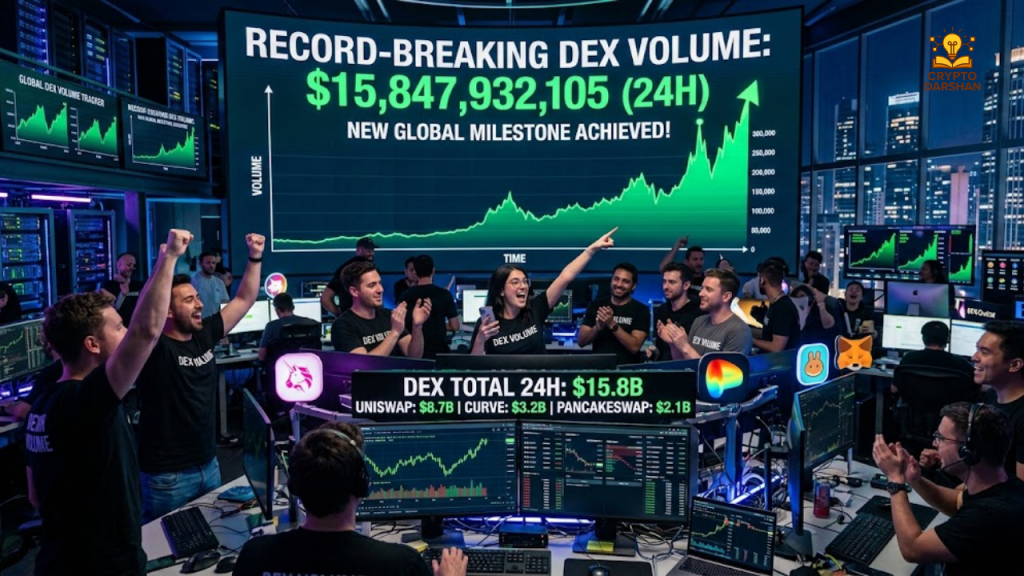
According to on-chain data from Dune Analytics reported on August 31, Robinhood Chain processed $819 million in DEX trading volume over 24 hours, setting a new network record. This figure places Robinhood Chain among the most active blockchains by daily trading volume, trailing only Solana and Ethereum at the time.
Other trackers recorded even higher peaks in the same period, with some sources citing daily DEX volume as high as $989 million and rolling 24-hour volume reaching approximately $1.33 billion by August 31. These variations reflect differences in data sources and timing, but all point to a sharp, sustained uptick in trading activity.
What’s Driving the Surge?
Several factors are fueling the spike in Robinhood Chain’s DEX volume:
- Memecoin mania: A wave of new token launches and speculative trading has dominated activity. On August 30 alone, users created around 22,600 new tokens on the network, with memecoin tools like Pons playing a central role.
- Stablecoin liquidity growth: Stablecoin supply on Robinhood Chain has risen to roughly $770 million, up 47% month-over-month, providing deeper liquidity for swaps and reducing slippage.
- Tokenized stocks: Uniswap on Robinhood Chain has processed about $1.5 billion in tokenized stock trades over six weeks, with single-day peaks near $130 million. These “stock tokens” give traders crypto-native exposure to equities without traditional brokerage accounts.
- Gas subsidies: Robinhood has been subsidizing transaction fees to encourage adoption, though this program is set to expire at the end of September 2026.
Revenue and Network Metrics

The trading boom has translated into strong revenue for applications on Robinhood Chain. On August 30–31, the network generated around $2.66 million in 24-hour app revenue, temporarily surpassing Ethereum’s daily revenue. Three protocols—GMGN, Pons, and Uniswap—accounted for roughly 88% of that revenue.
Other key metrics highlight the network’s rapid scaling:
- Transactions: A record 5.52 million transactions were processed in a single day on August 30.
- Total Value Locked (TVL): TVL climbed to an all-time high of about $708 million, nearly doubling from the previous month.
- Cumulative volume: Robinhood Chain crossed $25–26 billion in cumulative DEX volume just weeks after its July 2026 mainnet launch.
How Robinhood Chain Compares
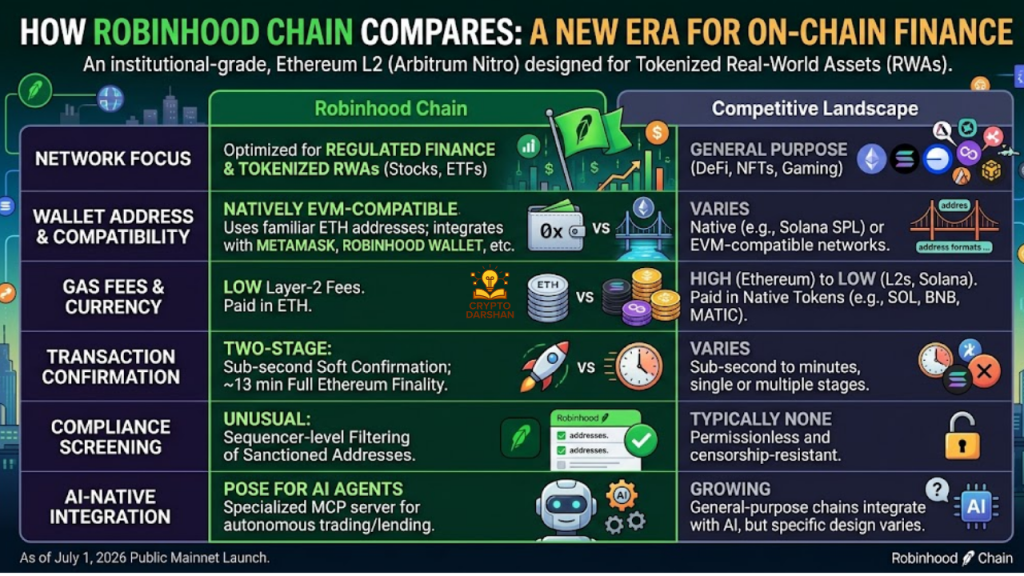
Robinhood Chain is built on Arbitrum’s Layer 2 technology, offering Ethereum-compatible smart contracts with lower fees and faster finality. Its rapid rise in DEX volume has briefly pushed it ahead of Ethereum, BNB Chain, and Base in daily activity, though Solana remains the leader in raw trading throughput.
Unlike many newer chains that rely heavily on airdrops or incentives, Robinhood Chain benefits from integration with the Robinhood Crypto ecosystem, which brings an existing user base of retail traders familiar with the brand.
What to Watch Next
While the numbers are impressive, sustainability remains the key question. Several developments will clarify whether Robinhood Chain’s growth is durable:
- Gas subsidy expiration: Fee subsidies end in late September 2026. If user activity drops sharply afterward, it could signal that growth was incentive-driven rather than organic
- Regulatory scrutiny: Tokenized stock products and memecoin markets may attract regulatory attention, especially in the U.S.
- DeFi diversification: So far, activity has been concentrated in speculative trading. Broader DeFi use cases—lending, yield farming, and real-world asset tokenization—will be critical for long-term health.
Why This Matters for Crypto
Robinhood Chain’s record DEX volume demonstrates how quickly a well-branded, user-friendly blockchain can gain traction when paired with strong liquidity incentives and familiar products like tokenized stocks. For retail traders, it offers a low-friction entry point into decentralized finance. For the broader crypto ecosystem, it highlights the competitive pressure on established chains to improve user experience and reduce costs.
As the network approaches the end of its gas subsidy period, the coming weeks will reveal whether Robinhood Chain can transition from a speculative hotspot to a sustainable Layer 2 hub for trading, DeFi, and tokenized assets.