


BlackRock’s support for the CLARITY Act gives fresh momentum to the push for clearer U.S. crypto rules. The move adds more pressure on lawmakers to act, while also signaling that major Wall Street firms want a cleaner legal framework for digital assets.
What BlackRock Said

BlackRock, the world’s largest asset manager, backed the CLARITY Act in a statement shared with Politico Morning Money, according to reporting from this week. Samara Cohen, BlackRock’s Senior Managing Director and Global Head of Market Development, said the bill is an important step toward a digital asset framework that puts investors first.
She also said the legislation could help the United States shape the next phase of market structure by supporting innovation while preserving transparency, resilience, and investor protections. That is a strong endorsement, especially coming from a firm that manages trillions of dollars and often influences broader financial policy debates.
Why The Bill Matters

The CLARITY Act is a digital asset market structure bill that aims to draw clearer lines between the SEC and the CFTC. In plain terms, it tries to answer a question that has long frustrated crypto companies: which regulator has the lead on which type of digital asset?
That question matters because unclear rules can slow growth, raise compliance costs, and scare away institutions. A clear framework could make it easier for exchanges, token issuers, and asset managers to build products without guessing how regulators might react later.financialservices.
Wall Street’s Growing Support
BlackRock is not alone. Franklin Templeton, Fidelity, Goldman Sachs, Charles Schwab, and Grayscale have also backed the CLARITY Act, according to recent reports. That kind of support suggests the bill is no longer just a crypto industry wish list item.
It is becoming a broader financial market issue. When large asset managers support the same policy, lawmakers tend to pay closer attention because the debate shifts from niche digital assets to the future of capital markets. For crypto firms, that could mean more legitimacy. For regulators, it means more pressure to define rules that are workable in the real world.
What The Bill Could Change
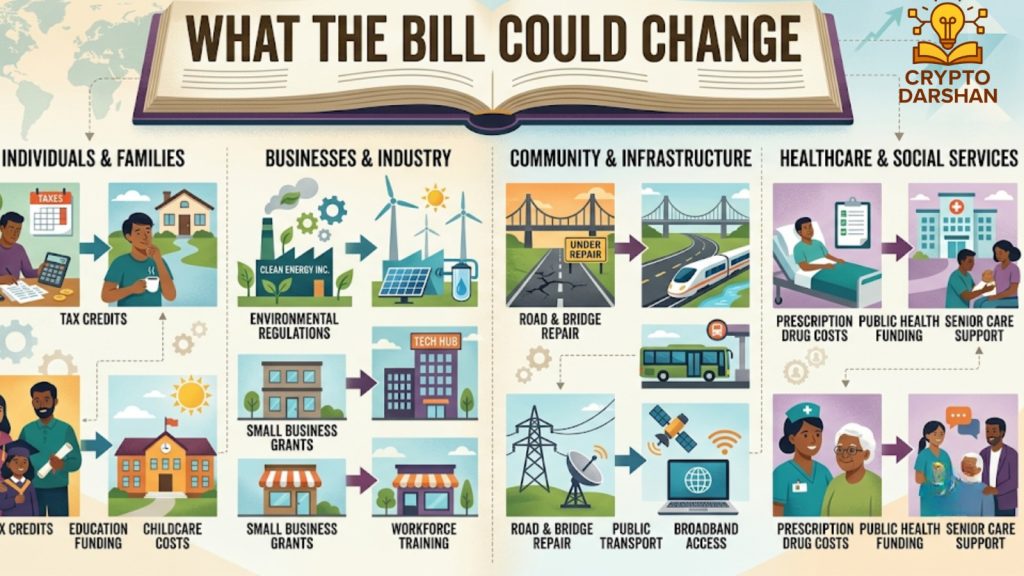
If passed, the CLARITY Act would create more defined oversight between federal agencies and introduce clearer obligations for some digital asset issuers. Reporting on the bill says it would assign responsibilities across the SEC and CFTC and require certain disclosures about blockchain systems, operations, and token distributions.
That could be a major shift for the industry. Instead of facing a patchwork of enforcement actions and uncertain guidance, companies could work from a more visible rulebook. For investors, the promise is better protection and fewer surprises.
Still, the bill is not a finished solution. It would not remove all risk from crypto, and it would not end all regulatory disagreement. But it could create a stronger base for the next phase of market growth.
Senate Timing Is Tight
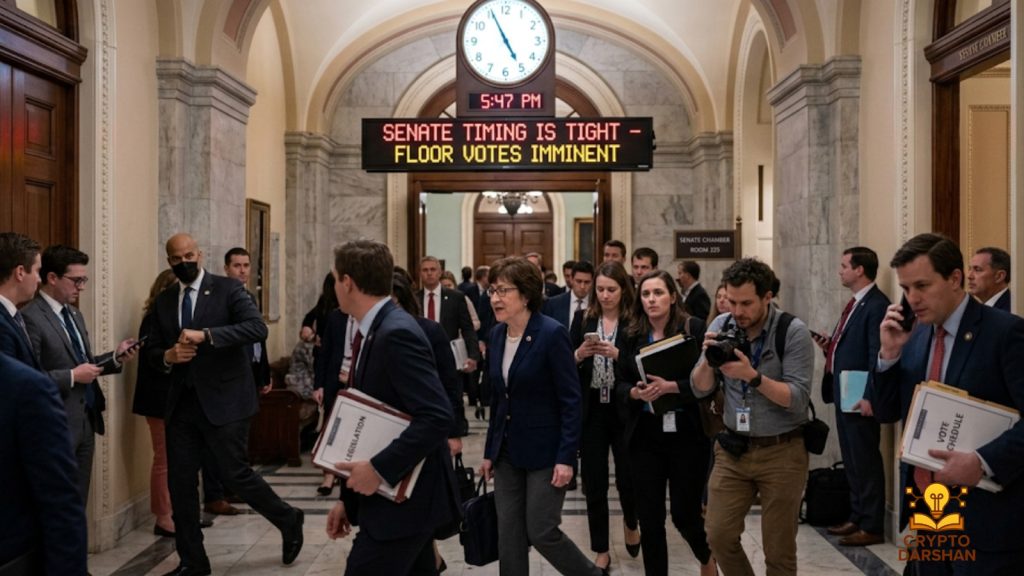
The legislative window is narrowing fast. Several reports say supporters are pushing the Senate to move before the August recess, with the calendar becoming a serious obstacle to passage. That means even with strong industry support, the bill still faces procedural and political hurdles.
This timing pressure gives the story extra urgency. The closer Congress gets to recess and election season, the harder it becomes to move complex legislation quickly. For crypto companies waiting for clarity, every delay keeps the old uncertainty in place.
What It Means For Crypto

For the crypto market, BlackRock’s endorsement is more than a headline. It is a sign that institutional finance is increasingly willing to support formal crypto regulation instead of avoiding the issue. That shift could help normalize digital assets in the eyes of traditional investors.
It may also matter for prices and sentiment, because regulatory clarity often lowers one of the biggest fears in crypto: sudden enforcement uncertainty. If lawmakers eventually move the CLARITY Act forward, the sector could see a stronger path for exchange listings, custody, token classification, and product development.