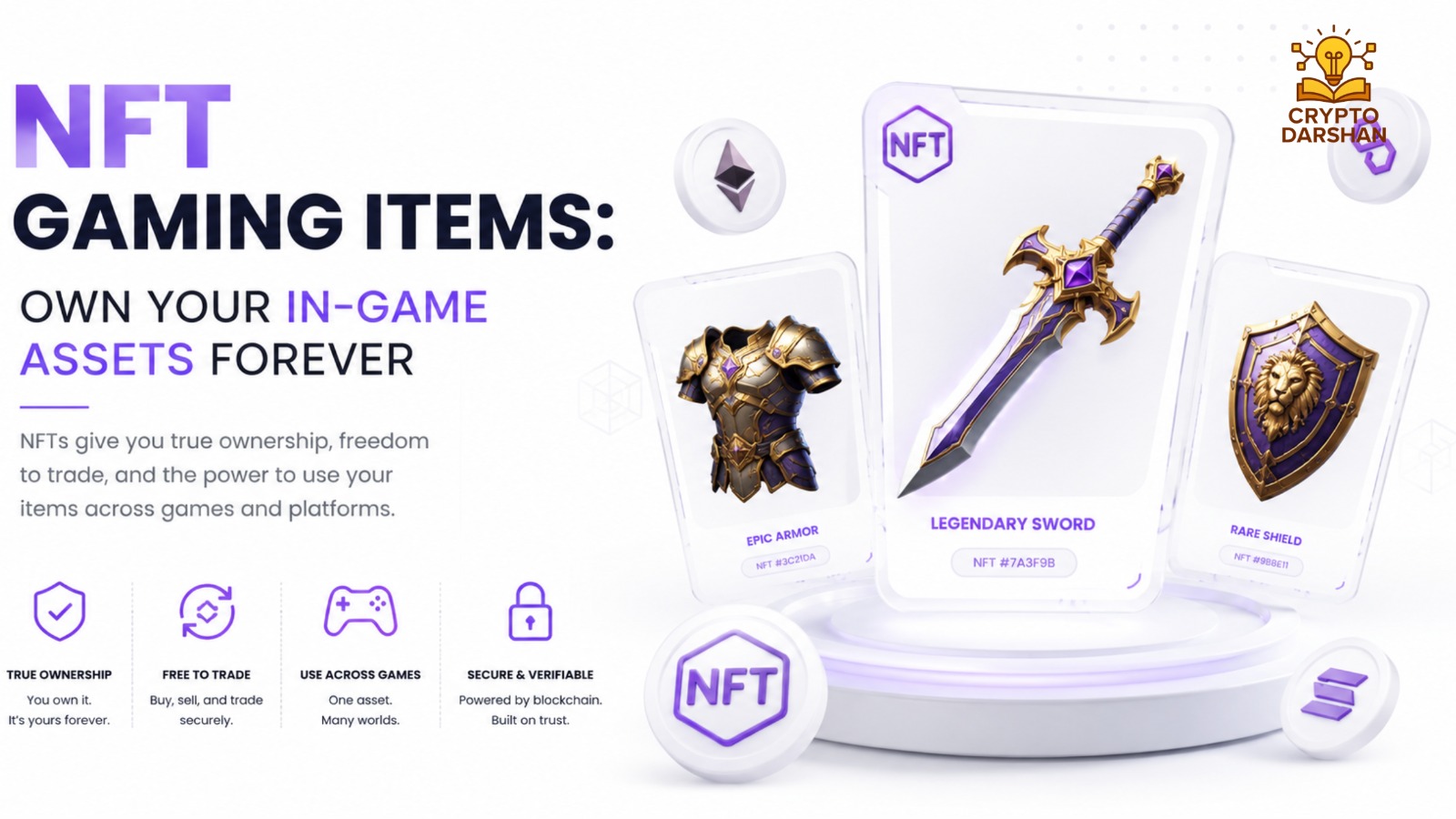
The world of gaming is undergoing a massive transformation, and at the heart of this revolution lies NFT Gaming. For decades, players have spent countless hours and money acquiring in-game items—skins, weapons, characters, and collectibles—only to realize they don’t truly own them. These assets are locked within centralized servers, controlled entirely by game developers. If a game shuts down or an account is banned, everything is lost.
NFT Gaming changes this dynamic completely. By integrating blockchain technology and non-fungible tokens (NFTs), players can now truly own, trade, and monetize their in-game assets. This shift is redefining digital ownership, creating new economies, and empowering gamers like never before.
This comprehensive guide explores the rise of NFT Gaming, how it works, its benefits, challenges, and the future of digital ownership in the gaming industry. It also examines how NFTs are reshaping the relationship between players, developers, and virtual worlds.
What Is NFT Gaming?
NFT Gaming refers to video games that use non-fungible tokens (NFTs) to represent in-game assets. NFTs are unique digital tokens stored on a blockchain, proving ownership and authenticity of a specific item. Unlike traditional in-game items, NFTs cannot be duplicated or altered without the owner’s consent.
In NFT Gaming, every item—whether it’s a sword, a piece of land, or a rare skin—exists as a verifiable digital asset. Players can buy, sell, or trade these items freely on blockchain marketplaces, often for real-world value. This creates a new layer of economic opportunity and player empowerment.
Key Characteristics of NFT Gaming
- True Ownership – Players own their assets independently of the game developer.
- Interoperability – Items can sometimes be used across multiple games or platforms.
- Scarcity and Authenticity – Each NFT is unique and verifiable on the blockchain.
- Play-to-Earn (P2E) – Players can earn real income through gameplay.
- Decentralization – Game economies are governed by smart contracts, not centralized servers.
The Evolution of NFT Gaming
Early Digital Economies
Before NFT Gaming, virtual economies existed in games like World of Warcraft, Runescape, and Second Life. Players traded virtual goods, but ownership was always limited by the game’s terms of service. Developers could delete items or ban accounts at any time.
The Rise of Blockchain Gaming
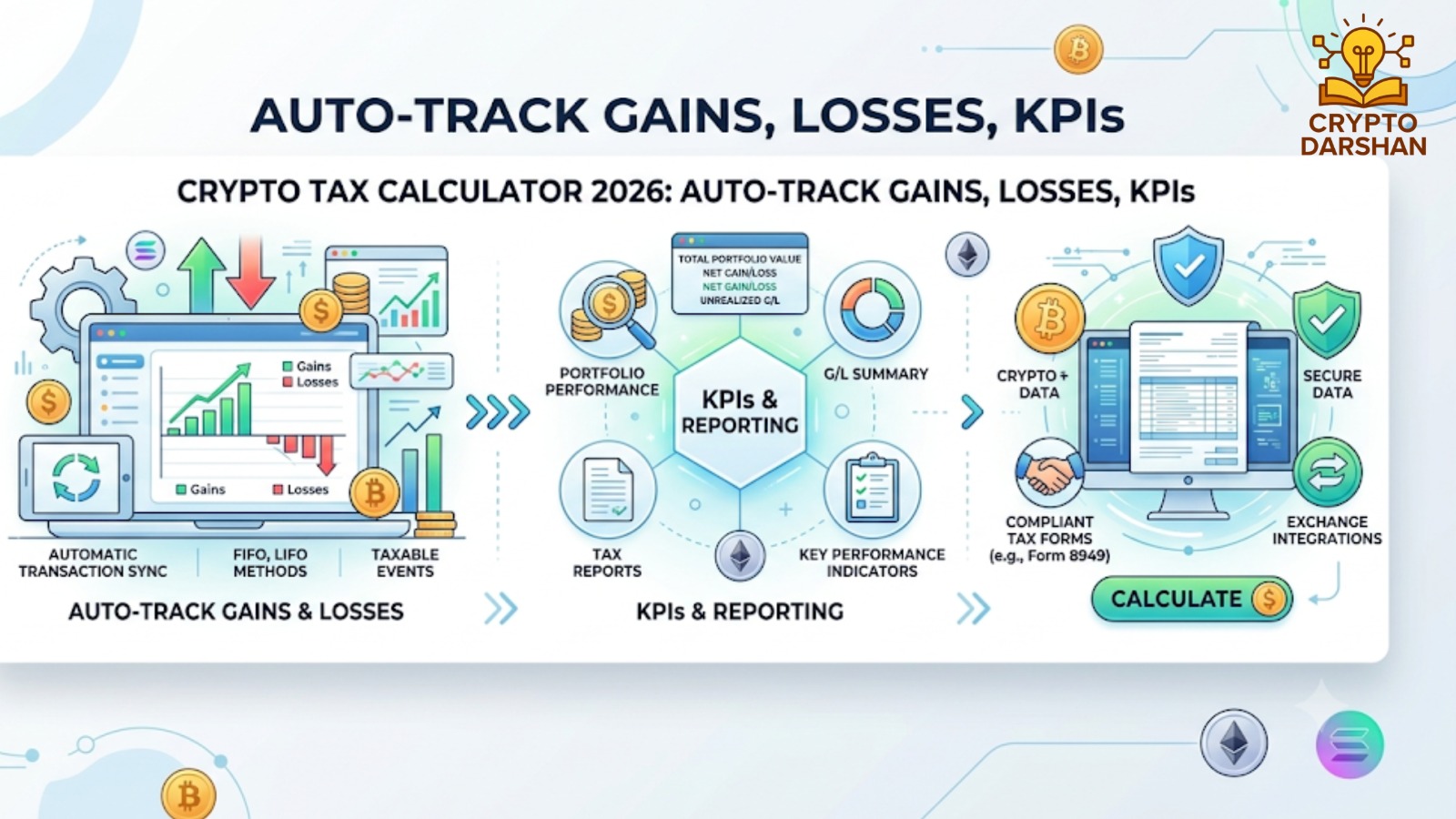
The introduction of blockchain technology changed everything. Games like CryptoKitties (2017) demonstrated how NFTs could represent unique digital collectibles. This concept quickly evolved into full-fledged NFT Gaming ecosystems, where players could own and trade assets freely. Players who profit from trading gaming assets should understand the NFT tax implications that may apply in their jurisdiction.
The Play-to-Earn Revolution
The Play-to-Earn (P2E) model became a defining feature of NFT Gaming. Titles like Axie Infinity allowed players to earn cryptocurrency by participating in battles and breeding digital creatures. This model attracted millions of players, especially in developing countries, where gaming became a source of income.
The Metaverse Connection
As the concept of the metaverse gained traction, NFT Gaming became a cornerstone of virtual worlds. Games like The Sandbox and Decentraland allow players to own land, build experiences, and monetize their creations—all powered by NFTs.
How NFT Gaming Works
Blockchain Technology
At the core of NFT Gaming is blockchain technology—a decentralized ledger that records ownership and transactions. Each NFT is stored on the blockchain, ensuring transparency and security. Popular blockchains for gaming include Ethereum, Polygon, Solana, and BNB Chain.
Smart Contracts
Smart contracts are self-executing programs that define the rules of the game economy. They handle transactions, ownership transfers, and reward distributions automatically, eliminating the need for intermediaries.
Token Standards
NFTs in gaming are typically built using token standards such as:
- ERC-721 – Represents unique, indivisible assets.
- ERC-1155 – Allows for both fungible and non-fungible assets in one contract, ideal for games with multiple item types.
Game Integration
Developers integrate NFTs into their games by linking blockchain assets with in-game functionality. For example, owning an NFT sword might grant special abilities or access to exclusive areas within the game.
Marketplaces and Trading
Players can trade their NFTs on decentralized marketplaces like OpenSea, Magic Eden, or game-specific platforms. This creates a thriving secondary market where in-game items have real-world value.
Benefits of NFT Gaming

1. True Digital Ownership
In traditional games, players never truly own their items. NFT Gaming changes that by giving players full control over their assets. Ownership is recorded on the blockchain, meaning no developer can take it away.
2. Real-World Value
NFTs can be sold or traded for cryptocurrency, which can then be converted into fiat money. This gives players the ability to earn real income from their gaming achievements.
3. Interoperability Across Games
Some NFT Gaming projects allow assets to be used across multiple games or platforms. For example, a character skin purchased in one game might be usable in another, creating a connected gaming ecosystem.
4. Transparency and Security
Blockchain ensures that all transactions are transparent and verifiable. Players can see the history of an item, including its creation, ownership, and trade records.
5. Empowering Players and Creators
NFT Gaming empowers both players and creators. Players can monetize their time and skill, while creators can earn royalties from secondary sales of their NFTs.
The Play-to-Earn Model Explained
What Is Play-to-Earn?
Play-to-Earn (P2E) is a model where players earn rewards—usually in the form of cryptocurrency or NFTs—by participating in gameplay. These rewards can be traded or sold, turning gaming into a potential source of income.
How It Works
- Players complete tasks, battles, or quests.
- They earn tokens or NFTs as rewards.
- These assets can be sold on marketplaces or used within the game.
- Earnings can be converted into real-world currency.
Popular Play-to-Earn Games
- Axie Infinity – Players breed and battle creatures called Axies.
- The Sandbox – Users buy land, build experiences, and earn from visitors.
- Gods Unchained – A trading card game where cards are NFTs.
- Illuvium – A high-quality RPG with collectible NFT creatures.
Economic Impact
The NFT Gaming economy has created new opportunities for players worldwide. In some regions, gamers earn more from playing than from traditional jobs. This has led to the rise of gaming guilds and scholarship programs that help new players get started.
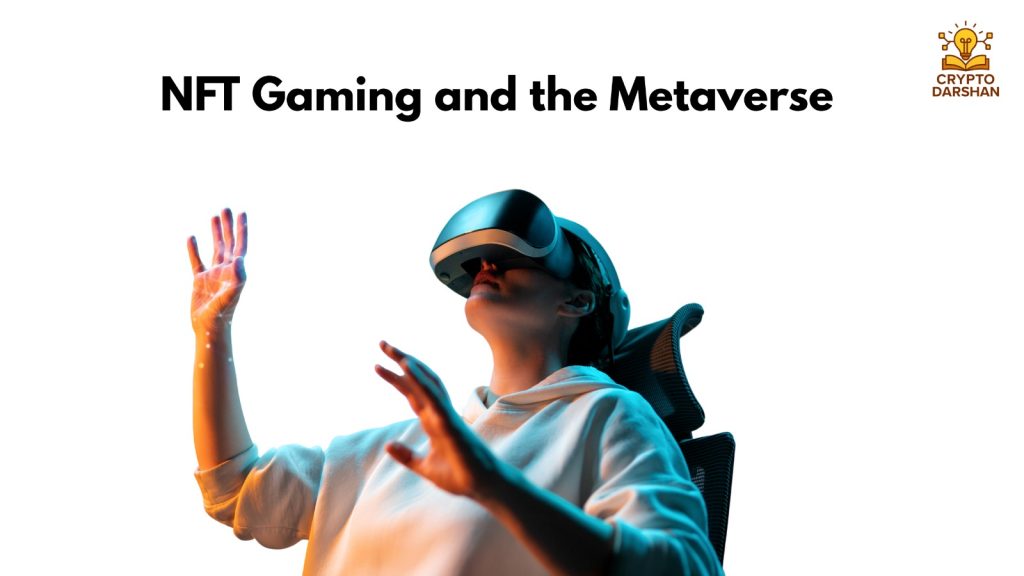
NFT Gaming and the Metaverse
The Role of NFTs in Virtual Worlds
In the metaverse, NFTs represent everything from avatars and clothing to land and buildings. NFT Gaming serves as the foundation for these virtual economies, allowing users to own and trade digital property.
Interconnected Economies
The metaverse envisions a future where assets move seamlessly between games and platforms. A sword earned in one NFT Gaming world could be used in another, creating a unified digital economy.
Gaming assets are one of the most successful examples of NFT utility beyond art, giving players ownership of digital items with real-world value.
Social and Creative Opportunities
Players can build, design, and sell virtual experiences. Artists and developers can collaborate to create immersive worlds, all powered by NFTs and blockchain technology.
Challenges Facing NFT Gaming

1. Environmental Concerns
Some blockchains, especially those using Proof of Work, consume significant energy. However, newer networks like Ethereum (after the Merge) and Polygon use energy-efficient Proof of Stake systems, reducing environmental impact.
2. Market Volatility
The value of NFTs and cryptocurrencies can fluctuate dramatically. This volatility can affect the stability of NFT Gaming economies and player earnings.
3. Regulatory Uncertainty
Governments are still developing regulations for digital assets. Unclear legal frameworks can pose challenges for developers and players alike.
4. Scams and Fraud
The popularity of NFTs has attracted bad actors. Fake projects, rug pulls, and phishing scams are common. Players must exercise caution and verify the legitimacy of games and marketplaces.
5. Accessibility and Complexity
For newcomers, setting up wallets, buying crypto, and understanding blockchain can be intimidating. Simplifying onboarding processes is crucial for mass adoption of NFT Gaming.
The Future of NFT Gaming
Mainstream Adoption
As technology matures, NFT Gaming is expected to become mainstream. Major gaming studios are exploring blockchain integration, and traditional gamers are beginning to embrace digital ownership. Beyond gaming, innovative NFT use cases are emerging in industries such as ticketing, identity, and digital ownership.
Improved User Experience
Future games will likely hide blockchain complexity behind user-friendly interfaces. Players will enjoy the benefits of NFTs without needing deep technical knowledge.
Cross-Platform Interoperability
Developers are working toward universal standards that allow NFTs to move freely between games and platforms. This will create a truly interconnected gaming ecosystem.
Integration with Artificial Intelligence
AI can enhance NFT Gaming by creating dynamic, evolving assets. For example, an AI-powered NFT character could learn and adapt based on gameplay, making each asset truly unique.
Sustainable Economies
Developers are focusing on creating balanced, sustainable in-game economies that reward players without causing inflation or devaluing assets.
NFT Gaming and Game Developers
New Revenue Models
Developers can earn royalties from secondary sales of NFTs, creating ongoing revenue streams. This incentivizes them to build long-term, player-driven economies.
Community Engagement
NFT Gaming fosters stronger relationships between developers and players. Communities can participate in governance through decentralized autonomous organizations (DAOs), influencing game development decisions.
Crowdfunding and Early Access
NFTs can be used to fund game development. Players can purchase early-access NFTs that grant exclusive content or privileges, supporting developers directly.
Real-World Examples of NFT Gaming Success
Axie Infinity
One of the pioneers of NFT Gaming, Axie Infinity introduced millions to Play-to-Earn mechanics. Players breed, battle, and trade Axies, each represented as an NFT. At its peak, the game generated billions in trading volume.
The Sandbox
The Sandbox allows players to buy virtual land, build experiences, and monetize them. Its voxel-based world has attracted major brands and celebrities, making it a leading metaverse platform.
Decentraland
In Decentraland, users own parcels of virtual land as NFTs. They can build games, host events, and create businesses within the metaverse, all powered by blockchain.
Gods Unchained
A competitive trading card game where each card is an NFT. Players truly own their decks and can trade cards freely, unlike traditional digital card games.
Illuvium
A visually stunning RPG that combines open-world exploration with NFT collectibles. Players capture creatures called Illuvials, each with unique traits and market value.
The Economic Ecosystem of NFT Gaming
Tokenomics
Most NFT Gaming projects have their own native tokens used for transactions, governance, and rewards. Balancing token supply and demand is crucial for maintaining a healthy economy.
Secondary Markets
NFT marketplaces enable players to trade assets freely. This creates liquidity and allows players to realize the real-world value of their in-game achievements.
Guilds and Scholarships
Gaming guilds like Yield Guild Games (YGG) provide scholarships to new players, lending them NFTs to start playing. This model democratizes access to NFT Gaming and fosters community growth.
The Psychology of Ownership in NFT Gaming
Emotional Investment
Owning NFTs creates a deeper emotional connection between players and their assets. When players truly own their items, they value them more and engage more deeply with the game.
Status and Identity
Rare NFTs can serve as status symbols, showcasing a player’s achievements or wealth. This mirrors real-world luxury goods and collectibles.
Motivation and Retention
The ability to earn and trade assets motivates players to spend more time in the game. This increases player retention and community engagement.
NFT Gaming and Digital Collectibles
Beyond Gameplay
NFTs aren’t limited to functional items. They can also represent collectibles, achievements, or artwork within games. Players can display their collections in virtual galleries or metaverse spaces.
Limited Editions and Exclusivity
Developers can create limited-edition NFTs that increase in value over time. This scarcity drives demand and adds excitement to the gaming experience.
Integration with Real-World Brands
Brands are entering the NFT Gaming space by releasing branded items and collaborations. This bridges the gap between gaming, fashion, and entertainment.
Security and Ownership Protection
Blockchain Verification
Every NFT transaction is recorded on the blockchain, ensuring transparency and preventing duplication or forgery.
Wallet Security
Players store their NFTs in digital wallets secured by private keys. Hardware wallets and multi-signature setups provide additional protection.
Decentralized Storage
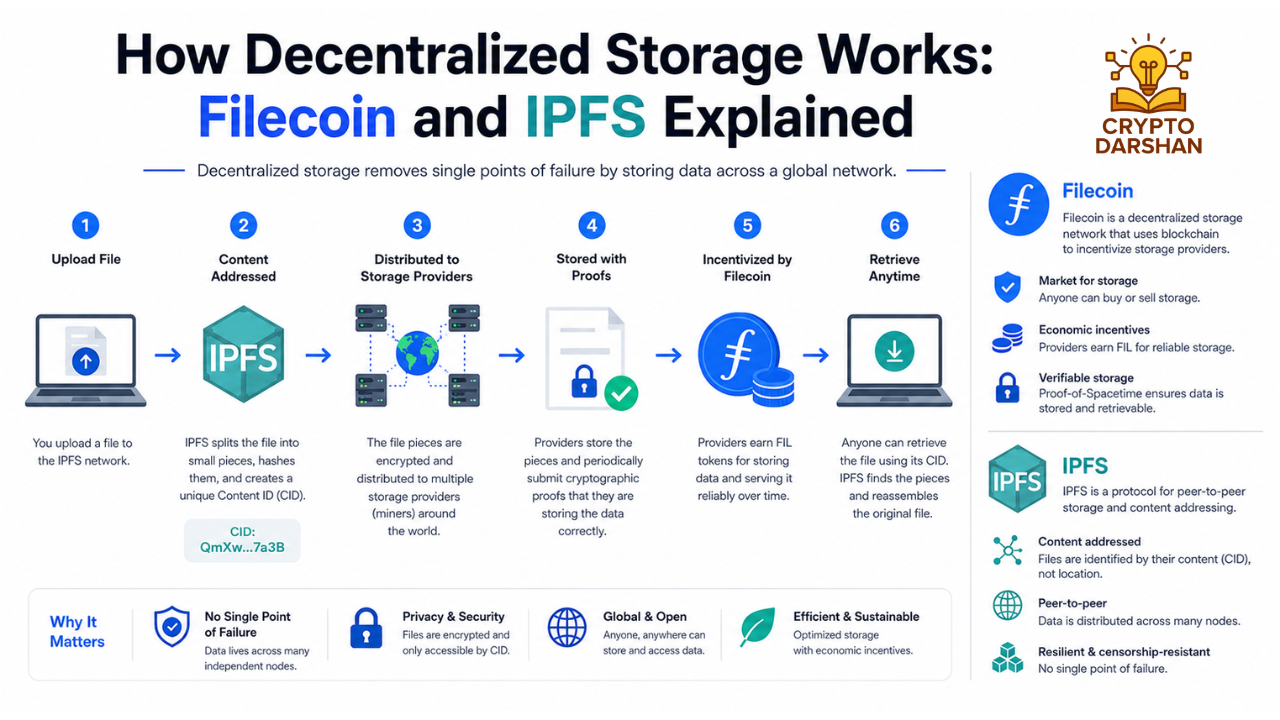
Some NFT Gaming projects use decentralized storage solutions like IPFS to ensure that assets remain accessible even if a game’s servers go offline.
The Social Impact of NFT Gaming
Economic Empowerment
NFT Gaming has created new income opportunities, especially in developing countries. Players can earn a living through gameplay, trading, and content creation.
Community Building
NFT-based games foster strong communities where players collaborate, trade, and share experiences. These communities often evolve into decentralized organizations that shape the game’s future.
Education and Skill Development
Players learn about blockchain, finance, and digital ownership through NFT Gaming, gaining valuable skills for the digital economy.
The Road Ahead: NFT Gaming in 2026 and Beyond

By 2026, NFT Gaming is expected to be a dominant force in the gaming industry. With advancements in blockchain scalability, interoperability, and user experience, the barriers to entry will continue to fall.
Major gaming studios are likely to adopt NFT integration, while indie developers will experiment with new models of player ownership and governance. The line between gaming, finance, and social interaction will blur, creating a new digital frontier.
As virtual and real economies merge, NFT Gaming will redefine what it means to play, earn, and own in the digital age.
FAQ: NFT Gaming Items – Own Your In-Game Assets Forever
1. What are NFT gaming items?
NFT gaming items are in-game assets represented as non-fungible tokens (NFTs) on a blockchain. They can include characters, weapons, skins, collectibles, land, and other virtual items that players truly own.
2. How do NFT gaming items differ from traditional in-game items?
In traditional games, items are controlled by the game developer and can be modified or removed. NFT gaming items are stored on a blockchain, giving players verifiable ownership and the ability to trade or sell them independently.
3. What does it mean to “own” an NFT gaming item?
Owning an NFT gaming item means you hold it in your digital wallet and can transfer, sell, or potentially use it across compatible platforms without relying solely on the game publisher.
4. Can I sell my NFT gaming items?
Yes. Most NFT gaming items can be traded on NFT marketplaces, allowing players to buy, sell, or exchange assets with other users.
5. Which blockchains are commonly used for NFT gaming?
Popular blockchains for NFT gaming include Ethereum, Solana, Polygon, and Immutable due to their support for smart contracts and digital collectibles.
6. Are NFT gaming items unique?
Many NFT gaming items are unique, while others may be part of limited collections. Blockchain technology allows each item to have a verifiable identity and ownership history.
7. What are the benefits of NFT gaming items?
Benefits include true ownership, player-driven economies, asset portability, transparency, scarcity verification, and the ability to trade items outside the game.
8. Can NFT items be used in multiple games?
In some cases, yes. Developers can create interoperable assets that work across multiple games or virtual worlds, although this is not yet common across the gaming industry.
9. Do I need cryptocurrency to buy NFT gaming items?
Usually, yes. Most NFT marketplaces require cryptocurrency to purchase items, although some platforms now support credit card payments and fiat currency options.
10. What is play-to-earn gaming?
Play-to-earn (P2E) gaming allows players to earn rewards, tokens, or NFT assets through gameplay, which may have real-world value.
Conclusion
NFT Gaming represents a paradigm shift in how players interact with digital worlds. For the first time, gamers can truly own their in-game assets, trade them freely, and even earn real income from their time and skill. This new model empowers players, fosters creativity, and builds sustainable virtual economies.
While challenges remain—such as regulation, scalability, and user education—the potential of NFT Gaming is undeniable. It’s not just a trend; it’s the future of gaming and digital ownership.
As technology evolves, NFT Gaming will continue to bridge the gap between entertainment, finance, and community. The era of true digital ownership has begun, and players now hold the keys to their virtual kingdoms—forever.