The rise of cryptocurrency has transformed the global financial landscape, introducing new ways to send, receive, and store value. Among the industries most affected by this digital revolution is freelancing. As remote work and digital marketplaces expand, freelancers are increasingly turning to crypto payments for faster, cheaper, and borderless transactions. This shift is redefining how professionals get paid, how clients hire talent, and how online platforms operate. Freelancers in emerging markets are increasingly adopting cryptocurrency due to faster settlements and lower transaction fees. This shift is part of a broader trend explained in How Crypto Is Used in Developing Countries (Beyond Trading), where digital assets enable borderless payments without relying on traditional banks.
This comprehensive guide explores how cryptocurrency is changing freelancing and online payments, from its benefits and challenges to its long-term impact on the global gig economy.
1. The Evolution of Freelancing and Digital Payments
1.1 The Rise of the Gig Economy
Gig economy statistics show a free market system where organizations and independent workers engage in short-term work arrangements. BLS data suggest that in 2017, the US gig economy had 55 million participants. It’s estimated that 36% of US workers take part in the gig economy, and 33% of companies extensively use gig workers.
Freelancing has grown rapidly over the past decade, driven by technological advancements, remote work culture, and global connectivity. Millions of professionals now work independently, offering services in writing, design, programming, marketing, and more. Platforms like Upwork, Fiverr, and Freelancer.com have made it easier for clients and freelancers to connect across borders.
However, traditional payment systems have not kept pace with this global shift. Freelancers often face high transaction fees, long processing times, and currency conversion issues when working with international clients.
1.2 The Limitations of Traditional Payment Systems
Conventional payment methods such as bank transfers, PayPal, and credit cards come with several drawbacks:
- High Fees: Cross-border payments can incur fees of 3–10%.
- Slow Processing: International transfers may take several days.
- Currency Conversion Costs: Freelancers lose money when converting between currencies.
- Limited Access: Many freelancers in developing countries lack access to global banking systems.
These challenges have created a demand for faster, cheaper, and more inclusive payment alternatives, paving the way for cryptocurrency adoption.
2. Understanding Cryptocurrency in the Freelance Economy

Cryptocurrency is revolutionizing the freelance economy by offering a faster, more secure, and borderless way to send and receive payments. As freelancers increasingly work with clients across the globe, traditional payment systems often fall short delayed transfers, high fees, and currency conversion issues make transactions inefficient. Cryptocurrency solves many of these problems, creating a new financial model for the digital workforce.
2.1. What Is Cryptocurrency?
Cryptocurrency is a digital form of money that operates on decentralized networks powered by blockchain technology. Unlike traditional currencies issued by governments, cryptocurrencies are not controlled by any central authority. Instead, they rely on cryptographic algorithms to secure transactions and verify ownership.
Popular cryptocurrencies include:
- Bitcoin (BTC): The first and most widely recognized digital currency.
- Ethereum (ETH): Known for enabling smart contracts and decentralized applications.
- Stablecoins (USDT, USDC): Digital currencies pegged to fiat money like the U.S. dollar, offering price stability.
These digital assets can be used for payments, investments, or as a store of value—making them ideal for freelancers who work with international clients.
2.2. How Crypto Payments Work?
Crypto payments are peer-to-peer transactions recorded on a blockchain. When a freelancer receives payment in crypto:
- The client sends funds to the freelancer’s wallet address.
- The transaction is verified by the blockchain network.
- The freelancer receives the funds directly, often within minutes.
This process eliminates intermediaries like banks or payment processors, reducing costs and delays.
2.3. Why Freelancers Are Adopting Crypto?

Freelancers are increasingly turning to cryptocurrency for several key reasons:
- Speed: Payments are processed almost instantly, regardless of location.
- Low Fees: Transaction costs are significantly lower than traditional payment platforms.
- Global Access: Anyone with an internet connection can receive crypto payments, even without a bank account.
- Financial Independence: Freelancers maintain full control over their funds without relying on third-party institutions.
- Security and Transparency: Blockchain technology ensures that transactions are secure, traceable, and tamper-proof.
2.4. The Role of Stablecoins in Freelancing.

One of the biggest concerns with cryptocurrency is price volatility. To address this, many freelancers prefer stablecoins cryptocurrencies pegged to stable assets like the U.S. dollar.
- USDT (Tether) and USDC (USD Coin) are the most popular stablecoins used for freelance payments.
- They maintain a 1:1 value with the dollar, ensuring freelancers don’t lose money due to market fluctuations.
- Stablecoins also make it easier to calculate rates and manage budgets in familiar fiat terms.
2.5. Advantages of Crypto in the Freelance Economy.
- Borderless Payments: Freelancers can work with clients anywhere in the world without worrying about currency restrictions.
- Reduced Transaction Costs: No need for banks or payment gateways that charge high fees.
- Faster Settlements: Payments are completed within minutes instead of days.
- Access to New Markets: Freelancers in developing countries can now participate in the global economy.
- Transparency: Every transaction is recorded on the blockchain, reducing disputes and fraud.
3. Benefits of Cryptocurrency for Freelancers.
3.1 Faster Payments.
Traditional payment systems can take days to process international transfers. With crypto, freelancers can receive payments almost instantly, regardless of location. This speed improves cash flow and financial flexibility.
3.2 Lower Transaction Costs.
Crypto transactions often cost less than $1, even for large amounts. This is a major advantage for freelancers who lose significant income to payment platform fees.
3.3 Borderless Transactions.
Cryptocurrency removes geographical barriers. Freelancers in countries with limited banking access can now work with clients worldwide without worrying about currency restrictions or exchange rates.
3.4 Financial Inclusion.
Millions of people globally remain unbanked. Crypto provides an alternative financial system that allows anyone to participate in the global economy using only a smartphone and an internet connection.
3.5 Protection Against Inflation.
In countries with unstable currencies, freelancers can store earnings in stablecoins or major cryptocurrencies to protect their income from inflation and devaluation.
3.6 Transparency and Security.
Blockchain technology ensures that all transactions are recorded on a public ledger, reducing fraud and disputes. Freelancers can verify payments easily and maintain transparent records for accounting.
4. Benefits of Cryptocurrency for Clients.

4.1 Simplified Global Payments.
Clients can pay freelancers anywhere in the world without dealing with international banking restrictions or currency conversions.
4.2 Reduced Costs.
By eliminating intermediaries, clients save on transaction and processing fees, making it more cost-effective to hire global talent.
4.3 Smart Contracts for Trust.
Smart contracts, self-executing agreements on the blockchain,
automatically release payments when project milestones are met. This ensures fairness and reduces the risk of non-payment or disputes.
4.4 Enhanced Privacy.
Crypto transactions do not require sharing sensitive banking information, offering greater privacy for both clients and freelancers.
5. Popular Cryptocurrencies Used in Freelancing.

5.1 Bitcoin (BTC).
The first and most recognized cryptocurrency, Bitcoin is widely accepted for freelance payments. It offers security and global recognition but can have higher transaction fees during network congestion.
5.2 Ethereum (ETH).
Ethereum supports smart contracts, making it ideal for automated freelance agreements. Many decentralized freelance platforms operate on the Ethereum network.
5.3 Stablecoins (USDT, USDC, BUSD).
Stablecoins are pegged to fiat currencies like the U.S. dollar, offering price stability. They are increasingly popular among freelancers who want to avoid crypto volatility.
5.4 Litecoin (LTC) and Solana (SOL).
These cryptocurrencies offer faster and cheaper transactions, making them practical for smaller freelance payments.
6. Crypto-Powered Freelance Platforms.
As cryptocurrency adoption grows, several freelance platforms have emerged that operate entirely on blockchain technology. These platforms allow freelancers and clients to connect, collaborate, and transact using digital currencies. They eliminate intermediaries, reduce fees, and use smart contracts to ensure secure and transparent payments. Below are five leading crypto-powered freelance platforms transforming the gig economy.
6.1. LaborX
LaborX is a blockchain-based freelance marketplace that connects clients and freelancers globally. It uses smart contracts to automate agreements and payments, ensuring both parties are protected.
- Payment in Crypto: Freelancers can receive payments in Bitcoin, Ethereum, or stablecoins.
- Smart Contracts: Funds are held in escrow until the freelancer completes the work, guaranteeing fair transactions.
- Reputation System: Users build trust through verified reviews and ratings stored on the blockchain.
- Low Fees: LaborX charges minimal service fees compared to traditional platforms.
This platform is ideal for freelancers who want secure, transparent, and fast crypto payments without relying on banks or third-party processors.
6.2. CryptoJobs
CryptoJobs is a niche platform focused on blockchain and cryptocurrency-related work. It connects freelancers with companies and startups in the crypto industry.
- Specialized Marketplace: Offers jobs in blockchain development, DeFi, NFT projects, and crypto marketing.
- Crypto Payments: Most employers pay in Bitcoin, Ethereum, or stablecoins.
- Global Opportunities: Freelancers can work with international crypto companies without currency barriers.
- Community Focus: The platform fosters a network of crypto professionals and enthusiasts.
CryptoJobs is perfect for freelancers who want to work exclusively in the blockchain and Web3 ecosystem.
6.3. Bitwage
Bitwage bridges the gap between traditional and crypto payments by allowing freelancers to receive part or all of their salary in cryptocurrency.
- Flexible Payment Options: Freelancers can choose to receive payments in Bitcoin, Ethereum, or stablecoins.
- Fiat Integration: Clients can pay in fiat currency, while Bitwage automatically converts it to crypto for the freelancer.
- Payroll Services: Companies can use Bitwage to manage crypto payrolls for remote teams.
- Transparency: Every transaction is traceable, ensuring accountability for both parties.
Bitwage is widely used by freelancers who want to earn in crypto while working with clients who prefer paying in traditional currencies.
6.4. Ethlance
Ethlance is one of the first decentralized freelance platforms built on the Ethereum blockchain. It operates without intermediaries, meaning there are no platform fees.
- Zero Fees: Freelancers keep 100% of their earnings.
- Smart Contracts: Payments are secured through Ethereum-based contracts that release funds automatically upon project completion.
- Decentralized Governance: The platform is community-driven, giving users control over its development.
- Transparency: All transactions and contracts are recorded on the blockchain.
Ethlance is ideal for freelancers who value decentralization, transparency, and complete control over their earnings.
6.5. Freelance for Coins
Freelance for Coins is a simple, user-friendly platform where freelancers can offer services and get paid in various cryptocurrencies.
- Multiple Cryptocurrencies: Supports Bitcoin, Litecoin, Ethereum, and other altcoins.
- Wide Range of Services: Freelancers can offer anything from writing and design to programming and marketing.
- Direct Payments: Clients pay freelancers directly in crypto, reducing delays and fees.
- Privacy: No need for bank accounts or personal financial details.
7. Challenges of Using Cryptocurrency in Freelancing.

7.1 Price Volatility
Cryptocurrency prices can fluctuate significantly. Freelancers may receive payment worth $1,000 one day, only to see its value drop the next. Using stablecoins can help mitigate this risk.
7.2 Regulatory Uncertainty
Crypto regulations vary by country. Some governments have embraced digital assets, while others impose restrictions or bans. Freelancers must stay informed about local laws.
7.3 Taxation Complexity
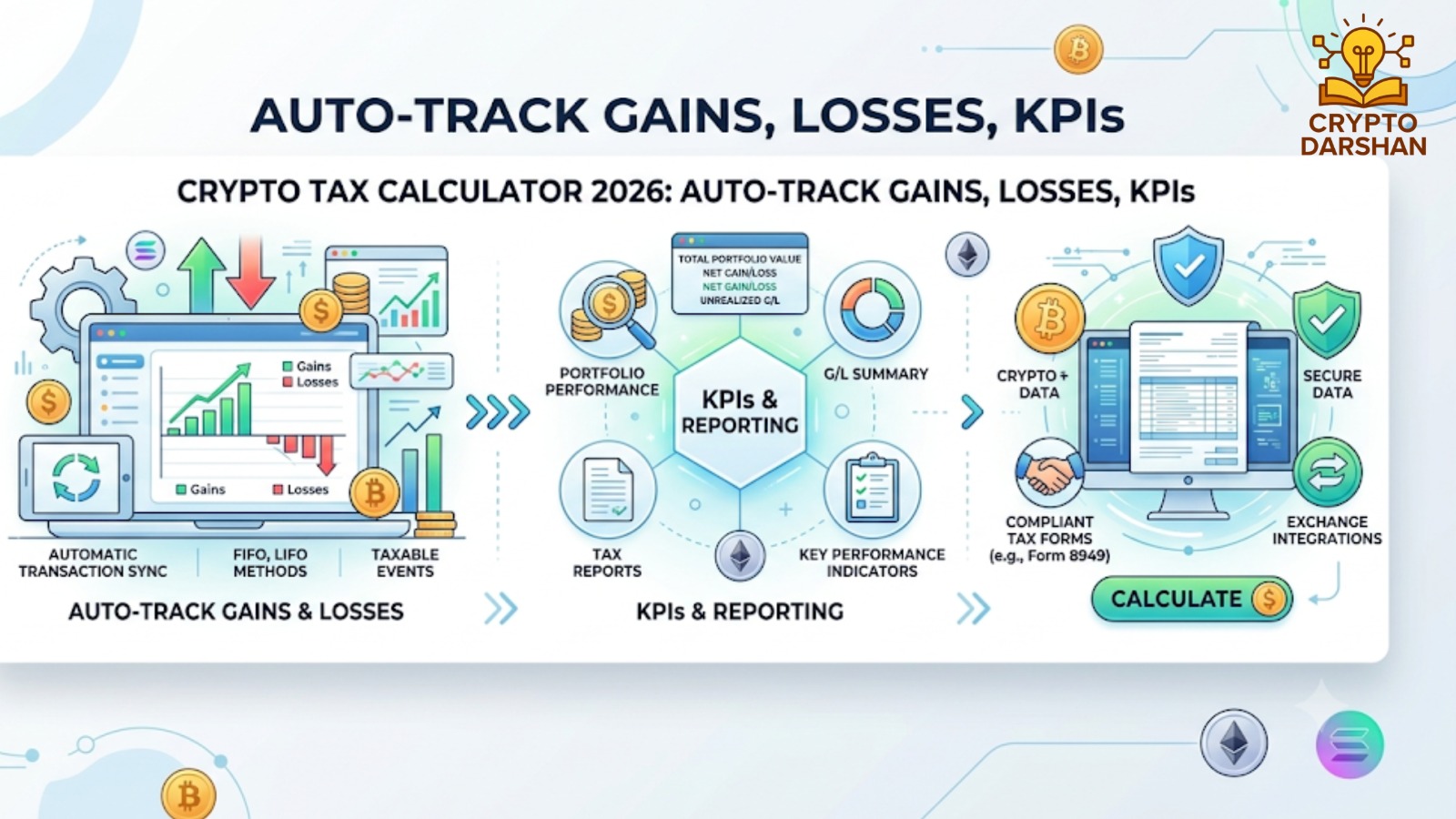
Crypto income is taxable in most countries. Freelancers must track transactions, calculate gains or losses, and report them accurately to tax authorities.
7.4 Technical Barriers
Not all freelancers are familiar with blockchain technology. Setting up wallets, securing private keys, and understanding transaction fees can be challenging for beginners.
7.5 Limited Adoption
While crypto adoption is growing, not all clients are comfortable using it. Some prefer traditional payment methods due to familiarity and perceived stability.
8. How to Get Paid in Cryptocurrency as a Freelancer.

8.1 Setting Up a Crypto Wallet.
Freelancers need a digital wallet to receive payments. Options include:
- Hot Wallets: Online wallets like MetaMask or Trust Wallet for convenience.
- Cold Wallets: Hardware wallets like Ledger or Trezor for enhanced security.
8.2 Choosing the Right Cryptocurrency.
Stablecoins are ideal for freelancers who want to avoid volatility. Bitcoin and Ethereum are better for long-term holders or those comfortable with market fluctuations.
8.3 Invoicing and Payment Agreements.
Freelancers should clearly state crypto payment terms in contracts, including:
- Accepted cryptocurrencies.
- Wallet addresses
- Conversion rates (if applicable)
- Payment deadlines
8.4 Converting Crypto to Fiat.
Freelancers can use exchanges like Binance, Coinbase, or Kraken to convert crypto into local currency when needed.
8.5 Tracking and Reporting Income.
Keeping detailed records of transactions helps with tax reporting and financial management. Tools like CoinTracker and Koinly can automate this process.
9. The Role of Smart Contracts in Freelancing.

Smart contracts are self-executing agreements coded on the blockchain. They automatically enforce terms once conditions are met, eliminating the need for intermediaries.
9.1 Benefits of Smart Contracts.
- Trustless Transactions: Payments are released only when both parties fulfill their obligations.
- Reduced Disputes: Clear, automated execution minimizes misunderstandings.
- Transparency: All contract terms are visible on the blockchain.
- Efficiency: Eliminates delays caused by manual verification.
9.2 Example Use Case.
A client hires a designer for a project. The smart contract holds the payment in escrow. Once the client approves the final design, the contract automatically releases funds to the freelancer.
10. Cryptocurrency and the Future of Online Payments.
10.1 Decentralized Payment Systems.
Blockchain-based payment systems are reducing reliance on banks and intermediaries. This decentralization empowers individuals and small businesses to transact freely across borders.
10.2 Integration with E-Commerce.
Online stores and marketplaces are increasingly accepting crypto payments. Freelancers offering digital products or services can now reach global customers without traditional payment barriers.
10.3 Rise of Web3 and the Metaverse.
As Web3 and the metaverse expand, crypto will become the default currency for digital interactions. Freelancers will find new opportunities in virtual worlds, NFT creation, and decentralized applications.
10.4 Financial Empowerment.
Crypto enables freelancers to take full control of their finances storing, investing, and spending without intermediaries. This empowerment is especially valuable in regions with unstable banking systems.
11. Legal and Tax Considerations.

11.1 Tax Reporting
Most countries require freelancers to report crypto income. Taxes may apply to both income and capital gains. Using crypto tax software simplifies compliance.
11.2 Regulatory Compliance
Freelancers must follow local laws regarding crypto transactions. Some jurisdictions require KYC verification or restrict certain tokens.
11.3 Record-Keeping
Maintaining detailed transaction records, including wallet addresses, dates, and amounts, is essential for legal and tax purposes.
12. The Future of Freelancing in the Crypto Era
12.1 Decentralized Work Platforms
Blockchain-based freelance platforms will continue to grow, offering transparent, low-fee alternatives to traditional marketplaces.
12.2 Tokenized Work and Reputation Systems
Freelancers may soon earn reputation tokens that reflect their performance, enabling trustless hiring and collaboration.
12.3 Global Inclusion
Crypto will continue to empower freelancers in developing countries, giving them access to global clients and stable income sources.
12.4 Integration with AI and Automation
AI-driven smart contracts and decentralized identity systems will streamline hiring, payments, and project management.
Conclusion
Cryptocurrency is reshaping the freelancing and online payment landscape by offering faster, cheaper, and more inclusive financial solutions. It eliminates traditional barriers, empowers freelancers worldwide, and introduces new levels of transparency and trust through blockchain technology.
While challenges such as volatility, regulation, and taxation remain, the long-term potential of crypto in freelancing is undeniable. As adoption grows, digital currencies will become a standard payment method, driving a more connected, efficient, and equitable global economy.