Crypto in developing countries revolutionizes financial access beyond trading, powering remittances, inclusion, and everyday payments. Cryptocurrency is often seen as a tool for trading and speculation, but in many developing countries, it has become much more than that. Beyond price charts and exchanges, crypto is transforming how people send money, access financial services, and build new economic systems. For millions of people who lack access to traditional banking, cryptocurrency offers a lifeline, a way to store value, make payments, and participate in the global economy.
In regions where inflation is high, banking systems are weak, or governments restrict financial freedom, crypto provides an alternative. It allows individuals and businesses to bypass barriers, reduce costs, and gain financial independence. This article explores how crypto is being used in developing countries beyond trading, highlighting real-world applications, challenges, and the potential for long-term impact.
The Financial Reality in Developing Countries

Before understanding how crypto is used, it’s important to look at the financial challenges many developing nations face.
1. Limited Access to Banking
According to the World Bank, over 1.4 billion adults globally remain unbanked. Many live in regions where banks are scarce, documentation requirements are strict, or fees are too high. Without access to banking, people struggle to save money, receive payments, or start businesses.
2. High Remittance Costs
Remittances money sent home by migrant workers are a major source of income in developing countries. However, traditional remittance services like Western Union or MoneyGram charge high fees, often between 5% and 10% per transaction. Transfers can also take several days to process.
3. Currency Instability and Inflation
Countries such as Venezuela, Zimbabwe, and Argentina have faced extreme inflation, making local currencies unreliable. People lose purchasing power quickly, and saving money becomes nearly impossible.
4. Government Restrictions and Corruption
In some countries, strict capital controls limit how much money citizens can send or receive internationally. Corruption and lack of transparency in financial systems also make it difficult for people to trust traditional institutions.
5. Limited Access to Global Markets
Many small businesses in developing countries struggle to access international markets due to payment barriers. Without access to global payment systems like PayPal or credit card networks, they are cut off from global trade opportunities.
How Crypto Solves These Problems

Cryptocurrency offers solutions to many of these challenges. It provides a decentralized, borderless, and low-cost way to store and transfer value. Unlike traditional banking systems, crypto doesn’t require identification documents, credit history, or physical infrastructure.
1. Financial Inclusion
Crypto wallets can be created with just a smartphone and internet connection. This allows anyone, even those without a bank account, to participate in the financial system. In countries where banking infrastructure is weak, crypto acts as a digital alternative.
2. Low-Cost Remittances
Sending money across borders using crypto is faster and cheaper than traditional methods. Transactions can be completed in minutes with minimal fees. Stablecoins like USDT (Tether) or USDC (USD Coin) are especially popular for remittances because they maintain a stable value.
3. Protection Against Inflation
In countries with unstable currencies, people use cryptocurrencies like Bitcoin or stablecoins to protect their savings. By converting local currency into crypto, they can preserve value and avoid the effects of inflation.
4. Access to Global Commerce
Crypto enables small businesses and freelancers to receive payments from anywhere in the world. Platforms like BitPay and Coinbase Commerce allow merchants to accept crypto payments easily. This opens up new opportunities for entrepreneurs in developing regions.
5. Transparent and Secure Transactions
Blockchain technology ensures transparency and security. Every transaction is recorded on a public ledger, reducing the risk of corruption and fraud. This transparency is especially valuable in countries where trust in institutions is low.
Real-World Use Cases of Crypto in Developing Countries

1. Remittances and Cross-Border Payments
Remittances are one of the most common uses of crypto in developing countries. Migrant workers use cryptocurrencies to send money home quickly and cheaply.
- Example: The Philippines
The Philippines is one of the world’s largest recipients of remittances. Many Filipinos working abroad use crypto platforms like Coins.ph to send money home. The platform allows users to convert crypto into local currency instantly, reducing fees and transfer times. - Example: Nigeria
In Nigeria, where traditional remittance channels are expensive and slow, crypto has become a popular alternative. Many Nigerians use Bitcoin and stablecoins to receive payments from abroad, bypassing government restrictions on foreign currency transfers.
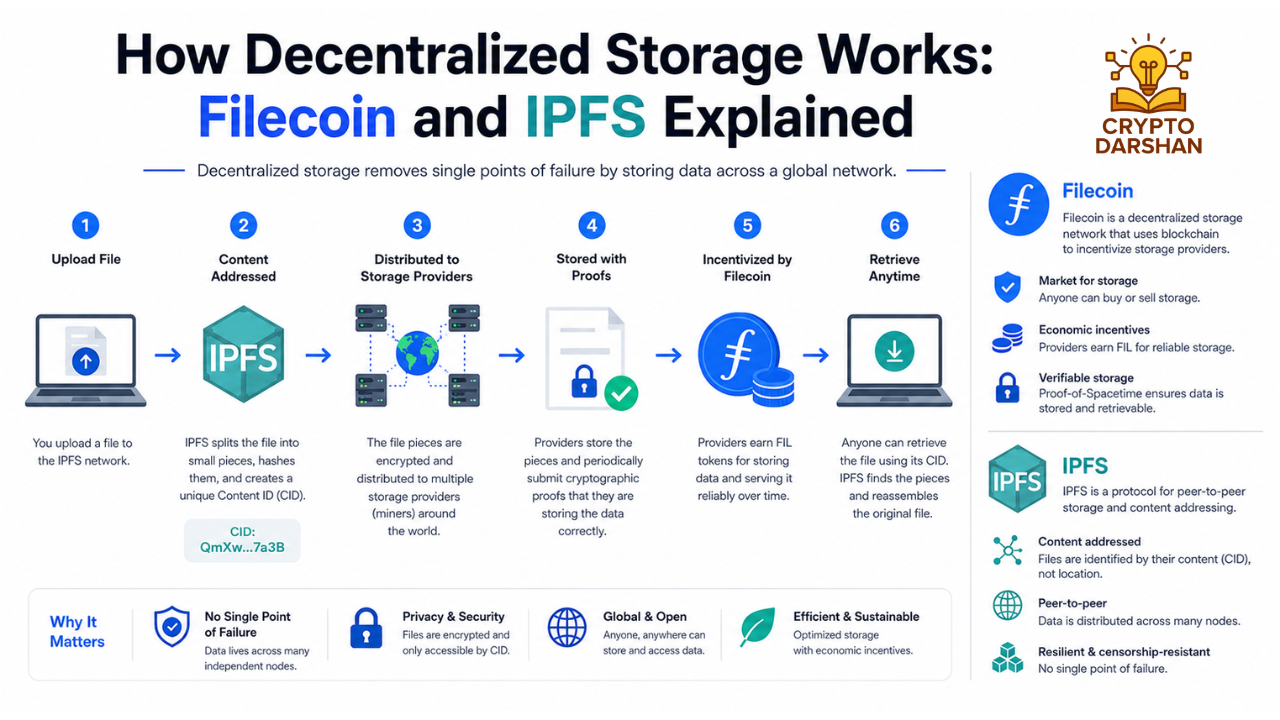
In many developing countries, crypto is being used for remittances and financial access through decentralized systems explained in What is DeFi? Decentralized Finance guide, allowing users to send money without relying on traditional banks.
2. Protection Against Inflation
In countries with unstable economies, crypto serves as a store of value.
- Example: Venezuela
Venezuela has experienced hyperinflation for years, making the local currency nearly worthless. Many citizens turned to Bitcoin and stablecoins to preserve their savings. Some even use crypto to buy groceries and pay for services. - Example: Argentina
With inflation rates exceeding 100% in recent years, Argentinians use stablecoins like USDT to protect their wealth. Crypto exchanges and peer-to-peer platforms have become essential tools for everyday transactions.
3. Access to Global Freelance Work
Freelancers in developing countries often face difficulties receiving payments from international clients due to banking restrictions or high fees. Crypto provides a solution.
- Example: Kenya and India
Freelancers in Kenya and India use platforms like Bitwage and Deel to receive payments in Bitcoin or stablecoins. This allows them to avoid delays and currency conversion fees associated with traditional payment systems. - Example: Nigeria
Nigerian freelancers use crypto to receive payments from clients in the US and Europe. Since PayPal and other payment platforms have limited availability, crypto offers a reliable alternative.
4. Microfinance and Peer-to-Peer Lending

Crypto-based microfinance platforms allow people to borrow and lend money without banks. These systems use smart contracts to ensure transparency and fairness.
- Example: Celo and Kiva
Celo, a blockchain platform focused on financial inclusion, partners with organizations like Kiva to provide microloans in developing countries. Borrowers can access funds directly through mobile phones, bypassing traditional banks. - Example: DeFi Lending Platforms
Decentralized finance (DeFi) platforms like Aave and Compound allow users to lend and borrow crypto assets globally. In developing countries, these platforms provide access to credit for those who are excluded from traditional banking.
5. Charity and Humanitarian Aid
Crypto is increasingly used for humanitarian purposes because it ensures transparency and reduces corruption.
- Example: Ukraine and Global Aid
During crises, crypto donations can be sent directly to affected areas without intermediaries. This model has been replicated in developing countries to deliver aid efficiently. - Example: Africa-Based NGOs
Nonprofits in Africa use crypto to distribute funds directly to recipients. This reduces administrative costs and ensures that aid reaches those who need it most.
6. Empowering Small Businesses
Small and medium-sized enterprises (SMEs) in developing countries often struggle with limited access to banking and international payments. Crypto helps them expand their reach.
- Example: E-commerce in Africa
African entrepreneurs use crypto payment gateways to sell products online. Platforms like BitPesa (now AZA Finance) enable businesses to make cross-border payments using crypto, reducing costs and delays. - Example: Latin America
In countries like Brazil and Mexico, small businesses accept crypto payments to attract international customers and avoid high transaction fees.
7. Government and Public Sector Innovation
Some developing countries are exploring blockchain technology for governance and public services.
- Example: Georgia and Land Registry
The government of Georgia uses blockchain to record land titles, ensuring transparency and reducing corruption. - Example: Sierra Leone and Elections
Sierra Leone has experimented with blockchain-based voting systems to increase transparency and trust in elections. - Example: El Salvador
El Salvador became the first country to adopt Bitcoin as legal tender. The government launched the “Chivo Wallet” to promote financial inclusion and reduce remittance costs.
The Role of Stablecoins in Developing Economies

Stablecoins have become one of the most important innovations in the cryptocurrency world, especially for developing countries. While traditional cryptocurrencies like Bitcoin and Ethereum are known for their price volatility, stablecoins are designed to maintain a steady value. This stability makes them more practical for everyday use from sending money and saving to running small businesses.
In developing economies, where inflation, unstable currencies, and limited banking access are common, stablecoins offer a reliable and accessible financial alternative. They bridge the gap between traditional finance and digital assets, helping people participate in the global economy without the risks of price swings.
What Are Stablecoins?
Stablecoins, which can be found through top crypto exchanges, are designed to bridge the gap between the unpredictability of popular cryptocurrencies like Bitcoin (BTC) and the stability required for everyday financial transactions.Stablecoins are digital currencies that are pegged to stable assets, usually fiat currencies like the US dollar or the euro. This means that one stablecoin is typically equal to one unit of the currency it represents, for example, 1 USDT (Tether) ≈ 1 USD.
There are three main types of stablecoins:
- Fiat-Backed Stablecoins
These are backed by reserves of real-world currencies held in banks. Examples include USDT (Tether), USDC (USD Coin), and BUSD (Binance USD). - Crypto-Backed Stablecoins
These are backed by other cryptocurrencies. For example, DAI is backed by Ethereum and other crypto assets. - Algorithmic Stablecoins
These use algorithms and smart contracts to maintain price stability without direct backing. However, they are riskier and less common after the collapse of TerraUSD (UST) in 2022.
Why Stablecoins Matter in Developing Countries
Developing countries often face financial challenges such as inflation, currency devaluation, and limited access to banking. Stablecoins help solve many of these problems by offering a digital, borderless, and stable form of money.
1. Protection Against Inflation
In countries where local currencies lose value quickly, people use stablecoins to protect their savings. For example, in Argentina and Venezuela, inflation rates are extremely high, making it difficult to save in local currency. By converting their money into stablecoins like USDT or USDC, people can preserve their purchasing power.
2. Affordable and Fast Remittances
Millions of people in developing countries rely on remittances from family members working abroad. Traditional remittance services charge high fees and take days to process. Stablecoins make this process faster and cheaper.
- A worker in the US can send USDC to their family in the Philippines or Nigeria within minutes.
- The recipient can then convert it into local currency or use it directly for online purchases.
This reduces costs and ensures that more money reaches families instead of being lost to fees.
3. Access to Global Commerce
Stablecoins allow small businesses and freelancers in developing countries to receive payments from international clients.
- A freelancer in Kenya can get paid in USDC instead of waiting for slow bank transfers.
- A small business in Brazil can accept stablecoin payments from customers abroad without worrying about currency conversion or high transaction fees.
This opens up global opportunities for entrepreneurs who were previously excluded from international trade.
4. Financial Inclusion for the Unbanked
In many developing countries, millions of people don’t have access to bank accounts. Stablecoins provide a digital alternative.
- Anyone with a smartphone and internet connection can create a crypto wallet.
- They can store, send, and receive stablecoins without needing a bank.
This gives people financial independence and access to services like savings, lending, and payments that were previously out of reach.
5. Transparency and Security
Stablecoin transactions are recorded on the blockchain, making them transparent and traceable. This reduces corruption and fraud, which are common issues in some developing economies. Governments and organizations can use stablecoins to distribute aid directly to citizens, ensuring funds reach the right people.
Real-World Examples of Stablecoin Use in Developing Economies

1. Nigeria
Nigeria has one of the highest crypto adoption rates in the world. Due to currency restrictions and inflation, many Nigerians use stablecoins like USDT to store value and make international payments. Peer-to-peer (P2P) platforms such as Binance P2P and Paxful allow users to trade stablecoins easily.
2. Argentina
With inflation exceeding 100%, Argentinians use stablecoins to protect their savings. Many businesses also accept stablecoins as payment to avoid losing value in the local currency.
3. The Philippines
The Philippines is a major remittance hub. Overseas Filipino workers send billions of dollars home each year. Platforms like Coins.ph and PDAX allow users to receive remittances in stablecoins, which can then be converted into pesos instantly.
4. Kenya
Kenya’s mobile money system, M-Pesa, has already revolutionized digital payments. Now, stablecoins are being integrated into similar systems to enable cross-border transactions and savings in stable currencies.
5. Venezuela
In Venezuela, where hyperinflation has destroyed the value of the bolívar, stablecoins are used for everyday transactions. People use USDT to buy groceries, pay rent, and even receive salaries.
Benefits of Stablecoins for Developing Economies
- Stability – They protect users from local currency volatility.
- Accessibility – Anyone with a smartphone can use them.
- Low Fees – Transactions cost far less than traditional banking or remittance services.
- Speed – Transfers happen within minutes, not days.
- Transparency – Blockchain records make transactions traceable and secure.
- Global Reach – Stablecoins connect local economies to global markets.
Challenges of Crypto Adoption in Developing Countries

While crypto offers many benefits, it also faces several challenges in developing regions.
1. Regulatory Uncertainty
Many governments are still unsure how to regulate cryptocurrencies. Some have banned them outright, while others are developing frameworks. Unclear regulations create confusion and limit adoption.
2. Volatility
Although stablecoins reduce volatility, many cryptocurrencies still experience large price swings. This makes them risky for savings or daily transactions.
3. Lack of Education
Many people in developing countries are unfamiliar with how crypto works. Without proper education, they are vulnerable to scams and misinformation.
4. Internet and Technology Barriers
Crypto requires internet access and smartphones, which are not always available in remote areas. Limited connectivity can slow adoption.
5. Security Risks
Hacks, phishing attacks, and lost private keys are common issues. Without strong security practices, users can lose their funds permanently.
Overcoming the Challenges

1. Government Collaboration
Governments can work with blockchain companies to create clear regulations that encourage innovation while protecting consumers.
2. Education and Awareness
Nonprofits, startups, and governments can promote crypto literacy through workshops, online courses, and community programs.
3. Improved Infrastructure
Expanding internet access and mobile connectivity will make crypto more accessible to rural populations.
4. Security Training
Teaching users how to protect their wallets and private keys can reduce the risk of theft and scams.
5. Local Innovation
Encouraging local startups to build crypto solutions tailored to regional needs can accelerate adoption.
The Future of Crypto in Developing Countries

The future of crypto in developing countries looks promising. As technology improves and awareness grows, more people will use crypto for everyday needs rather than speculation.
Key Trends to Watch
- Growth of Stablecoins: Stablecoins will continue to dominate as tools for remittances and savings.
- Integration with Mobile Money: Combining crypto with mobile payment systems like M-Pesa in Africa will expand financial access.
- Rise of DeFi and Web3: Decentralized finance and Web3 applications will empower individuals to earn, borrow, and invest without intermediaries.
- Government Adoption: More countries may follow El Salvador’s example by integrating crypto into national economies.
- Increased Global Connectivity: Crypto will help bridge the gap between developing and developed economies, enabling fairer participation in global trade.
Conclusion
Cryptocurrency is more than a trading tool it’s a financial revolution reshaping developing countries. From remittances and inflation protection to business empowerment and humanitarian aid, crypto is solving real-world problems that traditional systems have failed to address.
While challenges like regulation, education, and infrastructure remain, the potential benefits are too significant to ignore. As adoption grows, crypto could become a cornerstone of financial inclusion, giving millions of people access to opportunities they never had before.
In the coming years, the success of crypto in developing countries will depend on collaboration between governments, innovators, and communities. With the right approach, cryptocurrency can help build a more inclusive, transparent, and connected global economy.