
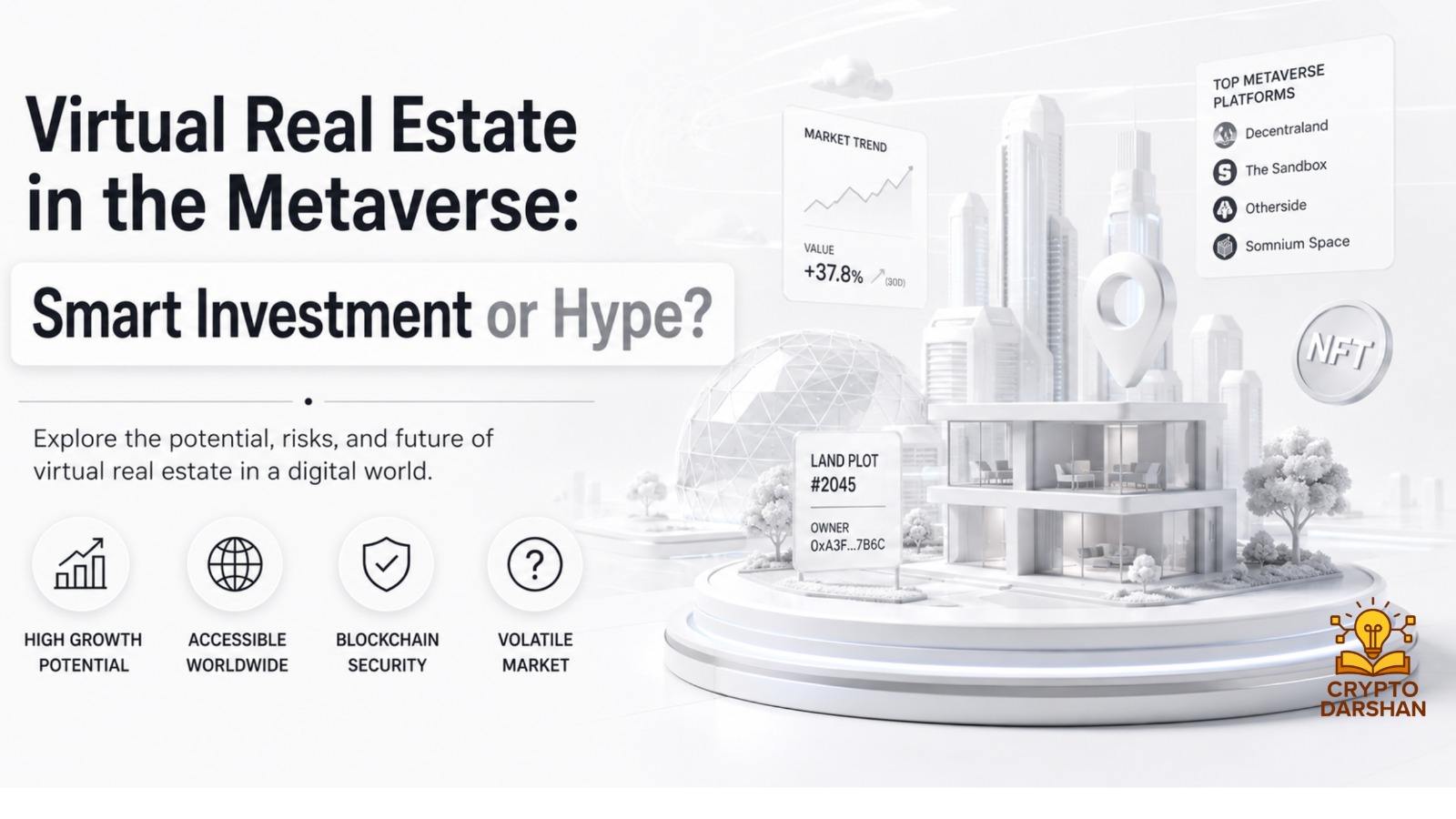
The digital revolution has given rise to a new frontier of ownership and investment—Virtual Real Estate. As the metaverse expands, digital land is being bought, sold, and developed at astonishing rates. Investors, corporations, and creators are pouring millions into virtual worlds, hoping to secure a stake in what many call the next evolution of the internet. But is Virtual Real Estate truly a smart investment, or is it just another speculative bubble fueled by hype? This comprehensive analysis explores the concept, opportunities, risks, and future of Virtual Real Estate in the metaverse, helping to separate genuine potential from digital illusion.
Understanding the Metaverse

The metaverse is a collective virtual space that merges augmented reality (AR), virtual reality (VR), and blockchain technology. It allows users to interact, socialize, work, and trade in immersive digital environments. Unlike traditional online platforms, the metaverse is persistent, decentralized, and user-driven. It’s not a single platform but a network of interconnected virtual worlds where digital assets, avatars, and experiences can move seamlessly.
Key Features of the Metaverse
- Immersive Interaction – Users engage through VR headsets, AR devices, or standard screens, creating lifelike experiences.
- Digital Ownership – Blockchain technology enables verifiable ownership of digital assets, including Virtual Real Estate.
- Decentralization – Control is distributed among users rather than centralized corporations.
- Economic Systems – Cryptocurrencies and NFTs power trade, investment, and monetization.
- Interoperability – Future metaverse ecosystems aim to allow movement of assets and identities across platforms.
The metaverse is often described as the next iteration of the internet—an embodied, 3D version of the web where people live, work, and play. Within this digital universe, Virtual Real Estate serves as the foundation for building experiences, communities, and economies.
What Is Virtual Real Estate?

Virtual Real Estate refers to parcels of digital land within metaverse platforms. These parcels are represented as NFTs on a blockchain, ensuring unique ownership and verifiable authenticity. Just like physical property, virtual land can be bought, sold, leased, or developed.
Owners can build virtual homes, offices, stores, or entertainment venues. They can host events, advertise, or create interactive experiences. The value of Virtual Real Estate depends on factors such as location, platform popularity, and user engagement.
Popular metaverse platforms offering Virtual Real Estate include:
- Decentraland – A decentralized world built on Ethereum.
- The Sandbox – A voxel-based platform for gaming and creation.
- Somnium Space – A VR-focused metaverse with immersive experiences.
- Otherside – A metaverse project by Yuga Labs, creators of the Bored Ape Yacht Club.
- Voxels – A creative, community-driven virtual world.
The Rise of the Virtual Real Estate Market
The concept of Virtual Real Estate gained traction as blockchain and NFTs became mainstream. Early adopters saw parallels between digital land and domain names during the early internet era. As metaverse platforms grew, so did the demand for virtual property.
Market Growth
- In 2021, sales of Virtual Real Estate exceeded $500 million across major platforms.
- By 2023, the market was projected to surpass $1.5 billion.
- Major corporations and celebrities began purchasing land to establish digital presence.
This surge in activity has sparked debates over whether Virtual Real Estate is a smart investment or a speculative bubble driven by hype.
Smart Investment: The Case for Virtual Real Estate

1. Early Entry Advantage
Investing in Virtual Real Estate today is akin to buying internet domains in the 1990s. Early adopters can secure prime locations in emerging digital cities before prices skyrocket.
2. Digital Asset Appreciation
As metaverse platforms grow in popularity, virtual land in high-traffic areas tends to appreciate. Limited supply and increasing demand create scarcity, driving up value.
3. Income Generation
Virtual Real Estate can generate passive income through:
- Leasing land to other users or brands
- Hosting virtual events and charging entry fees
- Selling advertising space
- Creating and monetizing digital experiences
4. Brand Expansion and Marketing
Companies use Virtual Real Estate to build immersive brand experiences. Virtual stores, showrooms, and events allow global audiences to interact with products in new ways. Virtual land ownership is often secured through NFTs, making it part of the broader digital collectibles ecosystem covered in Top Solana NFT Projects Shaping the Future of Digital Collectibles.
5. Portfolio Diversification
For investors, Virtual Real Estate offers diversification beyond traditional assets. It combines elements of real estate, gaming, and digital art, appealing to tech-savvy investors.
6. Community and Social Value
Owning land in popular metaverse districts connects users with vibrant communities. These digital neighborhoods often become hubs for innovation, art, and collaboration.
The Hype: Why Some Call It a Bubble

Despite its promise, critics argue that Virtual Real Estate is overhyped and unsustainable. The market’s rapid growth has raised concerns about speculation and inflated valuations.
1. Speculative Buying
Many investors purchase Virtual Real Estate not for utility but for quick resale. This speculative behavior mirrors past bubbles, such as the dot-com and crypto booms.
2. Platform Dependency
Each parcel of Virtual Real Estate exists within a specific metaverse. If that platform loses users or fails, the land’s value could collapse.
3. Lack of Tangible Utility
Unlike physical property, virtual land has no inherent physical use. Its value depends entirely on digital engagement and platform success.
4. Market Volatility
Prices fluctuate based on hype cycles, celebrity endorsements, and crypto market trends. A downturn in cryptocurrency can drastically affect Virtual Real Estate values.
5. Technological Uncertainty
The metaverse is still evolving. Future technologies could render current platforms obsolete, leaving investors with worthless assets.
6. Regulatory Ambiguity
The legal framework for Virtual Real Estate is unclear. Ownership rights, taxation, and intellectual property laws are still developing.
Comparing Smart Investment vs. Hype
| Aspect | Smart Investment | Hype |
| Motivation | Long-term vision, development, and utility | Short-term speculation and resale |
| Value Driver | User engagement, platform growth, and scarcity | Media attention and celebrity involvement |
| Risk Level | Moderate with research and diversification | High due to volatility and speculation |
| Outcome | Sustainable income and appreciation | Potential loss after hype fades |
| Investor Type | Strategic, patient, and informed | Impulsive, trend-driven |
The key difference lies in approach. Smart investors focus on utility, community, and long-term growth, while hype-driven buyers chase quick profits.
How Virtual Real Estate Works

1. Buying Virtual Land
To purchase Virtual Real Estate, users need cryptocurrency (e.g., Ethereum or MANA). Transactions occur on NFT marketplaces or within metaverse platforms. Each parcel has coordinates, size, and proximity to landmarks, influencing its value.
2. Developing Virtual Property
Owners can build structures or experiences such as:
- Virtual homes or offices
- Art galleries or museums
- Retail stores or showrooms
- Event spaces or concert venues
- Gaming arenas or theme parks
3. Monetizing Virtual Land
Revenue streams include leasing, advertising, hosting events, or selling developed properties. Some investors create entire virtual districts for commerce and entertainment.
The Role of NFTs in Virtual Real Estate
NFTs (non-fungible tokens) are the foundation of Virtual Real Estate ownership. Each parcel of land is represented by a unique NFT stored on a blockchain, ensuring:
- Proof of Ownership – Transparent and verifiable records.
- Transferability – Easy buying, selling, or gifting.
- Programmability – Smart contracts automate rent or royalties.
- Interoperability – Potential to use assets across multiple metaverse platforms.
NFTs transform Virtual Real Estate into a secure, tradeable digital asset class.
The Metaverse Economy and Its Impact
The metaverse is creating a new digital economy where Virtual Real Estate plays a central role. Users can earn, trade, and invest in digital assets, blurring the line between virtual and physical wealth.
Economic Opportunities
- Virtual Commerce – Brands sell digital goods and NFTs.
- Remote Workspaces – Companies establish virtual offices for global teams.
- Entertainment – Virtual concerts, exhibitions, and sports events attract millions.
- Education – Virtual campuses and classrooms enhance learning experiences.
Corporate Adoption
Major corporations are investing in Virtual Real Estate to secure digital presence:
- Nike launched Nikeland in Roblox.
- Gucci created Gucci Garden in the metaverse.
- Adidas partnered with The Sandbox for branded experiences.
- Meta (Facebook) is developing Horizon Worlds as a social metaverse.
These moves signal that Virtual Real Estate is more than hype—it’s becoming a strategic business asset.
Why People Invest in Virtual Real Estate
1. Early Adoption Advantage
Investors see Virtual Real Estate as a chance to get in early on a growing digital economy. Just as early internet domains became valuable, early virtual land could appreciate significantly.
2. Passive Income Opportunities
Virtual land can generate recurring income through rentals, events, or advertising. This makes it appealing to investors seeking digital assets with long-term potential.
3. Brand Presence and Marketing
Companies use Virtual Real Estate to build brand awareness and engage with younger, tech-savvy audiences. Virtual stores and branded experiences create immersive marketing opportunities.
4. Community and Social Value
Owning land in popular metaverse districts connects users with like-minded communities. These social hubs often become centers of innovation and collaboration.
5. Speculative Gains
Many investors buy Virtual Real Estate hoping its value will rise as the metaverse expands. Some early adopters have already seen massive returns on their investments.
Risks and Challenges

Despite its potential, Virtual Real Estate carries significant risks:
- Market Volatility – Prices can swing dramatically.
- Platform Risk – Dependence on specific metaverse ecosystems.
- Security Threats – Hacking and fraud remain concerns.
- Regulatory Uncertainty – Lack of clear legal frameworks.
- Environmental Impact – Blockchain energy consumption.
Investors must balance optimism with caution, conducting thorough research before committing funds.
How to Invest Wisely in Virtual Real Estate

Investing in Virtual Real Estate is a high-stakes endeavor that requires a strategic mindset rather than a speculative one. To navigate this digital frontier effectively, consider these six essential steps:
1. Research Platforms Thoroughly
Before committing capital, conduct deep due diligence on the metaverse platforms you are considering. Look beyond the hype. Evaluate the platform’s active user base, the strength of its development team, and its long-term roadmap. A platform with high engagement and a clear vision for future utility is far more likely to sustain the value of your Virtual Real Estate than a project that relies solely on marketing buzz.
2. Start Small
The volatility of the digital asset market can be extreme. Instead of making a massive initial purchase, start by acquiring smaller, more affordable parcels of land. This allows you to learn the mechanics of the specific platform, understand how to manage your digital wallet, and observe market trends without risking a significant portion of your portfolio. Treat these initial investments as a learning experience.
3. Diversify Your Portfolio
Never put all your resources into a single metaverse platform. Just as you would diversify a traditional investment portfolio, spread your holdings across different virtual worlds. By investing in various platforms with different focuses—such as gaming, social interaction, or corporate commerce—you mitigate the risk of a single platform failing or losing popularity, which would otherwise render your Virtual Real Estate worthless.
4. Focus on Utility
The most sustainable value in the metaverse comes from utility. When evaluating a parcel, ask yourself: “What can be done here?” Land located near high-traffic areas, popular event spaces, or commercial districts is inherently more valuable because it attracts visitors. If you can develop your land into an interactive experience, a store, or a community hub, you create a reason for people to visit, which directly supports the long-term appreciation of your asset.
5. Engage with Communities
The metaverse is fundamentally social. The value of your Virtual Real Estate is often tied to the strength and activity of the community surrounding it. Join the platform’s Discord servers, participate in governance votes, and interact with other landowners. Being an active participant provides you with early insights into development changes and helps you build the connections necessary to monetize your land effectively through partnerships or events.
6. Monitor Trends and Innovation
The digital landscape evolves rapidly. Stay informed about advancements in blockchain technology, changes in metaverse regulations, and shifts in user behavior. What is considered a “prime location” today might change tomorrow due to new platform features or updates. By keeping a pulse on the broader industry, you can adapt your strategy, pivot your development plans, or exit positions before market sentiment shifts.
Smart investors treat Virtual Real Estate as part of a balanced digital portfolio, not a get-rich-quick scheme.
The Future of Virtual Real Estate and the Metaverse

1. Integration with Real-World Businesses
As the metaverse matures, Virtual Real Estate will complement physical operations. Virtual offices, stores, and events will enhance brand engagement.
2. Interoperable Worlds
Future metaverse ecosystems will allow seamless movement of assets and avatars, increasing the utility of Virtual Real Estate.
3. AI and Automation
Artificial intelligence will personalize virtual experiences and automate property management.
4. Sustainable Blockchain Solutions
Eco-friendly blockchain technologies will reduce environmental impact, making Virtual Real Estate more sustainable.
5. Institutional Investment
As regulations evolve, institutional investors may enter the market, bringing stability and legitimacy.
Expert Perspectives

Optimists
Supporters believe Virtual Real Estate is the foundation of a new digital economy. They argue that as the metaverse becomes mainstream, virtual land will hold real economic and social value.
Skeptics
Critics see it as a speculative bubble. They warn that without mass adoption, Virtual Real Estate could lose value rapidly.
Realists
Balanced analysts suggest that while hype exists, the underlying technology and concept have long-term potential. Success will depend on innovation, adoption, and regulation.
FAQ: Virtual Real Estate in the Metaverse: Smart Investment or Hype?

1. What is virtual real estate in the metaverse?
Virtual real estate refers to digital land or property within metaverse platforms that users can buy, sell, develop, and monetize using cryptocurrencies or platform-specific tokens.
2. How does virtual real estate work?
Ownership is typically represented by NFTs (non-fungible tokens) stored on a blockchain, giving buyers verifiable proof of ownership over a specific piece of digital land.
3. Why do people buy virtual land?
People purchase virtual land for various reasons, including investment, advertising, hosting events, building virtual businesses, creating gaming experiences, and speculation on future demand.
4. Which metaverse platforms offer virtual real estate?
Popular platforms include Decentraland, The Sandbox, and Otherside, among others.
5. How is the value of virtual land determined?
Factors such as location, platform popularity, user activity, nearby attractions, scarcity, and future development plans can influence the value of virtual property.
6. Can virtual real estate generate income?
Yes. Owners may earn revenue by leasing land, hosting events, displaying advertisements, selling digital goods, or charging access fees for experiences built on their property.
7. Is virtual real estate a good investment?
It depends on market conditions, platform adoption, and long-term utility. While some investors have seen significant gains, others have experienced substantial losses due to market volatility.
8. What are the risks of investing in virtual real estate?
Major risks include declining platform popularity, reduced user activity, regulatory uncertainty, technological changes, market speculation, and liquidity challenges.
9. Why did virtual land prices surge during the metaverse boom?
During periods of intense interest in metaverse projects, investors anticipated widespread adoption, leading to speculative demand and rapidly rising land prices.
Conclusion
Virtual Real Estate sits at the intersection of technology, creativity, and investment. It offers exciting opportunities for those who understand the metaverse and its evolving economy. However, it also carries risks typical of emerging markets—volatility, speculation, and uncertainty.
As the metaverse continues to grow, Virtual Real Estate could become a cornerstone of digital life, enabling new forms of commerce, community, and creativity. Whether it proves to be a smart investment or a fleeting hype will depend on how technology, regulation, and user adoption evolve in the coming years.