

Blockchain Consensus is the foundation that allows decentralized networks to function without a central authority. It ensures that all participants in a blockchain system agree on the validity of transactions and the current state of the ledger. In 2026, Blockchain Consensus mechanisms have evolved significantly, addressing scalability, energy efficiency, and security challenges that earlier systems faced. Understanding how Blockchain Consensus works is essential for anyone involved in blockchain development, cryptocurrency investment, or digital governance.
At its core, Blockchain Consensus is the process by which distributed nodes in a blockchain network reach agreement on a single version of truth. Without Blockchain Consensus, the decentralized nature of blockchain would lead to conflicting records, double-spending, and network instability. The evolution of Blockchain Consensus from Proof of Work (PoW) to more advanced models like Proof of Stake (PoS), Delegated Proof of Stake (DPoS), and Byzantine Fault Tolerance (BFT) has transformed how blockchains operate in 2026.
Understanding Blockchain Consensus

Consensus mechanisms are processes in blockchain systems that ensure network agreement, trust, and security without human intervention. Understanding Blockchain Consensus begins with recognizing its role as the decision-making engine of a blockchain network. In traditional systems, a central authority validates and records transactions. In contrast, blockchain networks distribute this responsibility among thousands of independent nodes. Each node maintains a copy of the ledger, and Blockchain Consensus ensures that all copies remain identical and accurate.
Blockchain Consensus operates on the principle of collective agreement. When a transaction occurs, it is broadcast to the network, where nodes verify its authenticity using cryptographic algorithms. Once verified, the transaction is grouped into a block. The network then uses a Blockchain Consensus algorithm to determine which node will add the block to the chain. This process prevents double-spending, ensures data integrity, and maintains trust without intermediaries.
The strength of Blockchain Consensus lies in its ability to function in a trustless environment. Participants do not need to know or trust each other; they only need to trust the consensus rules. These rules define how nodes validate transactions, how conflicts are resolved, and how new blocks are added. Blockchain Consensus mechanisms are designed to tolerate faults, resist attacks, and maintain network stability even when some nodes act maliciously. This secure validation process also supports privacy-focused blockchain applications, which we explore in our Crypto Mixer 2026: Tornado Cash Alternative guide.
In 2026, understanding consensus also means appreciating its diversity. Different blockchains use different models depending on their goals. Public blockchains prioritize decentralization and security, often using Proof of Work or Proof of Stake. Private and consortium blockchains focus on speed and efficiency, adopting models like Practical Byzantine Fault Tolerance or Proof of Authority. Hybrid systems combine multiple approaches to balance performance and trust.
Ultimately, consensus is what transforms a collection of independent computers into a unified, reliable network. It is the invisible force that ensures every participant sees the same version of truth, enabling blockchain to serve as a secure, transparent, and tamper-proof record of digital activity.
The Importance of Blockchain Consensus

Blockchain Consensus is not just a technical mechanism; it is the trust layer of decentralized systems. In traditional centralized systems, trust is placed in a single authority such as a bank or government. In blockchain, trust is distributed across the network, and Blockchain Consensus ensures that all participants follow the same rules. This process eliminates the need for intermediaries, reduces transaction costs, and enhances transparency.
The importance of consensus lies in its ability to maintain data integrity across thousands of nodes. Every transaction added to the blockchain must be verified and agreed upon by the network. It ensures that malicious actors cannot alter transaction history or manipulate data. In 2026, as blockchain technology expands into finance, healthcare, supply chain, and governance, consensus remains the key to ensuring reliability and fairness in decentralized ecosystems.
How Blockchain Consensus Works

Blockchain Consensus operates through a series of steps that allow nodes to validate transactions and agree on the next block to be added to the chain. The process begins when a user initiates a transaction. This transaction is broadcast to the network, where nodes verify its authenticity. Once verified, the transaction is grouped with others into a block. The network then uses a Blockchain Consensus algorithm to determine which node will add the block to the chain.
Each mechanism has its own method for selecting the next block producer. In Proof of Work, nodes compete to solve complex mathematical puzzles. In Proof of Stake, nodes are chosen based on the amount of cryptocurrency they hold and are willing to “stake” as collateral. Regardless of the method, the goal is to ensure that all nodes agree on the same version of the blockchain, preventing forks and maintaining consistency.
Evolution of Blockchain Consensus Mechanisms

The journey of Blockchain Consensus began with Bitcoin’s Proof of Work in 2009. While PoW proved the concept of decentralized trust, it also introduced challenges such as high energy consumption and limited scalability. Over the years, developers have introduced new Blockchain Consensus models to address these issues.
Proof of Work (PoW)
Proof of Work was the first mechanism, used by Bitcoin and early blockchains. It requires miners to solve cryptographic puzzles to validate transactions and create new blocks. The first miner to solve the puzzle adds the block to the chain and receives a reward. While PoW is secure and battle-tested, it consumes vast amounts of energy and limits transaction throughput.
Proof of Stake (PoS)
Proof of Stake emerged as a more energy-efficient alternative to PoW. Instead of using computational power, PoS selects validators based on the amount of cryptocurrency they hold and lock as a stake. Validators are incentivized to act honestly because they risk losing their stake if they validate fraudulent transactions. Ethereum’s transition to PoS in 2022 marked a major milestone in Blockchain Consensus evolution.
Delegated Proof of Stake (DPoS)
Delegated Proof of Stake introduced a democratic element to Blockchain Consensus. Token holders vote for a limited number of delegates who are responsible for validating transactions and maintaining the network. This model increases efficiency and scalability while maintaining decentralization. DPoS is used by networks like EOS and TRON, which prioritize speed and governance flexibility.
Practical Byzantine Fault Tolerance (PBFT)
PBFT is a mechanism designed for permissioned blockchains. It allows nodes to reach agreement even if some nodes act maliciously or fail. PBFT achieves consensus through multiple rounds of voting, ensuring that honest nodes can outvote dishonest ones. This model is ideal for enterprise blockchains where participants are known and trusted.
Hybrid Consensus Models
By 2026, hybrid Blockchain Consensus models have become increasingly popular. These systems combine elements of PoW, PoS, and BFT to balance security, scalability, and decentralization. For example, some networks use PoW for initial block creation and PoS for final validation. Hybrid Blockchain Consensus mechanisms are shaping the future of blockchain by offering flexibility and adaptability across different use cases.
Blockchain Consensus in 2026: The State of the Art

In 2026, consensus has reached new levels of sophistication. Advances in cryptography, artificial intelligence, and network design have enabled faster, more secure, and more sustainable mechanisms. The focus has shifted from raw computational power to intelligent coordination and energy efficiency.
Energy Efficiency and Sustainability
One of the major criticisms of early Blockchain Consensus models was their environmental impact. Proof of Work networks consumed enormous amounts of electricity, leading to concerns about sustainability. In 2026, most new blockchains use energy-efficient consensus mechanisms like Proof of Stake or Proof of Authority. These models drastically reduce energy consumption while maintaining high levels of security.
Scalability and Speed
Scalability has always been a challenge for blockchain networks. Traditional mechanisms could handle only a limited number of transactions per second. In 2026, innovations such as sharding, layer-2 solutions, and asynchronous protocols have significantly improved scalability. Modern blockchains can process thousands of transactions per second without compromising decentralization.
Security and Fault Tolerance
Security remains a top priority in consensus design. In 2026, algorithms incorporate advanced cryptographic techniques such as zero-knowledge proofs and threshold signatures to enhance security. These innovations ensure that even if some nodes are compromised, the network remains secure and operational. Consensus now provides robust protection against Sybil attacks, double-spending, and network partitioning.
Interoperability and Cross-Chain Consensus
As blockchain ecosystems expand, interoperability between different networks has become essential. Cross-chain mechanisms allow multiple blockchains to communicate and share data securely. In 2026, interoperability protocols like Polkadot, Cosmos, and Avalanche have matured, enabling seamless asset transfers and data exchange across diverse networks. Cross-chain consensus is paving the way for a unified decentralized economy.
The Role of Blockchain Consensus in Decentralized Finance (DeFi)

Decentralized Finance (DeFi) relies heavily on Blockchain Consensus to ensure transparency and trust. Every transaction, loan, or trade executed on a DeFi platform must be validated through consensus. In 2026, DeFi platforms use advanced Blockchain Consensus models to handle high transaction volumes while maintaining security and fairness. Investors often analyze on-chain activity to evaluate the strength and adoption of DeFi ecosystems, as discussed in our Crypto Screener With On-Chain Volume & Breakout Signals guide.
Blockchain Consensus ensures that DeFi protocols operate without intermediaries. Smart contracts execute automatically based on predefined rules, and consensus mechanisms verify that all actions are legitimate. This eliminates the risk of manipulation and fraud, making DeFi one of the most trusted sectors in the blockchain industry.
Blockchain Consensus in Supply Chain Management

Supply chain management has benefited immensely from Blockchain Consensus. By recording every transaction and movement of goods on a blockchain, companies can achieve full transparency and traceability. Blockchain Consensus ensures that all participants in the supply chain agree on the authenticity of data, preventing fraud and counterfeiting.
In 2026, Blockchain Consensus mechanisms are used to verify product origins, track shipments, and ensure compliance with regulations. For example, food supply chains use blockchain to confirm that products are sourced ethically and safely. Blockchain Consensus provides a shared source of truth that enhances collaboration and accountability across global supply networks.
Blockchain Consensus in Governance and Voting

Blockchain Consensus has also revolutionized governance and voting systems. In 2026, many governments and organizations use blockchain-based voting platforms to ensure transparency and prevent election fraud. Blockchain Consensus guarantees that every vote is counted accurately and cannot be altered once recorded.
Consensus mechanisms like Proof of Authority and PBFT are particularly suited for governance applications, where participants are verified entities. Blockchain Consensus ensures that decisions are made democratically and that all stakeholders can verify the results independently. This fosters trust in digital governance and enhances civic participation.
Challenges Facing Blockchain Consensus in 2026

Despite significant advancements, Blockchain Consensus still faces challenges. Scalability, decentralization, and security remain in constant tension. Achieving all three simultaneously, the so-called “blockchain trilemma” is a complex task. Developers continue to experiment with new consensus models to find the optimal balance.
Centralization Risks
Some Blockchain Consensus mechanisms, such as Proof of Stake, risk centralization if a few entities control large amounts of tokens. This concentration of power can undermine the decentralized nature of blockchain. In 2026, new governance models and staking pools aim to mitigate this risk by promoting fair participation.
Network Latency and Synchronization
As blockchain networks grow, maintaining synchronization among thousands of nodes becomes challenging. Blockchain Consensus must ensure that all nodes have the same view of the ledger, even in the presence of network delays. Advanced synchronization protocols and adaptive consensus algorithms are being developed to address this issue.
Regulatory and Compliance Issues
Blockchain Consensus operates in a decentralized environment, often beyond the reach of traditional regulatory frameworks. Governments are still adapting to this new paradigm. In 2026, regulatory clarity is improving, but challenges remain in areas such as data privacy, taxation, and cross-border transactions. Blockchain Consensus must evolve to comply with emerging legal standards while preserving decentralization.
The Future of Blockchain Consensus

The future of Blockchain Consensus lies in continuous innovation. Researchers and developers are exploring new paradigms that combine the best features of existing models while introducing novel concepts.
Proof of Space and Time
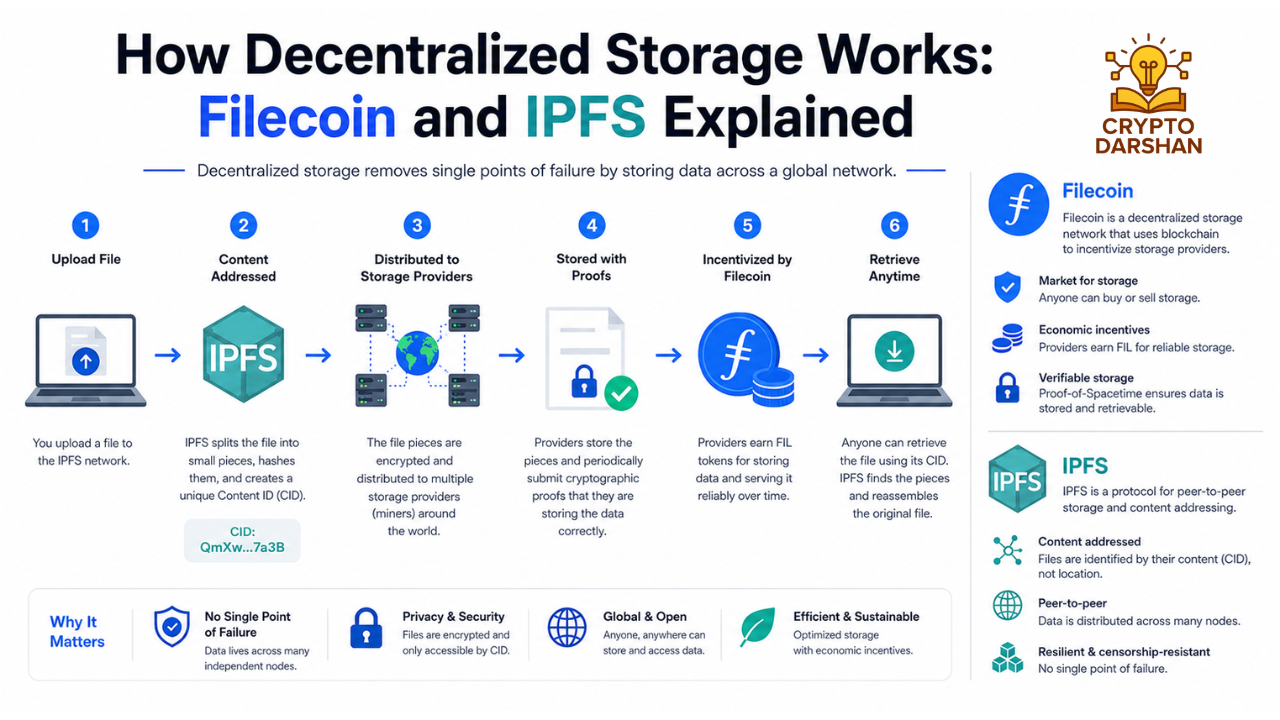
Proof of Space and Time is an emerging Blockchain Consensus mechanism that uses storage capacity instead of computational power. Participants allocate disk space to validate transactions, making the process more energy-efficient. This model is gaining traction in 2026 as a sustainable alternative to traditional consensus methods.
AI-Driven Consensus
Artificial intelligence is beginning to play a role in Blockchain Consensus. AI algorithms can optimize validator selection, detect anomalies, and predict network behavior. By integrating AI, Blockchain Consensus can become more adaptive and resilient, responding dynamically to network conditions.
Quantum-Resistant Consensus
With the rise of quantum computing, traditional cryptographic methods face potential threats. In 2026, researchers are developing quantum-resistant algorithms that can withstand attacks from quantum computers. These innovations ensure the long-term security of blockchain networks in the post-quantum era.
Multi-Layer Consensus Architectures
Future Blockchain Consensus systems may operate across multiple layers, combining on-chain and off-chain mechanisms. Layer-2 solutions like rollups and sidechains already use separate consensus processes to enhance scalability. Multi-layer Blockchain Consensus will enable seamless coordination between different layers, improving performance and flexibility. As blockchain infrastructure becomes more sophisticated, investors and traders will need better tools to analyze network activity and market trends, making it easier to identify patterns such as those discussed in our Crypto Pump 2026: Pump & Dump Patterns guide.
Case Studies: Blockchain Consensus in Action

Ethereum 2.0 and Proof of Stake
Ethereum’s transition to Proof of Stake marked a turning point in Blockchain Consensus history. By replacing energy-intensive mining with staking, Ethereum reduced its energy consumption by over 99%. In 2026, Ethereum’s PoS model continues to evolve, supporting thousands of decentralized applications and millions of users worldwide.
Polkadot and Cross-Chain Consensus
Polkadot introduced a unique model that connects multiple blockchains through a central relay chain. This cross-chain consensus allows different blockchains to share security and communicate seamlessly. In 2026, Polkadot’s model serves as a blueprint for interoperable blockchain ecosystems.
Hyperledger Fabric and PBFT
Hyperledger Fabric uses Practical Byzantine Fault Tolerance for enterprise applications. Its permissioned Blockchain Consensus ensures that only authorized participants can validate transactions. In 2026, Hyperledger Fabric powers supply chain, finance, and healthcare solutions for major corporations, demonstrating the versatility of PBFT-based consensus.
Measuring the Success of Blockchain Consensus

The effectiveness of consensus can be measured through several key metrics:
- Security: The ability to resist attacks and maintain data integrity.
- Scalability: The capacity to handle increasing transaction volumes.
- Decentralization: The distribution of control among network participants.
- Energy Efficiency: The sustainability of the consensus process.
- Finality: The speed at which transactions become irreversible.
In 2026, successful mechanisms achieve a balance among these metrics, ensuring robust and efficient network performance.
The Economic Impact of Blockchain Consensus

Consensus has far-reaching economic implications. By enabling trustless transactions, it reduces the need for intermediaries, lowering costs across industries. Financial institutions, logistics companies, and governments are adopting blockchain to streamline operations and enhance transparency.
In 2026, Blockchain Consensus supports a global digital economy where assets, identities, and contracts exist on decentralized networks. This transformation is creating new business models, job opportunities, and investment avenues. Blockchain Consensus is not just a technical innovation it is a catalyst for economic evolution.
Ethical and Social Implications of Blockchain Consensus

As Blockchain Consensus becomes more integrated into daily life, ethical considerations arise. Issues such as privacy, inclusivity, and governance must be addressed to ensure equitable access to blockchain technology. In 2026, developers are focusing on creating consensus mechanisms that promote fairness and sustainability.
Consensus also empowers communities by decentralizing control. It enables collective decision-making and transparent governance, reducing corruption and inequality. However, ensuring that all participants have equal opportunities to contribute remains a challenge that the blockchain community continues to tackle. The reliability and transparency provided by consensus mechanisms also support modern crypto financial markets, including the derivatives platforms explored in our Crypto Futures Trading: Advanced Perpetual Contracts article.
FAQ: Blockchain Consensus 2026 – How Networks Reach Agreement

1. What is blockchain consensus?
Blockchain consensus is the process that allows decentralized network participants to agree on the validity of transactions and the current state of the blockchain without relying on a central authority.
2. Why is consensus important in blockchain networks?
Consensus ensures that all nodes maintain the same ledger, prevents double-spending, secures the network against attacks, and enables trustless transactions between participants.
3. How does a consensus mechanism work?
A consensus mechanism establishes rules that network validators or miners follow to verify transactions, create new blocks, and confirm the blockchain’s state.
4. What is Proof of Work (PoW)?
Proof of Work is a consensus model where miners solve complex mathematical problems to validate transactions and add blocks. It is known for strong security but high energy consumption.
5. What is Proof of Stake (PoS)?
Proof of Stake selects validators based on the amount of cryptocurrency they stake as collateral. It is generally more energy-efficient and scalable than PoW.
6. Which blockchains use Proof of Stake?
Major blockchains using PoS include Ethereum, Cardano, and Solana.
7. What is Delegated Proof of Stake (DPoS)?
DPoS allows token holders to vote for a limited number of validators who are responsible for producing blocks and maintaining the network.
8. What is Practical Byzantine Fault Tolerance (PBFT)?
PBFT is a consensus algorithm designed for fast transaction finality. It enables nodes to agree on transactions even when some participants act maliciously.
Conclusion
Blockchain Consensus is the heartbeat of decentralized technology. From its origins in Bitcoin’s Proof of Work to the advanced hybrid models of 2026, it has evolved to meet the demands of a rapidly changing digital world. Blockchain Consensus ensures that networks remain secure, transparent, and trustworthy without relying on central authorities.
In 2026, consensus stands at the intersection of technology, economics, and governance. It powers decentralized finance, secures supply chains, protects healthcare data, and enables transparent voting systems. As innovation continues, consensus will remain the foundation upon which the decentralized future is built.
The journey of Blockchain Consensus is far from over. With ongoing research into AI-driven, quantum-resistant, and multi-layer consensus models, the next decade promises even greater advancements. Blockchain Consensus will continue to shape how societies exchange value, share information, and build trust in a digital-first world.