

Crypto leverage trading has become one of the most powerful tools for traders seeking to amplify their profits in the digital asset market. As the cryptocurrency industry matures, more investors are turning to leverage to maximize returns from price movements. In 2026, crypto leverage trading continues to evolve with advanced platforms, improved risk management tools, and innovative strategies that cater to both beginners and professionals.
At its core, crypto leverage trading allows traders to borrow funds to open positions larger than their account balance. This means that even with a small amount of capital, traders can control a much larger position in Bitcoin, Ethereum, or other cryptocurrencies. However, while leverage magnifies potential profits, it also increases the risk of losses. Understanding how to use leverage responsibly is essential for long-term success.
This comprehensive guide explores everything about crypto leverage trading in 2026 from the best strategies and platforms to expert trading tips that help minimize risk and maximize profit potential.
What Is Crypto Leverage Trading?

Crypto leverage trading allows traders to borrow funds, enabling them to control positions much larger than their initial investment. The leverage ratio determines how much a trader can borrow relative to their own capital. For example, a 10x leverage means that for every $1 of personal capital, the trader can open a $10 position.
When engaging in crypto leverage trading, traders deposit a margin a small percentage of the total trade value, as collateral. The exchange lends the remaining amount, allowing the trader to take a larger position. If the trade moves in the trader’s favor, profits are multiplied by the leverage ratio. However, if the market moves against the position, losses are also magnified.
Example of Crypto Leverage Trading
Suppose a trader has $1,000 and uses 10x leverage to open a $10,000 position in Bitcoin. If Bitcoin’s price increases by 5%, the trader earns $500 in profit a 50% return on their initial capital. But if Bitcoin’s price drops by 5%, the trader loses $500, half of their capital. This example highlights both the potential and the risk of crypto leverage trading.
How Crypto Leverage Trading Works

Crypto leverage trading operates through a system of margin accounts. Traders deposit funds into a margin account, which acts as collateral for borrowed funds. The exchange provides leverage, allowing the trader to open larger positions.
Key Components of Crypto Leverage Trading
- Margin: The amount of capital a trader must deposit to open a leveraged position.
- Leverage Ratio: The multiplier that determines how much a trader can borrow. Common ratios include 2x, 5x, 10x, 50x, and even 100x.
- Liquidation Price: The price at which the exchange automatically closes a position to prevent further losses.
- Maintenance Margin: The minimum amount of equity required to keep a leveraged position open.
- Funding Rate: A periodic payment exchanged between long and short traders to maintain price parity between spot and futures markets.
Understanding these components is crucial for anyone engaging in crypto leverage trading. Mismanaging leverage or ignoring liquidation risks can lead to significant losses.
Benefits of Crypto Leverage Trading

Crypto leverage trading offers several advantages that attract both retail and institutional traders.
1. Amplified Profits
The primary benefit of crypto leverage trading is the ability to amplify profits. With leverage, traders can control larger positions and earn higher returns from small price movements.
2. Efficient Capital Use
Leverage allows traders to use their capital more efficiently. Instead of tying up large amounts of money in a single trade, they can diversify across multiple positions.
3. Short Selling Opportunities
Crypto leverage trading enables traders to profit from falling markets by opening short positions. This flexibility allows traders to benefit in both bullish and bearish conditions.
4. Access to Advanced Trading Tools
Most crypto leverage trading platforms offer advanced tools such as stop-loss orders, take-profit levels, and real-time analytics, helping traders manage risk effectively.
5. Increased Market Liquidity
Leverage trading contributes to higher market liquidity, making it easier for traders to enter and exit positions quickly.
Before committing real capital to leveraged positions, many traders use the methods outlined in Crypto Paper Trading 2026: Practice Without Real Money to practice risk-free.
Risks of Crypto Leverage Trading
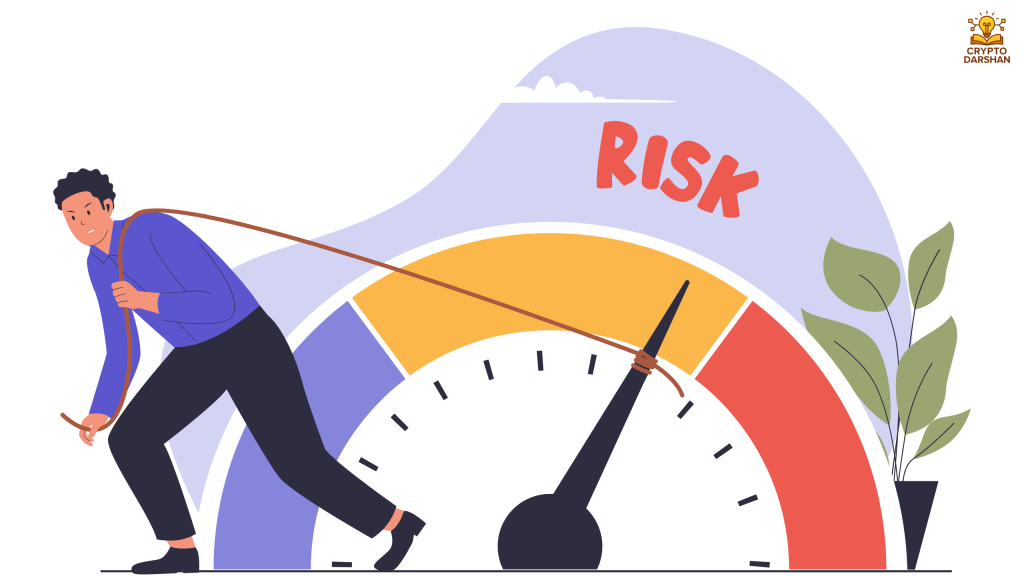
While crypto leverage trading offers high profit potential, it also carries significant risks.
1. Magnified Losses
Just as leverage amplifies profits, it also magnifies losses. A small adverse price movement can wipe out a trader’s entire margin.
2. Liquidation Risk
If the market moves against a leveraged position, the exchange may liquidate the position to prevent further losses. This can result in losing the entire margin deposit.
3. Market Volatility
Cryptocurrency markets are highly volatile. Sudden price swings can trigger liquidations even if the overall market trend is favorable.
4. Emotional Stress
The fast-paced nature of crypto leverage trading can lead to emotional decision-making, causing traders to overtrade or deviate from their strategies.
5. Funding Fees
Holding leveraged positions for extended periods can incur funding fees, which reduce overall profitability.
Best Crypto Leverage Trading Strategies for 2026
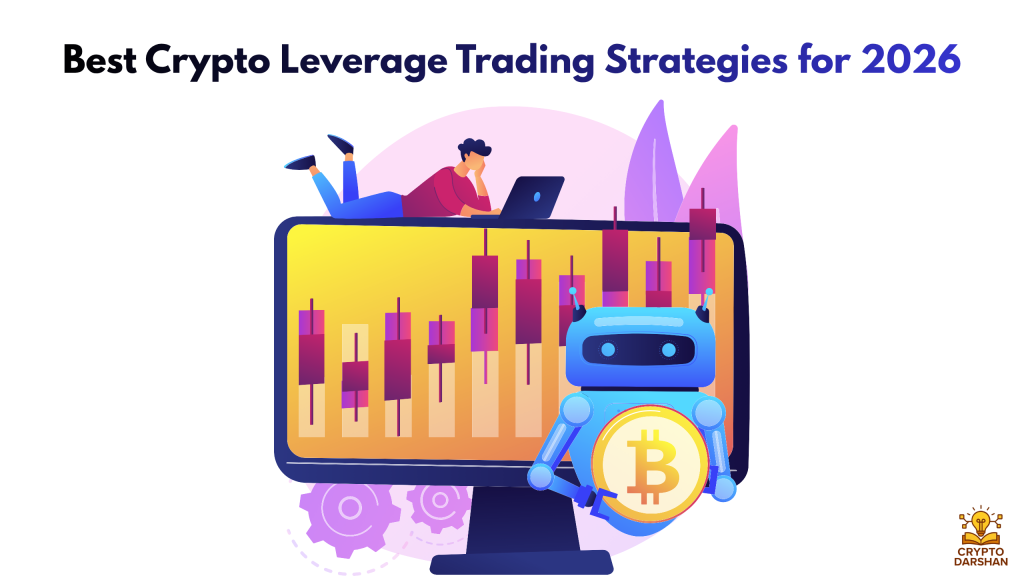
To succeed in crypto leverage trading, traders must adopt well-defined strategies that balance risk and reward. The following strategies are among the most effective in 2026.
1. Scalping Strategy
Scalping involves making multiple small trades throughout the day to capture minor price movements. In crypto leverage trading, scalpers use high leverage and tight stop-losses to profit from short-term volatility.
2. Swing Trading
Swing traders hold positions for several days or weeks, aiming to profit from medium-term price trends. This strategy works well with moderate leverage, allowing traders to capture larger price swings without excessive risk.
3. Breakout Trading
Breakout traders identify key support and resistance levels. When the price breaks through these levels, they open leveraged positions to capitalize on strong momentum.
4. Trend Following
Trend-following strategies involve identifying and trading in the direction of the prevailing market trend. Using leverage in trending markets can significantly boost returns.
5. Hedging Strategy
Hedging involves opening opposite positions to reduce risk exposure. For example, a trader holding a long spot position in Bitcoin might open a short leveraged position to protect against downside risk.
6. Grid Trading
Grid trading uses automated bots to place buy and sell orders at predefined intervals. This strategy works well in sideways markets and can be enhanced with moderate leverage.
7. Risk Management Strategy
Effective risk management is the foundation of successful crypto leverage trading. Traders should never risk more than 1–2% of their capital on a single trade and always use stop-loss orders.
Top Crypto Leverage Trading Platforms in 2026

Choosing the right platform is essential for safe and efficient crypto leverage trading. The best platforms in 2026 offer high liquidity, robust security, and user-friendly interfaces.
1. Binance Futures
Binance remains one of the leading platforms for crypto leverage trading. It offers up to 125x leverage on major cryptocurrencies, advanced charting tools, and low trading fees.
2. Bybit
Bybit is known for its intuitive interface and strong risk management features. It provides up to 100x leverage and supports perpetual contracts for popular cryptocurrencies.
3. OKX
OKX offers a wide range of leverage options and advanced trading tools. Its deep liquidity and strong security make it a top choice for professional traders.
4. Bitget
Bitget has gained popularity for its copy trading feature, allowing users to follow experienced traders. It supports up to 100x leverage and offers a transparent fee structure.
5. Kraken Futures
Kraken is a regulated exchange offering up to 50x leverage. It is ideal for traders who prioritize security and compliance.
6. Phemex
Phemex provides a seamless trading experience with up to 100x leverage. Its zero-fee spot trading and robust mobile app make it attractive to active traders.
7. Deribit
Deribit specializes in crypto derivatives and offers leverage trading on Bitcoin and Ethereum futures and options. It is favored by institutional traders for its advanced analytics. Market conditions play a major role in leverage trading success, making Crypto Forecast 2026: Bitcoin, Ethereum & Market Predictions valuable additional reading.
How to Start Crypto Leverage Trading

Starting with crypto leverage trading requires careful preparation and understanding of the market.
Step 1: Choose a Reliable Platform
Select a reputable exchange that offers leverage trading, strong security, and transparent fees.
Step 2: Complete KYC Verification
Most platforms require identity verification to comply with regulations and ensure account security.
Step 3: Deposit Funds
Deposit cryptocurrency or fiat currency into the trading account. Ensure sufficient margin to support leveraged positions.
Step 4: Select Leverage Ratio
Choose an appropriate leverage ratio based on risk tolerance. Beginners should start with low leverage, such as 2x or 5x.
Step 5: Open a Position
Decide whether to go long (buy) or short (sell) based on market analysis. Use stop-loss and take-profit orders to manage risk.
Step 6: Monitor and Adjust
Regularly monitor open positions and adjust leverage or stop-loss levels as market conditions change.
Advanced Tips for Successful Crypto Leverage Trading

1. Use Technical Analysis
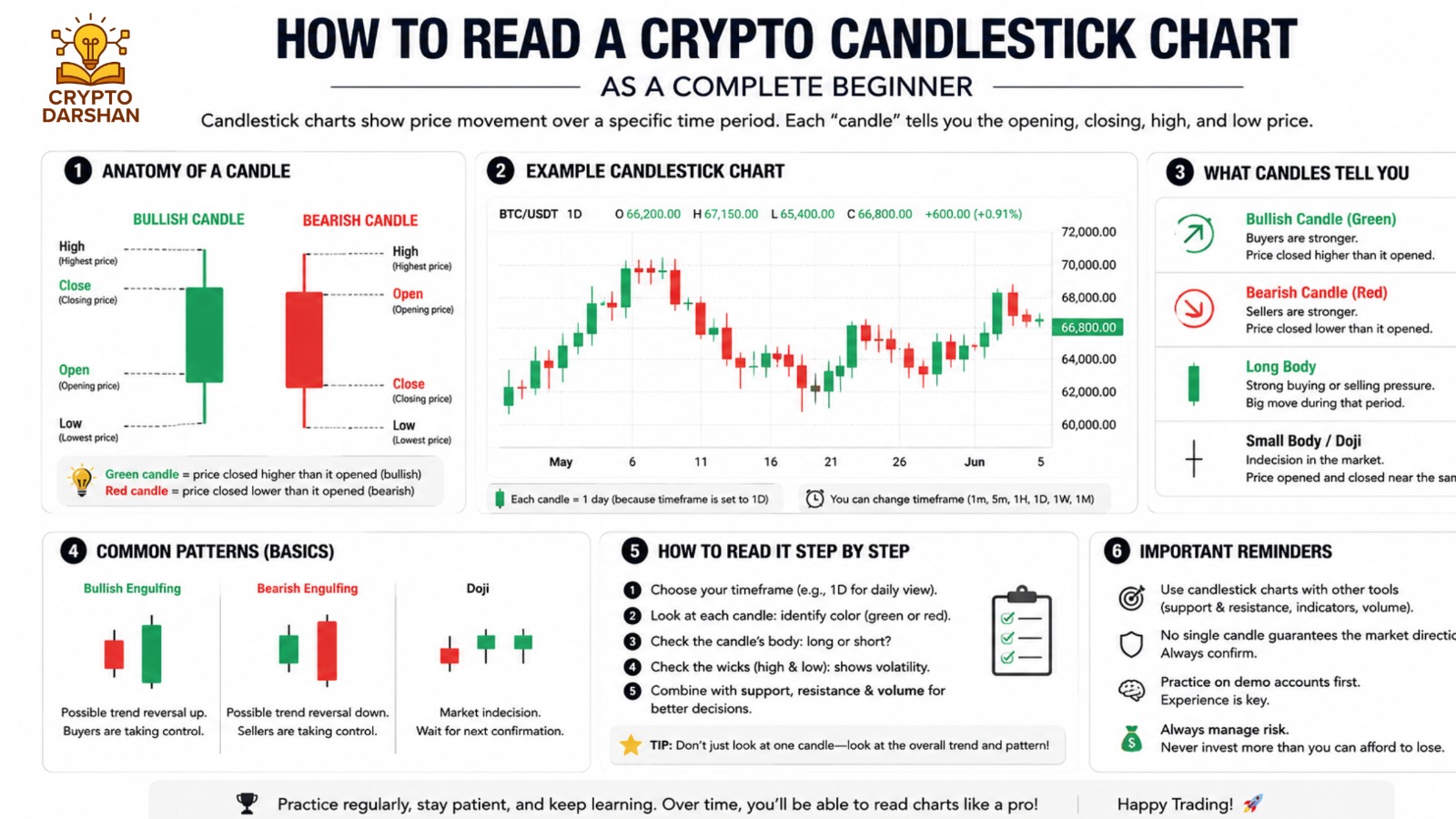
Technical analysis is vital in crypto leverage trading. Indicators like Moving Averages, RSI, and MACD help identify trends and reversals. Moving Averages show direction, RSI measures momentum, and MACD signals changes. Using these tools together helps traders time entries and exits more accurately, which is crucial when leverage amplifies both gains and losses.
2. Follow Market News
Crypto markets react instantly to news and global events. Regulatory updates, partnerships, or exchange issues can cause sharp price swings. Staying informed allows traders to adjust leverage, set stop-losses, or close positions before volatility spikes. Awareness of market sentiment is key to managing risk in crypto leverage trading.
3. Avoid Overleveraging
Using too much leverage is a common mistake. High leverage can quickly lead to liquidation if prices move slightly against a position. Successful traders use moderate leverage, usually between 2x and 10x, to balance profit potential and risk. Controlled leverage ensures long-term survival in crypto leverage trading.
4. Diversify Trades
Diversifying across multiple cryptocurrencies reduces exposure to a single asset’s volatility. If one coin drops, gains from another can offset losses. Diversification helps maintain stability and lowers emotional stress, making crypto leverage trading more consistent and manageable.
5. Practice with Demo Accounts
Demo accounts let traders practice crypto leverage trading without risking real money. They simulate live markets, helping users test strategies and understand leverage effects. Practicing builds confidence and improves decision-making before moving to real trades.
6. Keep Emotions in Check
Emotional control is essential. Fear and greed often lead to poor decisions, like closing trades too early or overtrading. Following a clear plan and using automated tools such as stop-loss orders helps maintain discipline and consistency in crypto leverage trading.
7. Use Stop-Loss Orders
Stop-loss orders automatically close trades at a set price to prevent large losses. They are crucial in volatile crypto markets. Setting them wisely protects capital and ensures that one bad trade doesn’t erase overall gains.
Regulatory Landscape of Crypto Leverage Trading in 2026

In 2026, global regulations around crypto leverage trading have become more structured. Governments and financial authorities are implementing frameworks to protect investors and ensure market stability.
1. Stricter Leverage Limits
Some jurisdictions have imposed maximum leverage limits to reduce retail investor risk. For example, certain regions cap leverage at 20x for retail traders.
2. Enhanced KYC and AML Requirements
Exchanges must comply with Know Your Customer (KYC) and Anti-Money Laundering (AML) regulations to prevent illegal activities.
As compliance requirements expand, some users explore privacy-focused solutions discussed in Crypto Mixer 2026: Tornado Cash Alternatives.
3. Licensing and Oversight
Regulated exchanges must obtain licenses and adhere to strict operational standards, ensuring transparency and security.
4. Taxation Policies
Profits from crypto leverage trading are subject to taxation in many countries. Traders must maintain accurate records for tax reporting.
Future Trends in Crypto Leverage Trading

The future of crypto leverage trading looks promising, with several emerging trends shaping the industry.
1. AI-Powered Trading Bots
Artificial intelligence is revolutionizing crypto leverage trading by automating strategies and improving decision-making accuracy.
2. Decentralized Leverage Platforms
Decentralized finance (DeFi) platforms are introducing leverage trading without intermediaries, offering greater transparency and control.
3. Cross-Chain Leverage Trading
Cross-chain technology enables traders to use leverage across multiple blockchain networks, expanding trading opportunities.
4. Integration with Traditional Finance
More institutional investors are entering the crypto leverage trading space, bridging the gap between traditional and digital markets.
5. Enhanced Risk Management Tools
Future platforms will feature advanced risk management systems, including AI-driven liquidation prevention and dynamic margin adjustments.
Common Mistakes to Avoid in Crypto Leverage Trading

- Using Excessive Leverage: High leverage increases liquidation risk.
- Ignoring Stop-Loss Orders: Failing to set stop-losses can lead to catastrophic losses.
- Overtrading: Frequent trading without a clear strategy often results in losses.
- Neglecting Market Analysis: Trading without proper research leads to poor decisions.
- Emotional Trading: Fear and greed can cloud judgment and cause impulsive actions.
- Ignoring Fees: Funding and trading fees can erode profits over time.
- Lack of Diversification: Concentrating all capital in one trade increases risk exposure.
Building a Sustainable Crypto Leverage Trading Plan

A sustainable trading plan is essential for long-term success in crypto leverage trading.
1. Define Goals
Set clear financial goals and risk tolerance levels before trading.
2. Develop a Strategy
Choose a trading strategy that aligns with market conditions and personal experience.
3. Manage Risk
Use stop-loss orders, position sizing, and diversification to control risk.
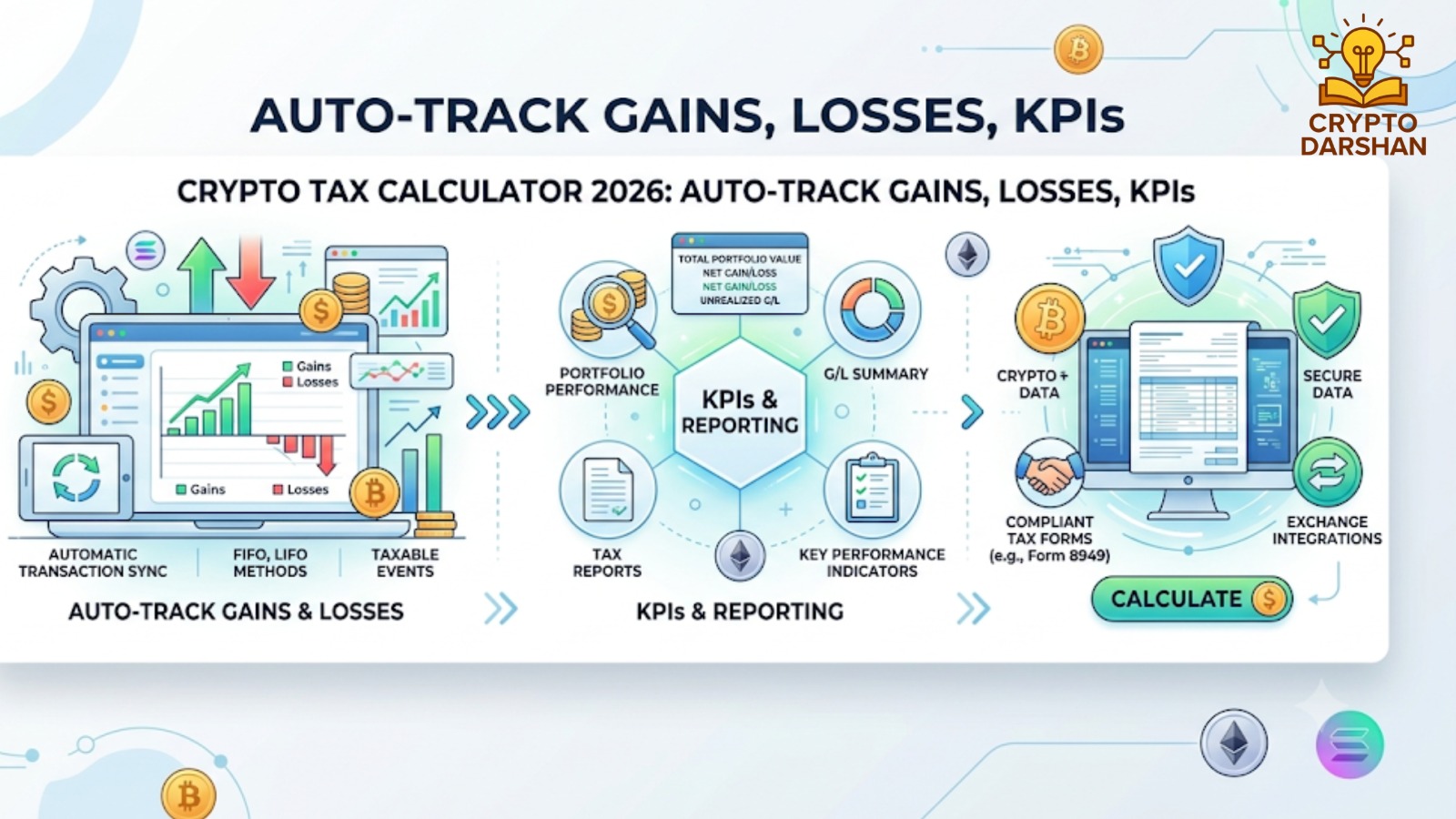
4. Keep Records
Maintain a trading journal to track performance and identify areas for improvement.
5. Continuous Learning
Stay updated with market trends, new tools, and evolving strategies in crypto leverage trading.
Psychological and Educational Aspects of Crypto Leverage Trading
The psychological and educational aspects of crypto leverage trading are deeply interconnected and often determine a trader’s long-term success. Emotional control, discipline, and continuous learning are just as important as technical analysis or market knowledge. Traders who can manage fear and greed while constantly improving their understanding of leverage mechanics tend to achieve more consistent results.
Emotional stability plays a crucial role in crypto leverage trading. The market’s volatility can trigger impulsive decisions driven by panic or overconfidence. Maintaining a calm mindset helps traders make rational choices, follow their strategies, and avoid emotional reactions to short-term price movements. Understanding how market manipulation works can help traders remain objective during volatile periods, as explained in Crypto Pump 2026: Pump & Dump Patterns. Accepting that losses are part of the process and setting realistic expectations prevents frustration and burnout. Discipline ensures that traders stick to their plans, use stop-loss orders effectively, and avoid overleveraging.
Education complements psychological strength by providing the knowledge needed to navigate complex trading environments. In 2026, many exchanges and learning platforms offer structured courses, webinars, and tutorials that teach leverage mechanics, risk management, and technical analysis. These resources help traders understand how leverage affects both profits and losses, enabling them to make informed decisions. Continuous learning also ensures adaptability to evolving market trends, new trading tools, and regulatory changes.
Modern blockchain-based learning platforms now provide interactive simulations that replicate real trading conditions. These simulations allow traders to practice crypto leverage trading strategies in a risk-free environment, improving both confidence and decision-making skills. Combining education with psychological discipline creates a balanced approach traders not only know how to trade but also how to think and react under pressure.
Ultimately, success in crypto leverage trading depends on mastering both the mind and the method. A well-educated trader with emotional control can handle volatility, manage risk effectively, and sustain long-term growth in the ever-changing cryptocurrency market.
Crypto Leverage Trading 2026: Best Strategies, Platforms, and Trading Tips – FAQ

1. What is crypto leverage trading?
Crypto leverage trading allows traders to borrow funds from an exchange or broker to open positions larger than their account balance. This can increase both potential profits and potential losses.
2. How does leverage work in cryptocurrency trading?
Leverage is expressed as a ratio such as 2x, 5x, 10x, or 100x. For example, with 10x leverage, a $100 investment can control a $1,000 trading position.
3. What is margin in crypto trading?
Margin is the collateral traders deposit to open leveraged positions. It acts as a security deposit and helps cover potential losses.
4. What are the benefits of crypto leverage trading?
Benefits include increased market exposure, the ability to profit from small price movements, capital efficiency, and access to both long and short positions.
5. What are the risks of leverage trading?
Leverage amplifies losses as well as gains. Traders can face liquidation, margin calls, increased volatility exposure, and significant capital loss if risk is not managed properly.
6. What is liquidation in leveraged trading?
Liquidation occurs when a trader’s losses reach a level where the exchange automatically closes the position to prevent further losses beyond the available margin.
7. What leverage ratio is best for beginners?
Most beginners should start with low leverage, such as 2x to 5x, to minimize risk while learning how leveraged markets operate.
8. Can I lose more money than my initial investment?
On many modern crypto exchanges, negative balance protection prevents losses beyond deposited funds. However, traders should always review the exchange’s specific policies.
Conclusion
Crypto leverage trading in 2026 offers immense opportunities for traders who understand its mechanics and risks. With the right strategies, platforms, and risk management techniques, traders can harness leverage to amplify profits while minimizing losses. However, success in crypto leverage trading requires discipline, continuous learning, and a deep understanding of market dynamics.
As the cryptocurrency market continues to mature, crypto leverage trading will remain a vital tool for traders seeking to maximize returns. By combining sound strategies, reliable platforms, and effective risk management, traders can navigate the volatile world of digital assets with confidence and precision.