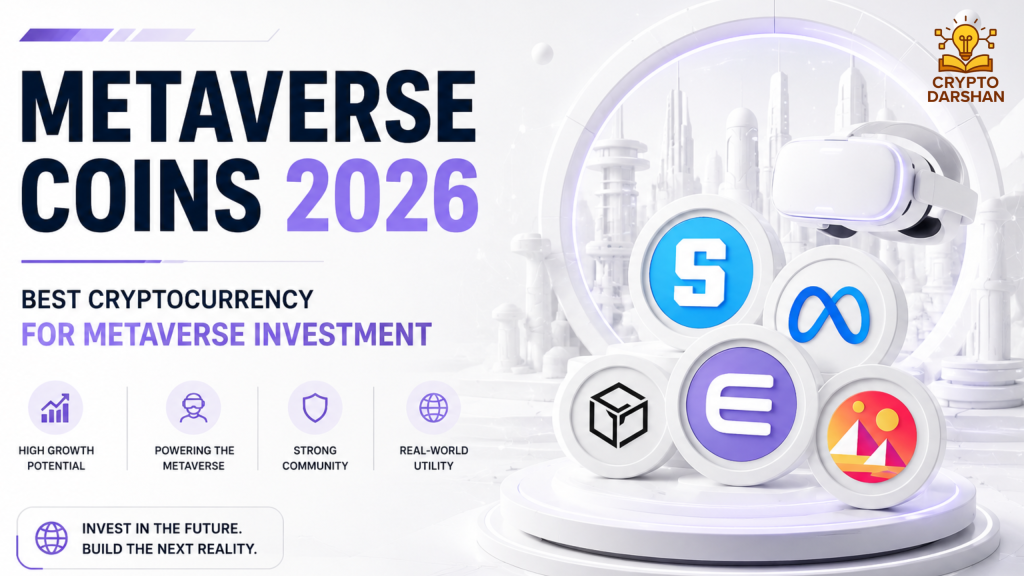
The digital landscape has transformed dramatically, and metaverse coins have emerged as powerful investment vehicles in 2026. These specialized cryptocurrencies power virtual economies, enable digital ownership, and facilitate seamless transactions across immersive online worlds. Understanding metaverse coins is no longer optional for serious cryptocurrency investors,it’s essential for capturing growth in one of technology’s fastest-expanding sectors. If this is your first time looking at metaverse tokens and exchanges, there is a beginner‑friendly crypto guide that takes you from zero to hero in 30 days so you can follow the rest of this article with confidence.
Understanding Metaverse Coins and Their Importance
Metaverse coins represent the financial infrastructure of virtual worlds. Unlike traditional cryptocurrencies focused solely on peer-to-peer transactions, metaverse coins integrate deeply with gaming platforms, social networks, and virtual commerce ecosystems. They enable users to purchase virtual real estate, trade digital collectibles, access exclusive experiences, and participate in decentralized governance structures. Metaverse crypto coins are creating the virtual economy of the virtual world of 3D realities
The significance of metaverse coins extends beyond speculative trading. These tokens create real economic opportunities for millions of users worldwide. Content creators monetize their work, gamers earn income through play-to-earn models, and virtual landowners generate rental income. This economic utility provides fundamental value supporting long-term price appreciation. If you are new to crypto, it helps to start with a simple explanation of blockchain so you understand the technology that every metaverse coin is built on.
Blockchain technology underpins metaverse coins, ensuring transparent ownership, verifiable scarcity, and secure transactions. Smart contracts automate complex interactions, from marketplace transactions to governance voting. This technological foundation distinguishes metaverse coins from traditional in-game currencies that lack true ownership and transferability.
Leading Metaverse Coins for 2026 Investment

Decentraland (MANA)
Decentraland pioneered user-owned virtual worlds, and MANA remains a cornerstone metaverse coin in 2026. This Ethereum-based platform enables users to create, experience, and monetize content within a persistent virtual environment. MANA tokens facilitate all economic activity, from land purchases to wearable acquisitions.
The platform has matured significantly, hosting virtual headquarters for major corporations, educational institutions, and entertainment venues. Fashion brands showcase collections through virtual runways, musicians perform concerts to global audiences, and artists exhibit work in digital galleries. This diverse activity drives consistent demand for MANA tokens.
Decentraland’s decentralized autonomous organization gives MANA holders direct influence over platform development. Token holders vote on policy changes, content moderation standards, and treasury allocations.
The Sandbox (SAND)
The Sandbox has established itself as the premier gaming-focused metaverse platform, with SAND tokens powering its vibrant creator economy. The voxel-based aesthetic appeals to both nostalgic gamers and new users, while sophisticated creation tools enable professional-quality experiences.
SAND tokens serve multiple critical functions. Users stake tokens to participate in governance, purchase virtual land parcels, and access premium platform features. The staking mechanism reduces circulating supply while rewarding committed community members, creating positive price dynamics.
Strategic partnerships distinguish The Sandbox from competitors. Collaborations with entertainment giants bring recognizable intellectual properties into the platform, attracting mainstream audiences. These partnerships generate publicity, drive user acquisition, and increase transaction volumes—all benefiting SAND token value.
Axie Infinity (AXS)
Axie Infinity revolutionized blockchain gaming through its play-to-earn model, and AXS tokens govern this expansive ecosystem. Players collect, breed, and battle fantasy creatures while earning cryptocurrency rewards. The game has created genuine economic opportunities, particularly in developing nations where players earn meaningful income.
The platform continues evolving beyond its original gameplay. Land-based gameplay, expanded battle systems, and crafting mechanics add depth and variety. These additions retain existing players while attracting new audiences seeking diverse gaming experiences.
AXS tokenomics have improved significantly, addressing earlier sustainability concerns. The team implemented mechanisms balancing token emissions with burning, creating healthier long-term economics. Staking rewards incentivize holding while supporting network security, making AXS attractive for both gamers and investors.
Enjin Coin (ENJ)
Enjin Coin provides infrastructure for creating and managing blockchain gaming assets across multiple platforms. ENJ tokens back the value of NFTs created through Enjin’s platform, ensuring digital items maintain intrinsic worth. This backing mechanism distinguishes Enjin from purely speculative NFT projects.
The platform’s integration with major game development engines facilitates widespread adoption. Developers can implement blockchain features without extensive cryptocurrency expertise, lowering barriers to entry. As more games integrate Enjin technology, ENJ utility and demand increase correspondingly.
Enjin’s focus on interoperability positions it advantageously for the multi-platform metaverse future. Assets created through Enjin can potentially function across different games and virtual worlds. This cross-platform utility represents significant value as users demand seamless experiences across fragmented metaverse landscapes.
ApeCoin (APE)
APE tokens power the expanding APE ecosystem, including the ambitious Otherside metaverse project. The token benefits from association with one of cryptocurrency’s most recognizable brands.
The Otherside metaverse combines gaming, social interaction, and digital ownership in an expansive virtual world. Early demonstrations showcased impressive technical capabilities and creative vision. As development progresses, APE tokens gain utility through in-world transactions, governance participation, and exclusive access.
Community strength distinguishes ApeCoin from many competitors. The passionate, engaged community drives adoption, creates content, and evangelizes the ecosystem. This grassroots support provides resilience during market downturns and accelerates growth during favorable conditions.
Gala Games (GALA)
Gala Games has built a diverse portfolio of blockchain games, with GALA tokens serving as the ecosystem’s economic foundation
GALA’s node-based network allows token holders to participate in operating infrastructure while earning rewards. This decentralized approach aligns incentives between the platform and community. Node operators gain economic benefits while supporting network functionality and security.
The platform’s expansion beyond gaming into film and music demonstrates ambitious vision.. This diversification positions GALA as more than a gaming token, potentially capturing value from multiple entertainment sectors.
Evaluating Metaverse Coins: Key Factors
User Engagement and Platform Activity
Successful metaverse coins correlate strongly with active, engaged user bases. Examine daily active users, transaction volumes, and time spent in-platform. Growing engagement indicates healthy ecosystems that can sustain token value long-term.
Look beyond vanity metrics to assess genuine engagement. Platforms hosting regular events, content updates, and community activities demonstrate vitality. Stagnant platforms struggle to maintain user interest regardless of initial hype, ultimately undermining token values.
Development Progress and Team Credibility
Strong development teams consistently deliver on roadmap commitments, building community trust and platform value. Research team backgrounds, previous projects, and communication transparency. Teams with proven track records significantly increase success probabilities.
Evaluate roadmaps for realistic timelines and achievable milestones. Overpromising and underdelivering damages credibility and token prices. Conversely, teams exceeding expectations build momentum that attracts users, developers, and investors.
Tokenomics and Economic Models
Understanding token supply dynamics is crucial for evaluating metaverse coins. Examine total supply, circulating supply, and vesting schedules for team and investor tokens. Sudden supply increases can dilute value, while deflationary mechanisms may support appreciation.
Analyze token utility within ecosystems. Metaverse coins serving multiple functions governance, staking, transactions, access demonstrate stronger value propositions. Single-purpose tokens face obsolescence risks if use cases become less relevant.
Strategic Partnerships and Ecosystem Growth
Partnerships with established brands, technology companies, and blockchain projects enhance credibility and adoption potential. Major collaborations bring resources, users, and mainstream attention. Evaluate partnership quality over quantity—meaningful integrations matter more than superficial announcements.
Interoperability with other platforms expands utility and reduces platform-specific risks. Metaverse coins functioning across multiple environments benefit from network effects. Isolated ecosystems face greater challenges achieving critical mass necessary for sustained success. Some newer ecosystems are still working towards full launch and liquidity, so their 2026 price outlook is far more speculative than established metaverse tokens; Pi Coin is a good example of how much uncertainty remains when a network is still finding its feet
Investment Strategies for Metaverse Coins
Portfolio Diversification
Diversifying across multiple metaverse coins reduces platform-specific risks while maintaining sector exposure. Consider including gaming-focused tokens, commerce-oriented platforms, and infrastructure projects
Diversify across blockchain ecosystems as well. Metaverse coins built on Ethereum, Solana, Polygon, and other chains offer exposure to various technological approaches. Blockchain-level diversification protects against network-specific risks and technological obsolescence.
Dollar-Cost Averaging Approach
Dollar-cost averaging involves investing fixed amounts at regular intervals regardless of price fluctuations. This strategy reduces timing risk and emotional decision-making. Instead of attempting to predict market bottoms, systematically accumulate metaverse coins over time.
This approach particularly suits volatile assets like metaverse coins. During declines, fixed investments purchase more tokens, lowering average costs. During rallies, you participate in gains while maintaining discipline. Dollar-cost averaging works best for long-term investors committed to sector growth.
Staking for Passive Income
Many metaverse coins offer staking opportunities where holders lock tokens to earn rewards. Staking generates passive income while supporting network operations. Annual yields typically range from 5-20%, though rates vary by platform and market conditions.
Evaluate staking requirements carefully, including lock-up periods and withdrawal restrictions. Some platforms require extended commitments preventing sales during downturns. Balance yield generation with liquidity needs and market outlook when allocating to staking.
Risks and Challenges in Metaverse Coin Investing

Market Volatility
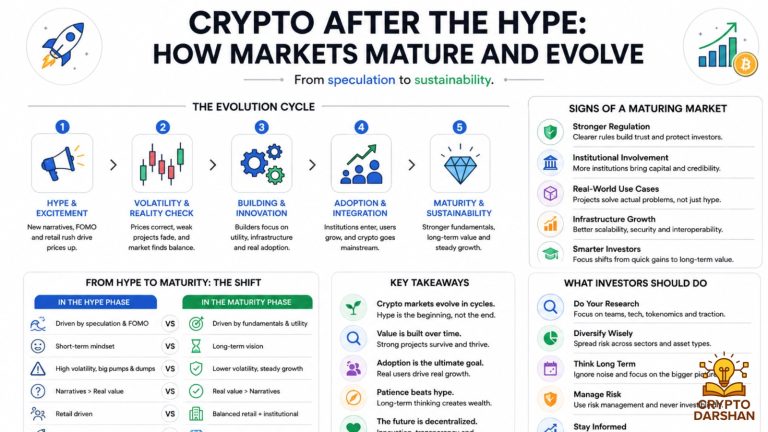
Metaverse coins experience extreme price volatility, with 30-50% swings occurring within days. Speculative trading, relatively small market capitalizations, and sentiment-driven movements create challenging conditions. This volatility tests investor conviction and requires strong risk management. Metaverse coins can be among the most volatile assets in the market, so it is crucial to have a plan for surviving a crypto bear market without quitting when prices inevitably swing.”
Position sizing becomes critical invest only amounts you can afford to lose completely. Volatility creates opportunities for skilled traders but can devastate unprepared investors. Understanding your risk tolerance before investing prevents emotional decisions during market turbulence.
Technology and Execution Risks
Many metaverse projects promise revolutionary experiences but face substantial technical challenges. Developing immersive, scalable virtual worlds requires significant resources, expertise, and time. Projects may fail to deliver promised features or become obsolete as technology evolves.
Blockchain scalability remains a concern for platforms requiring high transaction throughput. Network congestion creates poor user experiences, driving users to competitors. Metaverse coins tied to technically inferior platforms may lose value as users migrate to better alternatives. Some metaverse projects offer staking or liquidity incentives that look like ‘free yield’, but to understand where those rewards really come from and what the risks are, it helps to first see how yield farming became such a big trend in crypto
Regulatory Uncertainty
Cryptocurrency regulation continues evolving, with potential impacts on metaverse coins. Governments may impose restrictions on token sales, trading, or virtual world usage. Regulatory crackdowns in major markets can significantly impact values and platform viability.
Tax treatment of metaverse transactions remains unclear in many jurisdictions. Investors may face unexpected liabilities as regulations develop. Staying informed about regulatory developments helps manage these risks and ensure compliance.
The Future Outlook for Metaverse Coins

The metaverse sector continues rapid evolution, with technological advances and changing preferences shaping future developments. Mainstream adoption is accelerating as major brands establish permanent virtual presences. Improved user interfaces and simplified onboarding reduce barriers to entry.
Interoperability will likely increase, allowing assets and identities to move between platforms. Metaverse coins facilitating cross-platform transactions may gain significant advantages. Standards enabling interoperability are developing, potentially reshaping competitive dynamics.
Artificial intelligence integration will enhance experiences through intelligent NPCs, personalized content, and automated creation tools. Metaverse coins powering platforms that effectively leverage AI may deliver superior user experiences and capture disproportionate market share.
Virtual real estate markets are maturing, developing sophisticated dynamics including location value, development potential, and rental income. Metaverse coins facilitating these transactions benefit from real estate market growth and increasing sophistication.
FAQ
1. What is the difference between gaming coins and metaverse coins?
Gaming coins primarily focus on in-game rewards and transactions, while metaverse coins often support broader virtual economies that include social experiences, digital real estate, commerce, governance, and creator ecosystems.
2. Can metaverse coins outperform traditional cryptocurrencies?
Some metaverse projects may deliver strong returns during periods of sector growth, but they generally carry higher risk than established cryptocurrencies. Performance depends on adoption, innovation, and market conditions.
3. How can beginners invest in metaverse cryptocurrencies?
Beginners typically start by creating an account on a trusted crypto exchange, completing verification, researching projects, securing their assets in a wallet, and diversifying their investments across multiple sectors.
4. Are metaverse coins suitable for long-term investment?
They can be suitable for long-term investors who believe in the growth of virtual worlds, digital ownership, and Web3 technology. However, long-term success depends on real-world adoption and project sustainability.
Conclusion
Metaverse coins represent compelling investment opportunities in 2026, offering exposure to the convergence of gaming, social interaction, and blockchain technology. Leading projects like Decentraland, The Sandbox, Axie Infinity, Enjin, ApeCoin, and Gala demonstrate the sector’s diversity and potential.
Successful investing requires thorough research, diversification, and disciplined risk management. Evaluate platforms based on user engagement, development progress, tokenomics, and partnerships. Implement strategies like dollar-cost averaging and staking to optimize returns while managing volatility.
The metaverse represents a fundamental shift in digital interaction, and metaverse coins power these emerging economies. For investors willing to navigate risks and maintain long-term perspectives, metaverse coins offer participation in building the future of virtual worlds.