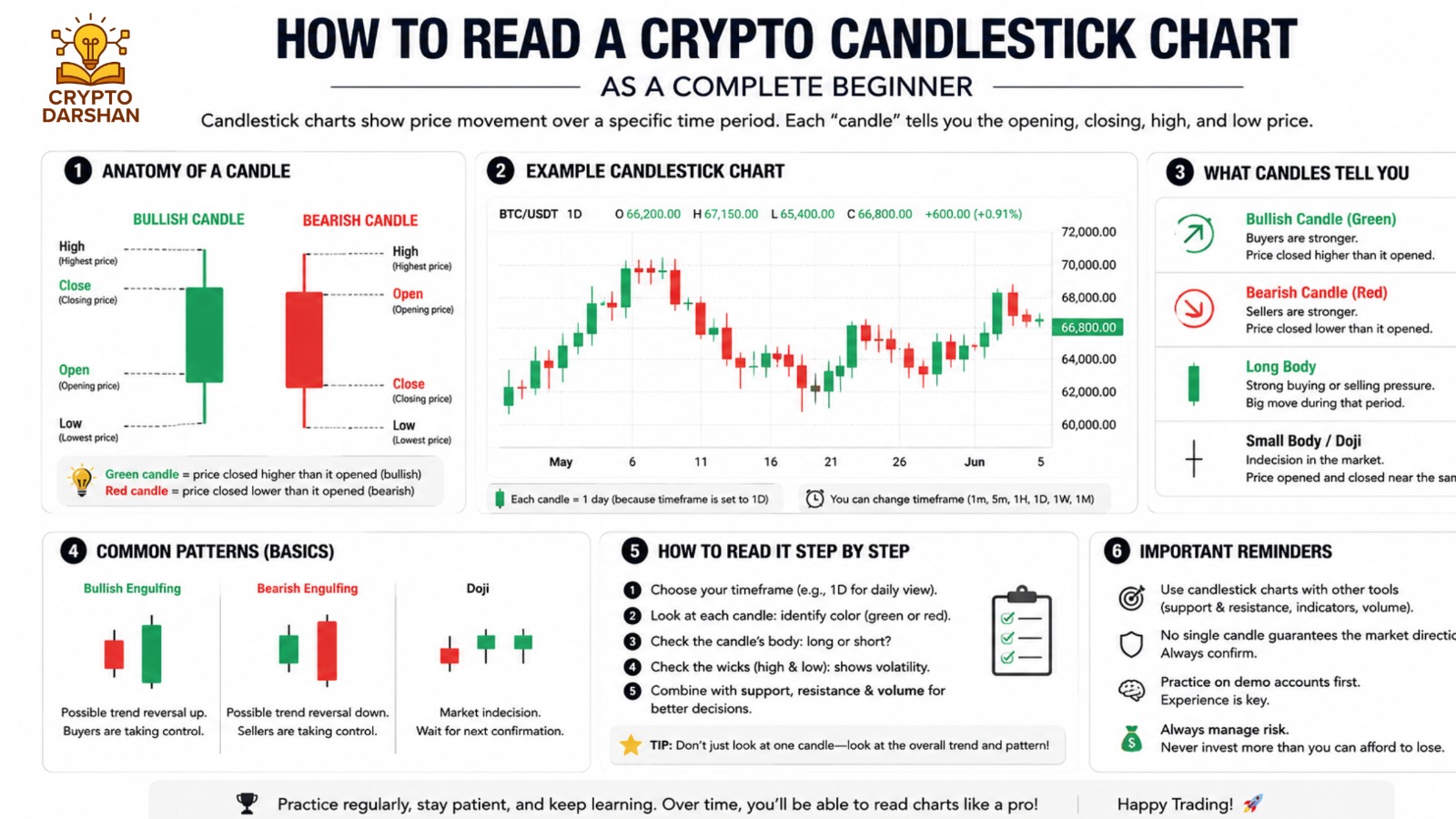
The cryptocurrency market continues to evolve rapidly, attracting millions of new investors every year. However, the volatility and unpredictability of digital assets make it risky for beginners to dive in without experience. This is where crypto paper trading becomes an essential tool. It allows traders to practice buying and selling cryptocurrencies using simulated funds instead of real money. It provides a safe environment to learn trading strategies, understand market behavior, and build confidence before investing actual capital.
If you’re completely new to digital assets, start with our Crypto for Dummies 2026: Zero to Hero in 30 Days guide to build a strong foundation before practicing with crypto paper trading.
In 2026, these platforms have become more advanced, offering real-time data, automated bots, and integration with major exchanges. This article explores everything about crypto paper trading in 2026 what it is, how it works, its benefits, the best platforms, and how to use it effectively to prepare for real-world trading.
What Is Paper Trading Crypto?
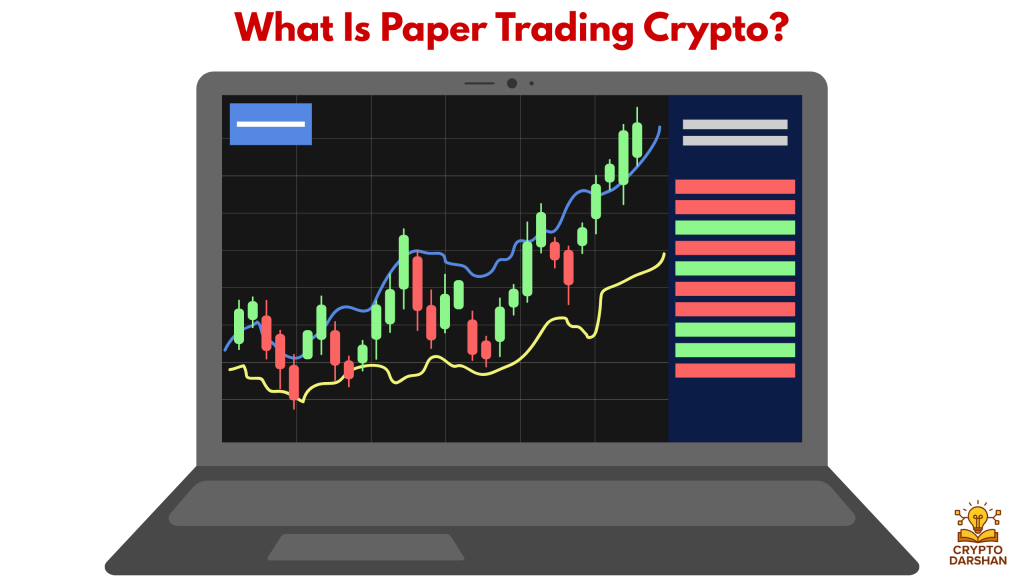
In crypto, paper trading means a simulated platform where traders buy and sell virtual currencies without using real money. It mirrors real market conditions, allowing traders to test strategies and make decisions as if they were trading live. The term “paper trading” originated from traditional stock trading, where traders would record hypothetical trades on paper to track performance without risking money.
In the crypto world, paper trading crypto platforms replicate exchange interfaces, price movements, and order books. Traders can place buy and sell orders, set stop losses, and analyze charts all without financial risk. This makes it an ideal learning tool for beginners and a testing ground for experienced traders developing new strategies.
Why Paper Trading Crypto Matters in 2026

The crypto market in 2026 is more complex than ever. With thousands of coins, decentralized finance (DeFi) protocols, and automated trading bots, understanding how to navigate this ecosystem is crucial. Paper trading crypto provides a bridge between theory and practice.
1. Safe Learning Environment
New traders can experiment with different strategies without losing money. Mistakes become learning opportunities rather than costly errors through paper trading crypto.
2. Strategy Testing
Experienced traders can test new algorithms, indicators, or trading systems under real market conditions. This helps refine strategies before applying them to live accounts.
3. Emotional Control
Trading psychology plays a major role in success. Paper trading helps traders understand emotional triggers like fear and greed, allowing them to develop discipline before facing real financial pressure.
4. Market Familiarity
Paper trading crypto introduces users to exchange interfaces, order types, and market dynamics. This familiarity reduces confusion when transitioning to live trading.
5. Performance Tracking
Most platforms provide detailed analytics, helping traders evaluate performance, identify weaknesses, and improve decision-making.
How Paper Trading Crypto Works

Paper trading crypto platforms simulate real trading environments using live or delayed market data. Here’s how the process typically works:
- Account Setup: Users create an account on a platform or enable demo mode on an exchange.
- Virtual Balance: The platform provides a virtual balance, often ranging from $10,000 to $100,000 in simulated funds.
- Market Access: Traders can access real-time or slightly delayed crypto market data, including price charts, order books, and trading pairs.
- Placing Trades: Users can place buy or sell orders, set stop-loss and take-profit levels, and manage positions just like in real trading.
- Performance Analysis: The platform tracks all trades, showing profit/loss, win rate, and other metrics to help evaluate performance.
- Strategy Refinement: Based on results, traders can adjust strategies and retest until they achieve consistent profitability.
Benefits of Paper Trading Crypto

1. Zero Financial Risk
Paper trading eliminates the risk of losing money while learning.
2. Realistic Market Simulation
Modern platforms use live data feeds, making the experience nearly identical to real trading.
3. Skill Development
Traders can practice technical analysis, risk management, and order execution without pressure.
4. Confidence Building
By achieving consistent results, traders gain confidence to transition to live markets.
5. Strategy Optimization
It allows for backtesting and forward testing of strategies, helping traders identify what works best. After finding a profitable approach through paper trading, investors can use the tools reviewed in Best Crypto Portfolio Trackers in 2026: Monitor Your Digital Assets Like a Pro to track and analyze their real-world portfolio performance.
6. Emotional Training
Even though no real money is involved, it helps traders recognize emotional patterns that affect decision-making.
Limitations of Paper Trading Crypto

While paper trading offers many advantages, it also has limitations that traders should understand.
1. Lack of Real Emotions
Since no real money is at stake, traders may not experience the same emotional intensity as in live trading.
2. Execution Differences
In real markets, slippage and liquidity issues can affect trade execution. Paper trading often assumes perfect fills.
3. Overconfidence Risk
Success in simulation doesn’t always translate to live trading.
4. No Real-World Consequences
Without financial consequences, traders might develop habits that are unsustainable in real markets.
Despite these limitations, it remains an invaluable tool for learning and preparation.
Best Paper Trading Crypto Platforms in 2026

1. Binance Futures Testnet
Binance offers a dedicated testnet, allowing users to practice with virtual funds. It mirrors the live Binance interface and supports advanced order types.
Key Features:
- Real-time market data
- Futures and spot trading simulation
- API integration for bots
- Free virtual funds
2. TradingView Paper Trading
TradingView’s paper trading feature is ideal for technical analysis enthusiasts. It connects to live charts and allows simulated trading directly from the interface.
Key Features:
- Real-time charting tools
- Strategy backtesting
- Integration with multiple exchanges
- Performance tracking dashboard
3. Bybit Testnet
Bybit’s testnet provides a realistic environment for practicing derivatives. It’s popular among traders testing leverage strategies.
Key Features:
- Leverage up to 100x (simulated)
- Realistic order execution
- Advanced charting tools
- Free demo funds
4. eToro Demo Account
eToro offers a user-friendly demo account for both crypto and traditional assets. It’s perfect for beginners exploring simulated trading.
Key Features:
- $100,000 virtual balance
- Copy trading simulation
- Multi-asset support
- Mobile and web access
5. CoinMarketGame
CoinMarketGame is a gamified platform that uses real-time data from CoinMarketCap. It’s designed for beginners who want to learn in a fun way.
Key Features:
- Real-time crypto prices
- Leaderboards and competitions
- Educational resources
- Simple interface
6. Bitsgap Demo Mode
Bitsgap offers a demo mode for its automated trading bots. Users can test grid and arbitrage strategies through paper trading crypto without risking funds.
Key Features:
- Automated bot simulation
- Multi-exchange integration
- Strategy backtesting
- Real-time analytics
How to Start Paper Trading Crypto
Step 1: Choose a Platform
Select a platform that matches trading goals. Beginners may prefer eToro or CoinMarketGame, while advanced traders might choose Binance Testnet or TradingView.
Before opening a live exchange account, many beginners practice on demo platforms and later use the methods explained in Fiat to Crypto 2026: Bank Transfer, Card, PayPal Guide to purchase their first cryptocurrencies.
Step 2: Create an Account
Sign up and verify the account if required. Most demo platforms don’t require full KYC verification.
Step 3: Set Virtual Balance
Start with a realistic virtual balance. Using too much simulated money can create unrealistic expectations.
Step 4: Learn the Interface
Explore the dashboard, charts, and order types. Understanding how to navigate the paper trading crypto platform is essential.
Step 5: Develop a Strategy
Decide on a trading style day trading, swing trading, or long-term investing. Create a plan with entry and exit rules for paper trading crypto.
Step 6: Execute Trades
Place simulated buy and sell orders based on analysis. Track performance and note mistakes in paper trading crypto.
Step 7: Review and Adjust
Analyze results regularly. Identify what works and refine strategies accordingly.
Popular Paper Trading Crypto Strategies

1. Trend Following
This strategy involves identifying and trading in the direction of the market trend. Traders use moving averages and trendlines to confirm direction.
2. Scalping
Scalping focuses on making small profits from minor price movements. It requires quick decision-making and precise execution in paper trading crypto.
3. Swing Trading
Swing traders hold positions for several days or weeks, aiming to capture medium-term price movements through paper trading crypto.
4. Mean Reversion
This strategy assumes that prices will revert to their average over time. Traders buy when prices are low and sell when they rise above the mean in paper trading crypto.
5. Breakout Trading
Breakout traders look for price movements beyond key support or resistance levels, signaling potential new trends in paper trading crypto.
6. Arbitrage Simulation
Paper trading crypto can also simulate arbitrage opportunities between exchanges, helping traders understand cross-market dynamics.
Integrating Bots with Paper Trading Crypto

In 2026, automated trading bots have become integral to paper trading crypto. Many platforms now allow users to test bots in demo mode before deploying them live.
Benefits of Bot Paper Trading Crypto
- Risk-Free Testing: Validate algorithms without financial loss.
- Performance Metrics: Analyze bot efficiency under real market conditions.
- Optimization: Adjust parameters for better results.
- Confidence Building: Ensure reliability before live deployment.
Platforms like Bitsgap, 3Commas, and Pionex offer demo modes for bot testing, making paper trading crypto automation accessible to all traders.
The Role of AI in Paper Trading Crypto

Artificial intelligence has transformed paper trading crypto in 2026. AI-driven platforms analyze market data, predict trends, and suggest optimal trades. Machine learning models can simulate thousands of scenarios, helping traders refine strategies faster.
These advancements are built on the foundation of blockchain technology. The evolution of AI in trading is closely tied to the underlying blockchain ecosystem, which is explained in Blockchain for Dummies 2026: The 5-Minute Complete Guide.
AI Features in Modern Paper Trading Crypto:
- Predictive analytics for price forecasting
- Automated risk management
- Sentiment analysis from social media
- Adaptive learning from trading history
AI integration makes simulation more realistic and educational, bridging the gap between practice and live trading.
Common Mistakes in Paper Trading Crypto
1. Treating It Like a Game
Some traders take simulation lightly, making unrealistic trades they wouldn’t make with real money.
2. Ignoring Risk Management
Even in simulation, proper risk management should be practiced to build good habits
3. Overtrading
Placing too many trades can distort results and create unrealistic expectations.
4. Not Tracking Performance
Failing to analyze results prevents improvement. Keeping a trading journal is essential for tracking progress.
5. Unrealistic Capital
Using large virtual balances can lead to overconfidence. It’s better to simulate with an amount similar to planned real investment.
Transitioning from Paper Trading Crypto to Real Trading

Once consistent profitability is achieved in paper trading crypto, transitioning to live trading becomes the next step. However, this shift requires careful planning.
1. Start Small
Begin with a small amount of real money to minimize risk while adjusting to emotional pressure.
2. Maintain Discipline
Follow the same strategies and rules used in simulation.
3. Manage Emotions
Expect emotional differences when real money is involved. Stay calm and avoid impulsive decisions learned from paper trading crypto.
4. Continue Learning
Markets evolve constantly. Keep refining strategies and adapting to new conditions learned through paper trading crypto.
5. Use Stop-Loss Order
Always protect capital with stop-losses to limit potential losses, just as practiced in paper trading crypto.
The Future of Paper Trading Crypto

By 2026, paper trading crypto has evolved beyond simple simulations. The future promises even more advanced features:
1. Virtual Reality (VR) Trading
VR environments will allow traders to interact with 3D charts and data visualizations, enhancing learning experiences.
2. Blockchain-Based Simulations
Decentralized paper trading crypto platforms may use blockchain to ensure transparency and fairness in simulated results.
3. AI-Powered Mentorship
AI mentors could analyze trading behavior and provide personalized feedback in real time for paper trading crypto users.
4. Gamification
Leaderboards, achievements, and rewards will make paper trading crypto more engaging for beginners.
5. Integration with Education Platforms
Paper trading crypto will become a core part of crypto education, integrated into online courses and certification programs.
6. Community-Driven Competitions
Future paper trading crypto platforms may host global tournaments where traders compete using virtual funds, earning recognition and rewards for top performance.
7. Realistic Market Simulations with News Impact
Advanced paper trading crypto systems will simulate not only price movements but also the impact of news events, social media trends, and regulatory announcements. Even with advanced simulations, understanding real-world volatility remains important, as covered in Blockchain Security Risks Every Investor Should Know in 2026.
Tips for Effective Paper Trading Crypto

- Set Realistic Goals: Treat paper trading crypto as preparation for real markets.
- Keep a Journal: Record every trade, including reasoning and outcomes.
- Focus on Risk Management: Limit losses per trade to a small percentage of virtual capital.
- Analyze Mistakes: Learn from losing trades to improve future performance.
- Simulate Real Conditions: Use realistic trade sizes and avoid excessive leverage in paper trading crypto.
- Stay Updated: Follow crypto news and events that affect market movements.
- Review Weekly: Evaluate performance regularly to track progress.
- Join Trading Communities: Engage with other paper trading crypto users to share insights and feedback.
- Experiment with Different Assets: Try trading altcoins, stablecoins, and DeFi tokens.
- Set Time Limits: Practice trading during specific hours to simulate real trading schedules.
Educational Value of Paper Trading Crypto

Paper trading crypto is not just a practice tool; it’s an educational resource. It helps traders understand:
- Market volatility and liquidity
- Technical and fundamental analysis
- Order execution and slippage
- Portfolio diversification
- Risk-to-reward ratios
Many crypto academies and online courses now include paper trading crypto exercises as part of their curriculum, ensuring students gain practical experience before trading live. In 2026, educational institutions and blockchain learning platforms are integrating paper trading crypto modules into certification programs, allowing learners to earn credentials based on simulated performance.
Case Study: From Paper Trading Crypto to Professional

Consider a trader named Alex who started paper trading crypto in early 2025. With no prior experience, Alex used TradingView’s paper trading crypto feature to practice technical analysis. Over six months, Alex developed a swing trading strategy based on moving averages and RSI indicators. After achieving consistent profits in simulation, Alex transitioned to live trading with a small capital of $1,000. By 2026, Alex had grown the account steadily, crediting paper trading crypto for building discipline and confidence.
This example highlights how paper trading crypto can transform beginners into skilled traders through consistent practice and learning.
Comparing Paper Trading Crypto vs. Live Trading

| Aspect | Paper Trading Crypto | Live Trading |
| Capital Risk | None | Real money at risk |
| Emotional Pressure | Low | High |
| Execution | Simulated | Real market conditions |
| Learning Curve | Safe and gradual | Steeper |
| Market Impact | None | Affected by liquidity |
| Goal | Skill development | Profit generation |
Paper trading crypto serves as the foundation, while live trading is the ultimate test of skill and discipline.
Frequently Asked Questions (FAQs)

1. What is crypto paper trading?
Crypto paper trading is a simulated trading environment where you can buy and sell cryptocurrencies using virtual money instead of real funds. It helps beginners learn trading strategies without financial risk.
2. How does crypto paper trading work?
Paper trading platforms provide a virtual account balance that mirrors real market prices. You can place trades, track performance, and test strategies as if you were trading with actual money.
3. Is crypto paper trading free?
Most crypto paper trading platforms are completely free. Many exchanges and trading apps offer demo accounts that allow users to practice without making a deposit.
4. Can I make real money from paper trading?
No. Paper trading uses virtual funds, so any profits or losses are simulated. The purpose is to gain experience and improve trading skills before investing real money.
5. Which platforms offer crypto paper trading in 2026?
Popular exchanges and trading platforms continue to offer demo trading features, including simulated accounts for testing cryptocurrency trading strategies in real-time market conditions.
6. Is paper trading good for beginners?
Yes. Paper trading is one of the safest ways for beginners to learn market analysis, risk management, order types, and trading psychology before risking actual capital.
7. What are the limitations of crypto paper trading?
Paper trading cannot fully replicate the emotional aspects of real trading. Since no real money is involved, traders may take risks they wouldn’t normally take with actual funds.
8. How long should I paper trade before using real money?
There is no fixed timeline. Many experts recommend paper trading until you can consistently follow your strategy and achieve positive results over several weeks or months.
Conclusion
Paper trading crypto in 2026 has become an indispensable tool for traders of all levels. It offers a realistic, risk-free environment to learn, experiment, and refine strategies before entering the volatile world of live crypto trading. With advancements in AI, automation, and real-time data integration, paper trading crypto now mirrors real markets more closely than ever.
Whether a beginner learning the basics or an experienced trader testing complex algorithms, paper trading crypto provides the perfect platform to grow skills and confidence. By treating it seriously, maintaining discipline, and continuously analyzing performance, traders can bridge the gap between simulation and success in real markets.
In the fast-paced world of cryptocurrency, preparation is everything and paper trading crypto remains the smartest way to prepare for the opportunities and challenges of 2026 and beyond.